2026 Best Cryolipolysis How Does It Freeze Fat Cells?

Time:2026-09-06 Author:Charlotte
0%

Cryolipolysis has changed how clinicians approach small, localized fat pockets. The treatment uses controlled cooling, not surgery, to target fat beneath the skin. According to U.S. Food and Drug Administration (FDA) device information, cleared cryolipolysis systems are intended for visible fat bulges in specific body areas. They are not weight-loss treatments.

So, how does cryolipolysis freeze and destroy fat cells? The applicator gently draws a tissue fold between cooling panels. Fat cells are more vulnerable to cold than nearby skin and nerves. Controlled cooling can trigger apoptosis, a natural process of programmed cell death. The body then gradually removes affected cells through normal immune and metabolic pathways. Think of it as a slow cleanup, not instant melting.

Clinical evidence suggests modest contour improvement after several weeks. Results often become clearer around eight to twelve weeks. However, outcomes vary with applicator placement, tissue thickness, and individual biology. A 2023 Aesthetic Society national statistics report shows continued demand for nonsurgical body-contouring procedures, but demand does not equal guaranteed results. Peer-reviewed studies have also reported temporary redness, swelling, numbness, or tenderness after treatment. Rare complications, including paradoxical adipose hyperplasia, require professional discussion.

This distinction matters. Cryolipolysis may refine a contour, but it cannot replace nutrition, exercise, or medical weight management. Proper patient selection remains essential. A qualified provider should review medical history, treatment goals, device indications, and possible risks before treatment. The technology is promising, but not magic. Good decisions depend on evidence, realistic expectations, and careful follow-up.
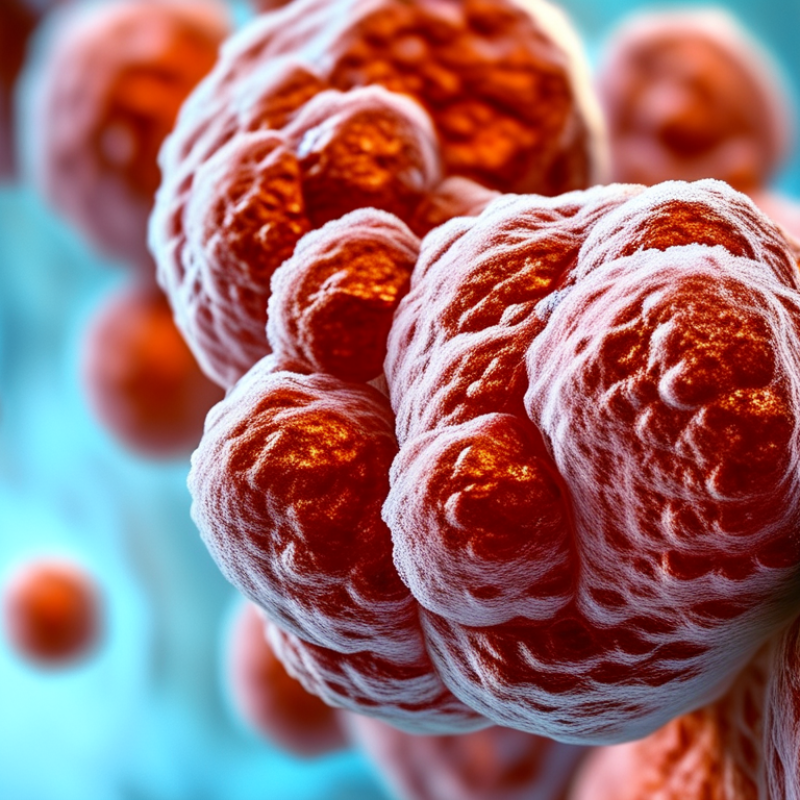
2026 Best Cryolipolysis How Does It Freeze Fat Cells?

Cryolipolysis Explained: Controlled Cooling at Approximately −5°C to 5°C

Cryolipolysis uses controlled cooling to target fat beneath the skin. Treatment temperatures commonly range from approximately −5°C to 5°C, depending on the applicator and treatment area. This range is carefully selected, not randomly applied. The skin is protected with a cooling membrane and temperature monitoring.

Cold exposure can make susceptible fat cells crystallize. Their membranes then become damaged, while nearby skin, nerves, and muscle usually remain less affected. The body gradually processes these altered cells through natural metabolic and immune pathways. This process takes time. Visible changes often develop over several weeks or months.

In clinical practice, results depend on fat thickness, tissue structure, applicator contact, and individual healing. A qualified medical professional should assess the area before treatment. They should also review cold-related medical conditions, skin sensitivity, and realistic expectations. More cooling is not always better. Excessive or poorly controlled cooling may increase risks, including pain, numbness, or tissue injury. Some treatment areas respond unevenly, which deserves honest discussion. Cryolipolysis shapes localized bulges; it does not replace weight management or treat obesity. The exact temperature inside fat tissue may differ from the device’s displayed setting, so −5°C to 5°C should be understood as an approximate treatment range, not a universal guarantee.

How Applicators Draw Subcutaneous Fat Into a Vacuum-Cooled Treatment Zone

2026 Best Cryolipolysis: How Does It Freeze Fat Cells?

Cryolipolysis uses a specialized applicator to draw pinchable subcutaneous fat between cooling panels. A controlled vacuum gently lifts the skin and fat fold into the treatment zone. It feels surprisingly mechanical. The tissue may feel like a firm pull, followed by intense cold and temporary numbness.

The cooling system targets fat cells more readily than surrounding skin and muscle. Lower temperatures can trigger a natural cell-removal process called apoptosis. Over several weeks, the body gradually clears affected cells through normal metabolic pathways. This is not weight-loss treatment. It cannot reach visceral fat around internal organs, and not every fold qualifies.

Accurate placement matters. A trained clinician should assess tissue thickness, skin condition, medical history, and realistic expectations before treatment. Protective membranes help shield the skin, while sensors support temperature control during the session. Common short-term effects include redness, swelling, tingling, bruising, or sensitivity. Rare complications can occur, so professional screening remains important.

The results are usually gradual, not dramatic overnight. Individual response varies with anatomy, lifestyle, applicator fit, and treatment planning. Even careful procedures have limits. A small mismatch between the applicator and the fat fold may reduce consistency, which is why photographs, measurements, and follow-up assessments can improve clinical judgment.

Why Lipid-Rich Fat Cells Crystallize Before Apoptosis Begins

2026 Best Cryolipolysis: How Does It Freeze Fat Cells?

Cryolipolysis uses controlled cooling to affect fat beneath the skin. Lipid-rich fat cells contain more stored triglycerides than surrounding tissue. This composition makes them more vulnerable to cold-induced crystallization. Tiny fat droplets can harden first, like oil becoming cloudy in a chilled glass. The skin and nearby tissues usually tolerate the selected temperature better.

Crystallization is not the same as immediate cell death. It can disturb the fat cell membrane and trigger a delayed inflammatory response. Apoptosis may begin afterward, as the damaged cell activates its programmed self-destruction pathway. Immune cells then gradually remove cellular debris through the body’s natural clearance systems. This process often develops over several weeks, not overnight. Human responses vary, and the science is still more complex than simple “freezing fat.”

Tips: Choose a qualified medical professional for assessment. Ask about your tissue thickness, treatment goals, possible numbness, and expected timeline. Take clear photographs before treatment. Do not judge results too early. A cooling session may feel intense, cold, pulling, or briefly painful. Follow aftercare instructions, even when the treated area feels normal. More treatment is not automatically better. Careful screening matters.

How Inflammation Clears Damaged Fat Cells Over 8–12 Weeks

2026 Best Cryolipolysis: How Does It Freeze Fat Cells?

Cryolipolysis uses controlled cooling to stress selected fat cells beneath the skin. The treatment does not freeze every nearby tissue. Instead, sensitive fat cells may enter apoptosis, a natural form of controlled cell death. The body then recognizes these damaged cells and begins an inflammatory cleanup process. This response can cause temporary redness, swelling, tenderness, numbness, or firmness. It may feel uneven for a while. That can be unsettling, but it is often part of recovery.

Over the next 8–12 weeks, immune cells gradually break down and remove the affected fat-cell remnants. The treated area may look unchanged during the first few weeks. Then, the contour can slowly appear smoother as the inflammation settles. Results vary with treatment settings, tissue thickness, lifestyle, and individual healing. A neat calendar can be misleading. Cryolipolysis shapes a localized area; it does not replace weight management or treat obesity. Persistent pain, worsening swelling, skin changes, or unusual hardness should be assessed by a qualified medical professional.

Tips: Choose a trained provider who reviews your medical history and explains realistic outcomes. Ask how the area will be monitored during treatment. Take photographs under similar lighting, rather than judging changes daily. Gentle movement may support comfort, but follow the provider’s specific aftercare advice. Patience matters here.

Typical Clinical Outcomes: Approximately 15%–27% Fat-Layer Reduction per Cycle

2026 Best Cryolipolysis: How Does It Freeze Fat Cells?

Cryolipolysis cools a selected fat layer without surgical incisions. Fat cells are more sensitive to controlled cold than surrounding skin and muscle. After treatment, the body gradually removes affected cells through normal inflammatory and metabolic processes. The change is slow. Most visible results appear over several weeks.

Published clinical reviews, including evidence discussed in Aesthetic Surgery Journal, commonly report about 15%–27% fat-layer reduction per cycle. This range describes local thickness, not total body-weight loss. Results can vary with applicator fit, tissue depth, treatment settings, and patient biology. A 2015 systematic review reported measurable contour improvement after one session, with assessment often performed around two to four months later.

Numbers need context. Ultrasound, caliper readings, and photography may produce different results. Some patients see modest change. Others notice a clearer reduction around the lower abdomen or flanks. That is normal. Treatment is not a substitute for weight management, and it cannot correct loose skin or every type of fullness. Temporary redness, swelling, numbness, or tenderness may occur. A qualified medical professional should screen the treatment area, explain limitations, and document baseline measurements before claiming a result.

FAQS

: How does cryolipolysis treat subcutaneous fat?

: A vacuum gently lifts a pinchable fat fold between cooling panels. The area becomes cold and numb. Targeted fat cells may enter apoptosis, a natural cell-removal process.

Does cryolipolysis cause weight loss?

No. It shapes a localized fat layer. It cannot remove visceral fat around internal organs. Weight management remains important.

What does the treatment feel like?

You may feel firm pulling, intense cold, tingling, or temporary numbness. The sensation can feel mechanical. That description is not universal.

How long does recovery usually take?

Redness, swelling, bruising, tenderness, or firmness may appear temporarily. Immune cells gradually clear affected cell remnants over 8–12 weeks. Recovery varies.

When should results become visible?

Early changes may be difficult to notice. Contour improvement often develops over several weeks. Daily mirror checks can mislead.

How much fat-layer reduction is typical?

Clinical reports commonly describe about 15%–27% local fat-layer reduction per cycle. This does not mean the same percentage of total body weight. Individual results differ.

Who should assess whether treatment is suitable?

A trained medical professional should review tissue thickness, skin condition, medical history, and expectations. Applicator fit matters. Not every fat fold qualifies.

How can results be assessed fairly?

Use baseline photographs, measurements, and follow-up evaluations. Take photos under similar lighting. Ultrasound and caliper readings may disagree.

Are complications possible?

Common effects are temporary, but rare complications can occur. Contact a qualified professional about persistent pain, worsening swelling, skin changes, or unusual hardness. Do not ignore changes.

Conclusion

Cryolipolysis is a noninvasive body-contouring method that uses controlled cooling, typically between approximately −5°C and 5°C, to target subcutaneous fat. During treatment, an applicator gently draws a fold of fat into a vacuum-cooled zone, where the temperature is carefully regulated. Because lipid-rich fat cells are more sensitive to cooling than surrounding tissues, they can develop crystalline changes before the natural process of apoptosis begins. In simple terms, how does cryolipolysis freeze and destroy fat cells? It cools them selectively, triggering structural damage that signals the body to remove them.

Over the following 8–12 weeks, the body’s inflammatory and immune processes gradually clear the damaged fat cells. Results develop progressively rather than immediately, with clinical outcomes commonly showing an approximate 15%–27% reduction in the treated fat layer after one cycle. Individual results can vary depending on treatment area, tissue characteristics, and personal response.

Charlotte

Charlotte

Charlotte is a seasoned marketing professional with a deep understanding of the company's portfolio and a passion for elevating its presence in the market. With a keen eye for detail and a commitment to excellence, she ensures that our professional blog is regularly updated with insightful articles......