2026 Best RF Microneedling How Does It Stimulate Collagen?

Time:2026-09-26 Author:Ethan
0%

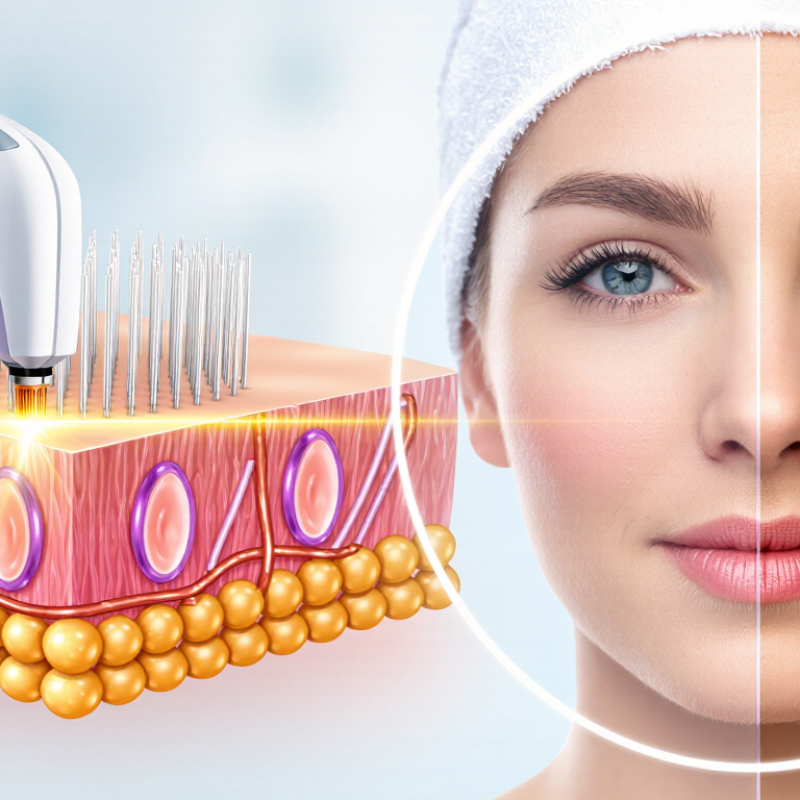
Radiofrequency (RF) microneedling combines fine needles with targeted heat beneath the skin’s surface. The needles create controlled micro-injuries, while radiofrequency energy warms selected tissue layers. This process can activate the body’s wound-healing response, including activity by fibroblasts, the cells involved in producing collagen. Healing takes time. Changes may develop gradually over several weeks or months, rather than appearing overnight.

So, how does radiofrequency microneedling stimulate collagen production? In simple terms, the treatment delivers small, deliberate signals to the skin, encouraging repair and remodeling. The depth of the needles, energy settings, device, and treatment plan all influence how the procedure is performed. Individual results vary, and no device can promise the same outcome for every person. That matters.

The phrase “best RF microneedling” does not point to one universally superior machine. Skin concerns, medical history, comfort, and the provider’s training should shape the choice. A qualified clinician can explain expected benefits, possible side effects, and whether another approach may be more suitable. Temporary redness, swelling, or tenderness can occur; complications are also possible. Ask direct questions, and allow time for a considered decision. RF microneedling may support skin texture and firmness, but it is not a shortcut or a substitute for realistic expectations. Evidence and technique continue to evolve, so even confident marketing deserves a closer look.
2026 Best RF Microneedling How Does It Stimulate Collagen?

What RF Microneedling Is and How It Combines Needling with Radiofrequency

RF microneedling pairs fine needles with radiofrequency energy. The needles enter the skin at a chosen depth, while tiny electrodes deliver heat into the surrounding tissue. This combines controlled punctures with warmth beneath the surface. It is different from topical skincare, which mainly acts on the outer skin.

The needle tips create small, deliberate injuries. Radiofrequency heat adds a thermal stimulus in the dermis, where collagen-supporting structures are found. During healing, the body begins a repair response and gradually produces and reorganizes collagen. That process takes time. Changes may appear over weeks or months, not overnight, and results vary with skin, settings, and treatment plan.

A clinician should assess skin concerns, medical history, and suitable needle depth before treatment. Redness, swelling, tenderness, or pinpoint marks can occur afterward; less commonly, burns, infection, scarring, or pigment changes may develop. That distinction matters. More heat does not automatically mean better results, and settings require care. Even with a thoughtful plan, outcomes are not perfectly predictable—a useful limitation to remember when weighing the treatment.

How RF Energy Reaches the Skin’s Collagen-Rich Layers

2026 Best RF Microneedling How Does It Stimulate Collagen?

How RF Energy Reaches the Skin’s Collagen-Rich Layers

RF microneedling uses fine needles to carry radiofrequency energy into the dermis, where collagen-producing fibroblasts reside. The needles create tiny channels; electrical resistance in the tissue generates localized heat around their tips. Unlike light-based treatments, RF energy does not depend on skin pigment for absorption. Depth and energy settings still matter.

Not a surface peel. In a small human histology study, Hantash and colleagues documented new collagen and elastin after fractional radiofrequency treatment (Lasers in Surgery and Medicine, 2009). The study offers tissue-level evidence, not a promise of a particular cosmetic result. Skin does not behave like a diagram.

After controlled heating, collagen fibers can contract, while the body’s repair response supports remodeling over time. A 2025 FDA safety communication also warns that RF microneedling can cause serious complications, including burns and scarring. That risk makes accurate depth selection and trained clinical care important. More energy is not automatically better. Results vary with device settings, treatment technique, and individual skin. And the evidence base is still uneven; that deserves honest discussion.

2026 Best RF Microneedling: How Does It Stimulate Collagen?

How RF energy reaches the skin’s collagen-rich layers

RF microneedling uses needle electrodes to deliver energy into selected depths, including the dermis, where collagen is abundant. The chart shows approximate skin-layer depth ranges, not RF intensity or treatment settings; anatomy varies by body site and individual.

How Controlled Heat Triggers the Skin’s Repair Response

RF microneedling combines tiny needles with radiofrequency energy delivered beneath the skin’s surface. The needles create narrow channels, while heat warms selected layers of tissue. This controlled thermal stress signals the body to begin a repair process. In response, cells gradually produce and reorganize collagen, a structural protein that helps support skin.

Controlled does not mean risk-free. The depth and energy settings matter, and they should suit the person’s skin and treatment area. Too much heat can cause unwanted injury. A qualified clinician should assess skin concerns, medical history, and possible risks before treatment. Mild redness, swelling, or tenderness may follow, but recovery varies. Not instantly. Collagen remodeling takes time, so changes may emerge over several weeks or months, and results differ from person to person. The biology is not perfectly predictable; even careful treatment cannot promise a particular outcome. A useful consultation should cover realistic expectations, aftercare, and when to seek help if healing seems unusual.

How New Collagen Forms and Changes Skin Over Time

RF microneedling creates tiny channels in the skin while delivering radiofrequency heat into selected tissue layers. The controlled warmth prompts a wound-healing response, including signals that support new collagen formation. It does not produce finished collagen overnight. It takes time.

In the following weeks, the skin gradually remodels collagen and other structural proteins. Changes may appear as firmer-looking skin or smoother texture, but progress is usually subtle. A cheek’s fine creases may soften; deeper folds may remain. Results vary with age, skin condition, treatment settings, and healing, so one person’s timeline is not a reliable promise for another.

Early redness, swelling, or pinpoint marks reflect short-term irritation, not proof that collagen has formed. Longer-term changes often take several weeks to become noticeable and may continue over a few months. That wait can feel frustrating. More treatment is not automatically better, either: excessive heat or unsuitable settings can increase risks such as burns, pigment changes, or scarring. A qualified clinician should assess skin type, medical history, and goals before treatment, then explain realistic benefits and recovery. Even with careful care, the outcome is not perfectly predictable.

How to Compare RF Microneedling Devices, Results, and Safety

RF microneedling devices differ in needle depth, insulation, energy delivery, and pulse duration. These settings affect how heat reaches the skin, so compare treatment plans—not just device specifications. Ask how the clinician selects depth for your concern and skin area. A cheek scar and the thin skin near the eyes should not automatically receive identical settings. Results also vary with diagnosis, number of sessions, and healing response. Collagen remodeling takes time; an early glow is not proof of lasting change.

Safety deserves equal attention. The FDA’s 2025 safety communication describes reported complications including burns, scarring, unwanted fat loss, and nerve injury. These reports flag possible harms, but do not provide a reliable rate for an individual patient. That matters. Ask about sterile needle cartridges, eye protection, pain control, and who will manage complications. Review medical history, active skin problems, and medicines with a qualified clinician before treatment. Published studies use varied protocols and outcome measures, making device-to-device comparisons difficult. A tidy chart can hide that uncertainty. I would compare before-and-after photos taken under consistent lighting, then discuss realistic improvement and downtime—not promise a specific result.

FAQS

How does RF microneedling deliver energy into the skin?

Fine needles create tiny channels and carry radiofrequency energy into selected skin layers. Heat forms around the needle tips.

Does RF microneedling work like a surface peel?

No. It delivers heat beneath the skin’s surface, rather than relying on a surface peel. Depth and energy settings matter.

How may the treatment support collagen formation?

Controlled heat triggers a repair response. Over time, the skin may produce and reorganize collagen. It takes time.

When might skin changes become noticeable?

Changes may appear over several weeks or months. Early redness does not prove collagen has formed.

What changes might someone notice?

Skin may look firmer or feel smoother. Fine cheek creases may soften, while deeper folds may remain.

What short-term effects can occur?

Redness, swelling, tenderness, or pinpoint marks may occur. Recovery varies from person to person.

What risks should people discuss before treatment?

Risks can include burns, pigment changes, and scarring. More energy is not automatically better.

What should a consultation cover?

A qualified clinician should review skin concerns, medical history, treatment settings, and goals. Ask about realistic results and aftercare.

Can anyone guarantee a specific result?

No. Outcomes depend on technique, settings, skin, and healing. The evidence is uneven, and that deserves an honest conversation.

Conclusion

RF microneedling combines fine needles with radiofrequency energy to deliver controlled heat beneath the skin’s surface. The needles create tiny channels, while the energy warms targeted, collagen-rich layers. Understanding how does radiofrequency microneedling stimulate collagen production begins with this carefully controlled thermal effect: it prompts the skin’s natural repair response without relying only on surface treatment.

During recovery, the body gradually produces and reorganizes collagen, which may improve the appearance of texture, firmness, and fine lines over time. Changes are not immediate, and results vary with skin characteristics, treatment settings, and the number of sessions. When comparing devices or treatments, consider needle depth, energy control, practitioner training, expected recovery, and safety precautions. A qualified professional can assess whether the approach suits your skin and discuss realistic outcomes and potential risks.

Ethan

Ethan

Ethan is a seasoned marketing professional with a deep expertise in our company's innovative product line. With a passion for sharing knowledge and insights, he takes the lead in regularly updating our corporate blog, where he explores industry trends, product features, and effective marketing......