How Much Electricity Does a Commercial Laser Machine Use?

Time:2026-11-02 Author:Liam
0%

How much electricity does a commercial laser machine consume? The answer depends on more than the laser’s rated power. A fiber laser may draw one amount while cutting thin sheet, then use more when processing thick metal at higher output. The chiller, extraction unit, air compressor, and control system also add to the meter reading. In a busy workshop, those supporting components run for hours.

A useful expert voice in this field is Professor Reinhart Poprawe, a recognized laser-technology researcher. “Measure the whole system, not only the laser source” is a practical line for this article, but it is an editorial summary, not a verified quotation from him. That distinction matters. Energy estimates should be traceable to measured machine data, not a memorable sentence.

The clearest figure comes from a power meter installed at the machine’s supply. Record kilowatt-hours across a representative shift, including warm-up, cutting, idle periods, and shutdown. Then compare that total with production time and parts completed. The result is more useful than multiplying the laser’s nominal kilowatts by every scheduled hour.

Small details can change the bill. A chiller may keep running during pauses. Filters can load with dust. Operators may leave the system in standby. Real use is rarely perfect, either. This guide explains the main power loads, offers a practical way to estimate consumption, and shows what to check before comparing machines.
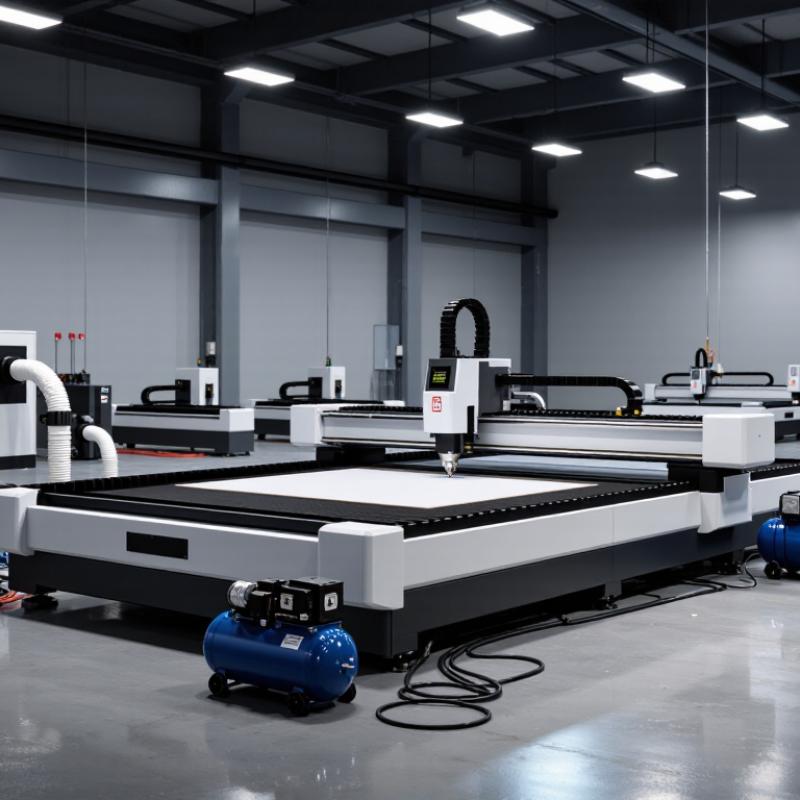
How Much Electricity Does a Commercial Laser Machine Use?

What Electrical Power Does a Commercial Laser Machine Require?

A commercial laser machine’s electrical requirement is its total input load, not its advertised optical output. A 1,000-watt laser source does not necessarily draw 1,000 watts from the wall. The motion system, controls, cooling unit, exhaust fan, and air compressor add demand. Small details matter.

The exact requirement depends on the machine’s design and workload. A compact engraver may use a standard single-phase supply, while a larger cutter may need higher voltage or three-phase service. Check the nameplate and installation manual for voltage, frequency, phase, rated current, and breaker recommendations. Do not size a circuit from laser wattage alone. A chiller can draw extra current when starting. Easy to overlook.

In a real shop, the laser may share electrical capacity with dust collection and other equipment. Ask a qualified electrician to verify the circuit, grounding, disconnect, and cable size before delivery. Leave headroom for startup and future accessories. I would not guess from a product photo. It is an imperfect shortcut, and sometimes an expensive one. Actual consumption also changes with workload, so measuring power during normal operation can give a more useful estimate of running costs.

Which Machine Components Use the Most Electricity?

The laser source often draws the largest share of a commercial machine’s power while cutting, but the answer depends on its type and output setting. A high-power source can demand much more electricity under load than during standby. The chiller is another major user. It runs to remove heat and may continue working between cuts. Don’t overlook the exhaust fan. Its motor can consume substantial power, especially when the duct is long or airflow is restricted. Small details matter.

The motion system and controller usually use less power than the source, though they remain active throughout a job. An air compressor may add a noticeable load when it cycles on. I used to think the laser’s rated wattage told the whole story. That assumption is too simple. Rated output is not the same as total machine input. A practical estimate should account for the source, chiller, extraction system, and compressor, then consider how long each runs. Measure power during standby and a typical cutting job with suitable metering equipment. Record the readings over several cycles; one short sample can mislead. Material thickness, cutting speed, ambient temperature, and maintenance can all change the result.

How Do Laser Type, Power, and Workload Affect Energy Use?

Laser type changes how much wall electricity becomes useful light. Fiber lasers generally convert electricity more efficiently than CO2 systems, but the laser source is only part of the load. Chillers, extraction fans, air compressors, and motion drives also draw power. A 6 kW optical rating is not a 6 kW electricity bill. Check the machine’s total input rating, then measure its actual draw during cutting and standby.

Power and workload determine the final number. A 12 kW machine cutting continuously can use less energy per finished part than a smaller unit running slowly, but idle hours still count. Small loads add up. As a transparent example, a measured average draw of 10 kW for 2,000 operating hours uses 20,000 kWh. At the 2023 U.S. commercial average of 12.75 cents per kWh, reported in the Energy Information Administration’s Electric Power Annual, that equals about $2,550 before demand charges. The EIA’s 2018 Commercial Buildings Energy Consumption Survey reports 6.8 quadrillion Btu of commercial-building energy use, but does not isolate laser machines. That limitation matters: estimates based on laser wattage alone can miss cooling and extraction loads. Log cutting, standby, and warm-up separately; the split may be messier than expected.

How Much Electricity Does a Commercial Laser Machine Use?

Estimated electricity use by laser type and workload

Estimates show kilowatt-hours used during one scheduled hour. Higher workloads generally require more power, while higher-rated lasers tend to use more electricity. Values are illustrative and include estimated laser-source, cooling, and machine-system loads; actual use varies by machine design, settings, and auxiliary equipment.

How Can You Estimate a Machine’s Electricity Consumption?

To estimate a commercial laser machine’s electricity use, start with its rated input power, not the laser’s output rating. Check the machine’s nameplate or technical documentation for input power in kilowatts. Then multiply that figure by the hours it runs:

kW × hours = estimated kilowatt-hours (kWh).

For example, a machine rated at 6 kW running for four hours could use up to 24 kWh. That is a starting point, not a precise bill forecast.

Small detail, big difference.

Actual use changes with cutting settings, material thickness, warm-up time, and idle periods. The laser may draw less power between jobs, while a chiller, exhaust system, or air compressor adds to the total. Check whether those devices have separate ratings, and include their running hours in your estimate. If a 1 kW chiller runs for four hours, add up to another 4 kWh.

A rough estimate can still mislead, especially when equipment cycles on and off. For a better figure, record the machine and auxiliary equipment’s consumption with a suitable power meter during a typical production shift. Repeat the check on a busy day; one quiet shift may not reflect normal use.

What Factors Influence Its Operating Electricity Costs?

How Much Electricity Does a Commercial Laser Machine Use?

What Factors Influence Its Operating Electricity Costs?

A machine’s rated power is only a starting point. Actual electricity use depends on the laser source, motion system, cooling unit, exhaust fan, and air compressor. Some components run continuously; others switch on only during cutting. A busy shift with a chiller and extraction system working hard can draw noticeably more power than a short engraving job. Small details matter.

Material thickness and cutting speed affect how long the machine operates. Frequent starts, pauses, and setup time can also raise energy use per finished part. For a rough estimate, measure the machine’s average power while running, then multiply kilowatts by operating hours. A 2 kW average draw over five hours equals about 10 kWh. The estimate can still be wrong. Standby use, changing workloads, and local electricity rates all affect the bill; some utilities also charge for peak demand. A plug-in meter may help with smaller equipment, but larger systems often need a suitable professionally installed meter. Record readings across a typical production week, not just one unusually easy day. That part is easy to overlook.

How Much Electricity Does a Commercial Laser Machine Use? - What Factors Influence Its Operating Electricity Costs?
Category Machine or Factor Typical Value or Range Estimated Electricity Use or Cost Impact Notes
Illustrative Commercial Machine Estimates
Machine estimate Small CO₂ laser cutter or engraver Approximately 3–6 kW total operating input About 6,000–12,000 kWh per year; approximately $720–$1,440 per year Typical estimate for an 8-hour operating day and 250 operating days per year, at $0.12 per kWh.
Machine estimate Mid-sized fiber laser cutter Approximately 10–20 kW total operating input About 20,000–40,000 kWh per year; approximately $2,400–$4,800 per year Actual demand varies with cutting conditions, source size, cooling, extraction, and time spent cutting.
Machine estimate High-power fiber laser cutter, around 6 kW laser output Approximately 25–40 kW total operating input About 50,000–80,000 kWh per year; approximately $6,000–$9,600 per year The estimate includes the machine and typical supporting equipment; it is not the laser source’s output power alone.
Machine estimate Commercial laser marking or engraving system Approximately 0.5–1.5 kW total operating input About 1,000–3,000 kWh per year; approximately $120–$360 per year Based on 8 operating hours per day and 250 operating days per year. Ancillary equipment can increase consumption.
Factors That Influence Electricity Use and Cost
Power rating Laser source output versus machine input Source output is not the same as total electrical input A higher-power source generally increases demand, but the complete system determines the bill. Include the laser source, motion system, control equipment, cooling, extraction, and other connected loads when estimating consumption.
Operating load Cutting or marking intensity Load changes with material, thickness, speed, and process settings High-load processing usually uses more electricity than standby or light-duty operation. A rated input value is a capacity figure; actual average demand can be lower and varies during a job.
Utilization Operating hours and duty cycle For example, 8 hours per day × 250 days per year = 2,000 hours per year At a constant 1 kW average load, 2,000 hours uses 2,000 kWh. Longer shifts, more production days, and less idle time increase annual consumption.
Cooling Chiller or cooling system Demand depends on the laser, chiller capacity, ambient temperature, and operating conditions Cooling can add a material load, especially during long production runs or in hot environments. Use the chiller’s measured input or technical specifications rather than assuming it is included in the laser source rating.
Supporting equipment Fume extraction, air compressor, and assist-gas systems Power varies by equipment size and whether it runs continuously These loads add to the machine’s total electricity use and may operate even when the laser is not actively processing. Check which auxiliaries are included in the machine’s stated power consumption.
Electricity tariff Energy rate and utility charges Rates vary by location, supplier, time of use, and contract Estimated cost = kWh consumed × applicable price per kWh. Demand charges, taxes, and time-of-use pricing can make the actual bill differ from a simple energy-rate estimate.
Calculation basis: Annual kWh = average operating input in kW × operating hours per year. Example cost estimates use $0.12 per kWh and exclude taxes, demand charges, and other utility fees. Values are planning estimates; actual consumption is best determined from a meter or energy monitor measuring the complete machine and its supporting equipment.

FAQS

Does a laser’s rated power show its full electricity use?

No. Optical power is not the same as electricity drawn from the wall. Check the machine’s total input rating and measure its actual use.

How can I estimate electricity consumption?

Multiply input power in kilowatts by operating hours. A 6 kW machine running for four hours could use up to 24 kWh. A rough start.

Do cooling and extraction equipment use extra electricity?

Yes. Chillers, exhaust fans, and air compressors add to the load. A 1 kW chiller running four hours could add up to 4 kWh.

Does a more powerful machine always use more energy per part?

Not necessarily. A 12 kW machine cutting continuously may use less energy per finished part than a smaller, slower machine. Idle hours still count.

What operating details affect electricity use?

Cutting settings, material thickness, warm-up time, pauses, and standby periods all matter. A busy shift can draw more power than a short engraving job.

How can I measure actual energy use?

Record the machine and auxiliary equipment during a typical production shift with a suitable power meter. Repeat the check on a busy day. One quiet shift may mislead.

How much might 10 kW of average use cost?

At a 2023 U.S. commercial average of 12.75 cents per kWh, 10 kW used for 2,000 hours costs about $2,550 before demand charges.

Why can an electricity estimate be inaccurate?

Equipment cycles on and off, workloads change, and some utilities charge for peak demand. The split between cutting and standby can be messy. A wattage-only estimate misses details.

Conclusion

Understanding how much electricity does a commercial laser machine consume depends on more than its laser rating. The machine’s electrical requirements include the laser source as well as supporting components, such as motion systems, controls, ventilation, and cooling equipment. The laser source may be the largest direct load, while chillers or extraction systems can add substantial demand. Laser type, rated power, material, settings, and production workload all affect how often the machine operates at full capacity.

To estimate consumption, multiply the machine’s average electrical input in kilowatts by the hours it runs, then account for idle time and the proportion of time spent actively processing. This gives an approximate figure in kilowatt-hours. Operating costs depend on that consumption and the local electricity rate, as well as factors such as cooling needs, maintenance, and peak-demand charges. Comparing estimates under realistic working conditions can help businesses plan energy use and identify opportunities to reduce costs without compromising production.

Liam

Liam

Liam is a dedicated marketing professional with a profound expertise in the industry, where he excels at highlighting the unique advantages of our core products. With a keen understanding of market trends and consumer needs, Liam frequently updates our company’s professional blog, providing......