A high-pitched whine can turn a routine cavitation treatment into an unsettling experience. If you are asking, “why does my cavitation machine make a high pitched noise,” the sound may come from the handpiece, its power supply, a cooling fan, or a loose panel. The noise alone cannot identify the fault. A faint change in pitch matters, especially when it starts suddenly or comes with unusual heat, vibration, or reduced output.
Professional references offer useful context, but they do not provide a universal failure-rate figure for every cavitation machine. IEC 60601-2-5 sets safety and essential-performance requirements for ultrasonic physiotherapy equipment; it is not a troubleshooting guide for every aesthetic device. The U.S. FDA’s MAUDE database collects medical-device reports, but reported events cannot establish how often a fault occurs or prove its cause. That distinction matters. A database entry is a clue, not a diagnosis.
Start with simple observations: note when the noise begins, whether it changes as the handpiece touches the skin, and whether the fan or display behaves differently. Check the manufacturer’s instructions before cleaning or inspecting any component. Do not open the housing or keep operating a unit that smells burnt, overheats, or produces erratic output. Stop and contact the supplier or a qualified technician. A quiet machine is not automatically a safe machine, and an unusual whine deserves a careful check.
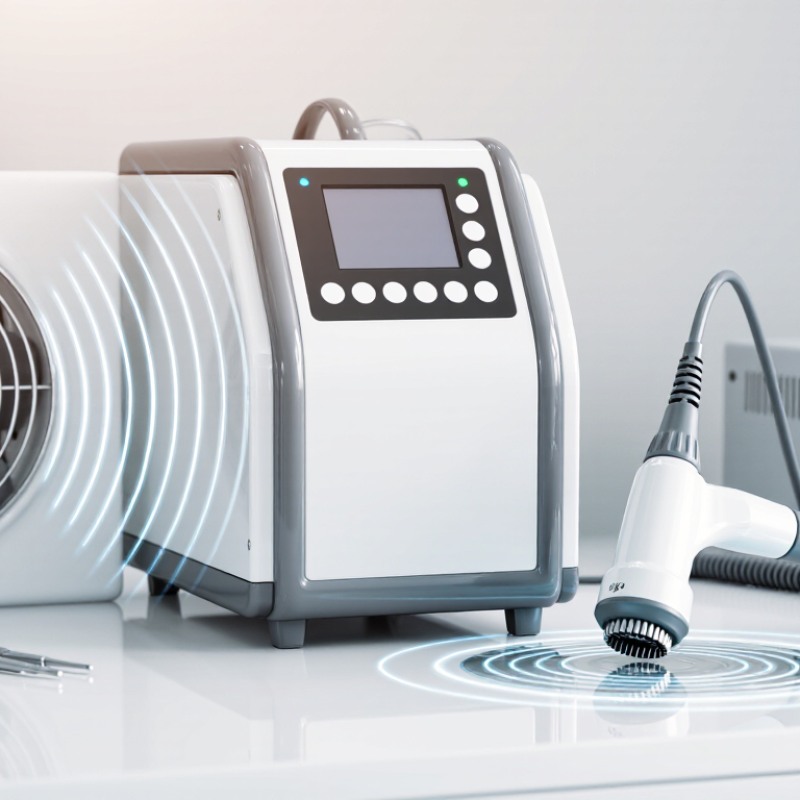
Notice the exact moment the sound begins. Does it appear at startup, only during treatment, or after the machine has been running for several minutes? A noise that changes with operating time may point to a different issue than one heard immediately. Record what the display shows and whether the sound changes when the handpiece is activated. Small details matter.
Then identify where the sound seems loudest, without opening the unit or touching moving parts. Listen from a safe distance near the main housing, cooling vents, cables, and handpiece holder. A tone near the vents may be related to airflow; one that follows handpiece use may come from that circuit. These are clues, not a diagnosis. Room reflections can fool your ears, so repeat the observation in a quiet space if practical.
Tips: Write down when the sound starts, its apparent location, and any warning indicators. Compare the notes with the machine’s operating instructions. Stop using the device if the noise is sudden, worsening, or accompanied by heat, vibration, or an error message. Ask a qualified service technician to inspect it. Don’t guess based on sound alone; even careful listening has limits.
A sharp whine from a cavitation machine is a reason to stop, not turn up the output. Switch the unit off, disconnect power according to its manual, and let the tank settle. Check the water level, liquid temperature, and load against the specified operating range. Low liquid, trapped air, or an unevenly placed workpiece can change the acoustic load. Small details matter.
Inspect accessible parts only after shutdown. Look for loose covers, blocked ventilation openings, damaged cables, or residue around the tank. Do not open electrical compartments unless qualified. Restart only when the setup matches the manufacturer’s instructions, then listen from a safe distance. If the tone returns, stop again. A phone recording can help compare sounds, but it cannot diagnose the cause.
Treat persistent noise as a maintenance issue. NIOSH’s Criteria for a Recommended Standard: Occupational Noise Exposure recommends limiting exposure to 85 dBA over eight hours, using a 3 dB exchange rate. That figure concerns cumulative noise exposure; it does not identify a fault or make a high-pitched tone harmless. Measure with suitable equipment, and ask a qualified technician to assess unexplained changes. I would not assume the machine is safe just because the sound seems quiet.
A high-pitched sound may come from a loose handpiece, a stressed cable, or a transducer that is not seated correctly. Switch off and unplug the machine before inspecting these parts. Check the handpiece for cracks, looseness, or dried gel around its contact surface. Follow the manual when cleaning; moisture inside a connector can cause faults. Inspect the cable ends and strain relief for bends, fraying, or a plug that shifts when gently touched. Reseat connections only as directed. Do not open the housing.
Acoustic cavitation literature places low-frequency cavitation commonly in the 20–100 kHz range (Ashokkumar, “The Characterization of Acoustic Cavitation Bubbles—An Overview,” Ultrasonics Sonochemistry, 2011). That operating energy is above ordinary hearing, so a sharp audible squeal may come from vibration or a connection fault, not the intended treatment sound. Still, sound alone cannot identify the failed part. If the noise changes with handpiece movement, or treatment output feels uneven, stop using the unit and arrange qualified service. IEC 60601-2-5 provides safety and performance requirements for physiotherapy ultrasound equipment; use the unit’s specified checks rather than guessing at acceptable output.
Tips: With power off, photograph each connection before reseating it. Note when the noise occurs and whether the handpiece feels unusually warm. Small clues matter.
A new, piercing whine often points to vibration, wear, or restricted flow. Switch off and unplug the machine before inspecting it. Check the outer panels, handles, and accessible fasteners for looseness; a vibrating cover can sound surprisingly sharp. Tighten only as the equipment manual permits. Don’t overtighten.
Look for worn hoses, cracked fittings, loose mounts, or debris around fluid inlets and filters. Confirm the liquid level and flow match the operating instructions. A blocked filter or kinked hose may make a pump strain, while worn bearings can produce a steady squeal. Note when the noise occurs: during startup, only under load, or continuously. That detail helps a technician narrow the cause. I wouldn’t assume every high note means a failed transducer.
If the sound persists, stop using the machine and arrange qualified inspection rather than opening an energized housing. Record the noise and measure its level from a consistent distance, if you have a sound meter.
NIOSH’s Criteria for a Recommended Standard: Occupational Noise Exposure (1998) recommends limiting exposure to 85 dBA over eight hours, with a 3 dB exchange rate. This is a worker-exposure guideline, not a machine fault threshold. High-pitched sounds can still merit attention even below it.
A high-pitched noise from a cavitation machine may come from its ultrasonic transducer, cooling fan, or a loose component. Do not assume it is harmless. Switch the unit off, let it cool, and inspect the handpiece cable, vents, and housing for visible damage or trapped debris. Never open the casing while the machine is connected to power. A new squeal, burning smell, unusual vibration, or unstable output calls for a stop, not another treatment.
Test the machine in a quiet room, following its manual and using the same settings that produced the noise. Note when the sound starts, whether it changes with output, and whether the handpiece or main unit seems to be its source. A sound-level meter can help document changes, but it cannot diagnose a fault.
NIOSH’s 1998 occupational-noise criteria report recommends limiting exposure to 85 dBA over eight hours; that is a worker-exposure guideline, not a machine-fault threshold.
If the noise persists, grows louder, or comes with reduced performance, contact a qualified service technician. Share your notes and avoid continued use until the unit is checked. Intermittent faults are easy to miss.
Tips: Record a short clip from a safe distance. Include the settings and time of the noise. Don’t put your ear near the transducer. A quick test can miss a problem.
Note whether it starts at startup, during treatment, or after several minutes. Small timing changes can matter.
Listen from a safe distance near the housing, vents, cables, and handpiece holder. Room echoes can mislead you.
Switch off and unplug the machine first. Check accessible panels, hoses, fittings, vents, and filters for looseness or visible debris.
Yes. A kinked hose or restricted filter may make a pump strain. Check liquid level and flow against the manual.
No. A fan, loose part, or other component may be involved. Sound alone cannot confirm the cause.
Stop if the noise is sudden or worsening, or comes with heat, vibration, an error message, burning smell, or unstable output. Don’t continue treatment.
Record the settings, display indicators, time the noise starts, and where it seems loudest. A short clip from a safe distance may help.
No. It can document changes, but it cannot identify the faulty part. A quick test can miss an intermittent problem.
A high-pitched sound from a cavitation machine can have several causes, so start by noting when it occurs and whether it seems to come from the handpiece, the main unit, or a specific cable. If you’re wondering, “why does my cavitation machine make a high pitched noise,” first turn the machine off and check that it is being used under the recommended operating conditions. Inspect the handpiece, transducer, and cable connections for poor contact, visible damage, or signs of wear.
Next, check for loose components or anything that may be obstructing the handpiece, and make sure all parts are properly secured before restarting the machine. Test it briefly in a suitable setting and listen for whether the noise changes or stops. If the sound persists, becomes louder, or is accompanied by unusual heat or inconsistent operation, stop using the machine and arrange a professional inspection rather than attempting complex repairs yourself.

V-Cest Beauty