The use of fractional CO2 lasers has gained popularity in cosmetic treatments. Yet, many patients experience significant burning sensations during and after procedures. This leads to the question: why does fractional CO2 laser burn so much? Understanding the mechanics of this technology can illuminate the reasons behind such discomfort.
These lasers target specific skin layers, promoting collagen production and skin renewal. However, the intensity of the treatment can lead to thermal damage. Factors like skin type, treatment depth, and technology settings play crucial roles. Clinicians must navigate these variables carefully.
Patient expectations can sometimes clash with the reality of post-procedure sensations. While results can be remarkable, the path to recovery is not always comfortable. This leaves room for reflection on how the treatment approach can balance efficacy with patient comfort. Ultimately, recognizing why fractional CO2 lasers have burning effects can improve both safety and satisfaction in skin resurfacing procedures.
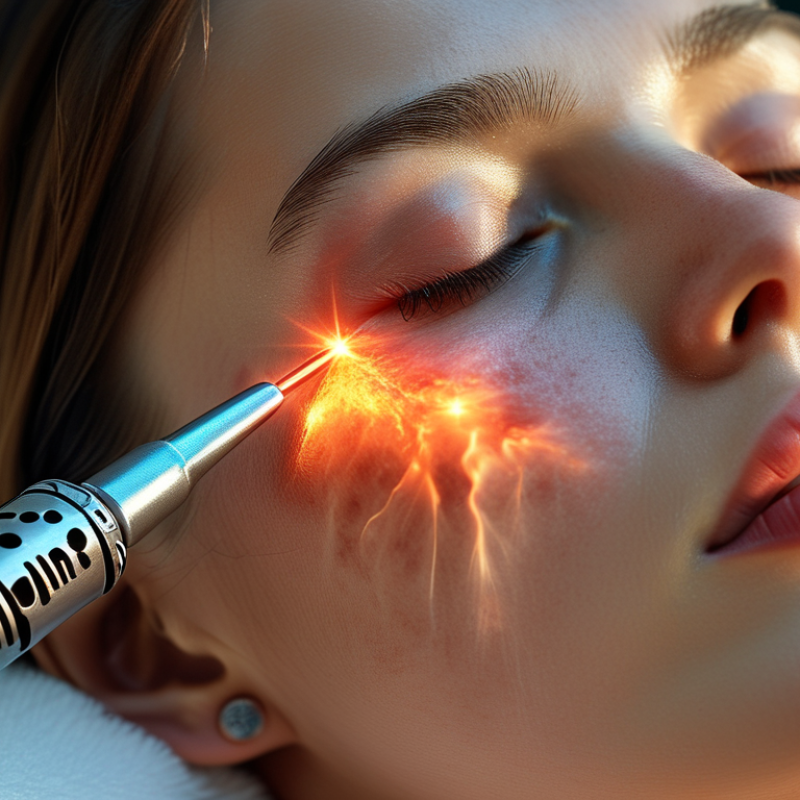
Fractional CO2 laser technology is a popular option for skin resurfacing. It works by creating thousands of microscopic wounds in the skin. This process promotes collagen production and skin renewal. However, such laser treatments can lead to burns and other side effects. Understanding the technology helps in managing expectations.
The fractional nature of the CO2 laser means it only treats a portion of the skin. It leaves surrounding tissues intact, which aids in healing. Despite this, patients may experience redness, swelling, or discomfort post-treatment. Skin sensitivity varies, and some may face prolonged healing times. Always discuss your skin type and concerns with a qualified professional before undergoing treatment.
Tip: Stay hydrated after treatment. Drinking plenty of water can aid recovery.
Additionally, using a soothing moisturizer can help reduce irritation. Avoid sun exposure to minimize complications during the healing process. Checking in with your expert about any unusual symptoms is crucial. This ensures a safe path to achieving clearer and smoother skin.
Fractional CO2 lasers work by creating thousands of microscopic wounds in the skin. The laser energy targets precise areas, allowing healthy tissue to encourage healing. This selective treatment helps reduce downtime and minimizes damage to surrounding skin. However, the burning sensation after the procedure can be intense for some patients.
The mechanism involves vaporizing skin cells, which triggers the body’s natural healing process. As the skin repairs itself, new collagen forms, helping to improve texture and tone. Many patients report temporary discomfort, which can vary depending on skin type and sensitivity. Proper aftercare is crucial to avoid excessive irritation.
It's essential for practitioners to assess individual cases. Differences in pain tolerance can lead to varied experiences. Education on what to expect post-treatment is vital. Understanding potential side effects can help patients prepare mentally and physically. Overall, while the fractional CO2 laser offers impressive results, it comes with challenges that require careful consideration.
Fractional CO2 laser treatment is known for its efficacy, but skin burning remains a common side effect. This burning often results from the high energy emitted during the procedure. According to a study published in the Journal of Dermatological Treatment, nearly 30% of patients reported varying degrees of skin burning after treatment. This phenomenon occurs as the laser targets the skin's deeper layers, causing thermal damage. Individuals with sensitive skin or certain skin types can be more prone to these adverse effects.
Understanding the cause of skin burning can help mitigate risks. Techniques like cooling the skin pre- and post-treatment can significantly reduce discomfort. A recent industry report indicates that effective cooling can minimize side effects by up to 40%. Additionally, selecting appropriate settings based on skin type and condition can reduce the likelihood of burns.
Here are a few tips to consider: Always consult a certified dermatologist for personalized treatment plans. Post-care to soothe the skin is crucial. Using hydrating and anti-inflammatory products can aid recovery. Keeping the skin protected from sun exposure also promotes better results. Understanding these aspects contributes to a safer and more effective treatment experience.
Fractional CO2 laser treatments are popular in skincare. However, they can lead to burning if not done correctly. Understanding the factors influencing the risk of burns is essential for safe application.
Skin type plays a significant role. Individuals with darker skin tones have a higher risk of hyperpigmentation after treatment. The treatment depth also matters. Deeper settings can yield better results but increase the likelihood of burns. Skilled practitioners assess your skin and adjust settings accordingly. Aftercare is crucial. Following post-treatment guidelines can reduce complications.
**Tips:** Always consult with a qualified professional before undergoing treatment. They should evaluate your skin and discuss potential risks. Use proper sunscreen and moisturizer after treatment to help healing. Be mindful that faster isn’t always better; rushing can lead to unwanted results. Listen to your skin’s response during recovery.
| Factor | Description | Impact Level | Recommended Mitigation |
|---|---|---|---|
| Laser Settings | Higher intensity and inappropriate pulse duration can increase burn risk. | High | Adjust laser settings according to skin type. |
| Skin Type | Certain skin types are more susceptible to burns. | Medium | Assess skin type properly before treatment. |
| Treatment Depth | Deeper penetration often leads to increased heating and potential burns. | High | Limit treatment depth based on patient tolerance. |
| Patient Sensitivity | Underlying skin conditions or previous treatments can heighten sensitivity to lasers. | Medium | Conduct thorough patient history and skin analysis. |
| Post-Treatment Care | Inadequate aftercare may increase the risk of burns. | Medium | Provide detailed post-care instructions to patients. |
| Environmental Factors | Heat and humidity levels in the treatment room can impact results. | Low | Maintain a controlled environment to ensure optimal conditions. |
Fractional CO2 laser treatment is effective, but it can cause burning and discomfort. Understanding mitigation strategies can help improve the experience and outcomes. Post-treatment pain and skin damage are common concerns. However, with proper care, these issues can be minimized.
Before undergoing treatment, consider skin preparation. Moisturizing your skin can create a protective barrier. Use a gentle cleanser and avoid harsh products. Discuss any skin conditions with your practitioner. This step is crucial for tailored care. During the treatment, your provider should adjust settings based on your comfort level. Communicating with them is essential.
Cooling techniques can greatly reduce discomfort. Ice packs or cooling gels applied before and after treatment provide relief. Over-the-counter pain relief may also be an option. Hydration is key post-treatment. Drinking water helps the skin heal and reduces inflammation. Avoid sun exposure and wear sunscreen diligently. Skin resembles a fresh canvas and needs protection.
Finding the right balance in expectations and care is vital. Some patients experience more discomfort than expected. This calls for reflection on individual pain tolerance. Listen to your body and seek advice if concerns arise. Always remember that recovery varies, and patience is necessary. Each experience aids in understanding this complex treatment.
: They create microscopic wounds in the skin, allowing healthy tissue to promote healing.
The laser vaporizes skin cells, triggering the body’s natural healing process.
Some patients report intense burning sensations, but experiences vary.
Proper aftercare helps to avoid irritation and supports the healing process.
Skin type, treatment depth, and practitioner skill play significant roles in burn risk.
Yes, darker skin tones are more prone to hyperpigmentation after treatment.
Always use sunscreen and moisturizer to aid in healing and prevent complications.
Look for someone qualified who will assess your skin and discuss potential risks.
Rushing can lead to unwanted results; listening to your skin is crucial.
Yes, while results can be impressive, challenges exist that require careful consideration.
The article "Why Does Fractional CO2 Laser Cause So Much Burning?" explores the underlying technology and mechanisms of fractional CO2 lasers, which are widely used in skin resurfacing treatments. It explains how these lasers work by creating microscopic thermal zones in the skin, stimulating collagen production and skin regeneration. However, this process can lead to significant side effects, particularly skin burning, which raises the question: why does fractional CO2 laser burn so much?
Several factors contribute to the risk of burning during these treatments. Variables such as skin type, treatment settings, and the experience of the practitioner can greatly influence outcomes. The article also discusses mitigation strategies to help reduce pain and minimize skin damage, thereby enhancing the safety and effectiveness of fractional CO2 laser procedures. Understanding these aspects is crucial for both practitioners and patients to navigate the potential risks associated with this treatment.

V-Cest Beauty