Understanding why your skin feels different after a HydraFacial can be confusing. Many people experience skin purging after this treatment. This phenomenon is often alarming, leading to questions like, "why is my skin purging after hydra facial?"
HydraFacial is designed to cleanse and exfoliate the skin. It removes dead skin cells and deeply hydrates. However, as toxins are expelled, some clients notice breakouts. This reaction varies by individual, related to skin type and the products used. It's not necessarily bad, but it can be uncomfortable.
Moreover, reactions may show underlying issues that need attention. Consider how skincare routines and lifestyle factors contribute to your skin's reactions over time. Recognizing patterns can help you manage the purging phase better. Your skin is revealing its needs, and paying attention is vital. In this article, we will explore ten reasons for post-HydraFacial skin purging to help you understand this common experience.
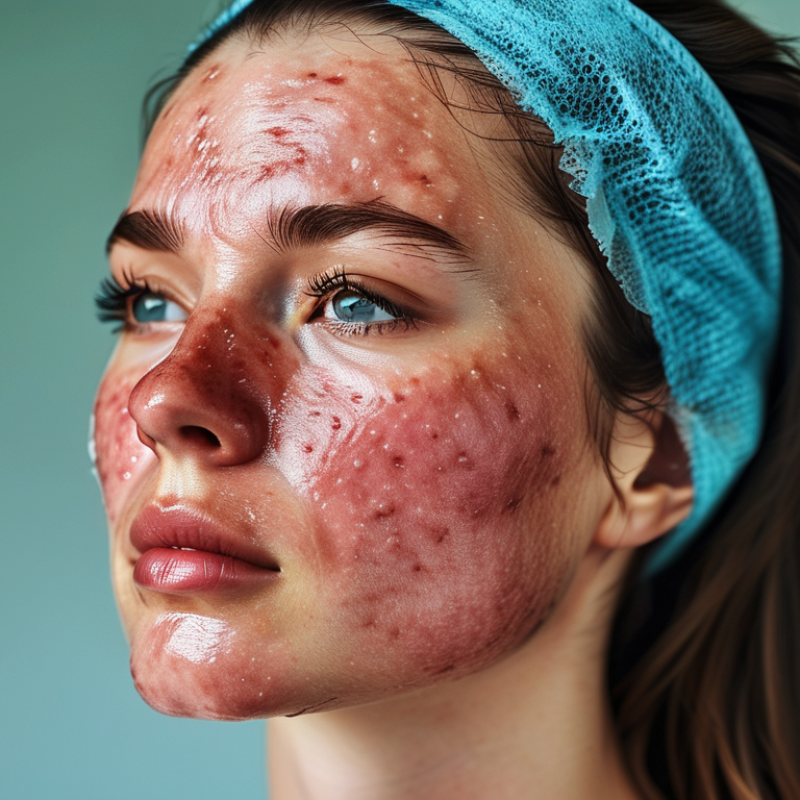
After a HydraFacial treatment, skin purging is a common phenomenon. Understanding its causes can help clients navigate the post-treatment phase. During a HydraFacial, exfoliation and deep cleansing occur, promoting the expulsion of impurities and dead skin cells. According to the Journal of Clinical Aesthetic Dermatology, this can lead to an initial breakout as underlying clogs are forced to the surface.
This purging process usually occurs within a week after treatment. The skin's response can vary significantly among individuals. People with oily or acne-prone skin may notice more pronounced effects. Research indicates that up to 30% of clients experience an increase in blemishes after such treatments. It's essential to distinguish between purging and a typical breakout. Purging typically resolves within a few weeks, while standard acne blemishes may linger longer.
Despite the potential for frustration, professionals suggest that this is often a necessary part of the skin’s healing process. Clients should remain patient. They might consider using gentle topical treatments to soothe irritation. Feedback from clients highlights that understanding these nuances can alleviate anxiety. While it is crucial to promote healthy skin, the journey can be imperfect. Embracing this complexity allows for realistic expectations and better skincare outcomes.
After experiencing a Hydra Facial, some individuals may notice their skin purging. This reaction can be unsettling but is a common phenomenon. One of the primary causes of skin purging is the deep exfoliation that occurs during the treatment. Exfoliation stimulates cell turnover, pushing old skin cells and impurities to the surface. This process may result in breakouts or irritations.
Another reason for skin purging is the introduction of new products and ingredients. Hydra Facials typically utilize serums infused with potent actives that can initially disrupt your skin's balance. Sensitive skin may react poorly to these new ingredients, manifesting as redness or small bumps. It's important to recognize that this response can be temporary, and assessing your skin's tolerance to new products is essential.
Moreover, stress and lifestyle factors also contribute to the purging process. If you've recently changed your diet or experienced emotional stress, your skin may respond accordingly. This reflects the interconnectedness of skin health and overall well-being. While uncomfortable, purging can serve as a reminder to listen to your skin's needs, addressing any underlying issues.
After a HydraFacial, many people notice changes in their skin. It is essential to understand the difference between skin purging and breakouts. Skin purging results from the rapid process of exfoliation and cellular turnover. The treatment encourages deeper impurities to rise to the surface. This typically happens within one to two weeks after the facial.
Breakouts, on the other hand, can indicate an adverse reaction to the products used during the treatment. These blemishes often differ from purging in duration and intensity. Breakouts may last longer and appear in new areas of the face. In contrast, purging usually presents as small, localized pimples in areas where breakouts already occurred.
Understanding these differences can ease anxiety after a facial. Purging can feel uncomfortable, and it often makes people second-guess their skincare routine. It’s important to maintain a gentle regimen during this stage. Over-treating the skin may worsen the condition. This time requires patience and a focus on nourishing the skin rather than further scrubbing or applying heavy products. Listening to your skin and adjusting your approach is vital in recognizing what it truly needs during this transitional phase.
Experiencing skin purging after a Hydra Facial can be unsettling. It’s a sign that your skin is adjusting to new treatments. Understanding how to manage this process effectively can help ease the discomfort.
One useful tip is to maintain a consistent skincare routine. Stick to gentle cleansers and avoid harsh products during this time. Over-exfoliating can exacerbate purging symptoms. Use a basic moisturizer to maintain hydration, as dry skin may intensify reactions. Don’t be discouraged if results aren't immediate. Healing takes time, and every skin type reacts differently.
Another important aspect to consider is diet. Hydration plays a key role in skin health. Drink plenty of water to help flush toxins from your body. Incorporating foods rich in antioxidants, like berries and leafy greens, can also support skin recovery. Monitor your skin's response to changes in diet, as certain foods can trigger breakouts. Staying aware of how your body reacts can guide you in making better choices for your skin.
Lastly, patience is vital. Skin purging may seem overwhelming, but it’s often a temporary phase. Reflect on your skincare journey and be gentle with yourself during this time. Each step, whether smooth or bumpy, contributes to your skin health.
Purging can be confusing and frustrating, especially after a
Hydra Facial. This treatment aims to deeply cleanse and rejuvenate your skin.
However, when the skin starts to purge, it may lead to breakouts and irritation. Understanding when to consult a
dermatologist about skin purging is crucial.
If you notice consistent irritation lasting more than a week, it's time to seek professional help.
Redness, swelling,
and severe breakouts aren't typical aftercare responses.
Your skin might be reacting to the products used during the treatment. A dermatologist can assess your skin and provide
personalized recommendations. This is vital for maintaining skin health and preventing long-term damage.
Another reason to consult a specialist is if you have
sensitive skin. If you experience unusual reactions, it’s wise to discuss
these with a dermatologist. There might be underlying conditions affecting your skin.
Getting expert advice can guide you in managing your skincare routine effectively, ensuring you don’t
unintentionally worsen the situation. Your skin is unique and
may need more than just standard advice.
: Skin purging is the expulsion of impurities and dead skin cells, leading to an initial breakout.
Purging typically occurs within a week and usually resolves within a few weeks.
People with oily or acne-prone skin are likely to notice more pronounced purging effects.
Purging resolves faster than standard acne blemishes, which can linger longer.
Seek help if irritation lasts more than a week or if you notice severe breakouts.
Consistent redness, swelling, or unusual reactions indicate a need for a dermatologist's care.
Yes, sensitive skin may react differently, so discussing concerns with a dermatologist is wise.
Consider using gentle topical treatments to relieve irritation and calm your skin.
Yes, patience is key. Embrace the complexity of the purging process for better outcomes.
If purging doesn't improve or worsens, revisiting your skincare routine with a professional is essential.
After receiving a Hydra Facial, many individuals may wonder, "why is my skin purging after hydra facial?" This phenomenon, often characterized by increased breakouts or skin irritation, can be attributed to the deep exfoliation and extraction involved in the treatment. The Hydra Facial process stimulates cell turnover and can bring underlying impurities to the surface, leading to temporary purging of the skin.
It is crucial to distinguish this purging from typical breakouts, as purging is a sign that the skin is adjusting and clearing out clogged pores. To effectively manage skin purging, following a gentle skincare routine, avoiding harsh products, and keeping the skin hydrated are recommended. If concerns persist or worsen, consulting a dermatologist is advisable to ensure proper skin care and address any underlying issues.

V-Cest Beauty