When considering IPL treatments for dark skin, it’s essential to understand the unique challenges and outcomes. IPL, or Intense Pulsed Light, is a popular hair removal method. Many people wonder, "what happens if you use IPL on dark skin?" Darker skin tones have more melanin, which can absorb more light energy. This can lead to increased risks of burns or pigmentation changes.
Experts emphasize the importance of tailored treatments. Not every IPL device is suitable for dark skin. Selecting a device specifically designed for higher melanin levels is crucial. Consulting with a professional can provide clarity on potential results and risks. Individual responses to IPL treatments can vary widely. Some may experience positive outcomes, while others may need multiple sessions to see any improvement.
Real experiences show that while IPL can be effective, it can also lead to unexpected reactions. Some individuals report uneven skin tone post-treatment, highlighting the need for professional guidance. The excitement of IPL should be balanced with a realistic understanding of its effects on diverse skin types. Each treatment journey is unique, urging users to approach with caution and informed expectations.
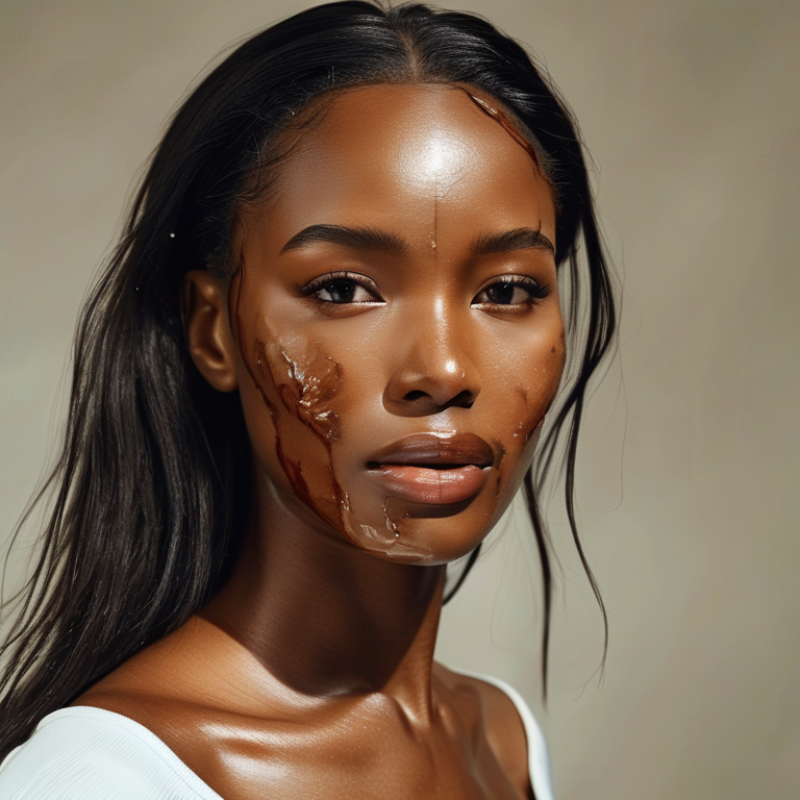
Understanding IPL treatments for dark skin involves nuances that are crucial for effective results. Intense Pulsed Light (IPL) therapies can offer skin rejuvenation and help with pigmentation issues. However, not all skin types respond similarly. Darker skin contains more melanin, which can affect how the skin absorbs light energy. This aspect requires specialized approaches in treatment protocols.
Patients with dark skin should expect a thorough skin assessment before treatment. Professionals often gauge the skin type and condition. Safety measures are essential to prevent adverse effects, such as hyperpigmentation. Multiple sessions may be necessary to achieve desired outcomes, and patience is vital. Visibility of results might take longer compared to lighter skin tones.
Communication with practitioners is key. Discuss concerns and preferences openly. Each individual's response to IPL can vary widely. Some find the process uncomfortable. Others may see minimal side effects, while some experience temporary redness. It’s important to manage expectations and remain cautious about any treatment that claims instant results. The journey toward beautiful skin involves understanding both potential and limitations.
When considering IPL treatments for dark skin, specific factors must be addressed. Darker skin tones have more melanin, which can absorb light differently. This means higher risks of burns or discoloration if the treatment is not properly adjusted. Choosing a skilled technician is essential for safe and effective results.
Tips for preparation may include doing a patch test before the full treatment. This helps gauge the skin's reaction. Keep the skin hydrated and avoid sun exposure before the session. Sun damage can increase sensitivity.
Post-treatment care is crucial for darker skin types. Use a gentle moisturizer to soothe the skin. It's also wise to avoid harsh skincare products for several days. Lightening creams may seem tempting, but they can irritate the skin. Reflection on skin reactions helps you understand what works best. Each person's skin is unique; tailor treatments accordingly.
IPL treatments can offer significant improvements for those with dark skin tones. However, results can vary. Many patients report a reduction in hyperpigmentation and smoother skin texture. This process often targets dark spots caused by sun exposure or hormonal changes. The laser works by breaking down melanin, which can lead to a more even skin tone.
It's important to manage expectations. Not everyone sees immediate results. Some may experience temporary redness or swelling post-treatment. The skin may require time to heal properly. Multiple sessions are usually recommended for optimal outcomes. Consulting a qualified practitioner enhances safety and effectiveness. Their experience can guide individuals in understanding personalized treatment plans.
Realistic results might take weeks to appear fully. Patience is crucial during this journey. Each person's skin responds differently to IPL. A tailored approach is vital, as some may need adjustments in treatment frequency or intensity. Keeping a close follow-up with a specialist can help address any concerns or side effects. This process is about gradual improvements rather than instant perfection.
When considering IPL treatments for dark skin, it's vital to understand potential side effects. Patients with darker skin tones have increased melanin, which may lead to blistering or hyperpigmentation after treatment. A study by the Journal of Clinical and Aesthetic Dermatology noted that up to 30% of individuals experienced these post-treatment concerns.
Moreover, the risk of unwanted pigmentation changes highlights the need for caution. Skin reactions, such as redness and swelling, can occur and typically resolve within a few days. However, some individuals report persistent sensitivity. Expert dermatologists suggest doing a patch test to observe how one's skin reacts to the light energy used in IPL.
Additionally, proper skin care before and after treatment, such as using broad-spectrum sunscreen, is crucial. A well-renowned dermatology guide emphasizes that patients should avoid sun exposure to minimize adverse reactions. Understanding these risks helps set realistic expectations and fosters informed decision-making for individuals with darker skin tones. This approach ensures safer experiences and enhances the overall effectiveness of IPL treatments.
| Treatment | What to Expect | Potential Side Effects | Precautions |
|---|---|---|---|
| Treatment 1 | Reduction in dark spots, smooth texture | Mild swelling, redness | Avoid sun exposure |
| Treatment 2 | Improved skin tone | Temporary pigmentation changes | Patch test recommended |
| Treatment 3 | Brighter skin appearance | Skin dryness | Moisturize after treatment |
| Treatment 4 | Even skin tone | Allergic reactions | Consult a dermatologist |
| Treatment 5 | Reduced hair growth | Skin irritation | Avoid harsh products |
| Treatment 6 | Smoother skin texture | Post-inflammatory hyperpigmentation | Use sunscreen diligently |
| Treatment 7 | Improved skin clarity | Burning sensation | Cool compress may help |
| Treatment 8 | More uniform complexion | Sensitivity | Avoid exfoliation post-treatment |
| Treatment 9 | Reduction in scars | Itching | Do not scratch the area |
| Treatment 10 | Youthful appearance | Swelling and bruising | Attend follow-up appointments |
Post-treatment care is essential for achieving the best results after IPL treatments, especially for dark skin. It is crucial to keep the skin well-hydrated. Use a gentle, soothing moisturizer to maintain moisture balance. This helps in healing and reduces the chance of irritation.
Sun protection is another vital aspect of post-treatment care. Apply a broad-spectrum sunscreen with at least SPF 30. This shields the skin from harmful UV rays and prevents pigmentation issues. Avoid sun exposure as much as possible during the healing process.
Monitor your skin for any unusual changes after the treatment. Redness and swelling can be normal, but excessive discomfort should be addressed with a professional. Be patient as results may vary and take time. Remember, every skin responds differently, and it's essential to follow a customized care routine for optimal outcomes.
: Expect a thorough skin assessment. Practitioners will evaluate your skin type and condition.
Dark skin contains more melanin. This affects how skin absorbs light energy during treatment.
No, results may take weeks to appear. Patience is crucial for optimal outcomes.
Possible side effects include redness, swelling, or even hyperpigmentation. Some may experience prolonged sensitivity.
Multiple sessions are often recommended for best results. Each person's needs may vary.
Yes, proper skin care is vital. Use broad-spectrum sunscreen and avoid sun exposure.
Some find the process uncomfortable. Discuss any concerns with your practitioner beforehand.
Yes, a patch test can help gauge your skin's reaction to the light energy.
Many report smoother skin and reduced hyperpigmentation after treatment. Results can vary.
Open and honest discussions about concerns and preferences are essential for a tailored approach.
Intense Pulsed Light (IPL) treatments can be effective for various skin concerns, but individuals with dark skin types must approach these procedures with caution. Understanding how IPL works is crucial, as it targets pigmentation and vascular issues. However, dark skin can absorb light differently, which may lead to unexpected outcomes. Therefore, it is essential to consider specific factors regarding skin type and pigmentation when utilizing IPL.
What happens if you use IPL on dark skin may vary, but there is a greater risk of potential side effects such as hyperpigmentation or hypopigmentation. Thus, proper precautions and assessments by qualified professionals are vital before undergoing treatment. Post-treatment care plays a significant role as well, ensuring optimal results while minimizing risks. By being informed and adequately prepared, those with darker skin can safely explore the benefits of IPL treatments.
V-Cest Beauty