Explore our high-performance optical, diode laser, cryolipolysis, and multi-wave therapy hardware engineered for maximum clinical efficacy.
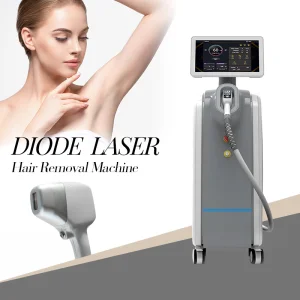
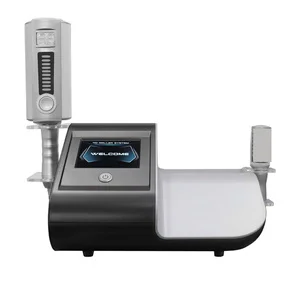
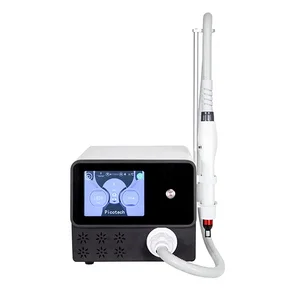
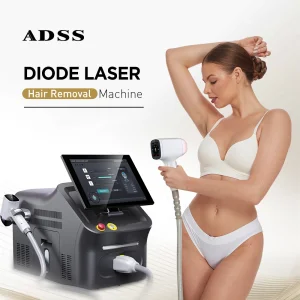
Technical analysis of therapeutic light-emitting diode manufacturing, optical density, and global B2B procurement trends.
Photobiomodulation (PBM)—formerly designated as Low-Level Laser/Light Therapy (LLLT)—utilizes non-thermal light sources within the visible and near-infrared (NIR) spectrum (400–1100 nm) to induce photo-physico-chemical reactions within biological target tissue. At the structural epicenter of this biological mechanism is Cytochrome c Oxidase (CCO), Unit IV of the mitochondrial respiratory chain.
When specific optical wavelengths encounter CCO, nitric oxide (NO) is photodissociated from the catalytic iron-copper centers. This reversal permits an uninhibited influx of oxygen binding, escalating the Mitochondrial Membrane Potential (MMP), triggering accelerated Synthesis of Adenosine Triphosphate (ATP), and modulating Reactive Oxygen Species (ROS). The downstream transcription factor signaling (such as NF-kB and AP-1) leads to heightened cell proliferation, collagen synthesis, and systemic micro-vascular vasodilation.
The global professional light therapy market is experiencing an unprecedented CAGR of 11.4%, driven by shifts in consumer preference toward non-invasive aesthetic treatments, post-surgical dermatological recovery, and systemic pain management. Commercial buyers—ranging from multi-location medical spas to clinical aesthetic distributors—are moving away from legacy IPL and monogenic laser fixtures in favor of high-irradiance LED panels, full-body light beds, and specialized multi-wavelength platforms.
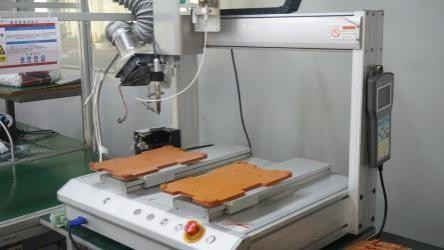
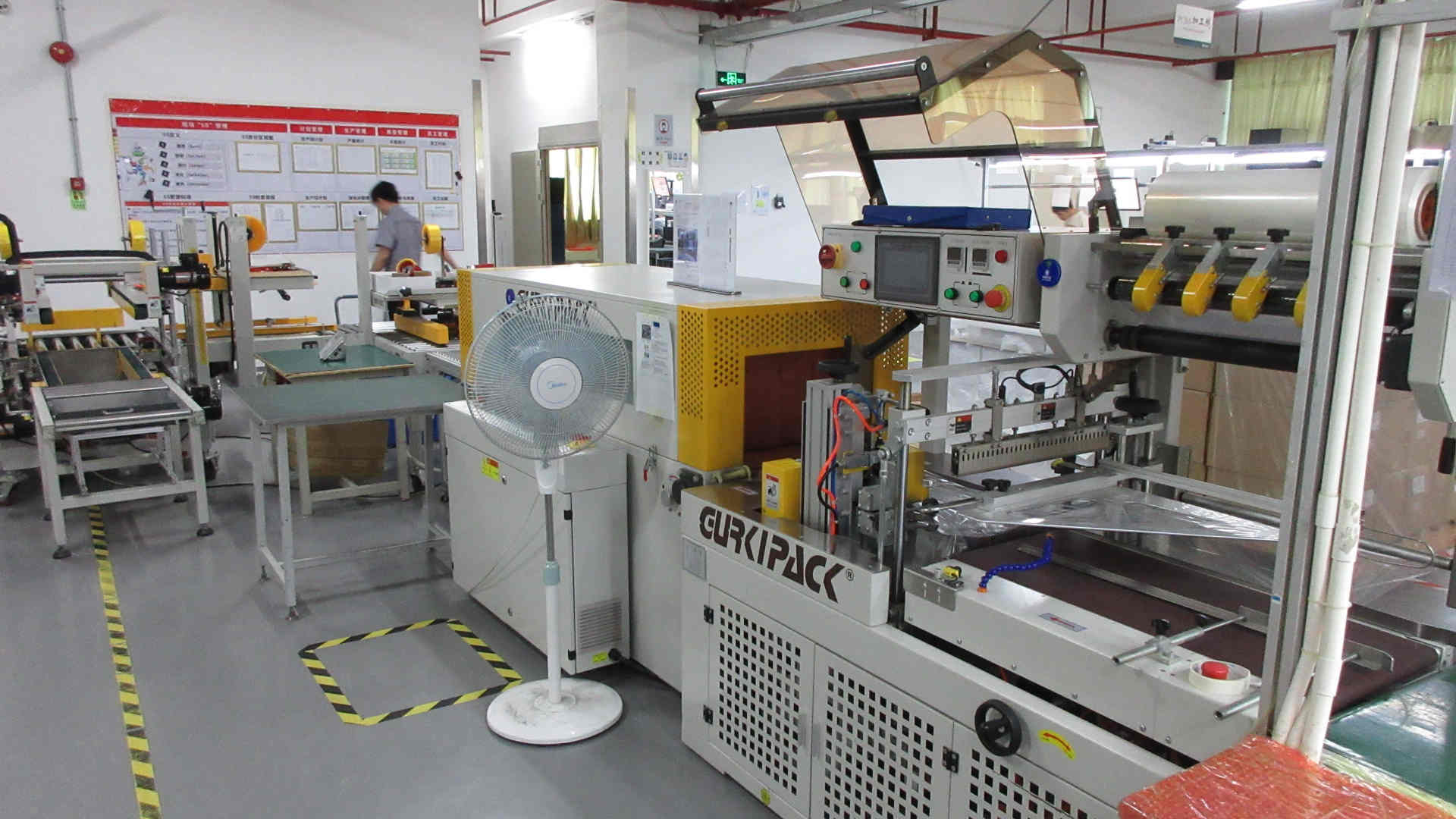
Original Equipment Manufacturers (OEMs) in China have transitioned from low-cost assembly to advanced optoelectronic research. China now produces over 78% of the world’s high-power medical-grade light therapy hardware, leveraging integrated semiconductor foundries, precise SMT automated assembly lines, and rigorous optical quality control frameworks.
Decoupling power output, irradiance density, beam angles, and chip packaging protocols for professional-grade phototherapeutic devices.
In commercial light therapy manufacturing, optical efficacy is dictated by three primary parameters: Wavelength Specificity, Target Irradiance (mW/cm²), and Total Energy Fluence (J/cm²). Cheap consumer-grade arrays frequently suffer from wide spectral dispersion (broad FWHM), leading to wasted optical energy and poor clinical tissue penetration.
| Wavelength Band | Target Chromophore / Depth | Primary Clinical Application | Optical Target Parameters |
|---|---|---|---|
| Blue Light (415 nm ± 5nm) | Porphyrins (P. acnes) Epidermis (0.1–0.5 mm) |
Acne Vulgaris, Sebaceous Gland Regulation, Surface Anti-Microbial Action | 40 - 60 mW/cm² Narrow FWHM (< 12nm) |
| Yellow/Amber Light (590 nm ± 5nm) | Hemoglobin & Dermal Lymphatics Upper Dermis (0.5–2.0 mm) |
Erythema Reduction, Rosacea, Skin Micro-Circulation, Melasma Inhibition | 30 - 50 mW/cm² Pulse Modulated |
| Deep Red Light (630–660 nm) | Cytochrome c Oxidase Mid-Dermis (2.0–3.0 mm) |
Collagen Neogenesis, Fibroblast Activation, Fine Line & Wrinkle Reduction | 80 - 120 mW/cm² High Output Surface Arrays |
| Near-Infrared / NIR (810–850 nm) | Deep CCO / Mitochondrial Membranes Subcutaneous / Muscular (3.0–8.0 mm) |
Deep Tissue Repair, Joint Pain Relief, Post-Surgical Inflammation, Wound Healing | 100 - 150 mW/cm² Dual-Chip Optic Lens (30° Angle) |
Modern factory designs utilize Chip-On-Board (COB) technology alongside Surface Mount Device (SMD) 3528/5050 LEDs. COB offers multi-chip density, delivering up to 3x optical flux per square centimeter, reducing panel footprint while enhancing beam homogeneity without hotspot thermal degradation.
Standard LED chips project at a wide 120° dispersion, scattering light energy. Our specialized factory platforms integrate 30° or 60° PMMA secondary optical convex lenses, focusing photons directly into dermal tissues to achieve deep tissue penetrance without power decay.
LED junction temperature directly correlates with wavelength shift and luminous degradation. High-end Chinese manufacturing incorporates pure aluminum substrate PCBs, whisper-quiet magnetic levitation cooling fans, and active thermal throttle protection to maintain constant power output.
From medical dermatology suites to commercial wellness centers—customizing hardware for specialized regional markets.
In North American and European clinical practices, light therapy units are regularly deployed for pre-treatment skin conditioning and post-laser recovery. Combining 830nm NIR with 630nm Red light dramatically reduces post-fractional laser erythema and accelerates re-epithelialization following chemical peels or micro-needling. Clinical setups require FDA 510(k) cleared hardware featuring preset clinical protocols, contactless articulated arms, and high-dose localized exposure controls.
Commercial MedSpas demand high throughput and hands-free operation. Full-body LED therapy beds and ergonomic face/neck canopy panels allow aesthetic practitioners to offer standalone anti-aging, acne clearance, and skin-brightening treatments or bundle PBM into microdermabrasion and hydro-facial sessions. Systems designed for this sector prioritize touch-screen UI customization, durable acrylic covers, and automated hygiene protocols.
In athletic recovery centers across Latin America, Australia, and the Middle East, high-intensity NIR full-body light chambers are used to suppress delayed onset muscle soreness (DOMS), alleviate joint stiffness, and stimulate systemic lymphatic drainage. Commercial configurations emphasize robust high-wattage driver modules, reinforced structural alloy frames, and integrated Bluetooth client control interfaces.
Fast-growing beauty-tech brands rely on Chinese OEM manufacturing for compact, flexible silicone LED masks, hand-held targeted lights, and anti-hair-loss helmet devices. Factory options include medical-grade food-safe silicone molding, custom app integration, localized plug configurations, and custom private-label box packaging ready for global retail distribution.
Different market demographics present unique skin phototypes (Fitzpatrick Scales I–VI). Our factory provides custom spectral ratios—for instance, increasing 590nm Amber allocation in Asian markets for anti-pigmentation and melasma protocols, while boosting 850nm NIR density in Western markets focused on deep collagen anti-aging and athletic muscle recovery.
Inside Beijing V-Cest Beauty Co., Ltd.—A vertically integrated leader in aesthetic technology manufacturing.
Beijing V-Cest Beauty Co., Ltd. is an international enterprise specializing in the R&D, structural engineering, optical calibration, and global export of high-end aesthetic and beauty equipment. Dedicated to bringing China’s advanced beauty technology and intelligent manufacturing capabilities to the global market, our core business spans professional diode laser hair removal, photo-therapeutic LED platforms, body contouring systems, space plasma equipment, and advanced facial rejuvenation devices.
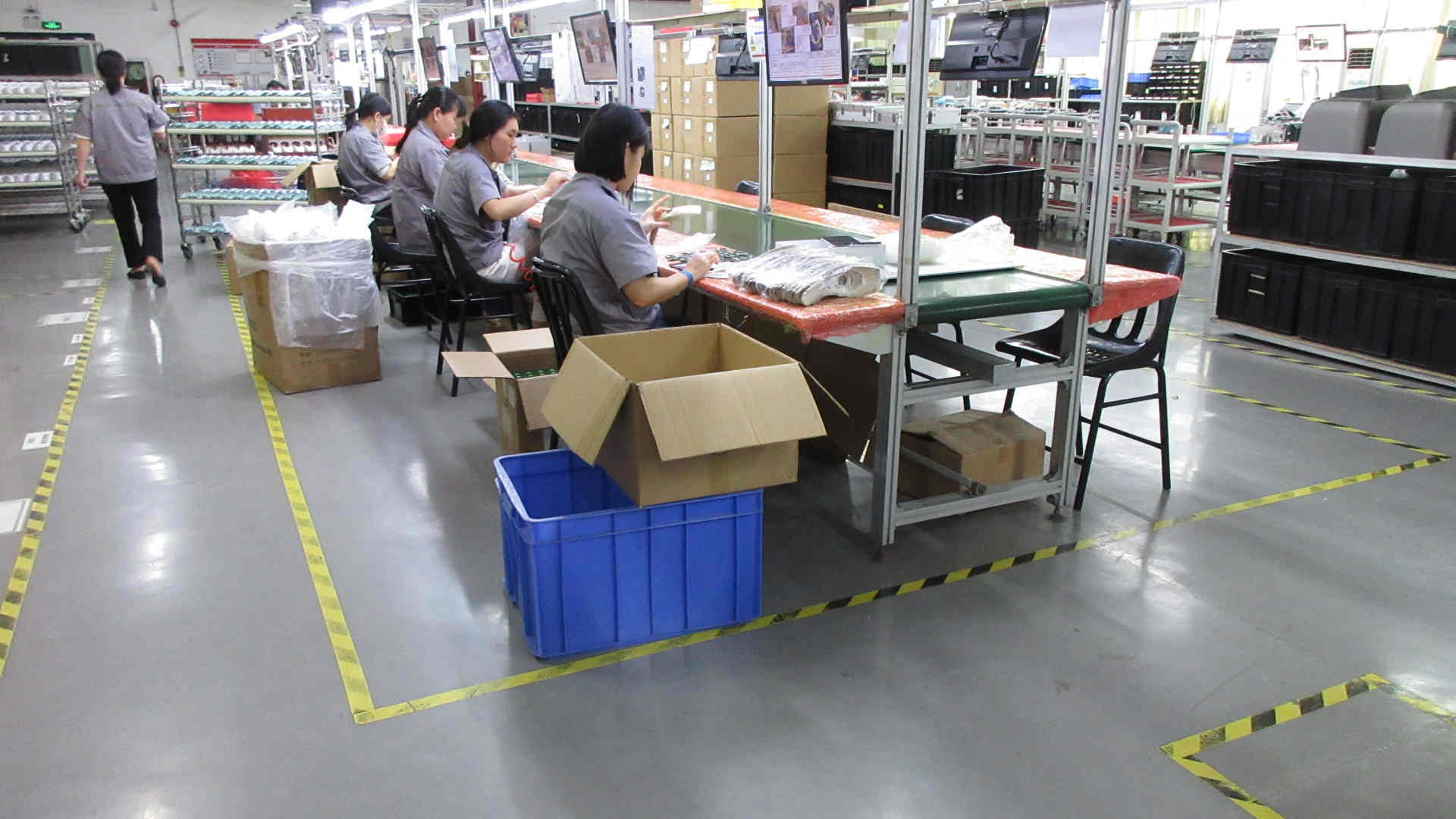
With a well-established vertically integrated supply chain and extensive industry expertise, Beijing V-Cest Beauty has built a formidable competitive advantage in product engineering, stringent quality control, and localized international service support. Our production facilities maintain rigorous ISO 13485:2016 quality management protocols, ensuring that every piece of equipment leaving the factory lines fulfills international medical and commercial compliance standards.
Navigating international regulatory frameworks with custom engineering, branding, and localized technical infrastructure.
All devices engineered by Beijing V-Cest Beauty comply with stringent global standards including Medical CE (MDR 2017/745), ISO 13485:2016, RoHS, and US FDA 510(k) pathway readiness. Complete technical master files (TMF) and safety testing reports (IEC 60601-1, IEC 60601-2-57) are provided to distributors for rapid local regulatory clearance.
We provide full-spectrum OEM and ODM support: from industrial chassis design, 3D prototyping, custom UI/UX screen design, software firmware customization, to custom spectrum mixing (Red, Blue, NIR, Yellow, Green, Amber). Co-branding and private label solutions enable clients to build distinctive regional market leadership.
Spanning mature and emerging markets across North America, Europe, Russia, Central Asia, the Middle East, South America, and Southeast Asia, our logistics network provides door-to-door (DDP) air/sea freight, local spare parts fulfillment hubs, 24/7 online engineering support, and comprehensive video technical training modules.
Explore our specialized plasma, cavitation, microdermabrasion, and fractional CO2 platforms for complete clinical versatility.
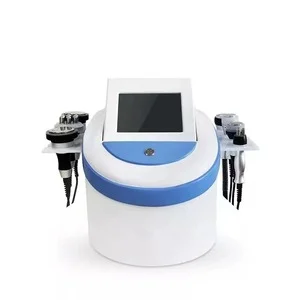
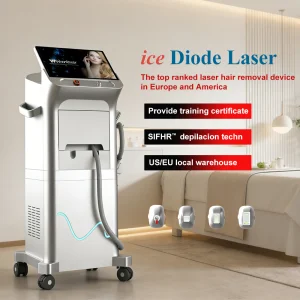
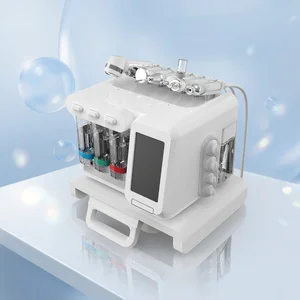
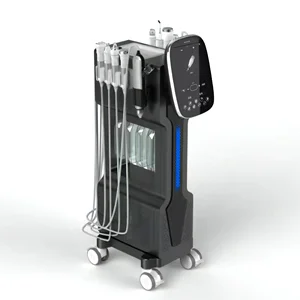
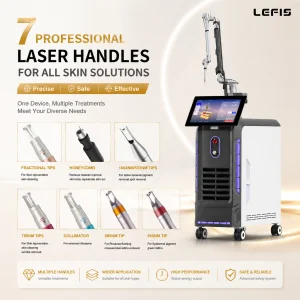
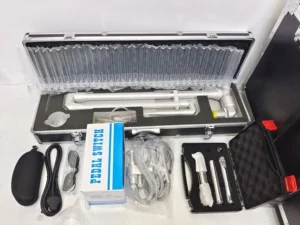
Technical guidance, order logistics, certification pathways, and OEM customization details for procurement managers.
China represents the global epicenter of optoelectronic and semiconductor manufacturing integration. Sourcing directly from an established manufacturer like Beijing V-Cest Beauty Co., Ltd. eliminates intermediate markup while granting distributors direct access to cutting-edge R&D, rapid custom tooling, industrial-grade components (such as German-imported laser bars and high-power SMT LEDs), and strict ISO 13485 quality oversight at scalable unit costs.
Irradiance measures the amount of optical power delivered per unit area, expressed in milliwatts per square centimeter (mW/cm²). We utilize calibrated Spectroradiometers and Thermal Power Sensors placed at standardized distances (e.g., 0 cm, 5 cm, and 10 cm). Unlike low-end suppliers who quote theoretical LED chip maximums, V-Cest Beauty provides laboratory-verified net irradiance numbers, ensuring accurate clinical dosing (Fluence in J/cm²).
Our turnkey OEM/ODM services cover structural exterior housing design, custom injection mold creation, metallic color finishing, screen software UI customization (brand logos, multi-language support), proprietary optical spectrum formulation (combining custom ratios of 415nm, 590nm, 660nm, 850nm), custom packaging, and private label branding.
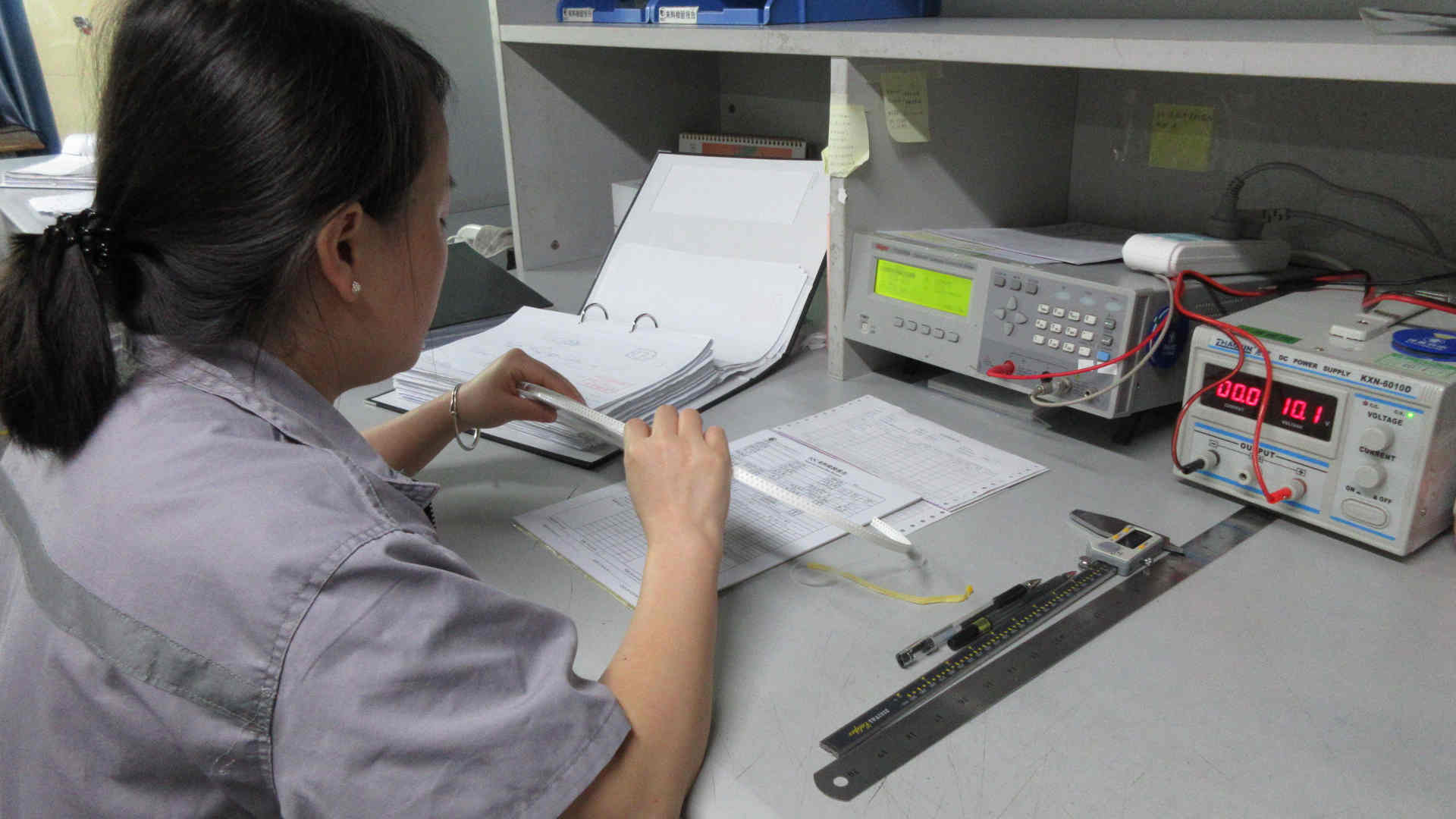
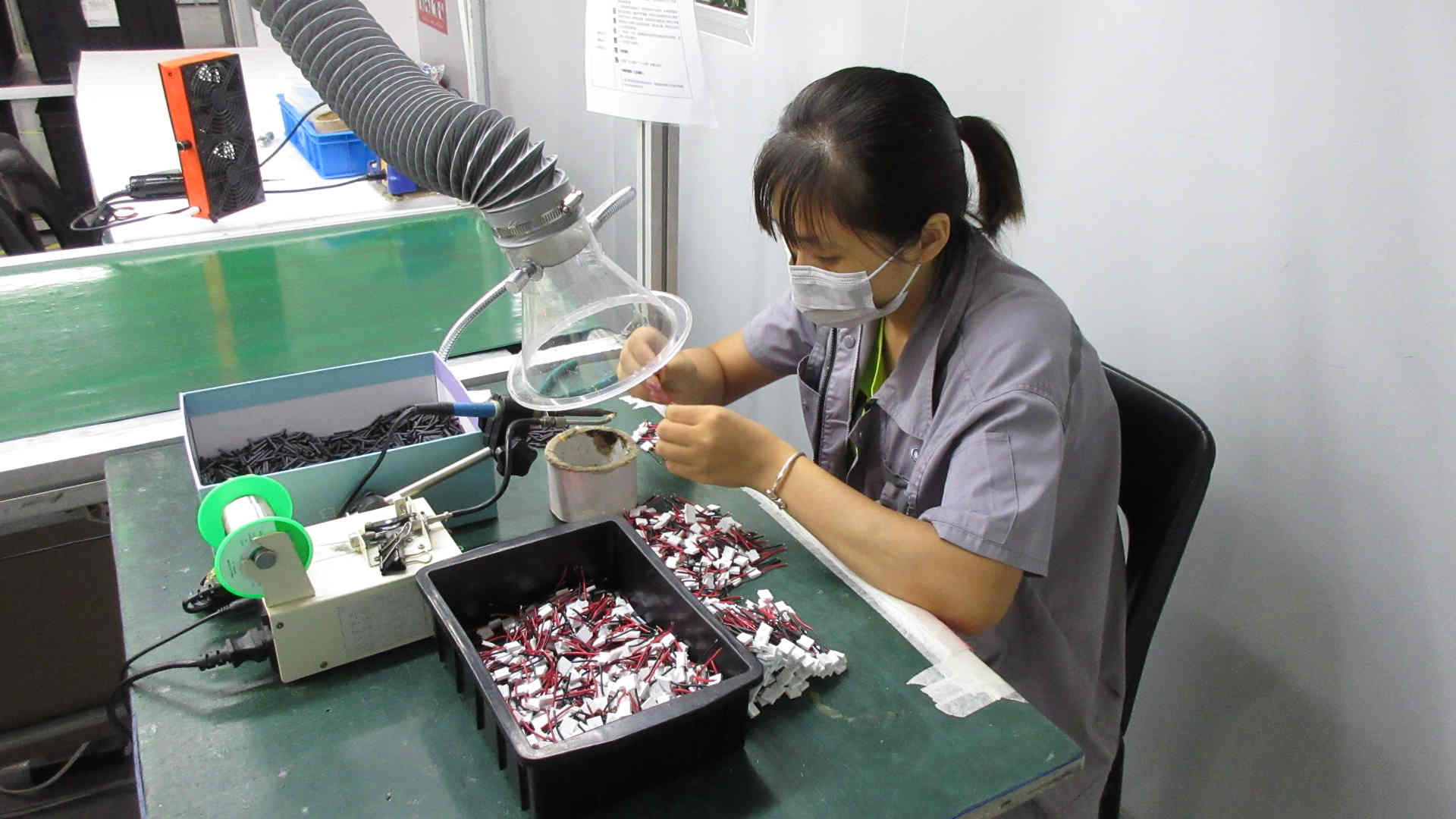
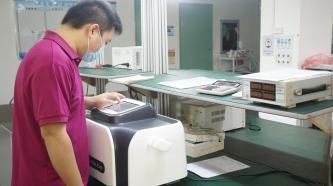
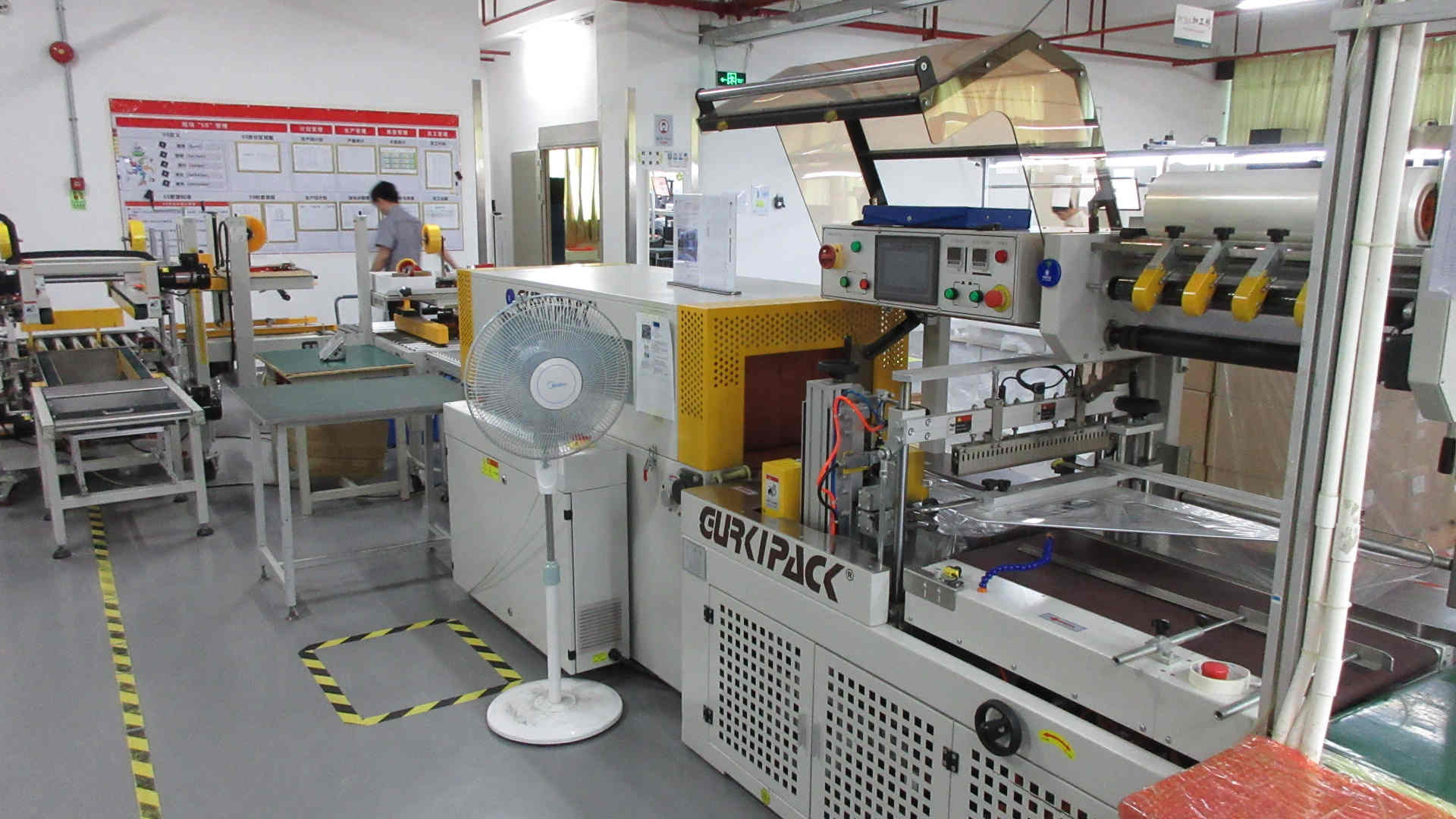
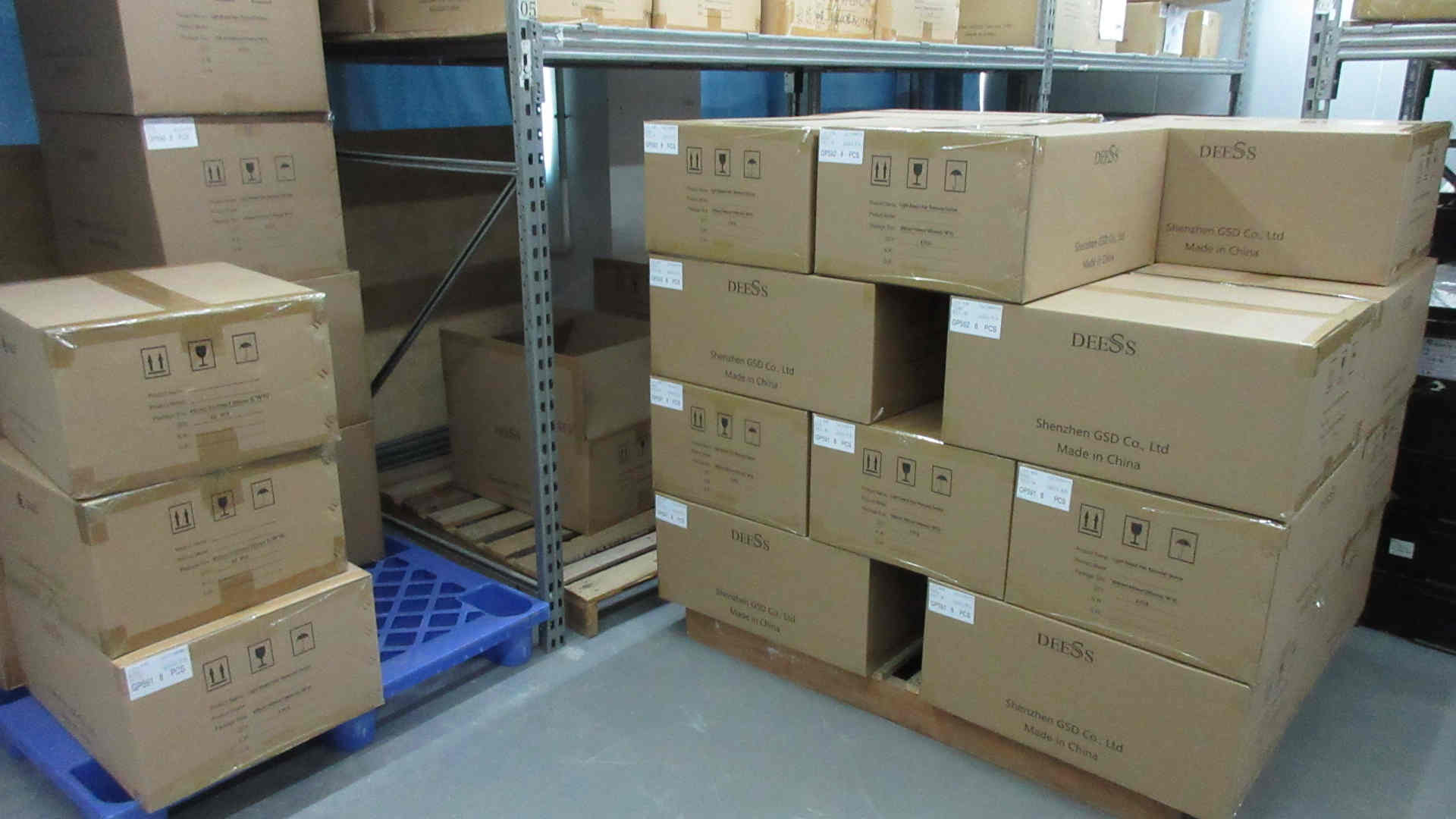
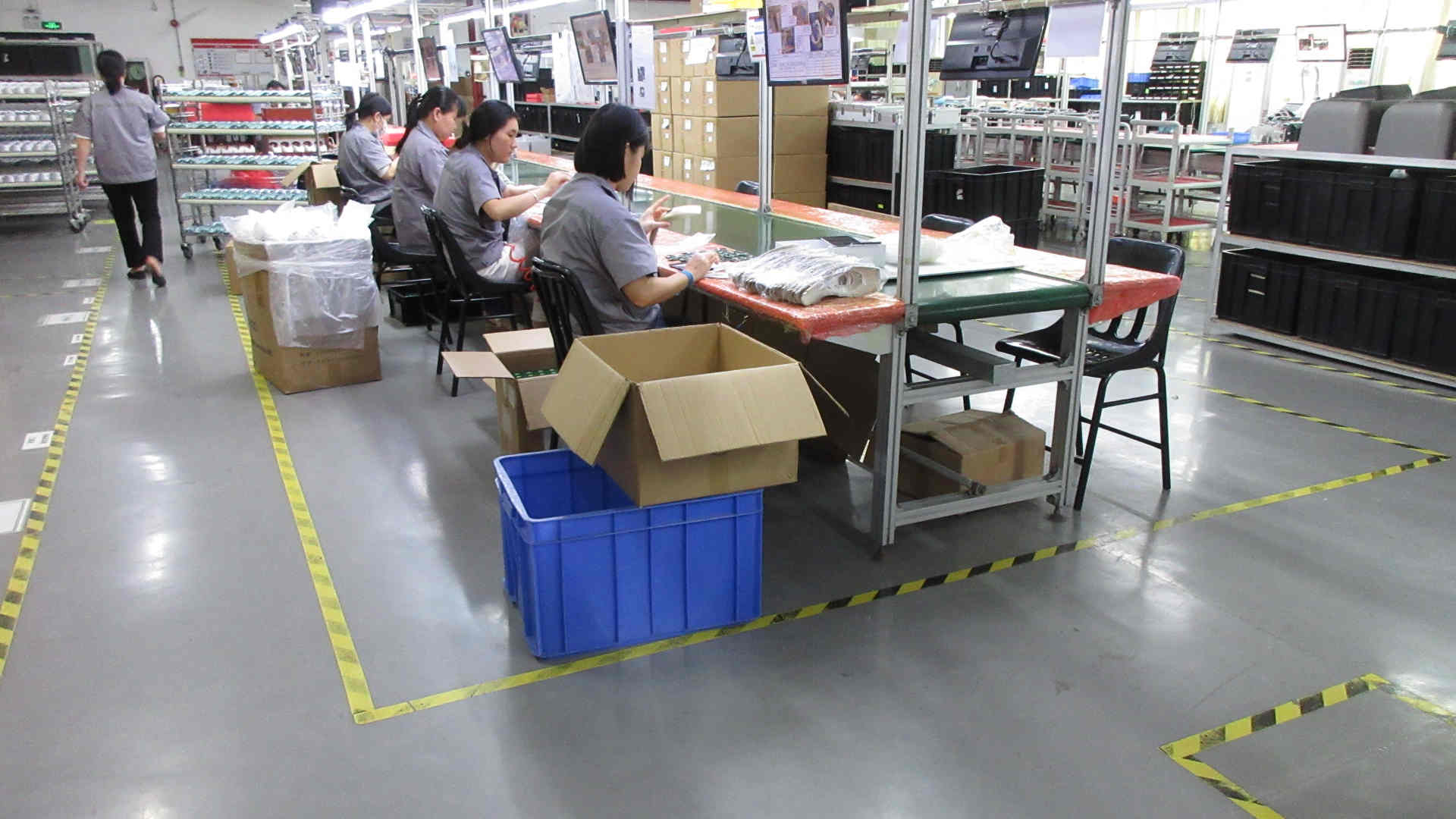
Quality control follows a strict 6-stage protocol: 1) Incoming Quality Control (IQC) of raw components; 2) Automated SMT soldering inspection; 3) Modular sub-assembly verification; 4) Mandatory 72-hour continuous burn-in and thermal aging test; 5) Final Quality Control (FQC) checking spectrum accuracy, power stability, and touch UI features; 6) Automatic protective packaging with drop-test validation.
For standard stock catalog devices, MOQ starts as low as 1 unit for distributor sample evaluation. For custom OEM branding (logo printing and soft interface updates), MOQ is typically 5 to 10 units. Custom industrial chassis tooling or bespoke molded devices have MOQs depending on design complexity. Standard production lead times range from 7 to 14 business days, with express air and DDP shipping options available globally.
We provide a 2-year factory warranty on all professional systems, accompanied by free replacement modular components during the warranty window. Our dedicated engineering team offers 24/7 technical assistance, comprehensive service manuals, circuit diagrams, and video walkthroughs to enable fast local servicing by your technical staff.
 V-Cest Beauty