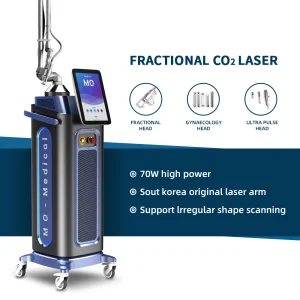
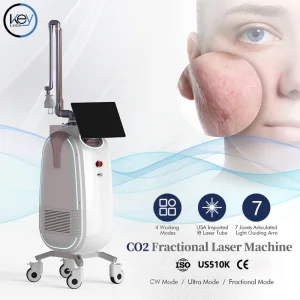
High-performance clinical platforms configured with specialized voltage stabilization, tropicalized cooling systems, and Fitzpatrick skin-type calibration for dermatological excellence in South Asia.
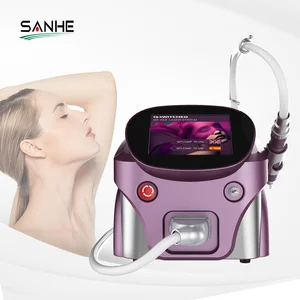
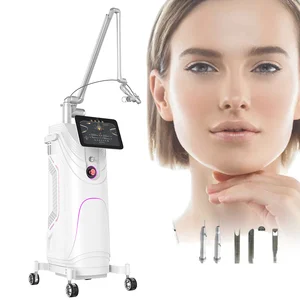
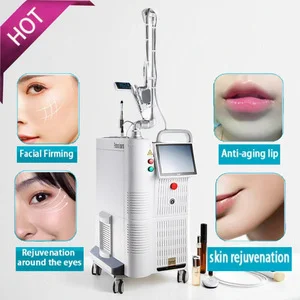
The aesthetic medicine sector in Nepal, centered primarily in the Kathmandu Valley (including Lalitpur and Bhaktapur) and rapidly expanding into cities like Pokhara, Butwal, and Biratnagar, is undergoing a profound transformation. Historically dominated by basic skincare treatments, the market is shifting toward sophisticated energy-based devices (EBDs). Among these, CO2 fractional lasers (10,600nm) are the gold standard for clinical scar revision, deep tissue remodeling, and skin resurfacing.
Nepal's unique geographic and environmental context creates specific clinical demands. High-altitude UV exposure, particularly in mountain-adjacent urban areas, exacerbates photoaging, melasma, and solar elastosis. Furthermore, the high prevalence of untreated acne vulgaris and trauma-induced scarring has generated a substantial patient base seeking high-efficacy scar revision treatments. As a result, private medical spas, plastic surgery centers, and government dermatology departments are aggressively upgrading their equipment fleets to high-end CO2 laser systems.
Patients in Nepal predominantly display Fitzpatrick Skin Types III to V. Standard aggressive ablative laser treatments carry a high risk of Post-Inflammatory Hyperpigmentation (PIH). Modern clinical systems must utilize Ultra-Pulse and Super-Pulse micro-ablative delivery models, allowing the tissue surrounding the micro-thermal zones (MTZs) to cool rapidly. This mitigates excessive heat accumulation and minimizes thermal damage to the dermo-epidermal junction.
The therapeutic index of CO2 fractional lasers makes them highly versatile. When deploying systems within the Nepalese market, our clinical partners report success in three major application scenarios:
Severe atrophic acne scars (icepick, boxcar, and rolling scars) are highly prevalent among young adults in urban Nepal. By operating in fractional ablative mode, the laser column penetrates deep into the reticular dermis to vaporize fibrotic scar bands and trigger immediate collagen neocollagenesis.
Intense solar radiation at high altitudes leads to premature dermal matrix breakdown. CO2 lasers sweep across the superficial layers, sloughing off dyscolored epidermal cells while contracting the underlying collagen matrix to restore elasticity and tone.
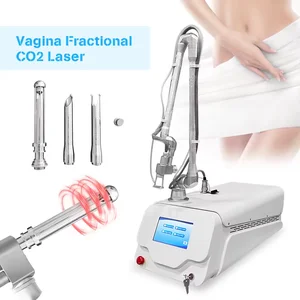
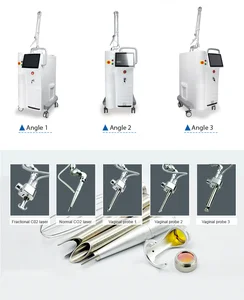
With the growing normalization of pelvic health treatments in urban centers, gynae-aesthetics has surged. Utilizing specialized 360-degree reflective gold-plated probes, our CO2 systems stimulate the vaginal mucosa, inducing contraction of collagen fibers and restoring natural lubrication and elasticity.
| Laser Parameter | Clinical Standard (Ablative) | Clinical Standard (Fractional) | Nepal Clinical Adjustments (Fitz III-V) |
|---|---|---|---|
| Wavelength | 10600 nm | 10600 nm | 10600 nm (Constant absorption) |
| Pulse Width | Ultra-Pulse < 1 ms | Variable (0.1ms to 10ms) | Micro-pulse mode to prevent PIH |
| Output Power | Up to 60W | Up to 60W | 30W - 40W (Sufficient thermal zone control) |
| Spot Pattern Options | Single Spot | Square, Circle, Triangle, Hexagon | Hexagonal (Spreads heat evenly) |
Importing medical aesthetic systems into Nepal requires careful attention to detail. Beijing V-Cest Beauty Co., Ltd. provides dedicated engineering solutions to address the challenges faced by local practitioners:
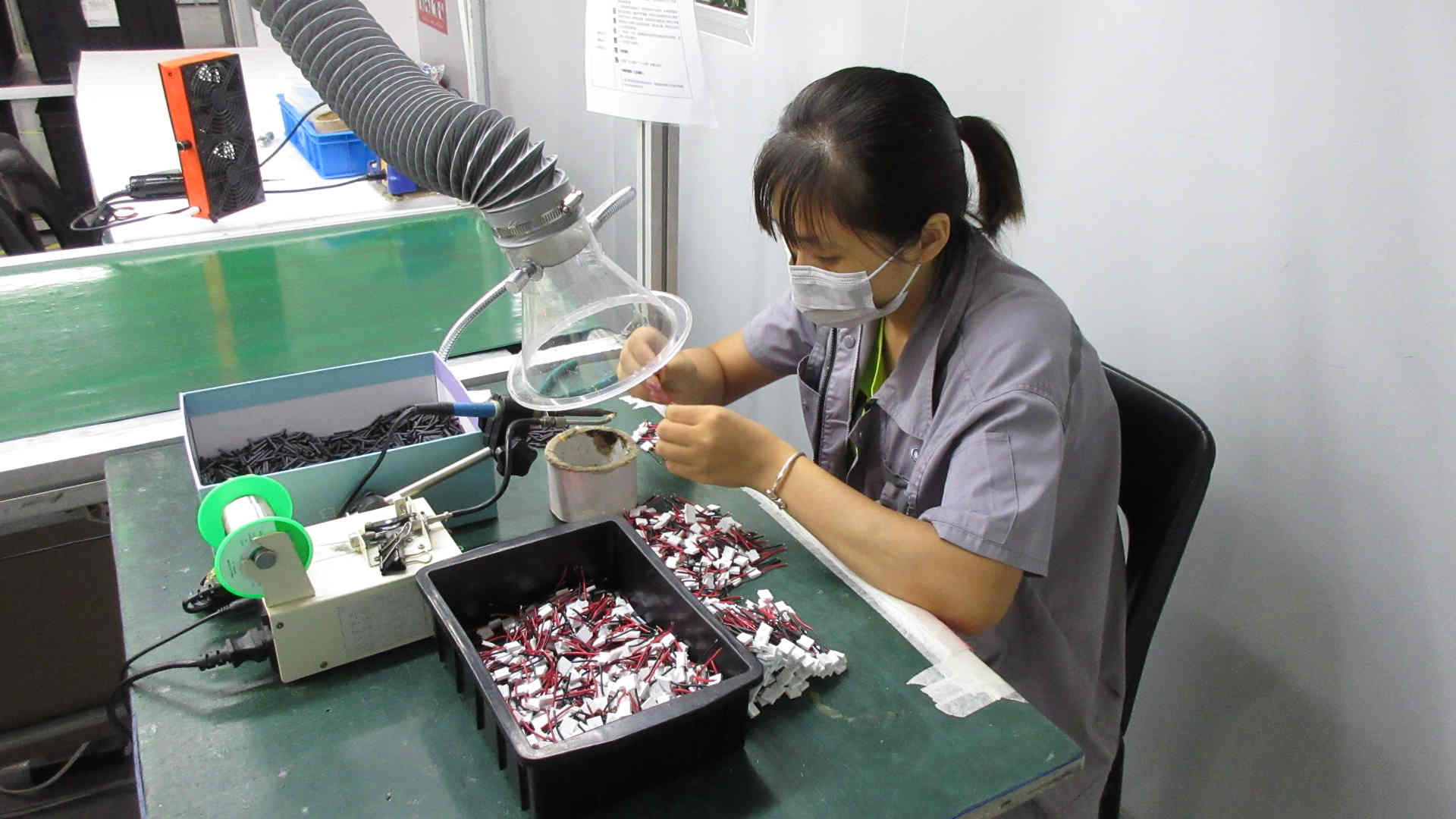
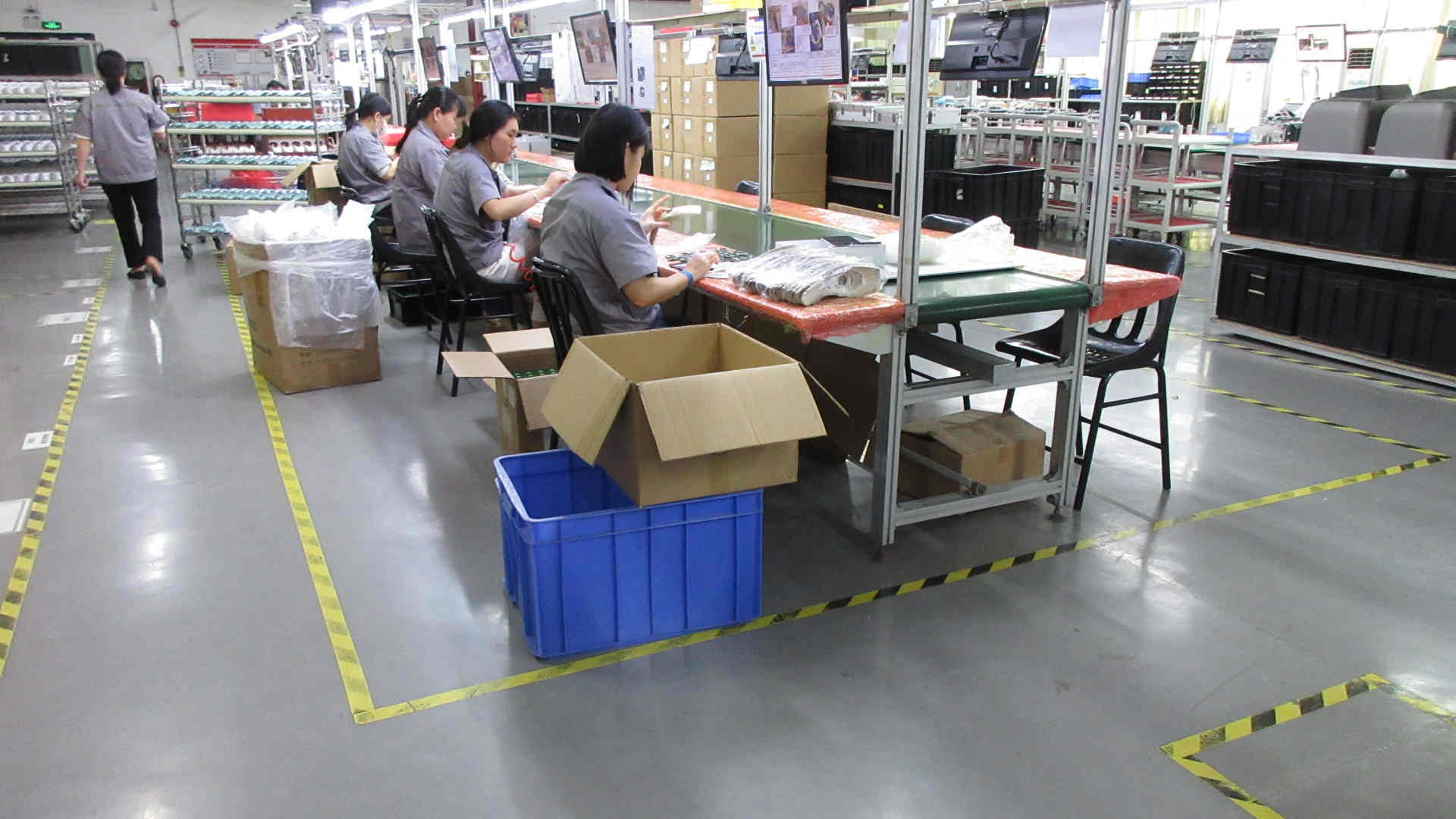
Beijing V-Cest Beauty Co., Ltd. is an international enterprise specializing in the R&D and global export of high-end aesthetic and beauty equipment. We bring advanced beauty technology and intelligent manufacturing capabilities to global markets, including Nepal.
With a well-established vertically integrated supply chain and extensive industry expertise, Beijing V-Cest Beauty has built a strong competitive advantage in product development, quality control, and global service capabilities. The company continuously integrates a diverse portfolio of premium beauty devices while driving ongoing innovation and technological upgrades to ensure high standards of safety, stability, and performance that meet international market requirements.
In terms of global expansion, V-Cest Beauty’s business network spans across emerging and mature markets, including Russia, Eastern Europe, Central Asia, the Middle East, South America, and Southeast Asia. Through flexible OEM/ODM customization services, co-branding development, and professional technical support, the company helps partners build localized brand competitiveness and achieve sustainable growth in their respective markets.
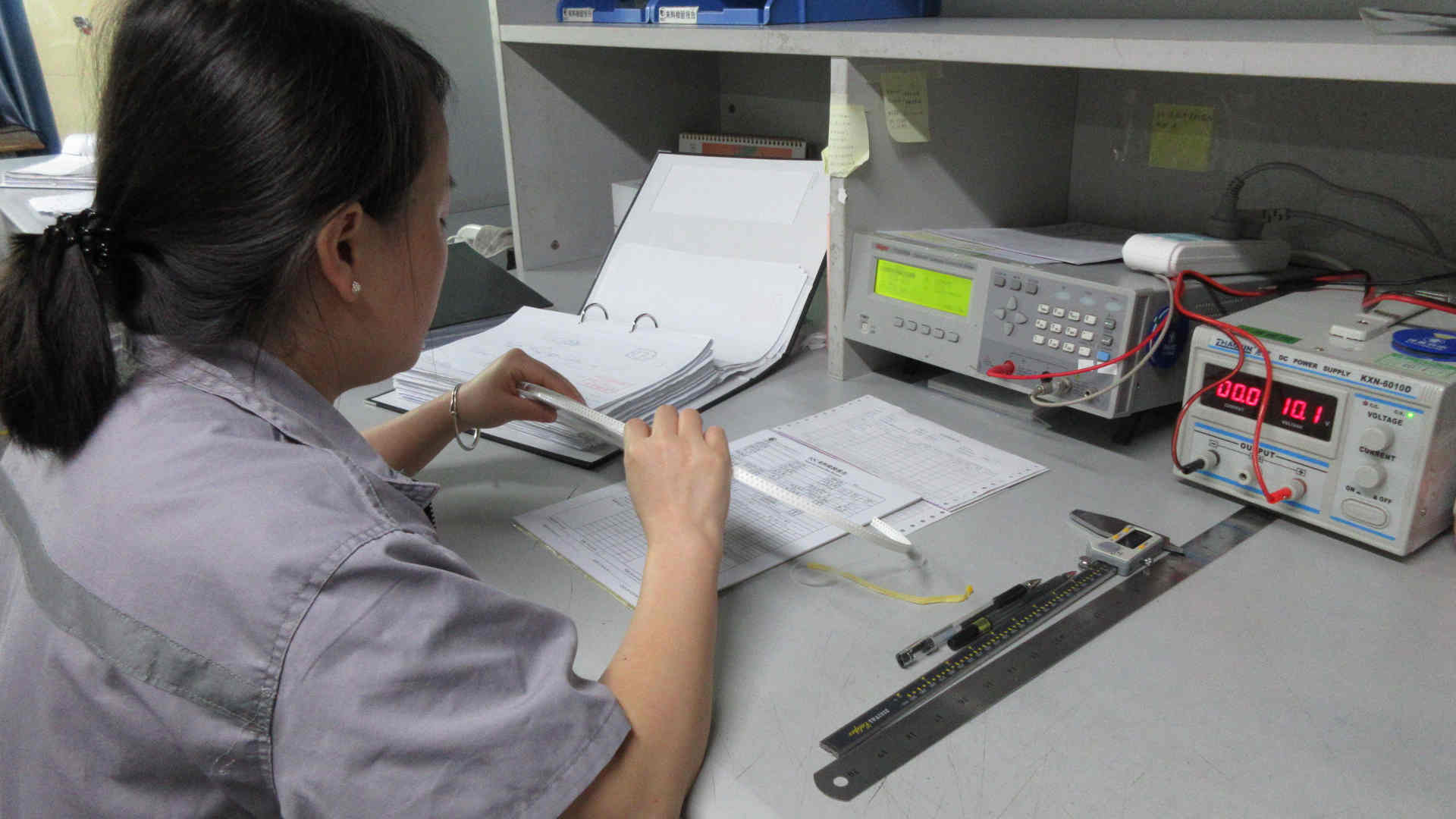
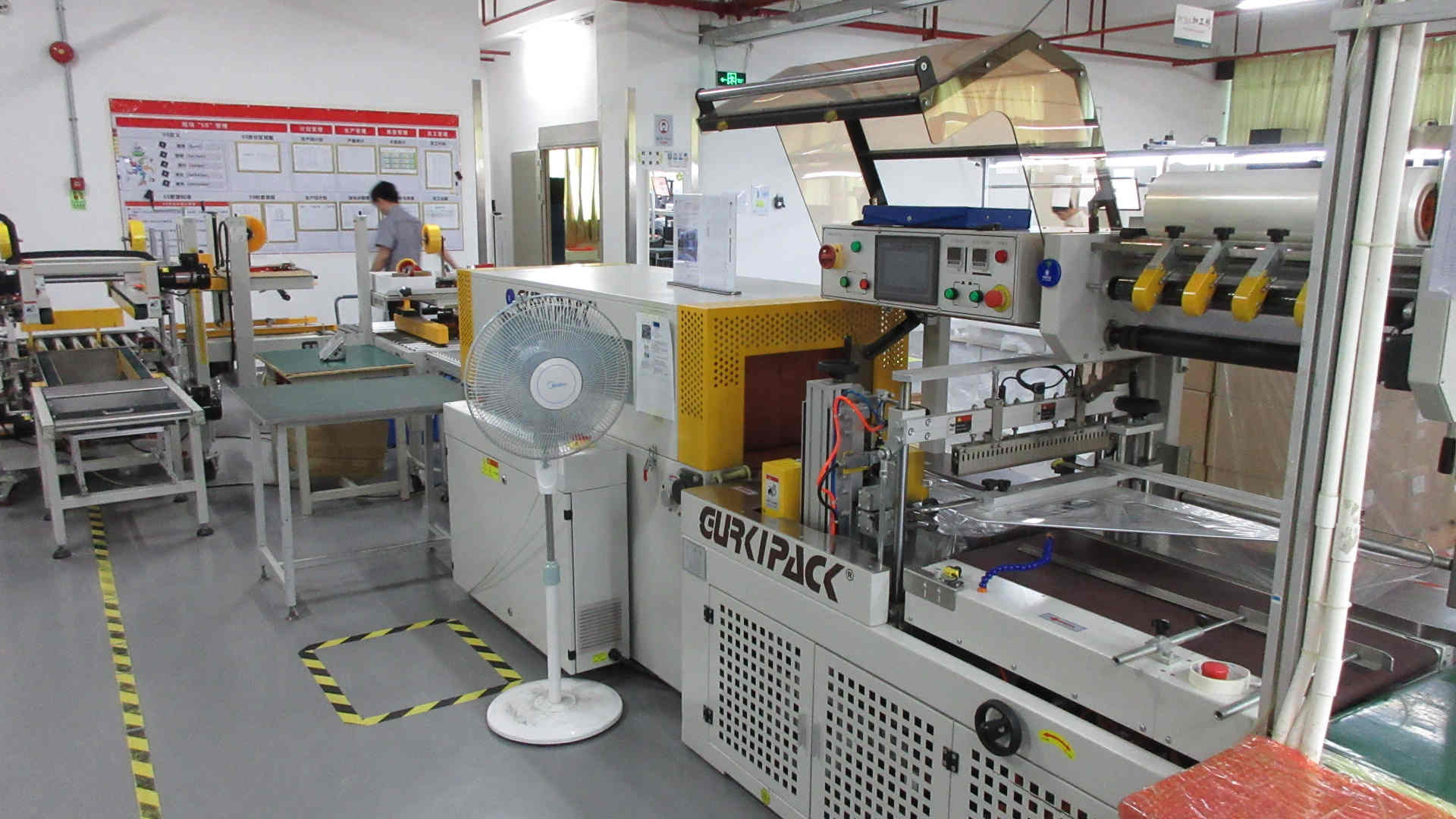
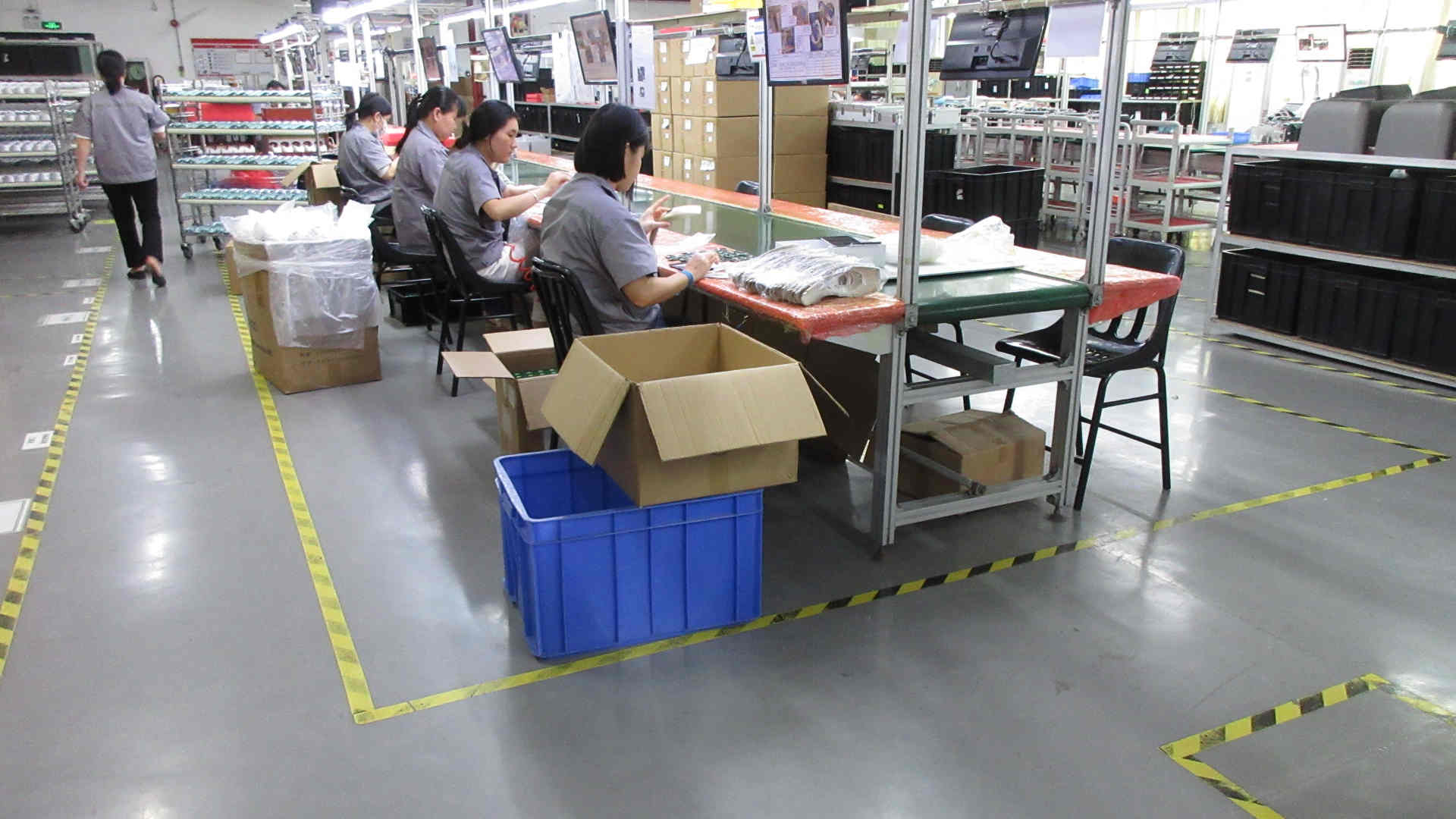
Select from our comprehensive list of clinical and home-care laser systems, calibrated for specific tissue conditions and treatment profiles.
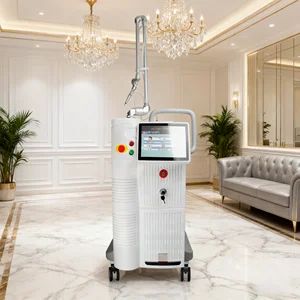
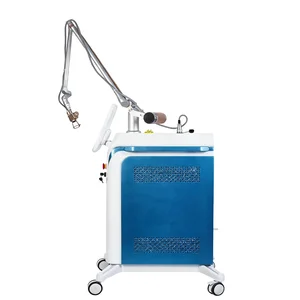
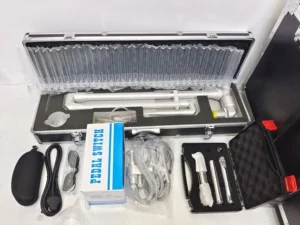
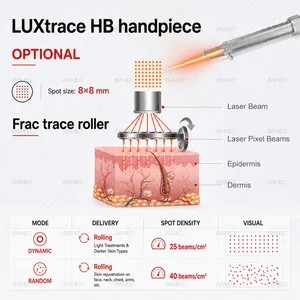
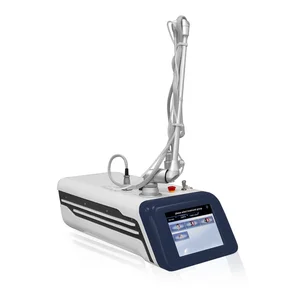
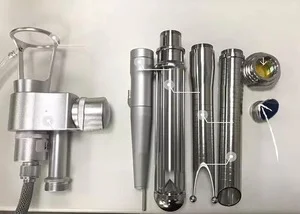
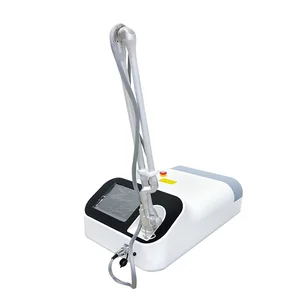
For clinical aesthetic applications, the source of the laser beam is critical to achieving stable clinical endpoints. Understanding the differences between these two configurations is essential for buyers in Nepal:
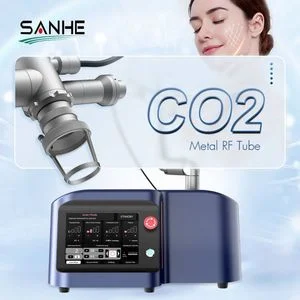
RF metal tubes (often manufactured by leading global suppliers in the USA or integrated within high-end Chinese assemblies) generate a highly stable, ultra-fine spot size (often down to 0.1mm to 0.12mm). They offer extremely short pulse widths, reducing the risk of Post-Inflammatory Hyperpigmentation (PIH). The lifespan of these tubes is highly advantageous, often lasting 5 to 7 years with continuous usage and allowing for recharging rather than complete replacement.
While glass tubes represent a significantly lower initial capital expenditure, their thermal relaxation profiling is wider, which yields larger spot profiles and longer pulse durations. For medical clinics performing precise scar revision or vaginal rejuvenation, we strongly recommend RF-excited laser configurations to ensure safety and clinical precision.
Our logistics pipeline to South Asia features streamlined pathways designed to support clinics throughout Nepal. Standard air freight routing delivers equipment directly to Tribhuvan International Airport (KTM) in Kathmandu. For large-scale clinic setups or multi-device procurement, road-rail combined transit through Lhasa-Keyrung or Kolkata-Birgunj port routes is optimized to reduce costs.
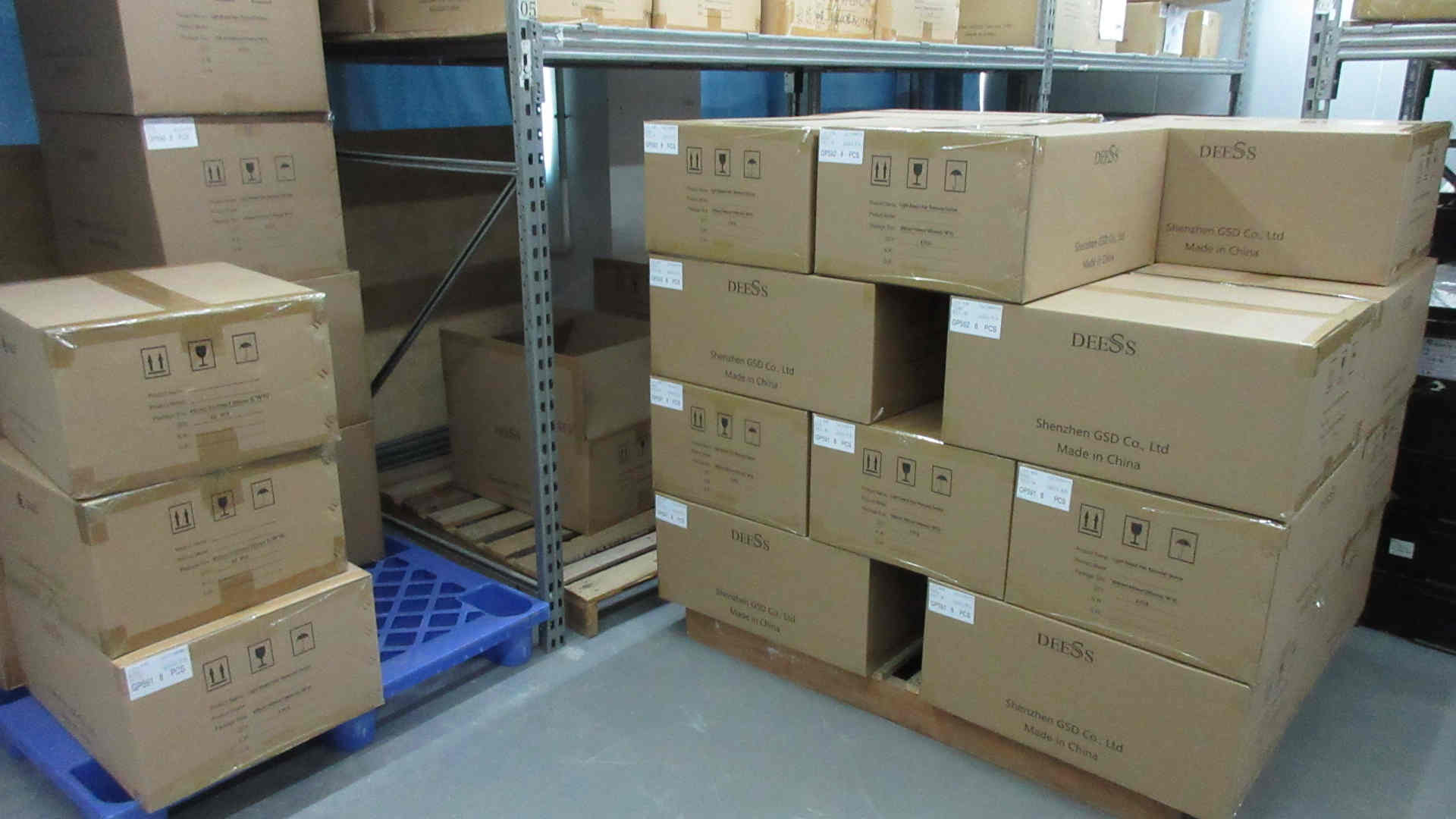
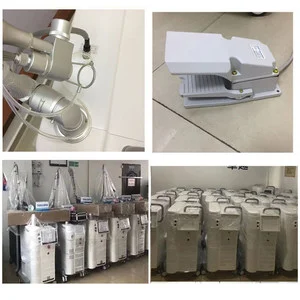
Each system is shipped in custom-engineered, multi-layer shockproof flight cases that prevent misalignment of delicate internal optics (such as the 7-joint articulated light guide arm) during transit.
Key operational, commercial, and clinical details for medical spas and distributors in Nepal.
 V-Cest Beauty