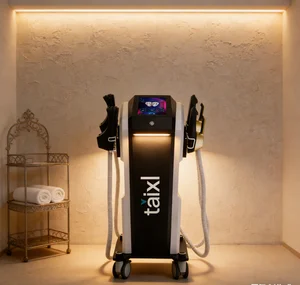
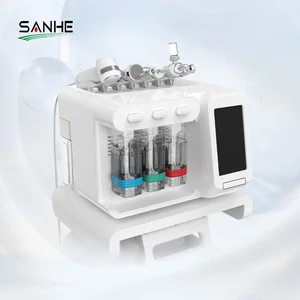
Explore our leading collection of clinical-grade aesthetic machines optimized for multi-purpose medical salons, laser centers, and holistic body sculpting clinics.

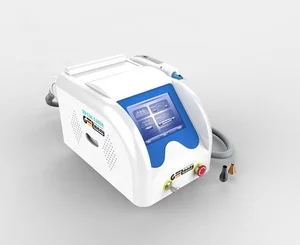
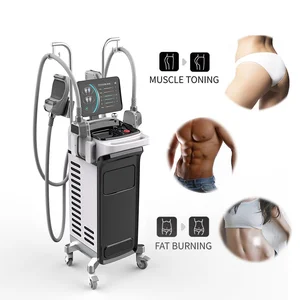
Analyzing the shift from clinical therapeutic cooling to advanced multi-dimensional aesthetic cryo-technologies.
The global aesthetic and restorative wellness market is experiencing a profound transition toward non-invasive therapies that deliver high efficacy with minimal patient downtime. At the vanguard of this shift is the deployment of medical-grade cryotherapy devices. Historically localized in orthopedic recovery and sports medicine to alleviate localized pain and inflammation, thermal cooling technology has evolved into a vital pillar of cosmetic modification.
Modern aesthetic application focuses heavily on cryolipolysis—the process of targeting fat cells under controlled temperatures to induce programmed cell death (apoptosis) without compromising surrounding tissue. Concurrently, the rise of specialized dermatological applications, such as Cold Plasma and Cryo-facials, is gaining immense popularity. These platforms exploit the thermo-mechanical shock reaction of skin cells. By inducing brief, monitored sub-zero exposure, these devices trigger micro-circulatory responses, resulting in immediate lymphatic drainage, collagen fiber contractions, and accelerated skin cell regeneration.
The key trend shaping the engineering roadmap of leading manufacturers in China is multi-modality integration. B2B purchasers no longer look for standalone mono-functional equipment. Instead, the global demand highlights platforms that intelligently blend cryotherapy with electro-muscle stimulation (EMS), hydro-dermabrasion, or high-focused radiofrequency. This integrated approach allows medi-spas to design layered treatment protocols that maximize patient results per session, significantly driving up clinic profitability.
Understanding the exact requirements, quality thresholds, and operational features prioritized by international buyers.
Deviations in cold emissions can result in either tissue damage (frostbite) or zero clinical efficacy. Modern buyers demand closed-loop control systems with temperature sensors accurate to ±0.5°C.
With tightening international medical standards, compliance with CE MDD/MDR, FDA guidelines, and RoHS protocols is non-negotiable for smooth customs clearance and legal clinic operations.
Distributors require extensive structural customizability—including proprietary casing colors, graphic UI localized translations, custom applicator geometries, and firmware optimization.
The procurement pipeline for aesthetic devices is highly specialized. Unlike consumer goods, medical aesthetic machines demand long-term structural reliability due to continuous daily usage cycles. Critical operational parameters, such as the quality of internal coolant pumps, the thermal properties of applicator plates (often requiring medical-grade aluminum or ceramic alloys), and the noise mitigation coefficients of compressors, form the core criteria during factory audits. Manufacturers must prove that their equipment can maintain peak performance under constant load for up to 10-12 hours per day.
For global importers, sourcing directly from a vertically integrated manufacturer in China like Beijing V-Cest Beauty eliminates intermediary markups. It ensures access to direct factory engineering support, rapid spare parts fulfillment, and customized hardware configurations designed to meet local grid requirements (such as 110V/60Hz configurations with US plug styles vs 220V/50Hz styles for European markets).
A transparent look inside our manufacturing processes, showing how we maintain strict quality control at every phase of assembly.
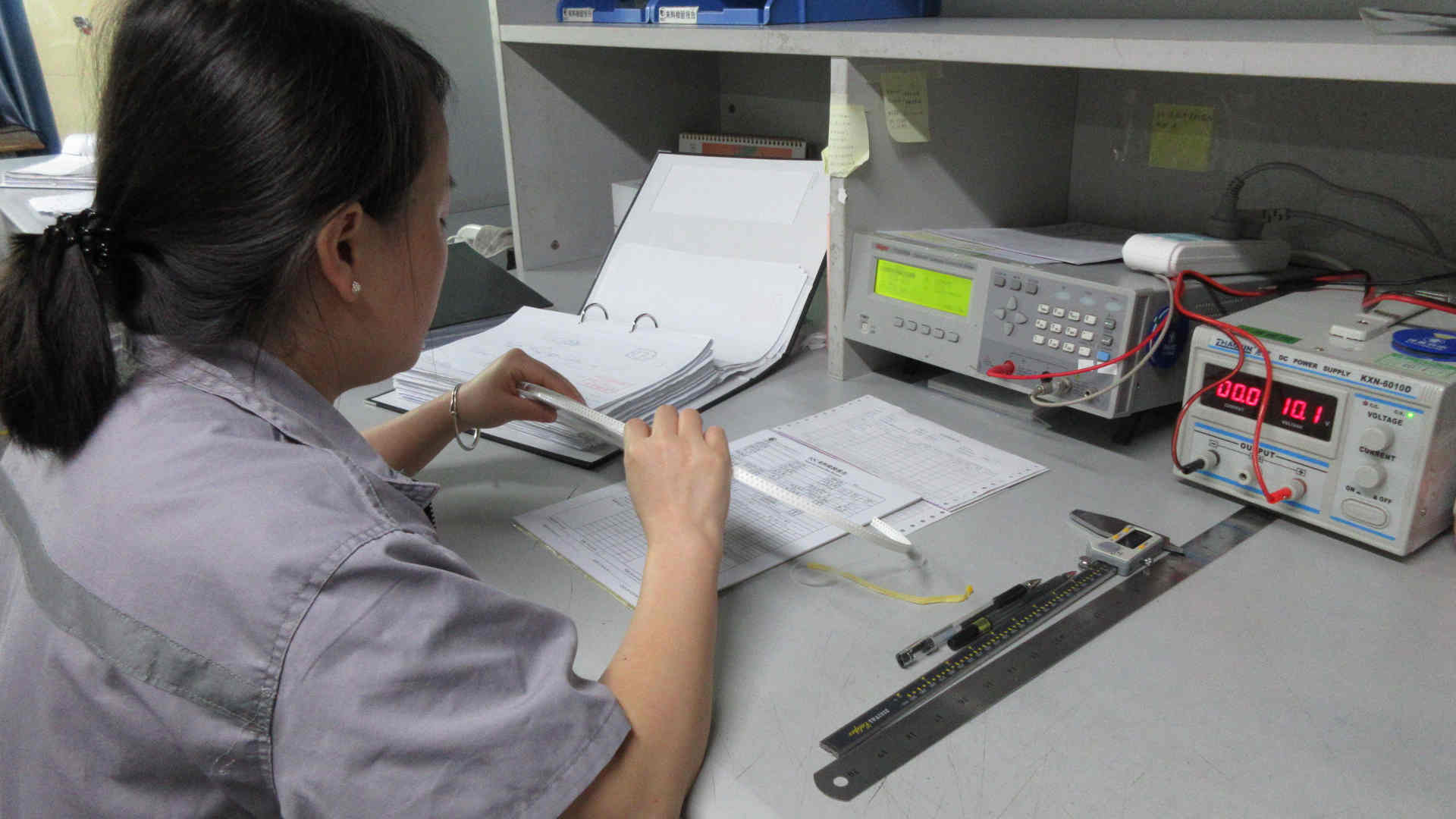
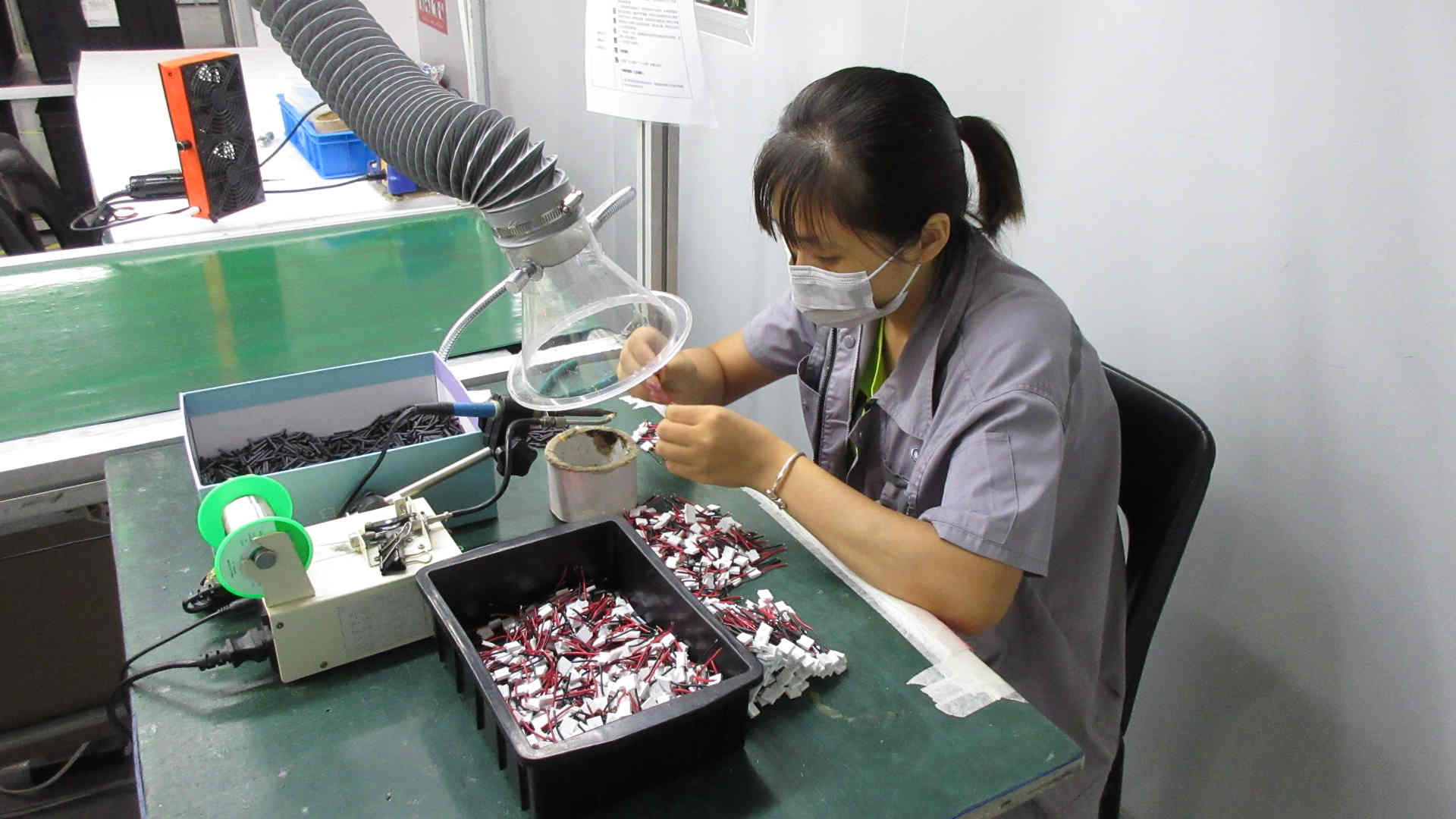
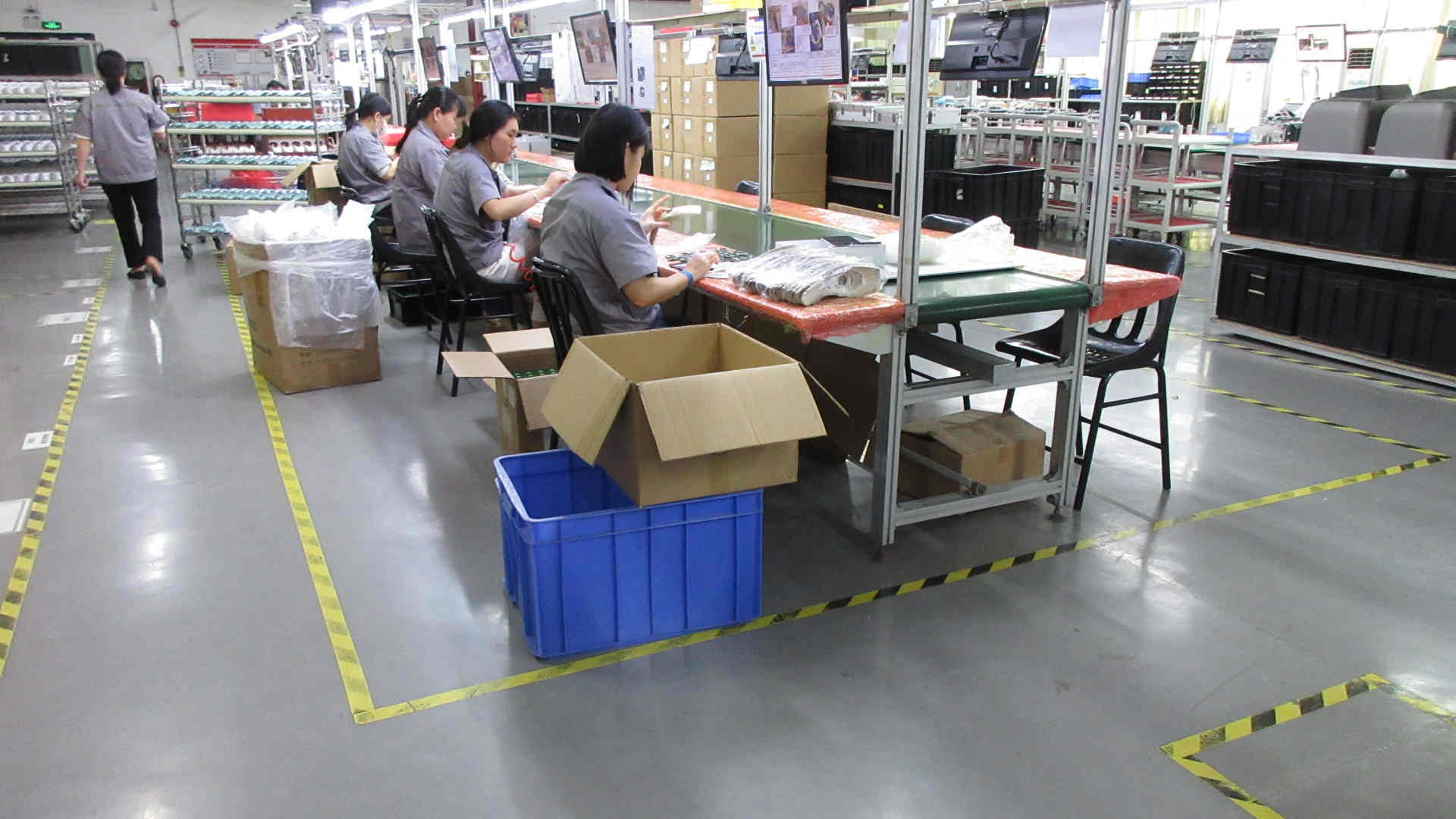

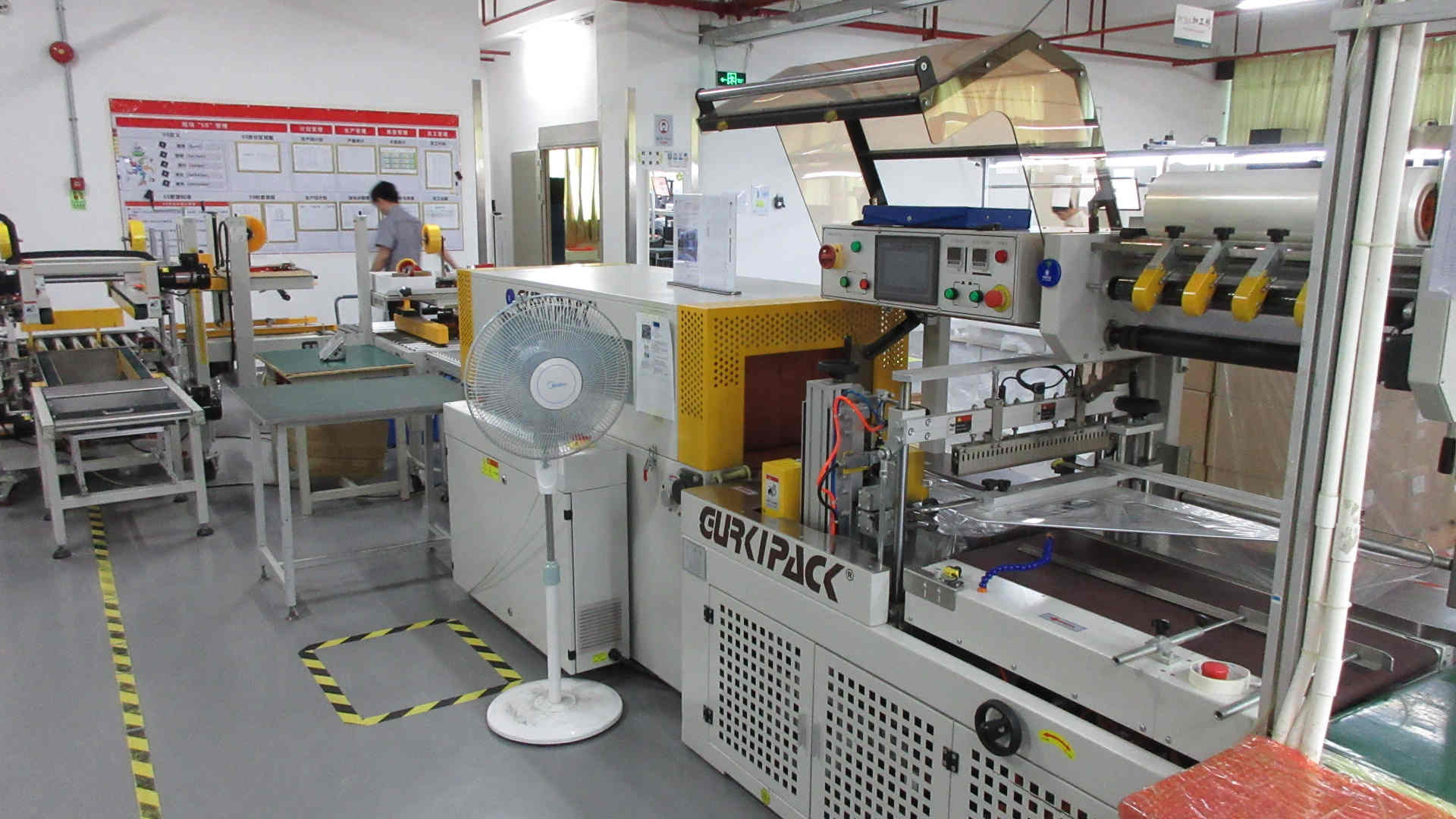
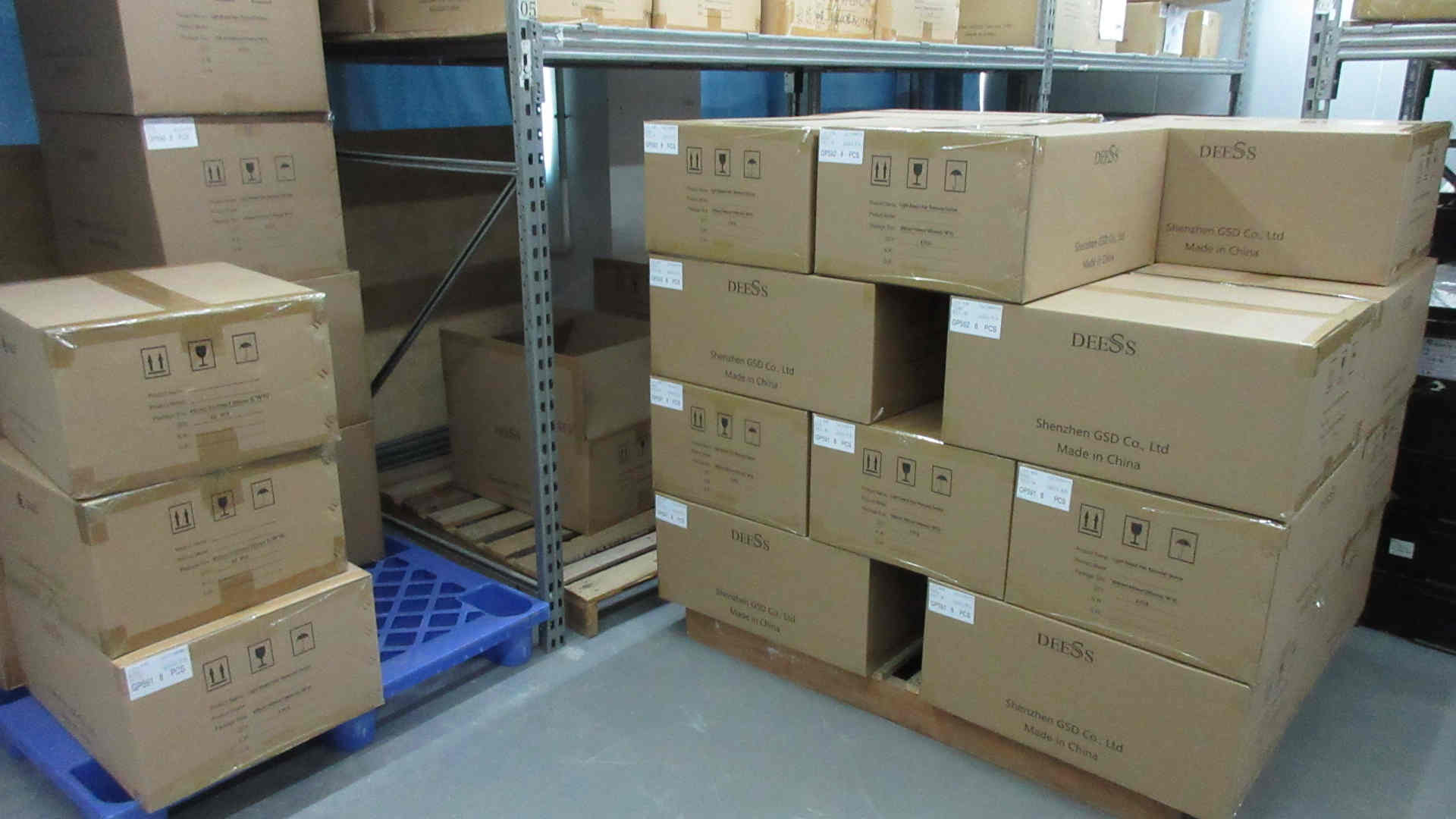
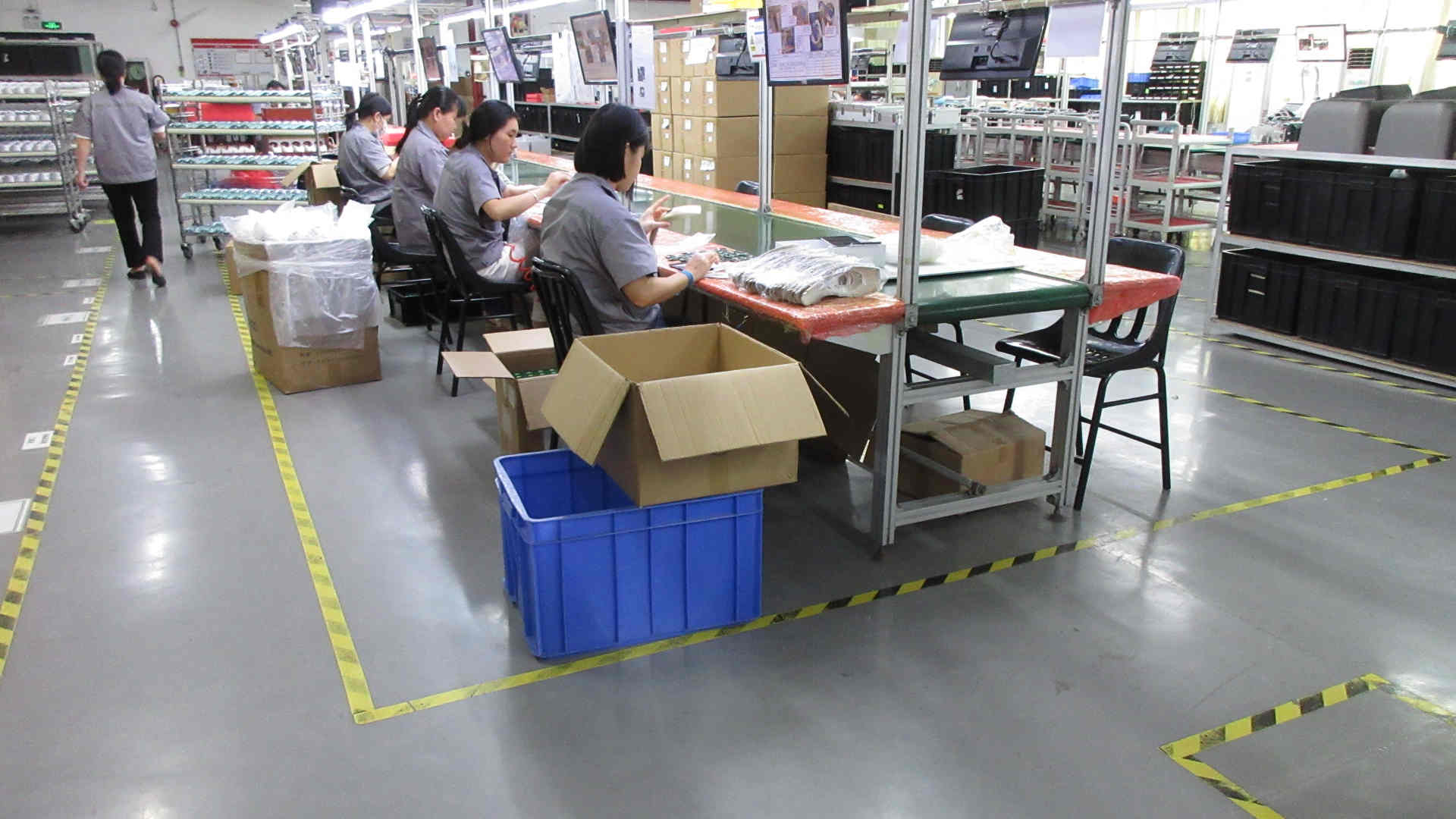
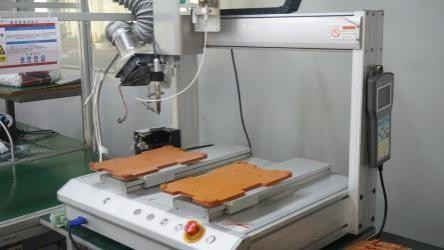
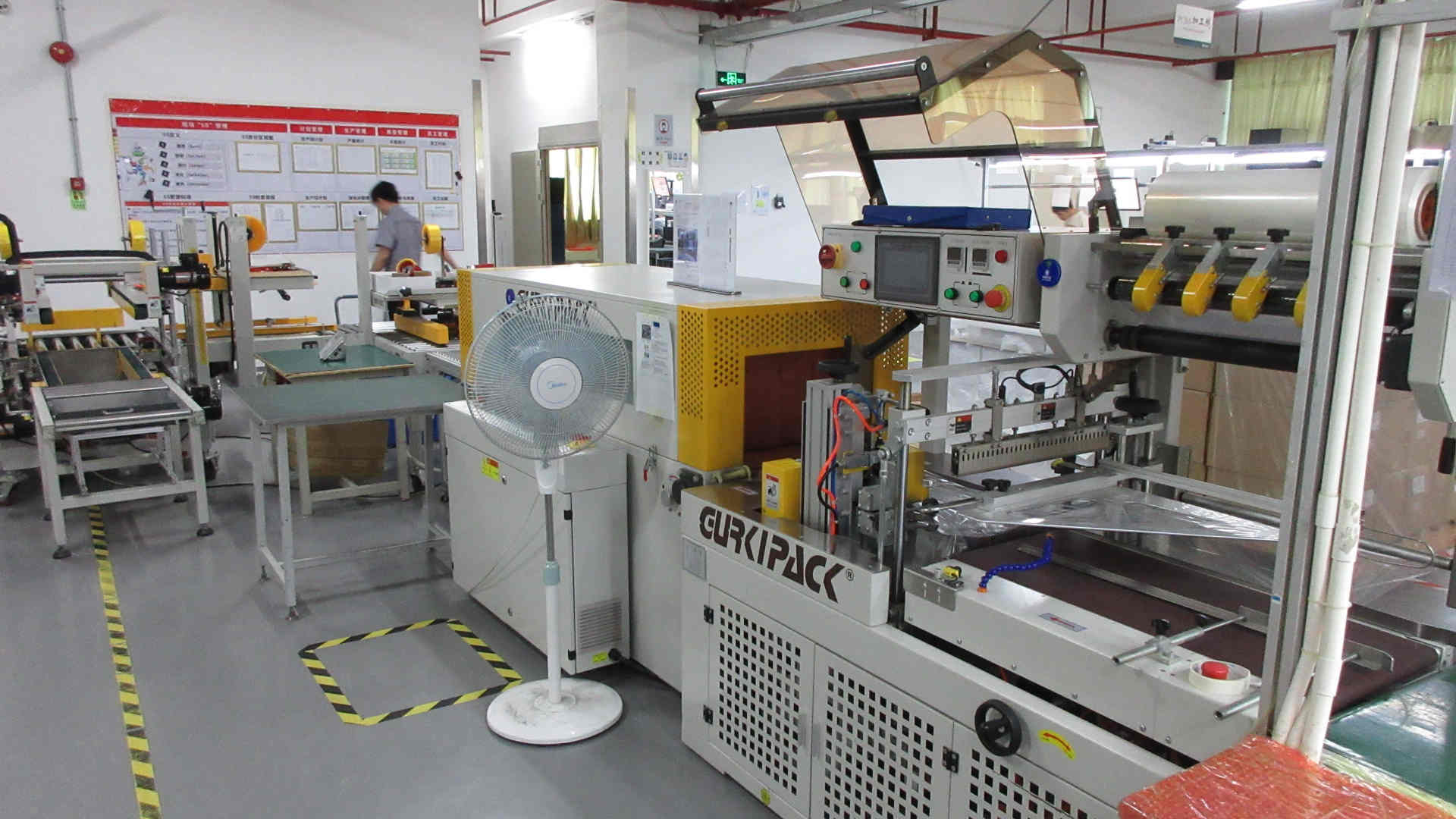
How Beijing V-Cest Beauty designs scalable, clinically effective equipment ecosystems for aesthetic centers worldwide.
Beijing V-Cest Beauty Co., Ltd. has established itself as an international enterprise specializing in the R&D and global export of high-end aesthetic and beauty equipment. The company is committed to bringing China’s advanced beauty technology and intelligent manufacturing capabilities to the global market. Our core business focuses on professional beauty devices, covering a wide range of applications including hair removal, anti-aging, skin whitening, skin tightening, deep cleansing, and comprehensive skincare management, providing one-stop equipment solutions for beauty clinics, distributors, and brand partners worldwide.
With a well-established vertically integrated supply chain and extensive industry expertise, Beijing V-Cest Beauty has built a strong competitive advantage in product development, quality control, and global service capabilities. The company continuously integrates a diverse portfolio of premium beauty devices while driving ongoing innovation and technological upgrades to ensure high standards of safety, stability, and performance that meet international market requirements.
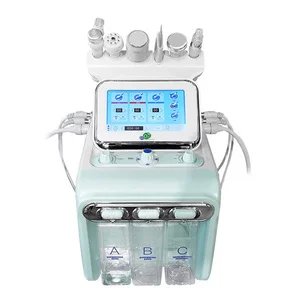
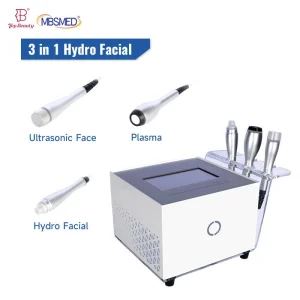
For clinical medical centers, macro solutions require the blending of physical thermal shock with mechanical skin purification. For instance, the combination of hydrodermabrasion with cold plasma allows operators to deeply clear pores, exfoliate dead epidermis layers, and then immediately calm the dermal tissue using localized cold energy. This rapid sequence triggers immediate tissue restoration and reduces hyperpigmentation risks.
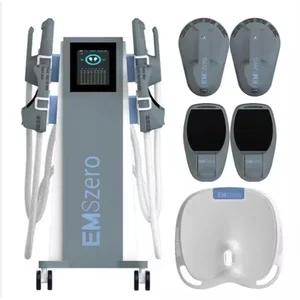
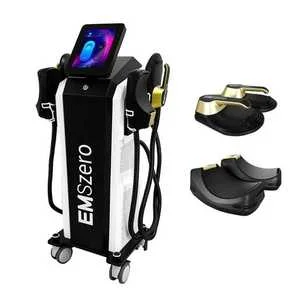
Similarly, in body contouring protocols, combining electromagnetic muscle stimulation (EMS) with non-invasive thermal cooling produces a dual fat-burning and muscle-strengthening reaction. By offering custom 4-handle EMS systems and high-capacity cryo-lipolysis machines, V-Cest allows global clients to establish specialized body sculpting departments that target both superficial subcutaneous fat and muscle density enhancement simultaneously.
Mitigating cross-border procurement risks through active regulatory adherence and comprehensive localized after-sales ecosystems.
Sourcing medical-grade equipment from overseas involves strict regulatory hurdles. Beijing V-Cest Beauty Co., Ltd. addresses this through structural compliance frameworks. In terms of global expansion, our business network spans across emerging and mature markets, including Russia, Eastern Europe, Central Asia, the Middle East, South America, and Southeast Asia. Through flexible OEM/ODM customization services, co-branding development, and professional technical support, we help partners build localized brand competitiveness and achieve sustainable growth in their respective markets.
Our international quality management protocols include:
In addition, the company places strong emphasis on R&D investment and innovation partnerships, actively exploring advanced technologies such as radio frequency (RF), laser, ultrasound, and high-intensity focused energy systems for both clinical and consumer-grade aesthetic devices. We are continuously expanding our product portfolio and application scenarios while strengthening our digital operations and after-sales service systems to enhance global customer experience and long-term value.
An engineering view of the next generation of cryogenic systems, cold plasma tech, and intelligent aesthetic platforms.
Looking ahead, the development of cooling-based aesthetic devices is moving toward intelligent, self-calibrating systems. The integration of real-time thermal imaging feedback sensors directly into applicator heads represents the next key phase of innovation. By scanning the skin's surface temperature continuously and communicating this data directly to the device's control chip, the machine can automatically adjust cooling output. This eliminates manual configuration errors and ensures the target tissue remains at the precise therapeutic temperature range for optimal results.
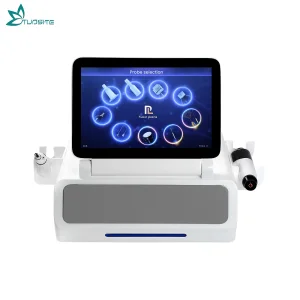
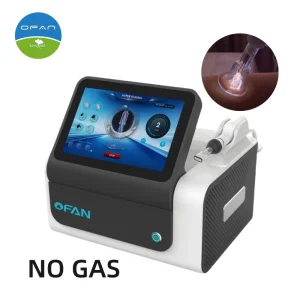
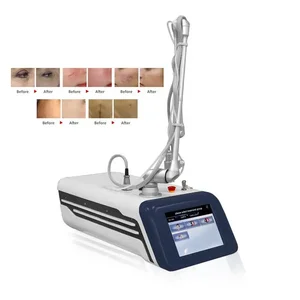
Furthermore, modern cold plasma platforms (utilizing helium-argon gas configurations) are paving the way for advanced non-thermal epidermal ablation. Unlike traditional lasers that rely on photo-thermal reactions (which can cause post-inflammatory hyperpigmentation in darker skin types), cold plasma technology utilizes ionized gas to rupture cell bonds in target tissue at low temperatures. This makes it an ideal option for acne scar therapy, wrinkle reduction, and tissue tightening across all Fitzpatrick skin types.
Beijing V-Cest Beauty Co., Ltd. will continue to deepen its global strategic footprint, strengthen technological innovation and international collaboration, and further enhance the global influence of “Made in China” within the beauty and wellness industry. Our goal is to connect China’s advanced beauty technology with the international market, ensuring our partners always have access to highly effective, reliable, and compliant equipment.
Detailed answers to the most common technical questions, import protocols, and equipment choices asked by global buyers.
Explore our targeted technologies for advanced skin resurfacing, deep thermal restoration, and non-surgical aesthetic solutions.

 V-Cest Beauty