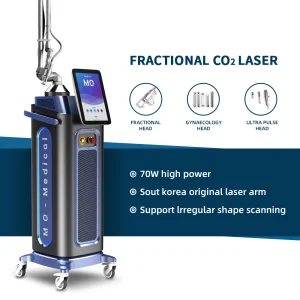
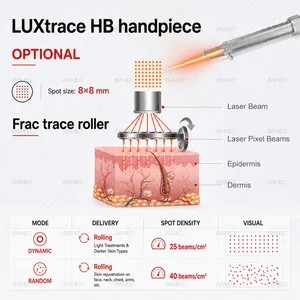
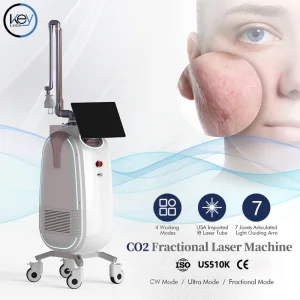
Direct factory-to-clinic medical laser systems engineered to meet international clinical guidelines and medical certifications.
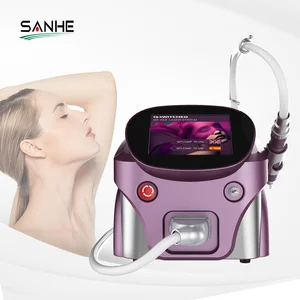
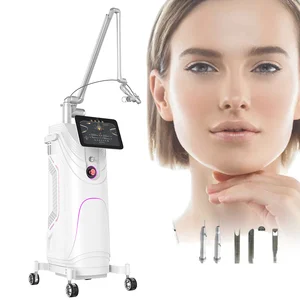
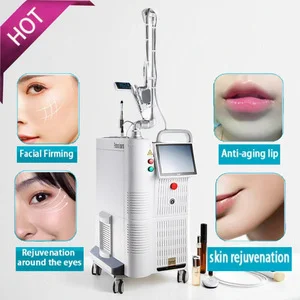
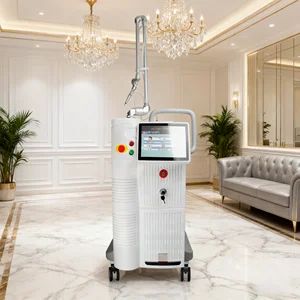
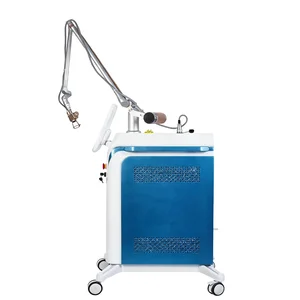
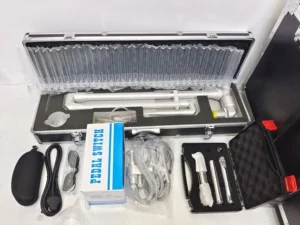
In the global medical aesthetics and dermatological surgery landscape, CO2 fractional laser systems (10600nm wavelength) remain the gold standard for high-performance tissue resurfacing and deep collagen remodeling. The market is witnessing a major transformation driven by increasing clinical demands for non-surgical treatments, shorter patient recovery times, and versatility in clinical applications.
Originally confined to specialized dermatological operating rooms, high-energy CO2 laser technology has expanded into multi-specialty aesthetic centers. These advanced systems trigger fractional photothermolysis, creating precise micro-ablative thermal zones (MTZs) that prompt a wound-healing response while keeping the surrounding skin healthy. Beyond fractional resurfacing, modern devices feature surgical cutting modes and specialized vaginal mucosal repair systems, driving high return on investment (ROI) for global clinics.
Information Gain Insight: Clinical data indicates that high-precision RF-excited metal tube CO2 lasers reduce epidermal healing time by 30-40% compared to traditional glass tube lasers, while offering a longer equipment service life (up to 20,000 hours).
Leveraging vertically integrated production, specialized R&D, and strict quality control, Beijing V-Cest Beauty Co., Ltd. exports clinical-grade aesthetic equipment worldwide.
As an international enterprise specializing in the R&D and global export of high-end aesthetic equipment, Beijing V-Cest Beauty Co., Ltd. bridge advanced Chinese manufacturing with global markets. The company's business network covers emerging and mature markets alike, including Russia, Eastern Europe, Central Asia, the Middle East, South America, and Southeast Asia.
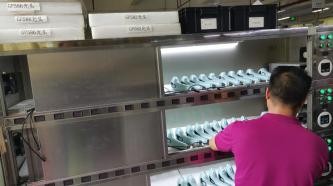
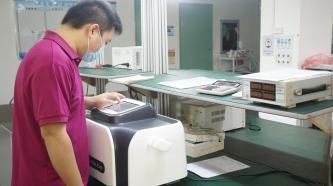
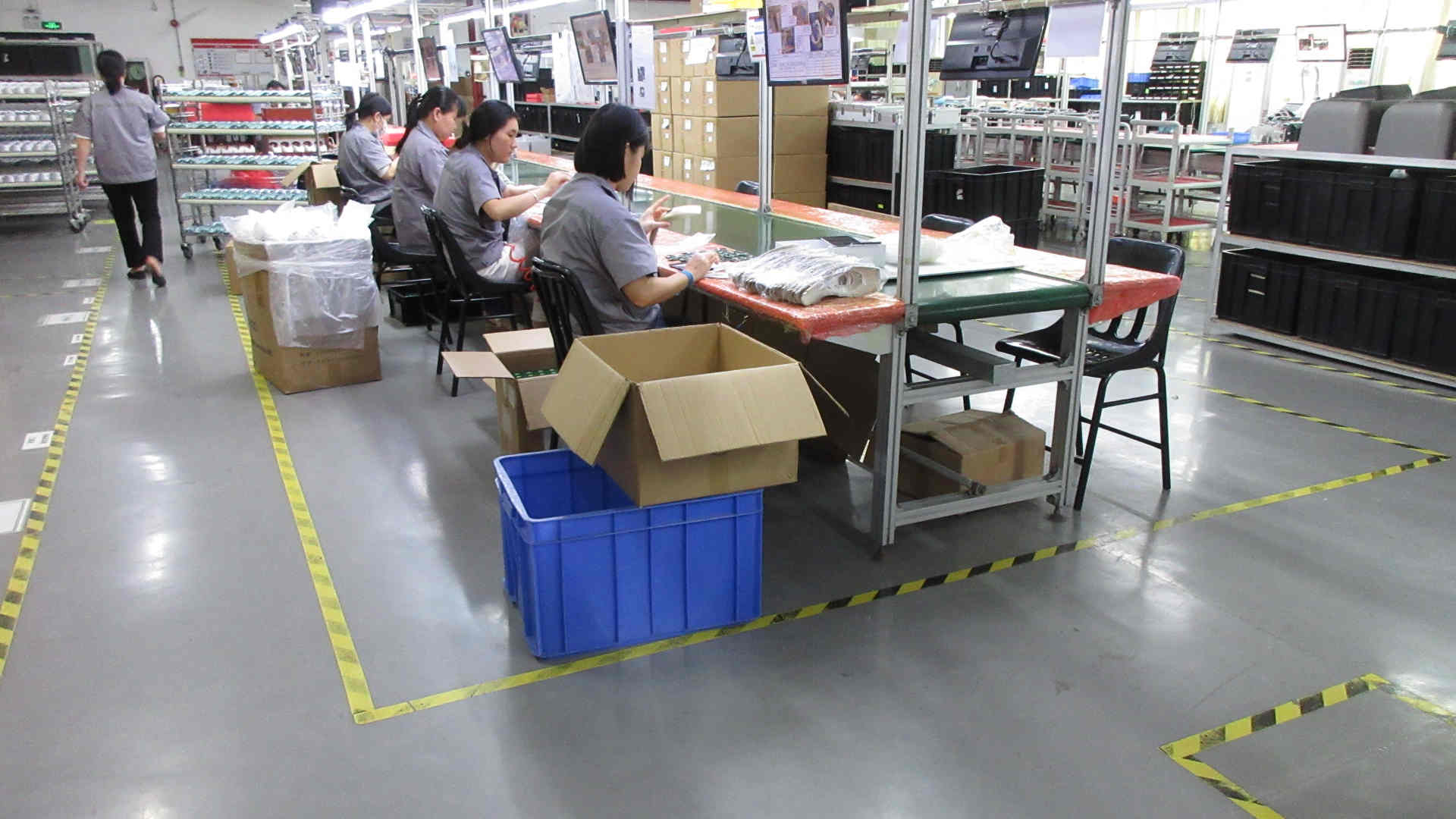
V-Cest Beauty maintains a strong competitive advantage in product development and quality control. Below is an overview of the structured production steps that ensure safety, stability, and compliance with international standards like CE Medical, TGA, and FDA 510(k).
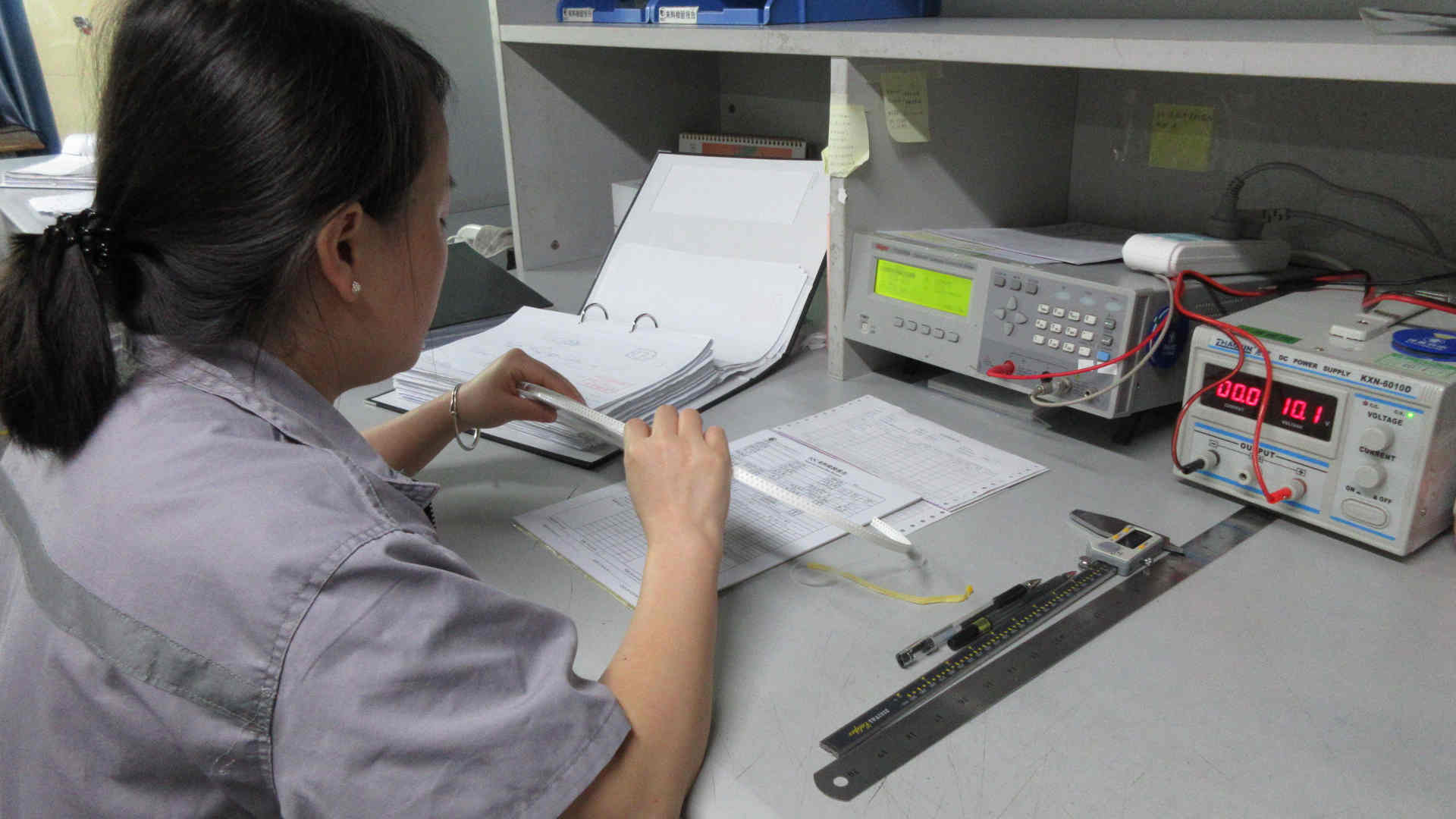
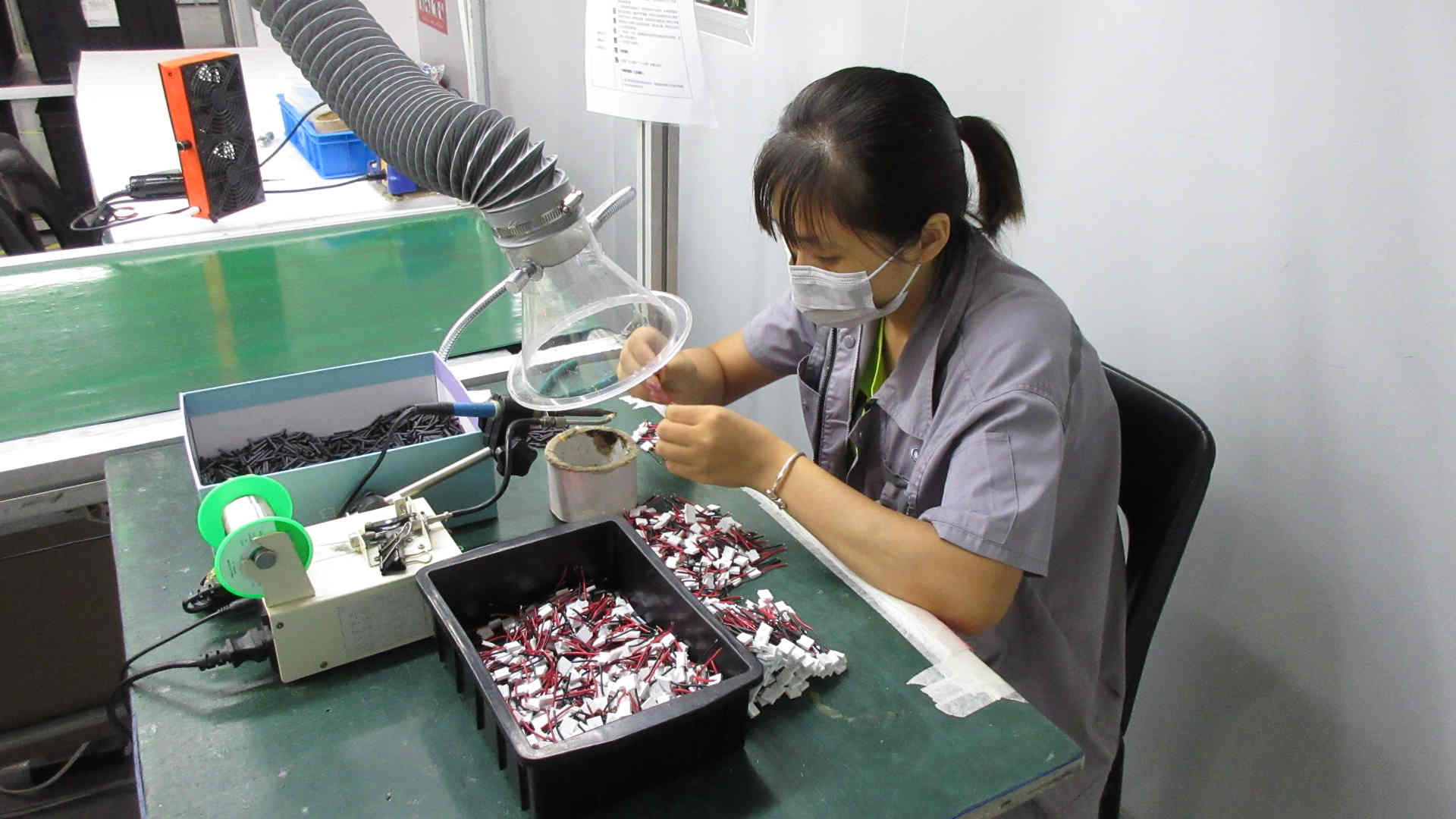
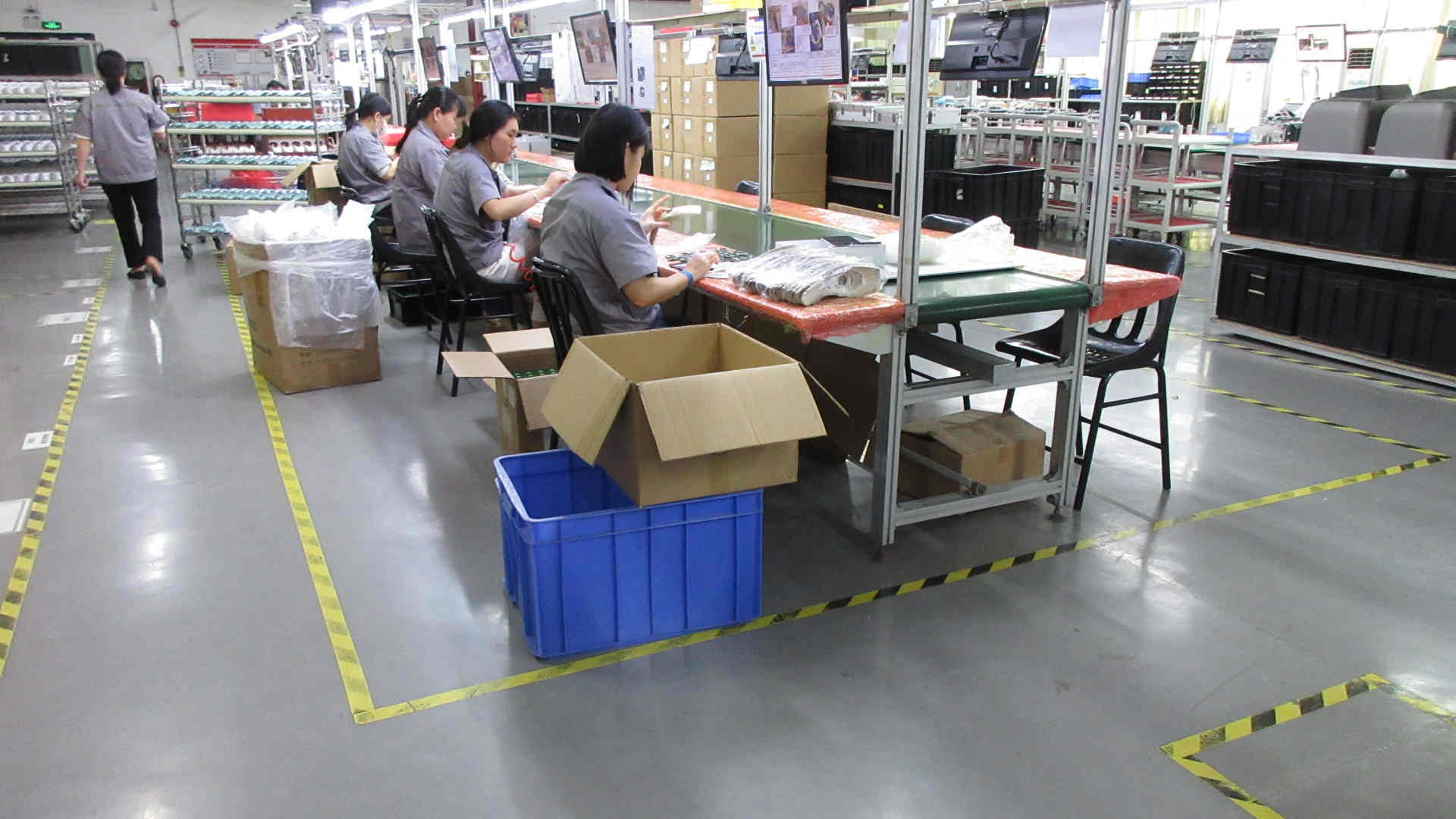
High-performance CO2 lasers offer clinics wide treatment options, optimizing resource utilization and improving patient satisfaction.
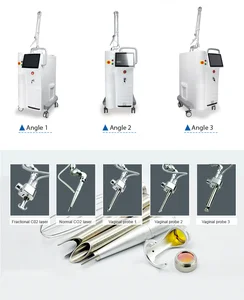
Treats severe acne scars, deep rhytids, actinic keratosis, and dyschromia. Fractional scan options permit tailored treatment densities to balance downtime and clinical efficacy.
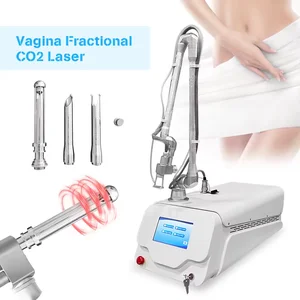
Utilizes dedicated 360-degree holographic probes to deliver gentle, uniform thermal energy. This stimulates collagen synthesis in the vaginal wall to address post-partum laxity and atrophy.
UltraPulse and Continuous Wave modes allow focused excision of epidermal lesions with minimal bleeding, lowering the risk of post-inflammatory hyperpigmentation (PIH).
When purchasing a CO2 fractional laser system, medical distributors and clinic purchasing departments should review key parameters to ensure safety, reliability, and technical quality:
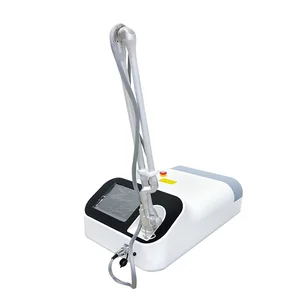
1. Optical Articulated Arm Design: A high-quality 7-joint articulated light guide arm is essential. Balanced counterweights and high-grade internal mirrors preserve power and keep spot geometric accuracy consistent throughout long treatments.
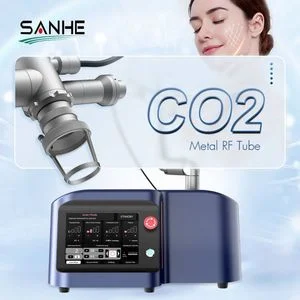
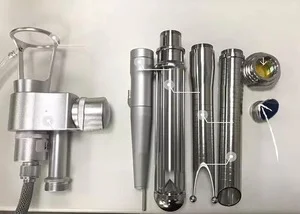
2. Laser Tube Technology (RF vs. Glass): Glass tubes are cost-effective but rely on water cooling and have a larger spot size, which can increase the risk of hyperpigmentation. RF-excited metal tubes (often imported from the USA) are air-cooled, support higher repetition rates, and produce a tighter focal spot, which minimizes patient thermal damage.
3. Adjustable Spot Size and Scanning Shapes: Versatile systems provide multiple scan shapes (circle, square, triangle, hexagon) and allow therapists to adjust spot density, shape size, and depth to match Fitzpatrick skin types.
4. Regulatory Compliance & Certifications: Exporters must provide full compliance paperwork, such as CE Medical (EU), TGA (Australia), and FDA 510(k) (USA). These certificates confirm the equipment meets medical-grade safety standards and supports smooth customs clearance.
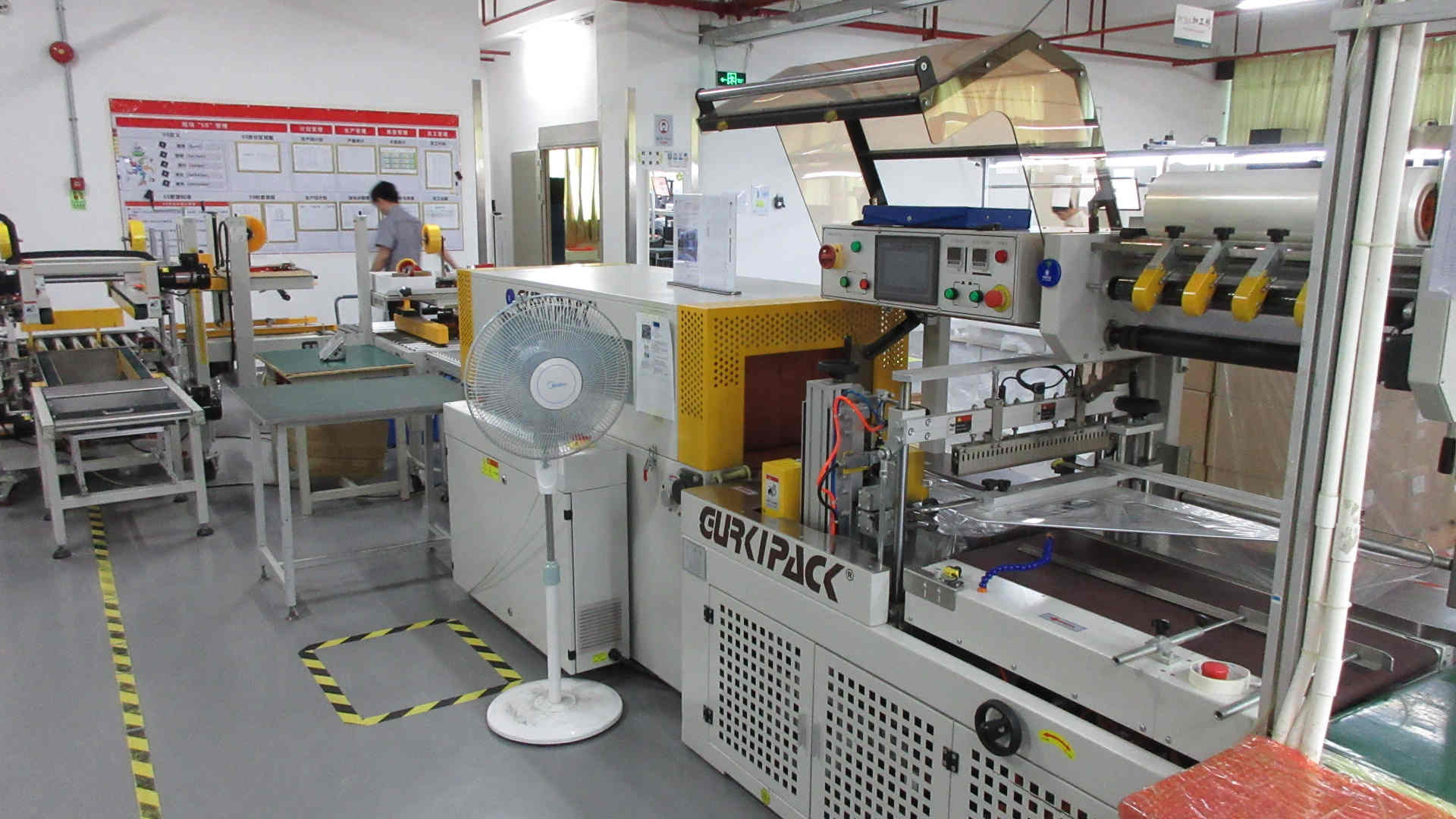
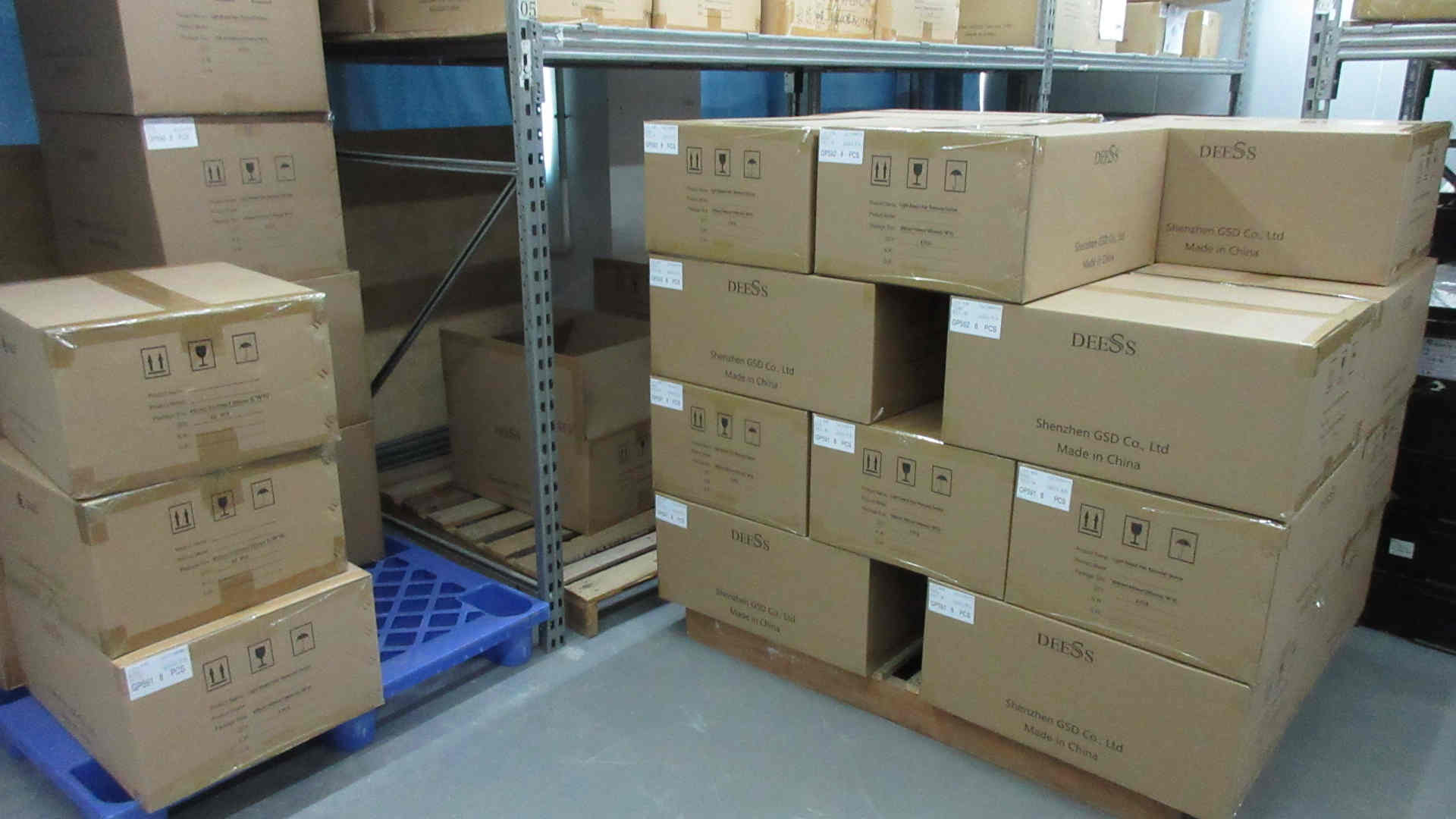
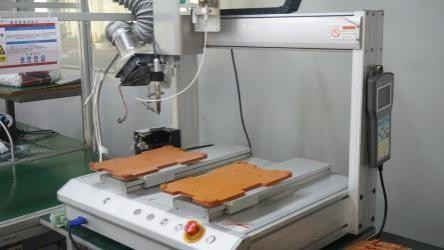
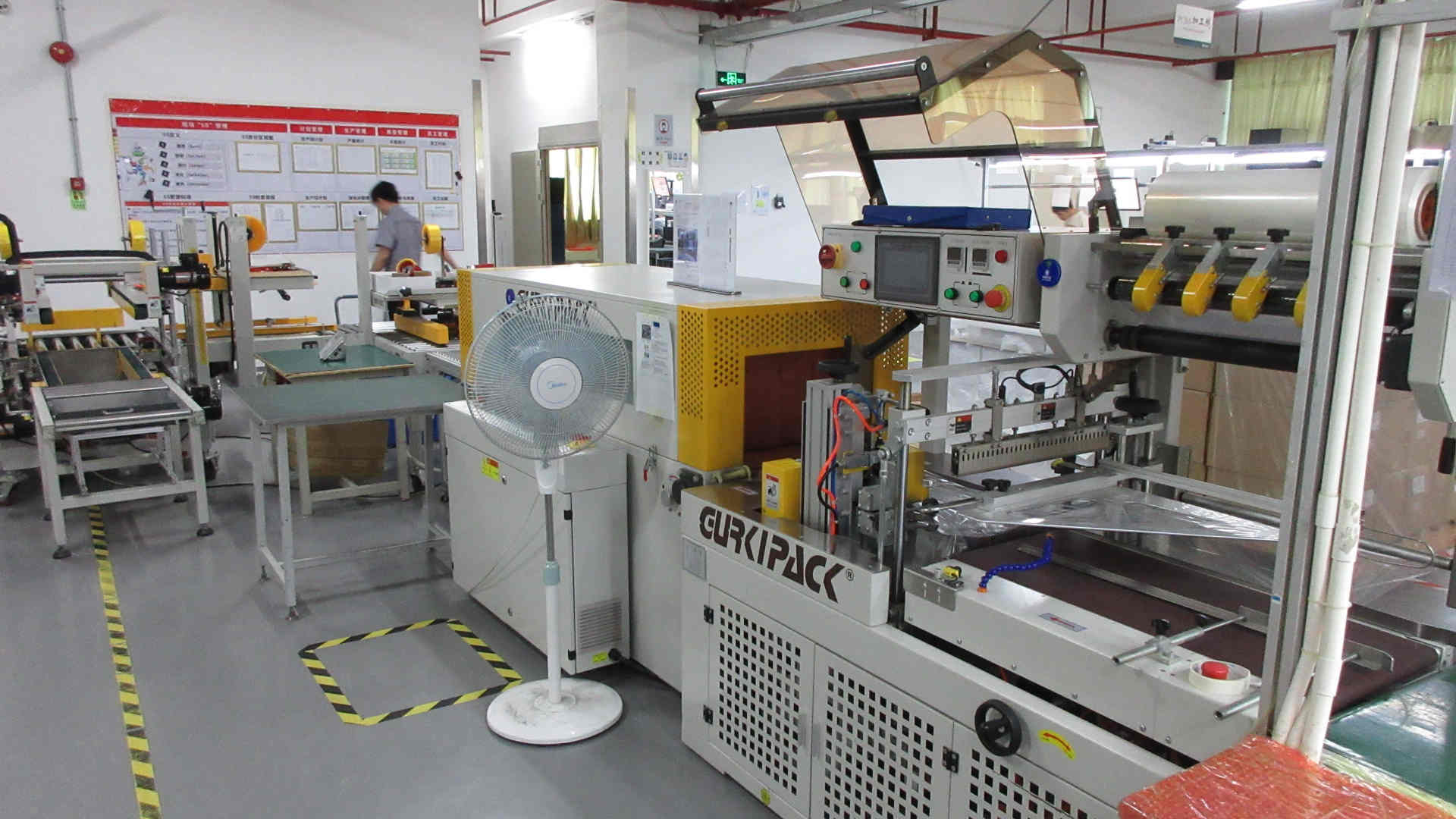
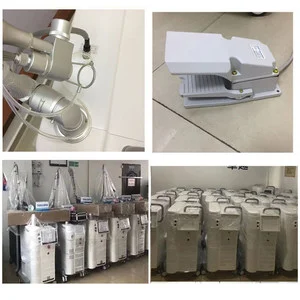
Supply Chain Stability: V-Cest Beauty relies on an automated manufacturing line, continuous-load testing, and automatic packing machines to keep production quality uniform and ensure safe global delivery.
Discover the latest research, digital workflows, and technical upgrades shaping the future of clinical aesthetic procedures.
Modern processors monitor real-time laser energy at the distal end of the articulated arm, compensating for temperature fluctuations to deliver consistent output.
Combining the deep thermal action of 10600nm lasers with superficial wavelengths (like 1540nm or 2940nm) targets multiple tissue layers in a single treatment.
Integrated skin-cooling systems protect the epidermis during high-energy procedures, lowering pain levels and reducing the need for topical anesthetics.
Answers to technical, regulatory, and mechanical questions for global distributors and aesthetic practitioners.
The 10600nm wavelength matches the peak absorption coefficient of water in human tissue. This enables high absorption, letting the laser vaporize water instantly in target zones. It creates precise micro-ablative channels (Microscopic Treatment Zones) that trigger deep dermal collagen synthesis while keeping surrounding tissue intact.
An RF-excited metal tube delivers much shorter pulse widths and sharper beam profiles, focusing energy precisely and minimizing thermal damage to surrounding tissue. This lowers patient pain, reduces the risk of post-inflammatory hyperpigmentation (PIH), and speeds up recovery. In addition, RF tubes last up to 20,000 hours, whereas glass tubes typically require replacement after 3,000 to 5,000 hours.
Depending on your regional requirements, importers should confirm the supplier offers valid CE Medical certificates (conforming to EU Regulation 2017/745), TGA clearance for Australia, or FDA 510(k) clearance for the United States. These certificates verify that the laser systems meet safety standards for optical radiation, electrical isolation, and biocompatibility.
During our factory process, we use automated welding and assembling lines to secure optical components. The 7-joint articulated arms are calibrated with precision fixtures and locked into shockproof housings. Equipment is shipped in custom-engineered aluminum flight cases packed with dense cushioning to protect optical components from vibration.
Treatments typically begin with an assessment of the patient's Fitzpatrick skin type, followed by the application of a topical anesthetic for 30-45 minutes. Practitioners adjust pulse energy (mJ) and scan density (spots/cm²) depending on indications (e.g., shallow scars vs. deep wrinkles). Healing takes 5 to 7 days, and patients should follow a strict post-treatment regimen of gentle moisturizers and broad-spectrum sunscreen.
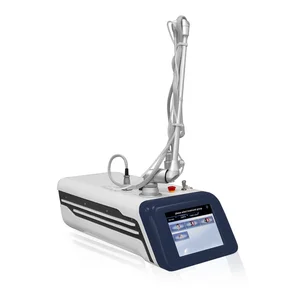
Explore our full range of 10600nm laser devices, built for long-term clinical reliability and precise treatment outcomes.
 V-Cest Beauty