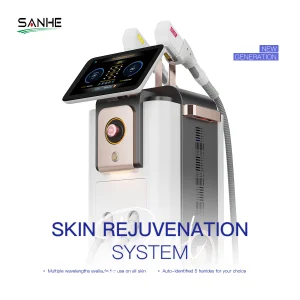
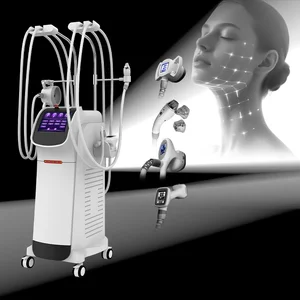
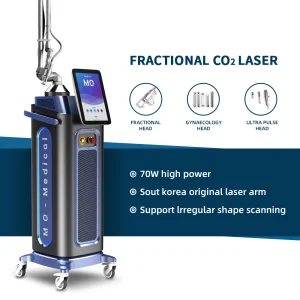
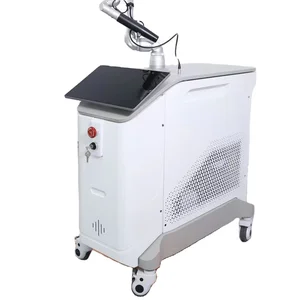
Premium optoelectronic and energy-based medical devices engineered for world-class clinical environments.
In the highly competitive global aesthetic market, precise diagnostic validation is no longer optional—it is the baseline for clinical credibility. As global dermatology clinics, medspas, and cosmetic distributors elevate their service standards, skin analyzer devices have transitioned from simple magnification tools to high-throughput multi-spectral imaging ecosystems powered by artificial intelligence.
Chinese manufacturers have established global dominance in this sector by integrating complex optoelectronic architectures with deep-learning facial analysis models. These systems enable non-invasive, objective quantification of key sub-epidermal biomarkers, including melanin distribution, hemoglobin concentrations, pore structure degradation, sebum levels, and structural elastosis.
By capturing dermal optical signatures across multiple light spectra—including Standard RGB, Cross-Polarized light, and Ultraviolet (UV) fluorescence—professional skin diagnostic platforms deliver an empirical roadmap for subsequent clinical interventions, directly driving the efficacy of lasers, RF, and topical therapeutics.
Analyzing the strategic criteria, volume dynamics, and system requirements of international institutional buyers.
Multi-location clinics require centralized cloud databases, HIPAA-compliant patient management APIs, and consistent diagnostic calibration across all regional nodes to build trust and upsell treatments.
Global wholesale distributors prioritize flexible OEM/ODM integration, localized software translation layers, and reliable hardware maintenance schedules to secure market share and maintain high capital margins.
Formulators and cosmetic giants integrate skin analyzer SDKs into proprietary applications to recommend targeted topical products based on algorithmic skin health scores, increasing direct-to-consumer conversions.
A Globally Integrated Leader in High-End Aesthetic Equipment R&D and Precision Manufacturing
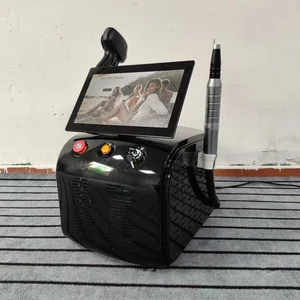
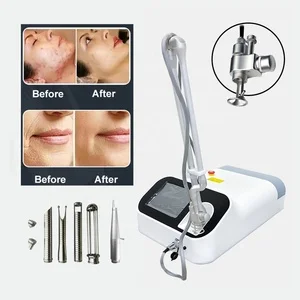
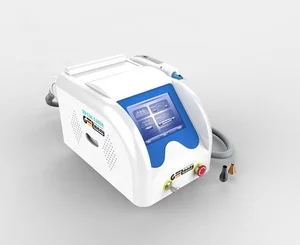
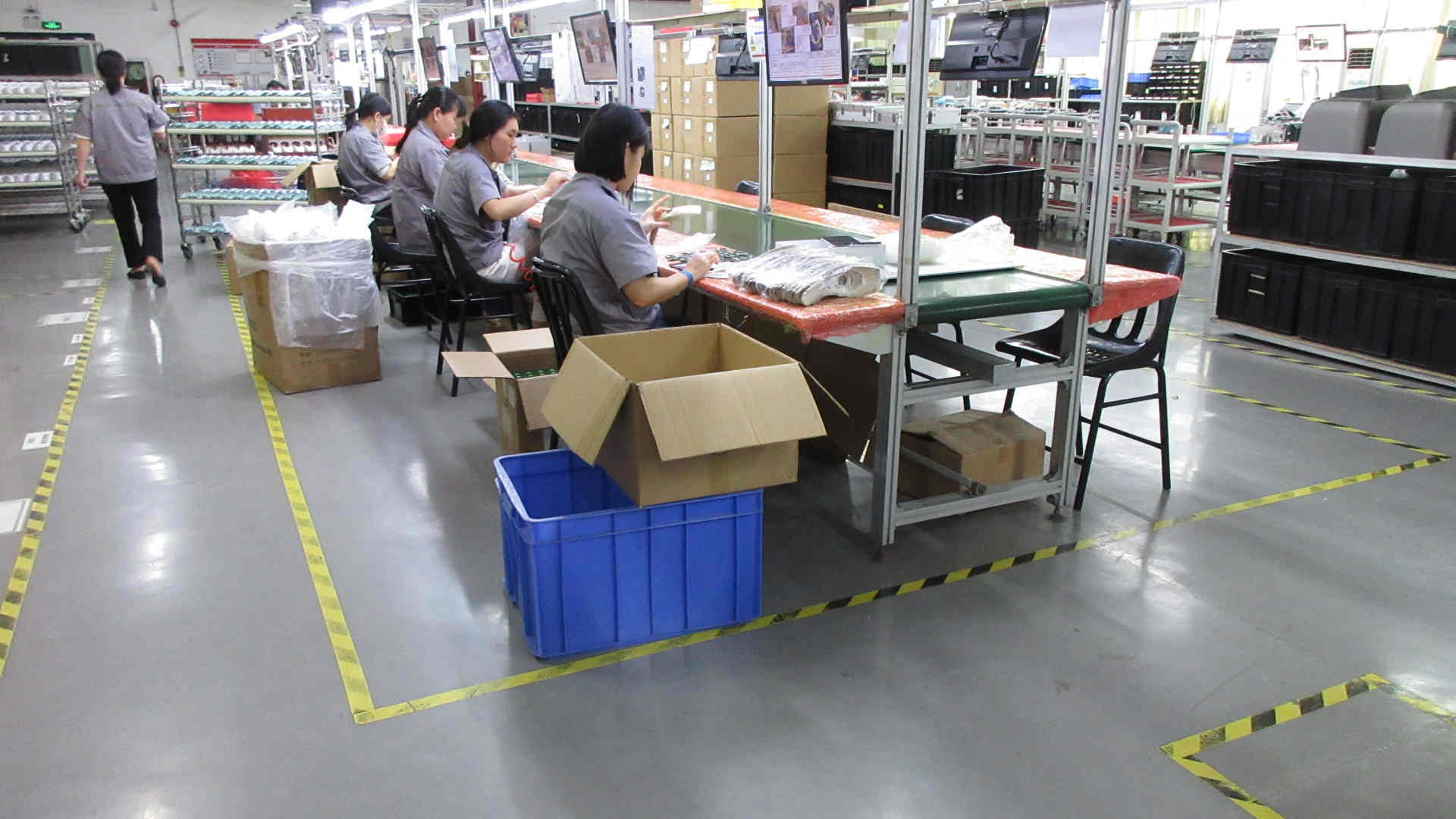
Beijing V-Cest Beauty Co., Ltd. is an international enterprise specializing in the R&D and global export of high-end aesthetic and beauty equipment. The company is committed to bringing China’s advanced beauty technology and intelligent manufacturing capabilities to the global market. Its core business focuses on professional beauty devices, covering a wide range of applications including hair removal, anti-aging, skin whitening, skin tightening, deep cleansing, and comprehensive skincare management, providing one-stop equipment solutions for beauty clinics, distributors, and brand partners worldwide.
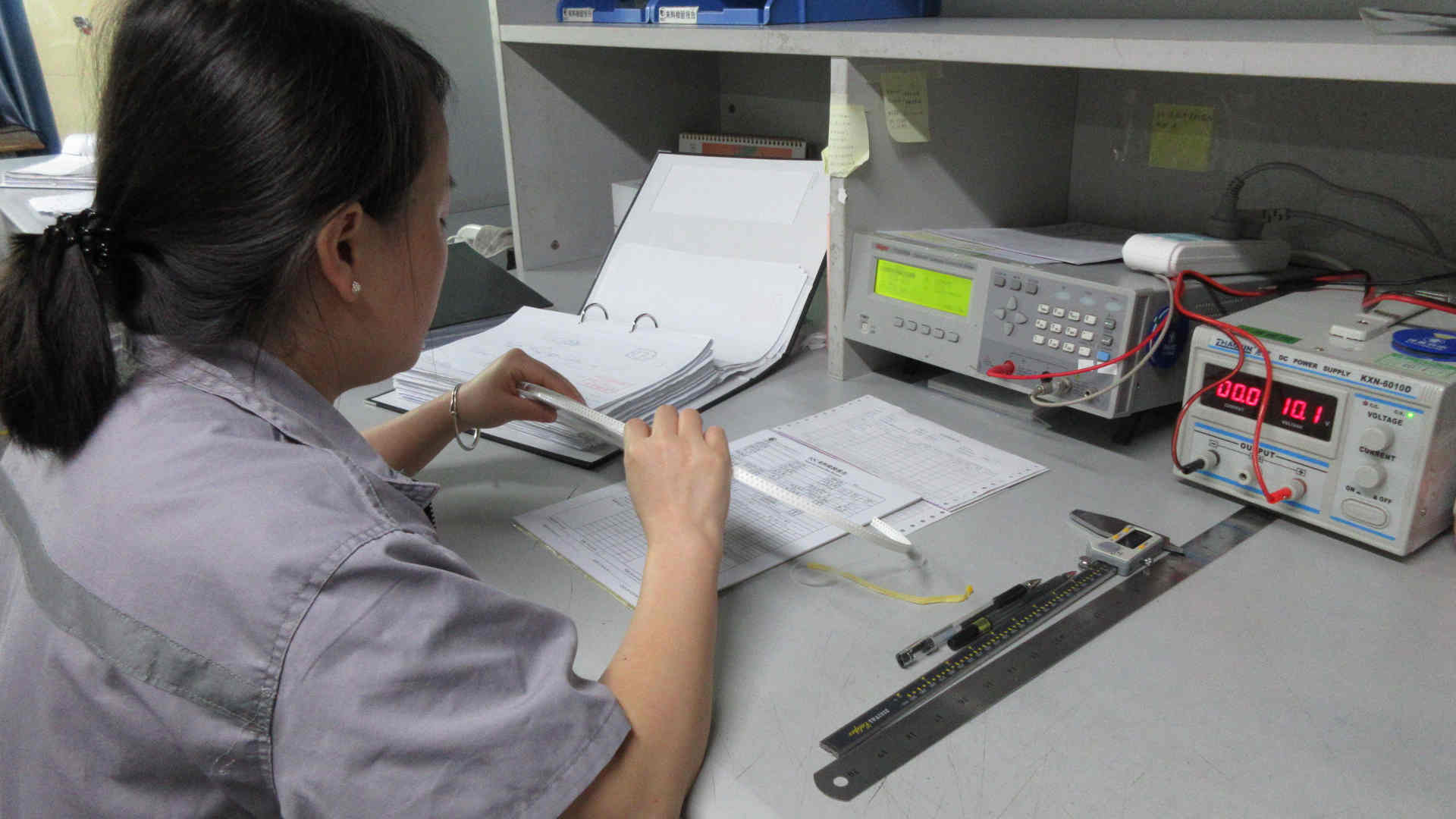
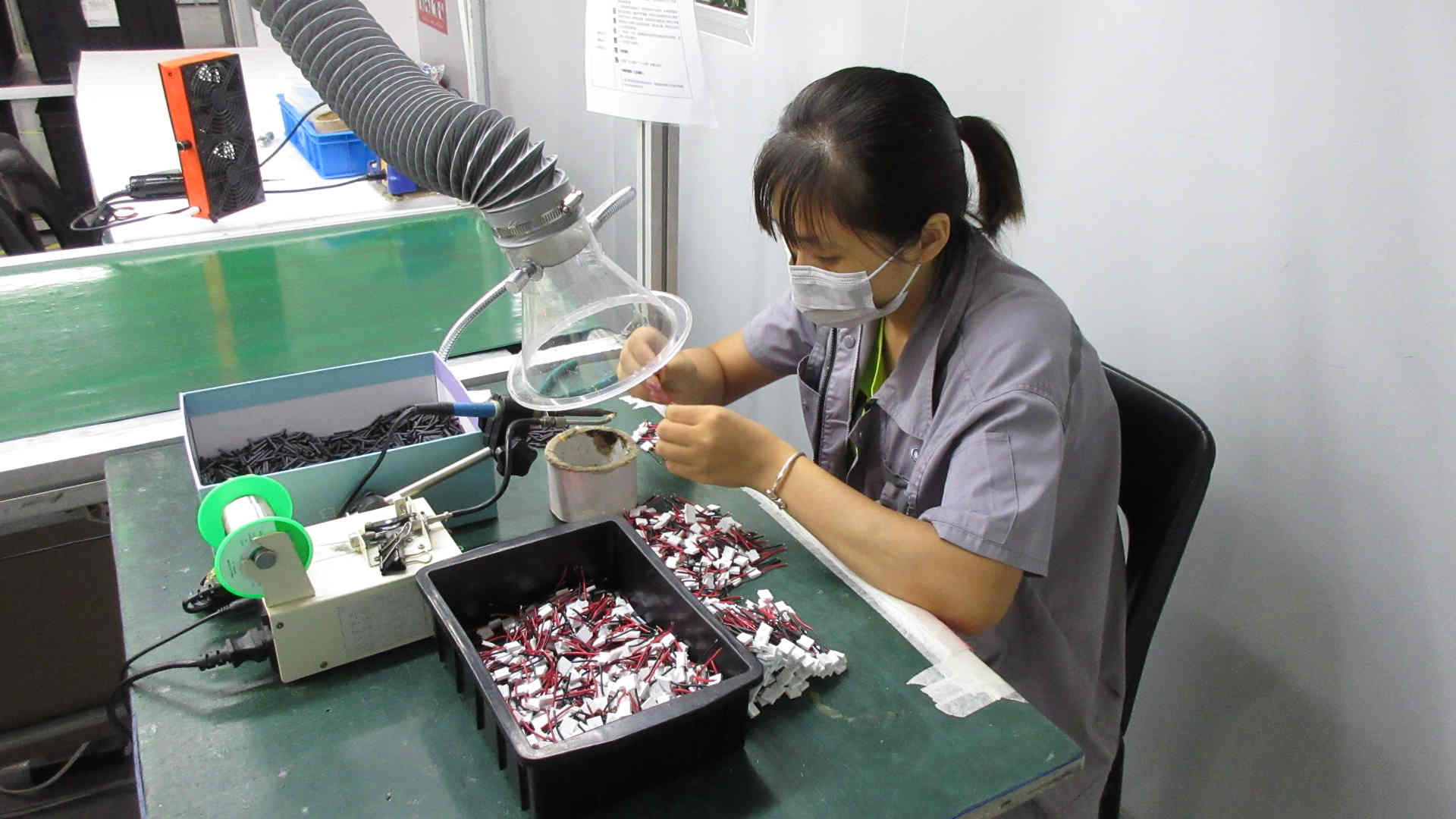
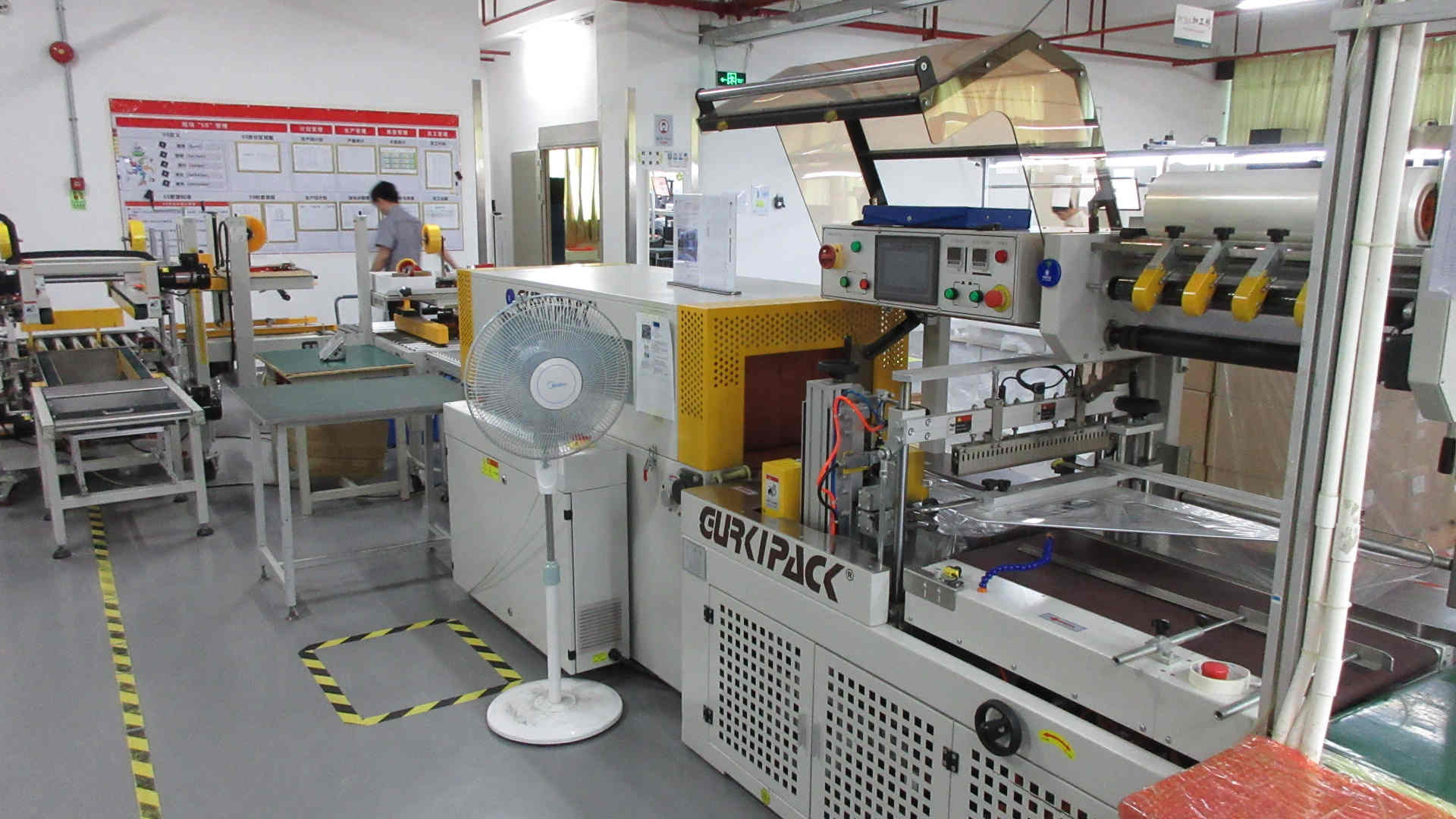
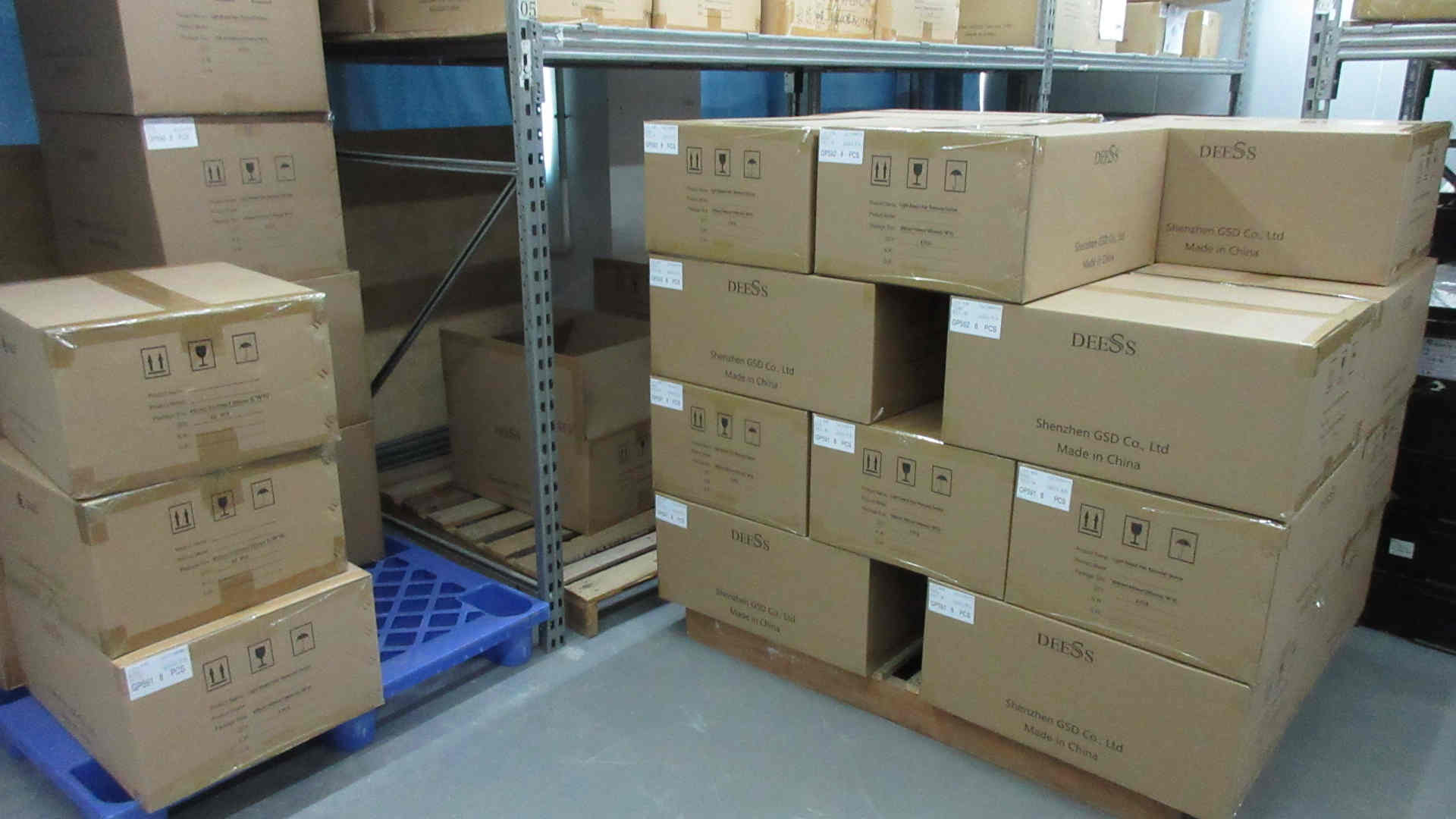
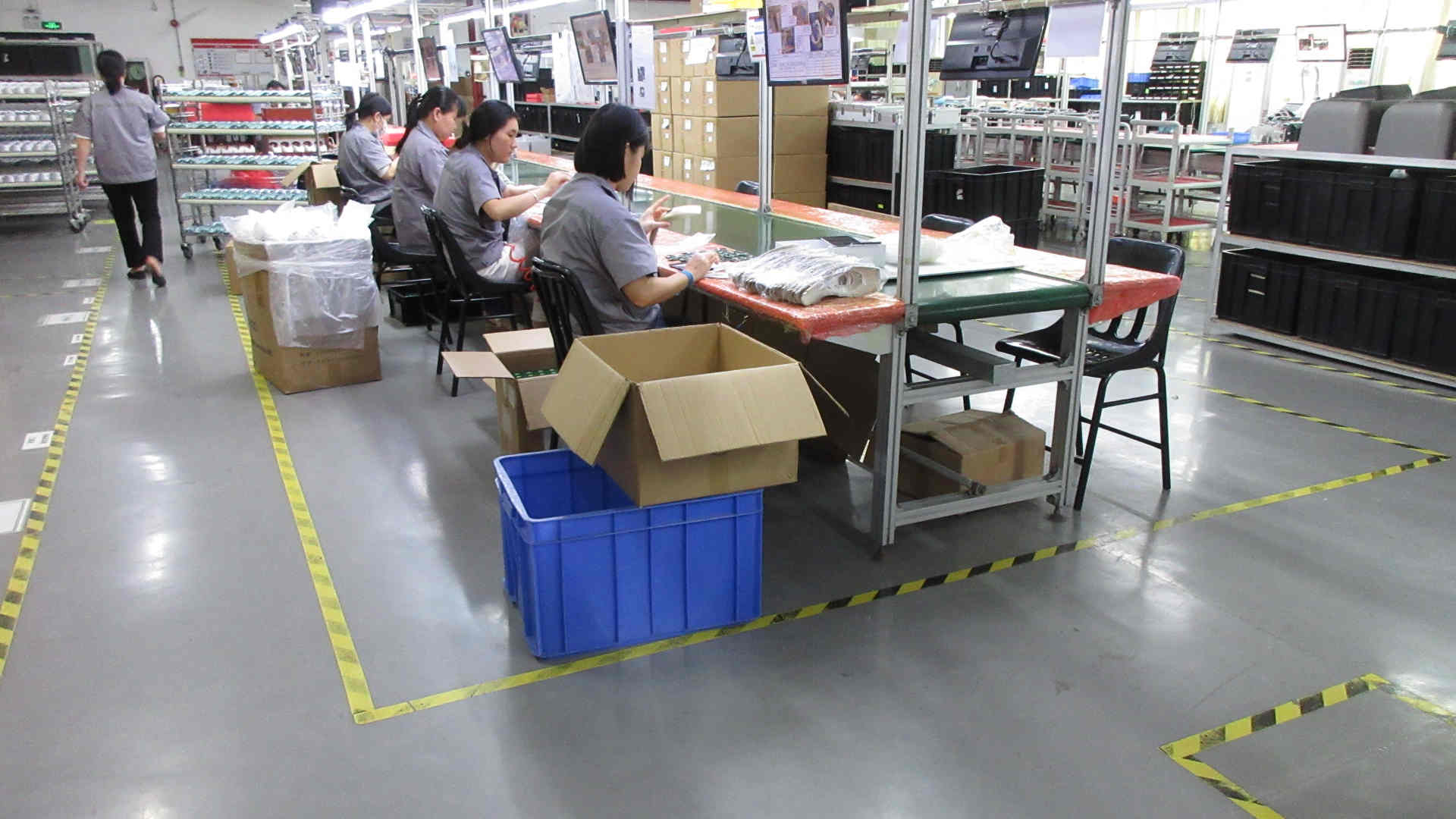
With a well-established vertically integrated supply chain and extensive industry expertise, Beijing V-Cest Beauty has built a strong competitive advantage in product development, quality control, and global service capabilities. The company continuously integrates a diverse portfolio of premium beauty devices while driving ongoing innovation and technological upgrades to ensure high standards of safety, stability, and performance that meet international market requirements.
In terms of global expansion, V-Cest Beauty’s business network spans across emerging and mature markets, including Russia, Eastern Europe, Central Asia, the Middle East, South America, and Southeast Asia. Through flexible OEM/ODM customization services, co-branding development, and professional technical support, the company helps partners build localized brand competitiveness and achieve sustainable growth in their respective markets.
In addition, the company places strong emphasis on R&D investment and innovation partnerships, actively exploring advanced technologies such as radio frequency (RF), laser, ultrasound, and high-intensity focused energy systems for both clinical and consumer-grade aesthetic devices. It is also continuously expanding its product portfolio and application scenarios while strengthening its digital operations and after-sales service systems to enhance global customer experience and long-term value.
Looking ahead, Beijing V-Cest Beauty Co., Ltd. will continue to deepen its global strategic footprint, strengthen technological innovation and international collaboration, and further enhance the global influence of “Made in China” within the beauty and wellness industry, becoming a key bridge connecting China’s high-end beauty technology with the international market.

Bridging pure optical diagnosis with revenue-generating clinical operational models.
Skin analysis devices serve as the ultimate objective arbiter within clinical spaces. By utilizing advanced multi-spectral cameras to capture sub-dermal imperfections invisible to the naked eye (such as emerging melasma, deep hydration loss, and UV-damaged cellular networks), operators can provide patients with visual proof of their skin status.
This objective visualization builds instant trust, creating a frictionless pathway to prescribe intensive laser treatments, chemical peels, or RF microneedling therapies. Pre- and post-treatment report comparisons validate the patient's financial investment, guaranteeing elevated retention and referral rates.
Our digital solutions extend beyond the physical device. Modern skin diagnostic configurations support seamless data synchronization across desktop software, iPad terminals, and client-facing WeChat/WhatsApp mini-programs or web portals.
Through secured RESTful API structures and centralized database clusters, clinic networks can access historical patient files from any branch globally. Distributors can monitor hardware health metrics via IoT integrations, providing preemptive maintenance warnings and software patch installations.
Pioneering the next era of optical analysis, artificial neural networks, and real-time dermal simulation.
Moving beyond standard 3-light RGB filters to map up to 30 narrow-band spectral intervals. This allows non-invasive tracking of chromophore densities, dynamic blood perfusion patterns, and localized tissue oxygenation levels.
By training Convolutional Neural Networks (CNNs) on millions of global clinical profiles, future engines can simulate skin degradation cycles up to 10 years in advance, or predict skin quality recovery rates following specific laser treatments.
Future iterations act as centralized smart hubs. Real-time skin moisture and elasticity readings are instantly paired with automated dosing pumps on advanced mesotherapy platforms, formulating personalized aesthetic treatments in real time.
Navigating the complex landscape of international medical-aesthetic equipment certification and distribution.
We build skin analyzers utilizing state-of-the-art secure software configurations. This guarantees that patient photo records, demographic databases, and skin diagnostic profiles conform strictly to global security frameworks, allowing trouble-free deployment in HIPAA-regulated and GDPR-regulated regions.
To support international distributors, all device software is designed to accommodate multi-language UI systems. We offer customization paths for translation adjustments, corporate branding integrations, and automated PDF export design configurations localized to the target demographic.
In-depth technical and commercial answers regarding global skin analysis procurement and maintenance.
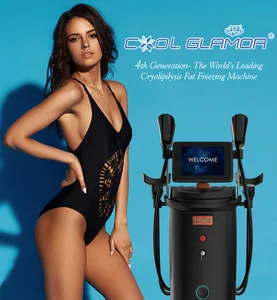
Advanced body contouring, cryo-sculpting, fractional laser, and skin resurfacing technologies.
 V-Cest Beauty