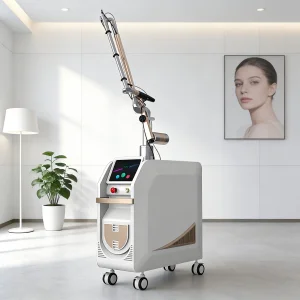
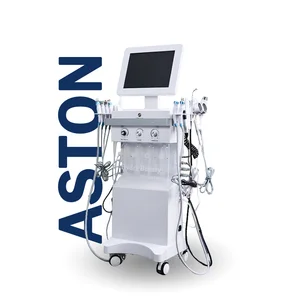
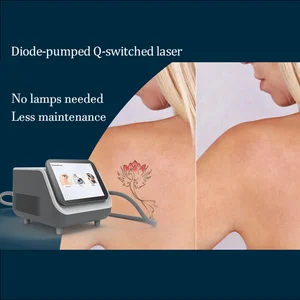
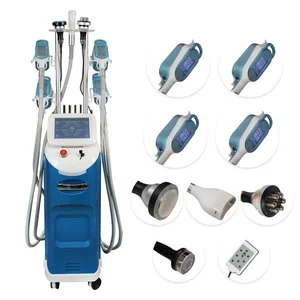
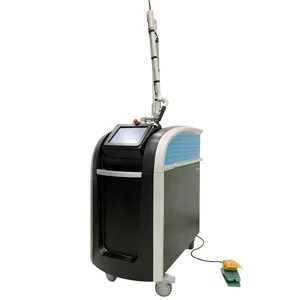
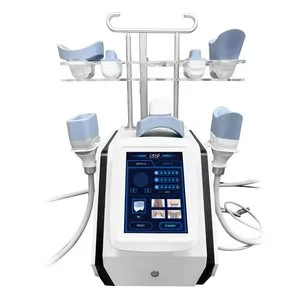
Pioneering non-invasive dermatological systems and body contouring technologies for global clinics and medical spas.
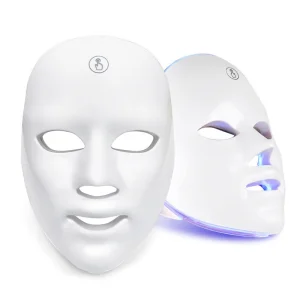
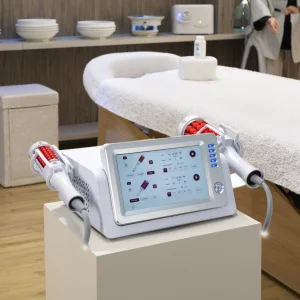
The global aesthetic device market is undergoing a seismic shift. Rapid developments in energetic transdermal technologies—specifically radiofrequency (RF), high-frequency electrical currents, and advanced optical systems—have transitioned the industry from invasive surgical interventions to highly specialized, non-invasive therapies. High-frequency facial devices have emerged as critical components in professional dermatological practices and home-use medical settings alike. High-frequency systems, characterized by the utilization of alternating currents (often ranging from 100,000 to 250,000 Hz), act upon the skin through thermal energy and the ionization of ambient air. This reaction creates neon or argon gas discharge, initiating a localized generation of singlet oxygen. The biological consequences include immediate vascular micro-dilation, accelerated lymphatic return, and a powerful antibacterial environment that targets Cutibacterium acnes.
From a commercial perspective, market analysis estimates the global non-invasive aesthetic devices sector to exceed USD 18 billion by 2028, sustaining a compounding annual growth rate (CAGR) of over 12%. This robust growth is heavily fueled by the democratization of skin-rejuvenation protocols in emerging markets across South America, Central Asia, and the Middle East, while established Western economies in North America and Western Europe demand increasingly reliable and highly customizable platforms. To satisfy these global specifications, manufacturers must offer platforms capable of continuous operation, precise energy calibration, and multi-functional versatility.
Scientific Core: High-frequency technology operates by generating high-rate oscillation currents. Through various glass electrode modalities filled with inert gases, this oscillation causes molecular agitation in target tissues, leading to heat production, tissue oxygenation, and micro-current biostimulation.
The aesthetic hardware sector is transitioning from single-mechanism systems to multi-technology configurations. Modern users and medical spa operators demand devices that integrate disparate modalities—such as combining high-frequency plasma with microcurrents, or hydro-dermabrasion with high-intensity focused ultrasound (HIFU). The primary development trends guiding the next generation of aesthetic devices include:
Understanding regional demographic patterns is essential for successful global distribution. In East Asia, the prevailing treatment paradigm focuses on pigment clearance, skin whitening, and rapid, non-inflammatory pore refinement. High-frequency plasma and picosecond lasers are highly sought after to combat hyperpigmentation and stimulate rapid epidermal cell turnover without causing post-inflammatory hyperpigmentation (PIH).
Conversely, in North America and Western Europe, the market is heavily dominated by demand for facial contouring, deep wrinkle reduction, and localized fat reductions. Here, high-frequency treatments are integrated as preparatory steps for deeper radiofrequency skin-tightening and multi-stage hydro-dermabrasion processes. In emerging regions, including Eastern Europe, Central Asia, and the Middle East, distributors prioritize comprehensive platforms—like 14-in-1 hydro-oxygen devices and standing multi-wavelength laser systems—which allow newly established aesthetic clinics to maximize their treatment menus using a single investment capital.
A vertically integrated production model implementing rigid IQC-to-FQC protocols to deliver clinical-grade reliability.
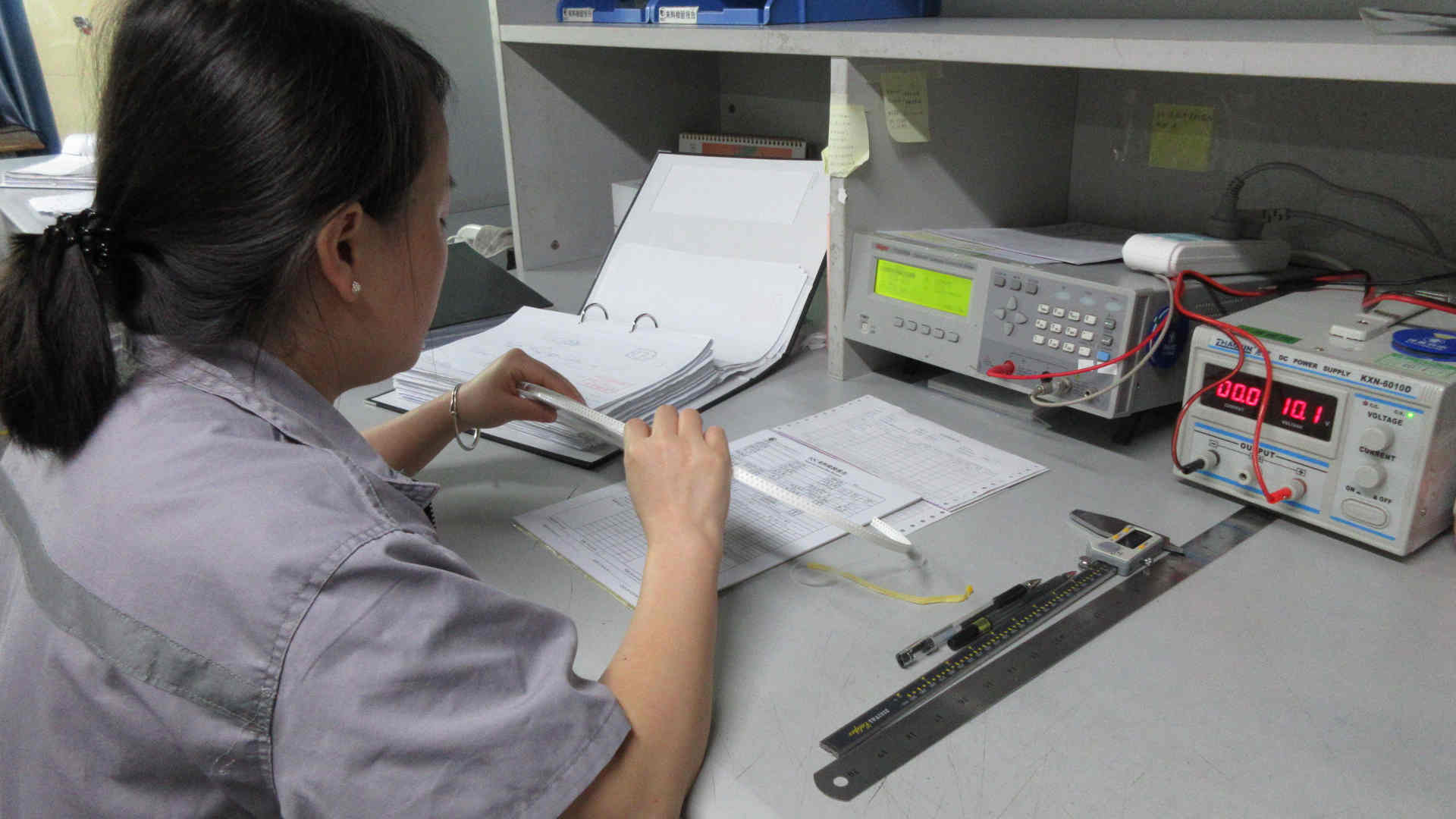
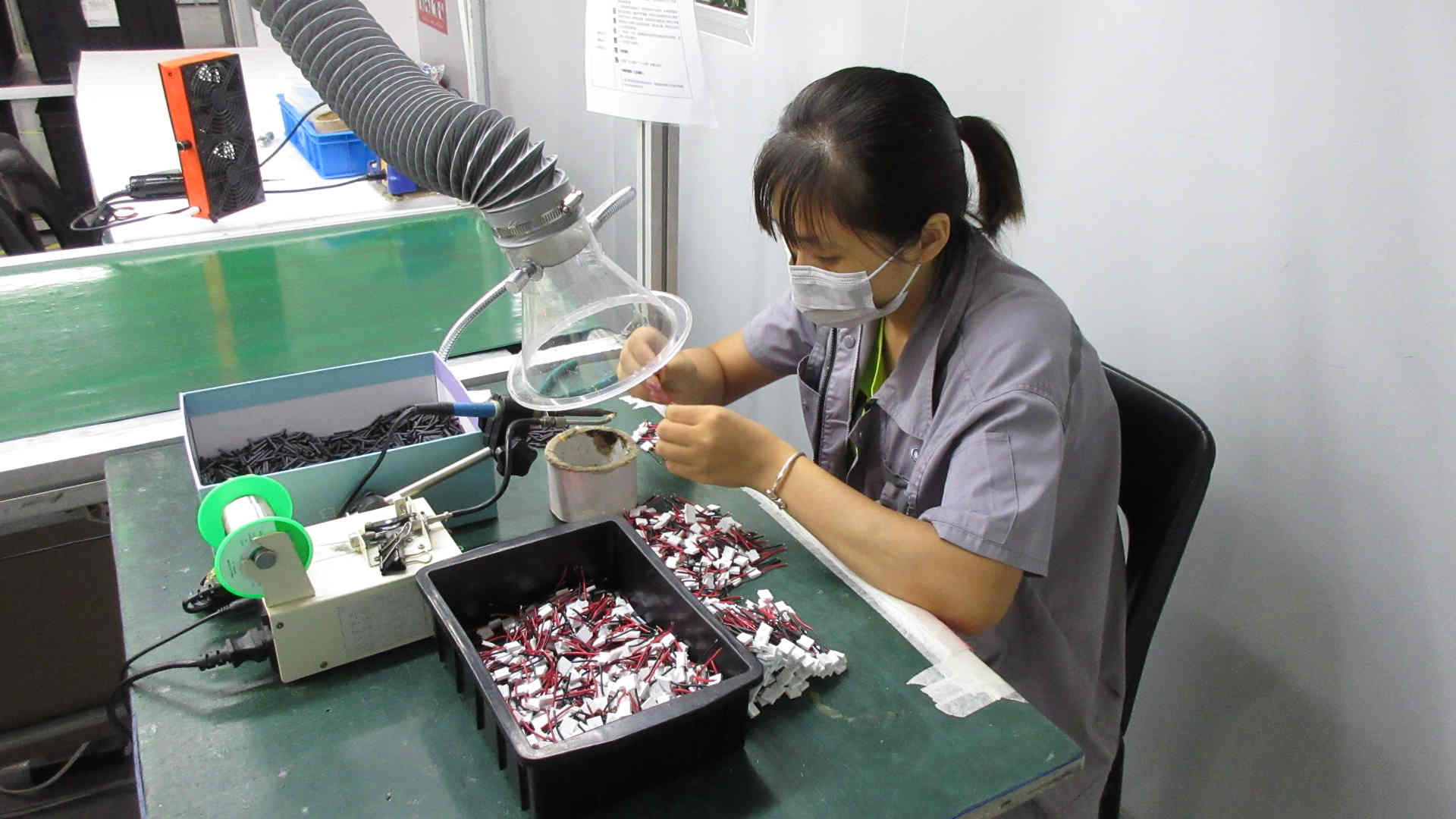
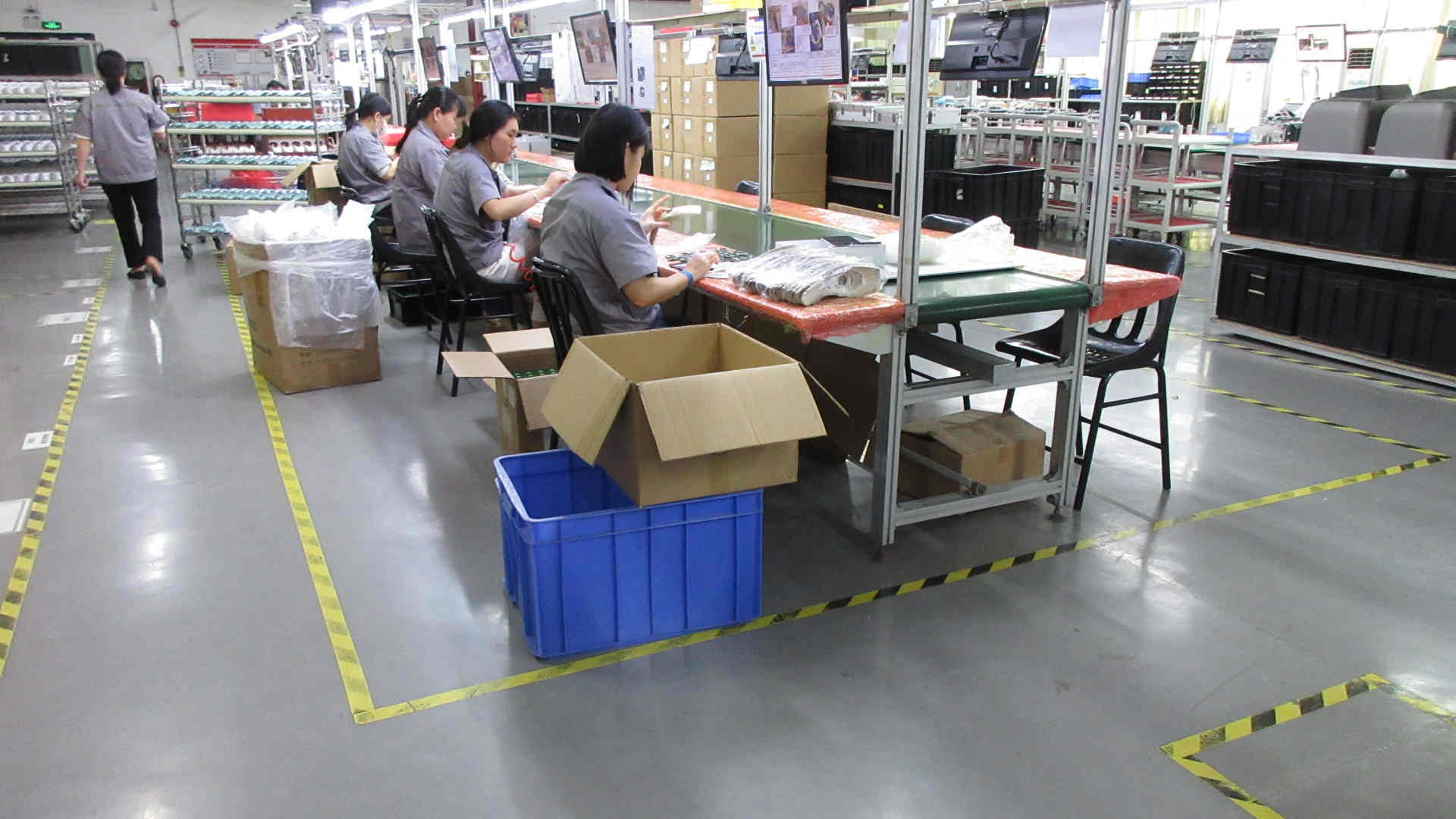
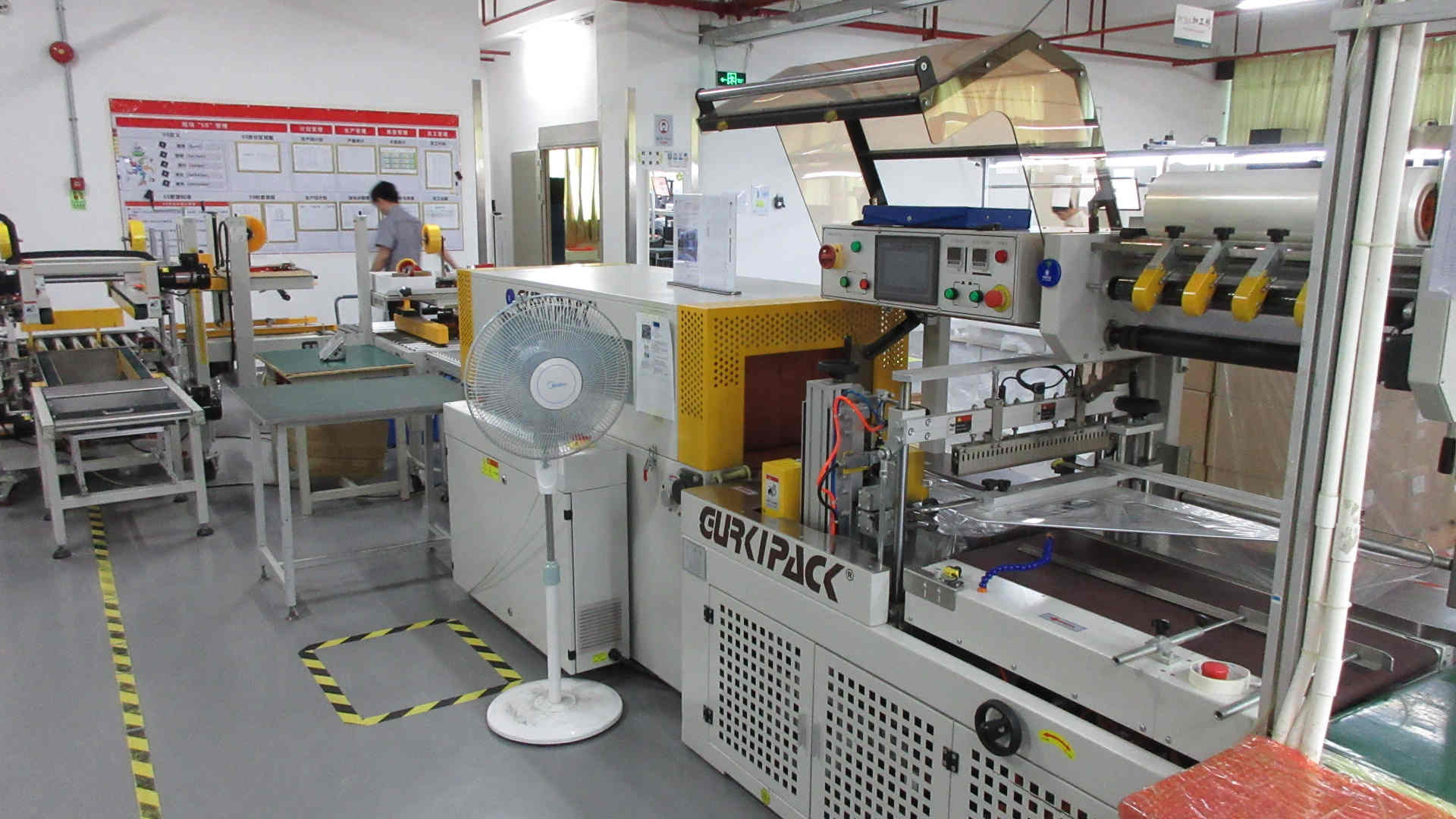
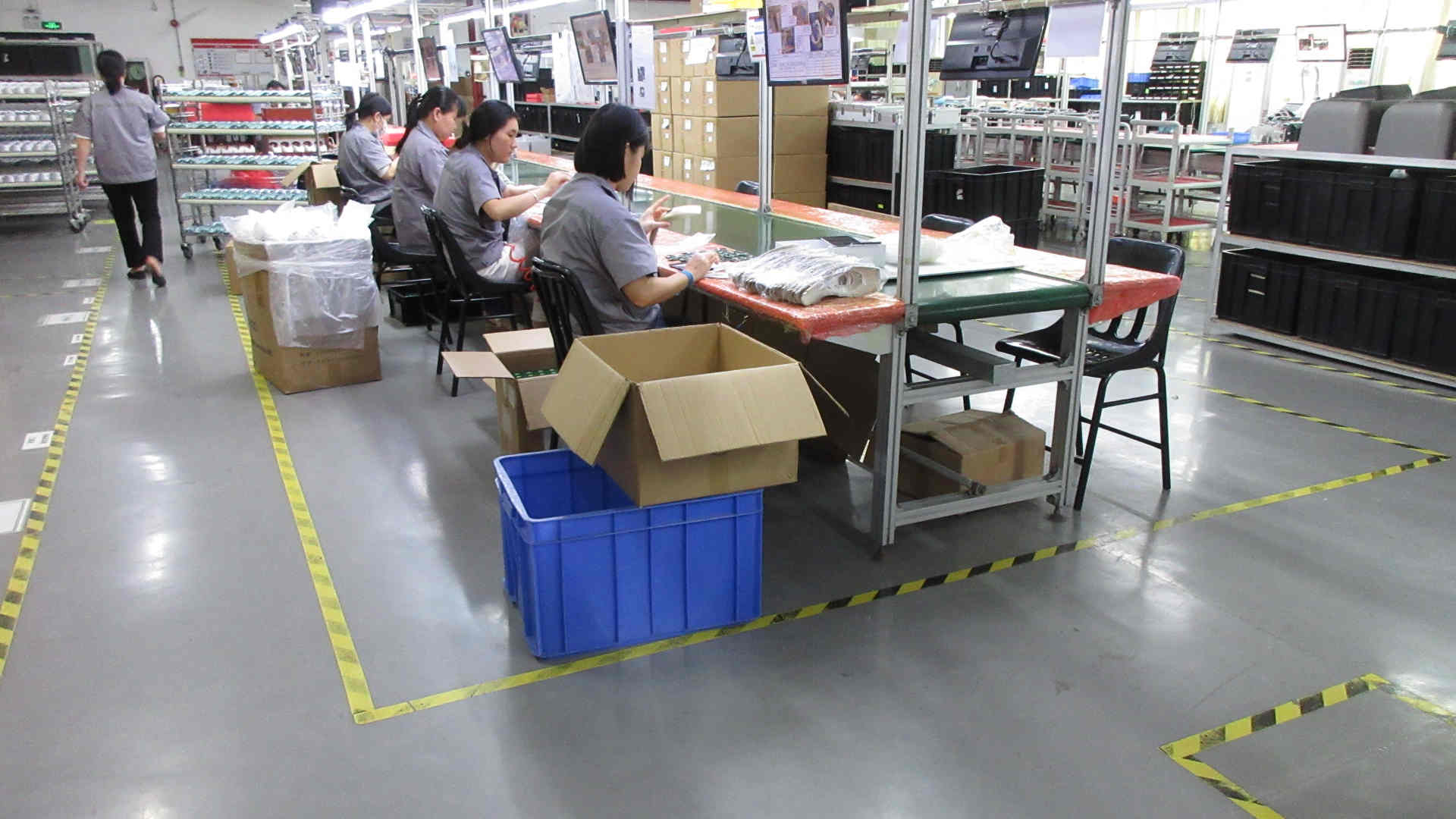
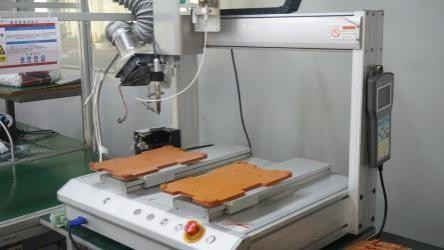
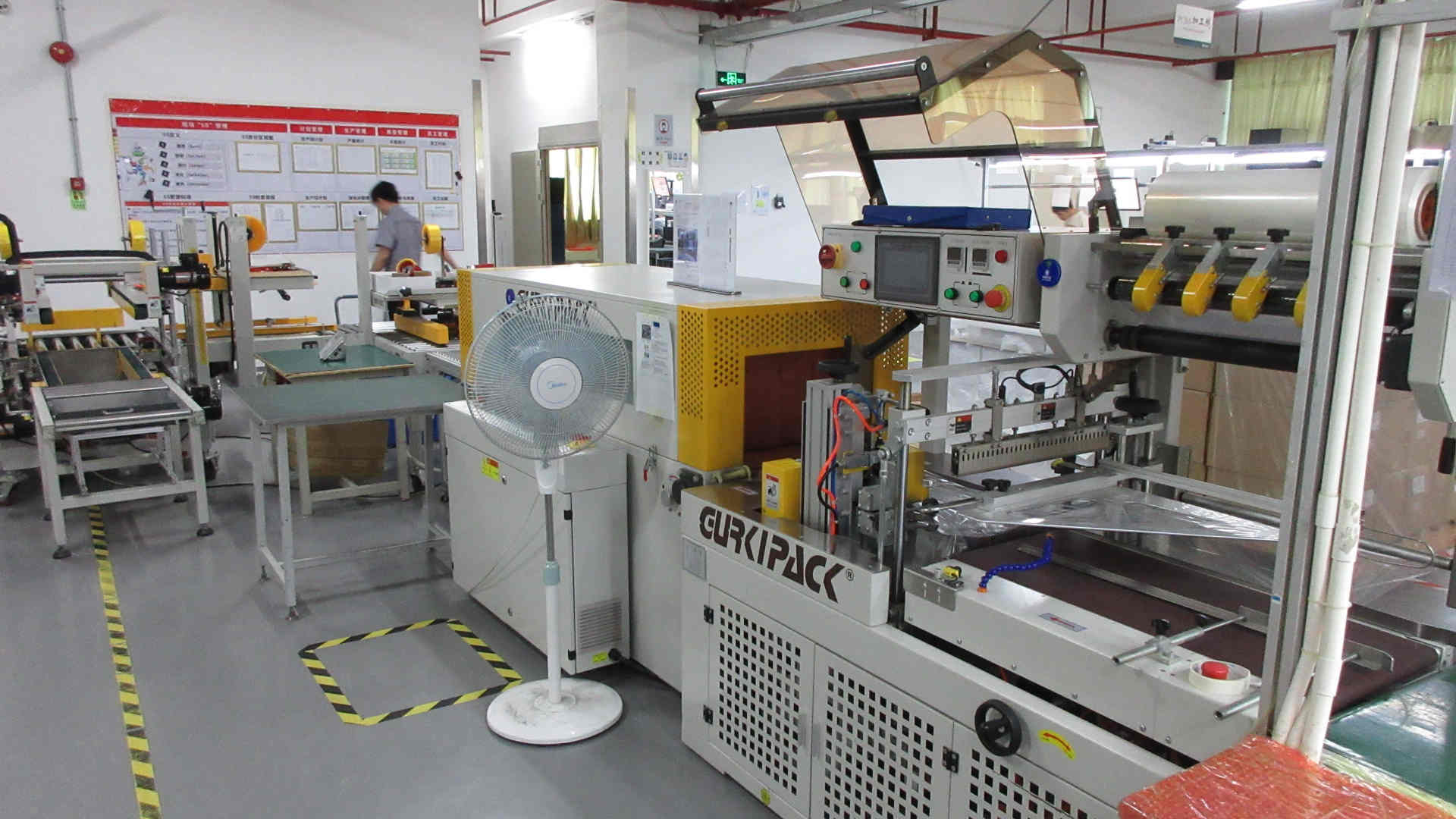
Beijing V-Cest Beauty Co., Ltd. maintains a state-of-the-art production ecosystem designed to fulfill strict international medical and aesthetic device regulations. The company's core competitive advantage lies in its comprehensive vertical integration: from high-precision PCB assembly and automatic welding to computerized aging diagnostics and final packaging. Our facility houses dedicated assembly lines where advanced beauty technologies—such as radiofrequency (RF), lasers, ultrasounds, and electromagnetic energy systems—are transformed into market-ready physical platforms.
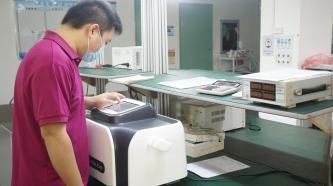
Every piece of equipment undergoes a rigorous multi-stage testing process. Raw electronic elements are cataloged and verified through Incoming Quality Control (IQC). After precision electronic welding and structural assembly, the systems undergo an intensive, multi-hour electrical and thermal aging phase. This ensures that transformers, capacitors, laser modules, and high-frequency wave-generators operate stably under prolonged peak conditions. Final Quality Control (FQC) assesses wavelength accuracy, power output parameters, and ergonomic integrity before units move to our automatic packing systems for secure global dispatch.


The hardware trajectory for high-frequency facial devices is heavily influenced by advances in Solid-State RF design and multi-spectral plasma emission. Historically, high-frequency devices relied on analog transformer systems with manual physical dials, which resulted in slight variances in output voltage and electrical arc consistency. The modern paradigm features integrated digital microprocessors, enabling precise, high-speed feedback.
Looking forward, the integration of Artificial Intelligence (AI) algorithms with dermal sensors represents the next evolutionary leap. These systems will map the skin's moisture content, sebum levels, and structural thickness prior to therapy, automatically adjusting the output voltage and frequency. In addition, the development of targeted gas-mixture chambers within glass electrodes will allow for localized, clinical-grade micro-dosing of custom ionized gas structures, providing targeted antibacterial, soothing, or anti-aging therapeutic pathways for various dermatological disorders.
For global B2B buyers—including medical spa developers, medical aesthetics franchises, and international distribution agencies—procuring technology involves addressing three primary structural challenges: supply chain reliability, technical compliance, and rapid customization capacity.
Beijing V-Cest Beauty provides end-to-end B2B solutions designed to streamline these challenges. Our OEM/ODM pipeline offers a comprehensive path from industrial design and 3D prototyping to regulatory testing and packaging design. We secure vital international certifications (including CE, RoHS, and localized compliance parameters) to ensure smooth custom clearance and rapid product launches. Through our global distribution partnerships, we offer technical and clinical training systems, enabling local sales teams to master operational guidelines and deliver first-tier customer support.
Tailored logo integration, custom chassis structures, specialized color schemas, and tailored packaging configurations.
Rigorous certification pathways ensuring seamless integration into Western and Eastern regulatory frameworks.
Comprehensive video, user manuals, and online interactive courses for clinical personnel.
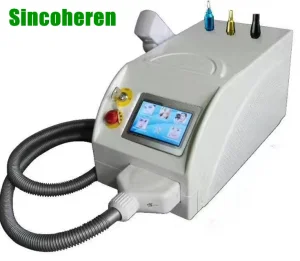
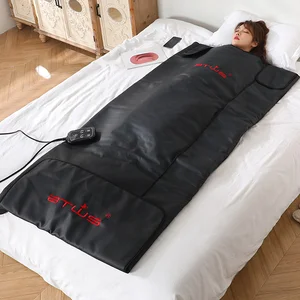
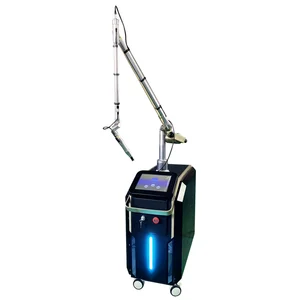
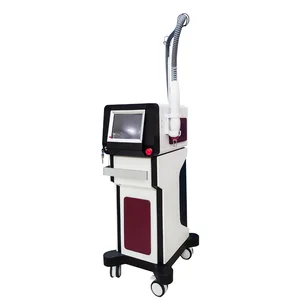
Professional-grade tattoo removal, body contouring, and physiotherapy technologies for premium aesthetic distributors.
 V-Cest Beauty