Next-Generation Muscle Recovery & Soft Tissue Restoration Systems
A comprehensive analysis of global industrial trends, clinical bio-mechanics, localized integration strategies, and the technological manufacturing roadmap of Beijing V-Cest Beauty Co., Ltd.
1. Executive Summary & The Paradigm Shift in Tissue Recovery
In the contemporary landscape of clinical sports science, professional athletics, and medical cosmetics, the boundary between aesthetic body sculpting and physical muscle rehabilitation has dissolved. Historically, muscle recovery devices were localized to manual physiotherapy clinics or basic pneumatic compression sleeves. Today, a paradigm shift driven by biophysical stimulation, microvibration, thermic energy modulation, and cryotherapy has revolutionized how human soft tissue is repaired and maintained.
As a leading pioneer in high-end medical-aesthetic and recovery hardware, Beijing V-Cest Beauty Co., Ltd. has vertically integrated these disciplines. By fusing radio frequency (RF), cellular cryotherapy, and mechanized endospherical rollers, we supply the international market with tools that target both myofascial tension and subcutaneous cellular detoxification. This paper outlines the macro-industrial landscape, engineering frameworks, and supply-chain logistics that define our output as China’s premium wholesale manufacturer and developer.
2. Global Commercial & Industrial Status
The global demand for non-invasive soft tissue therapy and body recovery devices is expanding at a CAGR of 8.4%. This rapid trajectory is fueled by several macro-environmental factors:
The Consumerization of Sports Medicine: Everyday fitness consumers demand recovery modalities that mimic the professional locker rooms of Olympic athletes.
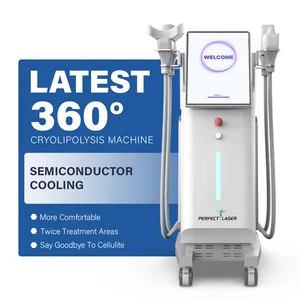
Clinical Cross-Pollination: MedSpas, dermatology clinics, and commercial salons are scaling up body services. By utilizing dual-purpose systems (e.g., cryolipolysis engines that double as cold-shock therapeutic systems), operators maximize their return on investment (ROI).
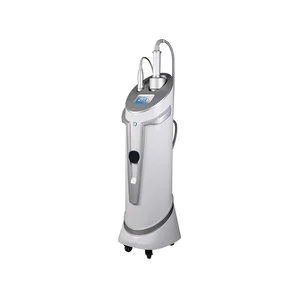
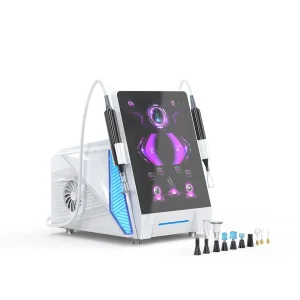
Post-Surgical Protocols: Non-invasive mechanical tissue rollers (such as Endosphere systems) are increasingly integrated into post-liposuction and lymphatic drainage therapies to accelerate microvascular recovery and tissue remodeling.
Europe and North America represent the largest market shares for aesthetic and rehabilitation recovery devices. Concurrently, emerging regions in Eastern Europe, Central Asia, and the Middle East are experiencing the fastest deployment rates. To penetrate these markets, distributors must access reliable OEM/ODM partners capable of delivering medical-grade components certified to meet stringent international standards (including CE and RoHS).
To deliver true therapeutic value (Information Gain) for distributors and medical directors, we must categorize recovery tech into five biological avenues:
Microvibration Therapy
Employs mechanical roller technology to generate low-frequency vibrations, targeting deep myofascial structures, stimulating lymphatic circulation, and eliminating lactic acid buildup.
Cryolipolysis & Thermal Shock
Uses rapid thermal shifts to cycle between cold and hot temperatures. This process stimulates vaso-constriction and vaso-dilation, accelerating cellular energy transfer (ATP production).
Fractional Laser & RF Energy
Utilizes electromagnetic RF and lasers to penetrate deep dermal and fascial barriers, promoting collagen remodeling, increasing local blood flow, and relieving deep tissue inflammation.
Clinical Insight: The utilization of microvascular mobilization (such as our ADG Endosphere 2 in 1 system) is clinically proven to lower extracellular fluid pressure. This accelerates the clearance of inflammatory cytokines after high-intensity training or surgical trauma, reducing downtime by up to 40% compared to traditional manual recovery protocols.
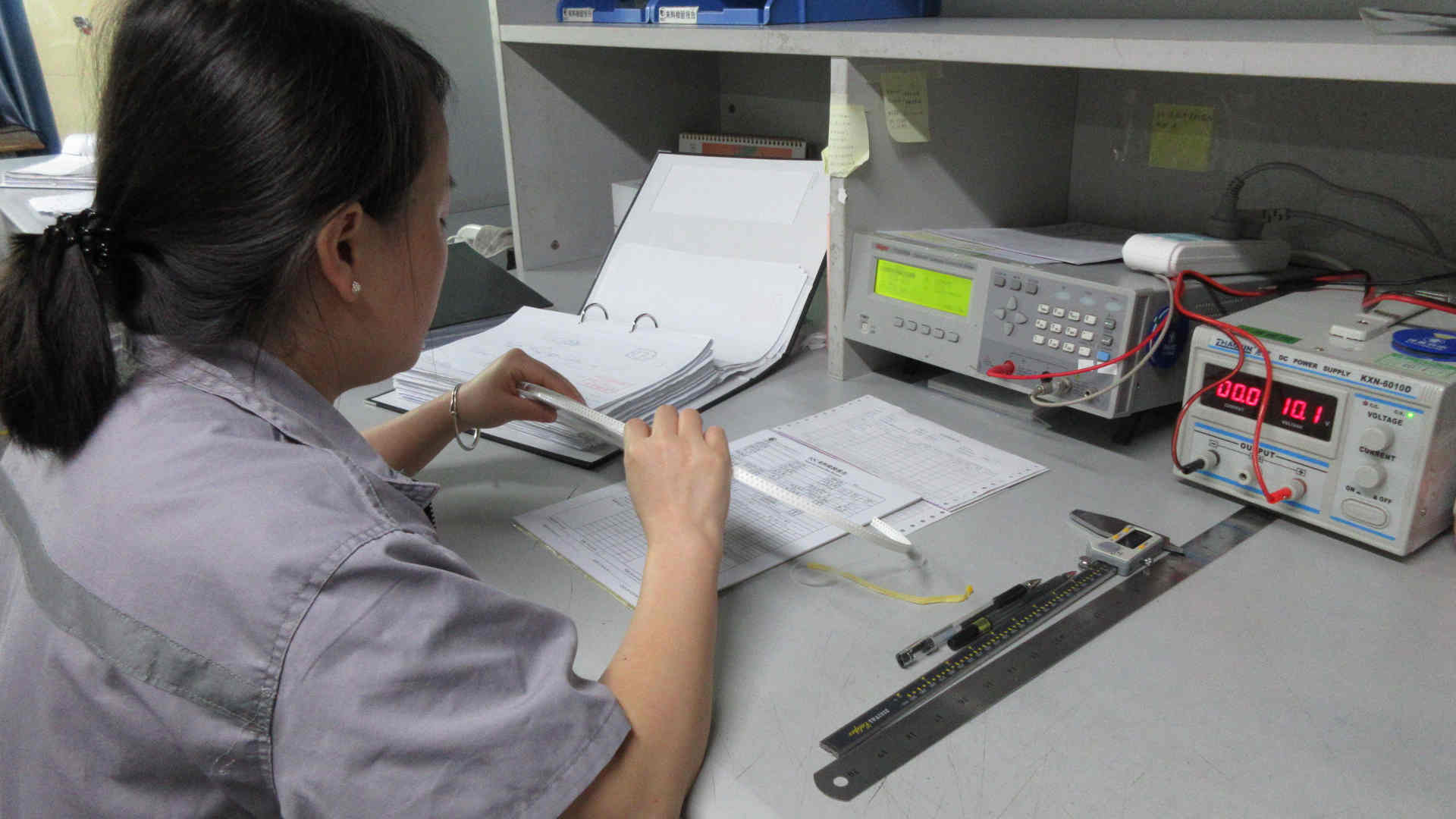
At Beijing V-Cest Beauty Co., Ltd., quality is not a metric checked at the end of the line—it is integrated into every step of our manufacturing pipeline. Our facility functions under stringent international standards, combining expert technician craftsmanship with advanced robotic automation.
1. Incoming Quality Control (IQC)
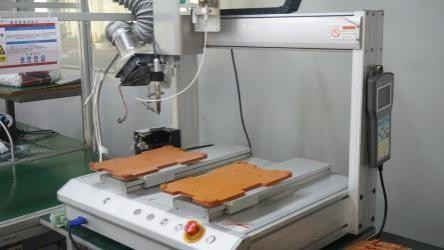
2. Automatic Welding
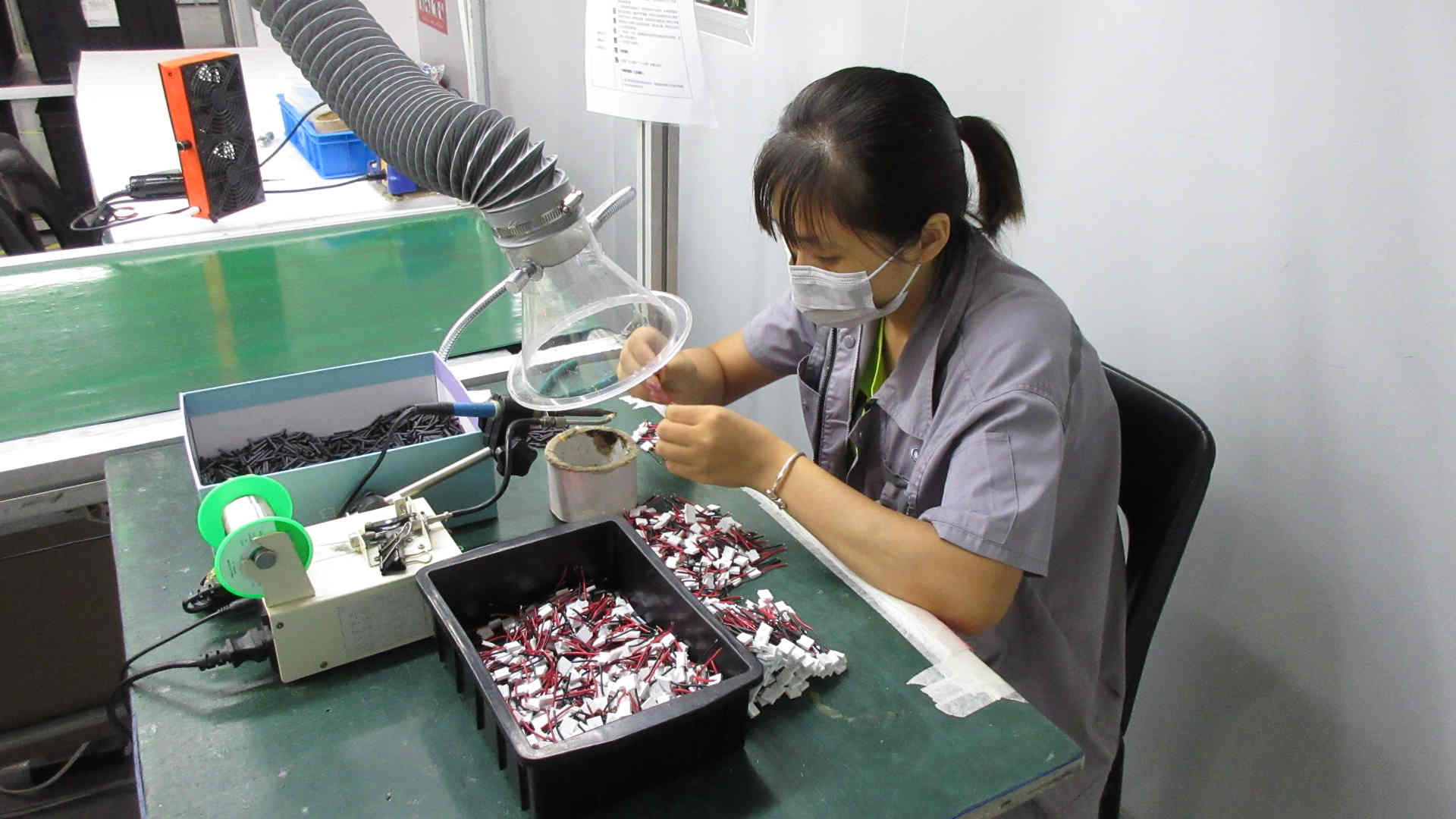
3. Manual Precision Welding
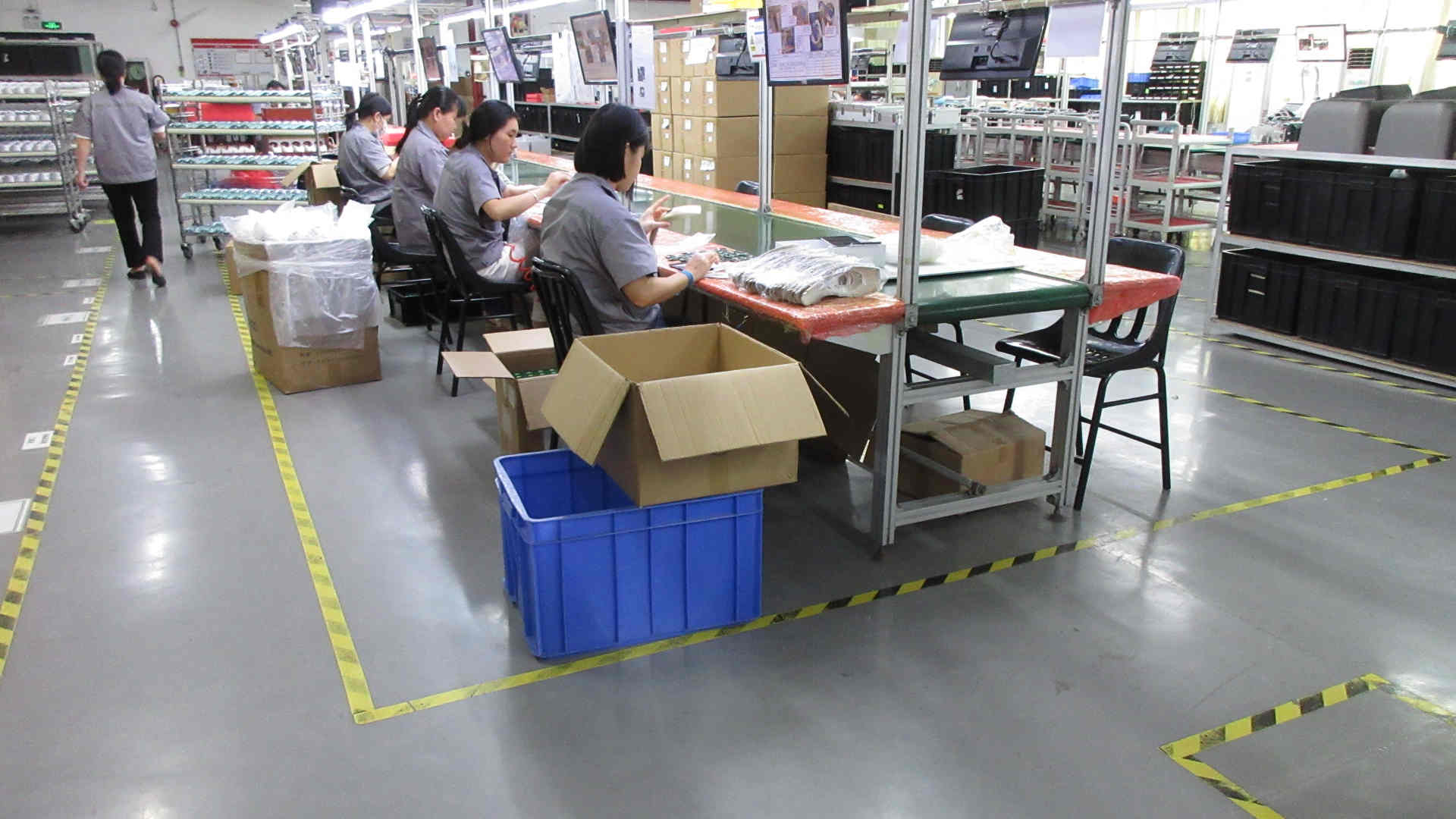
4. Assembly Line Setup
5. Device Hardware Assembly
6. Rigorous System Aging Test
7. Final Quality Control (FQC)
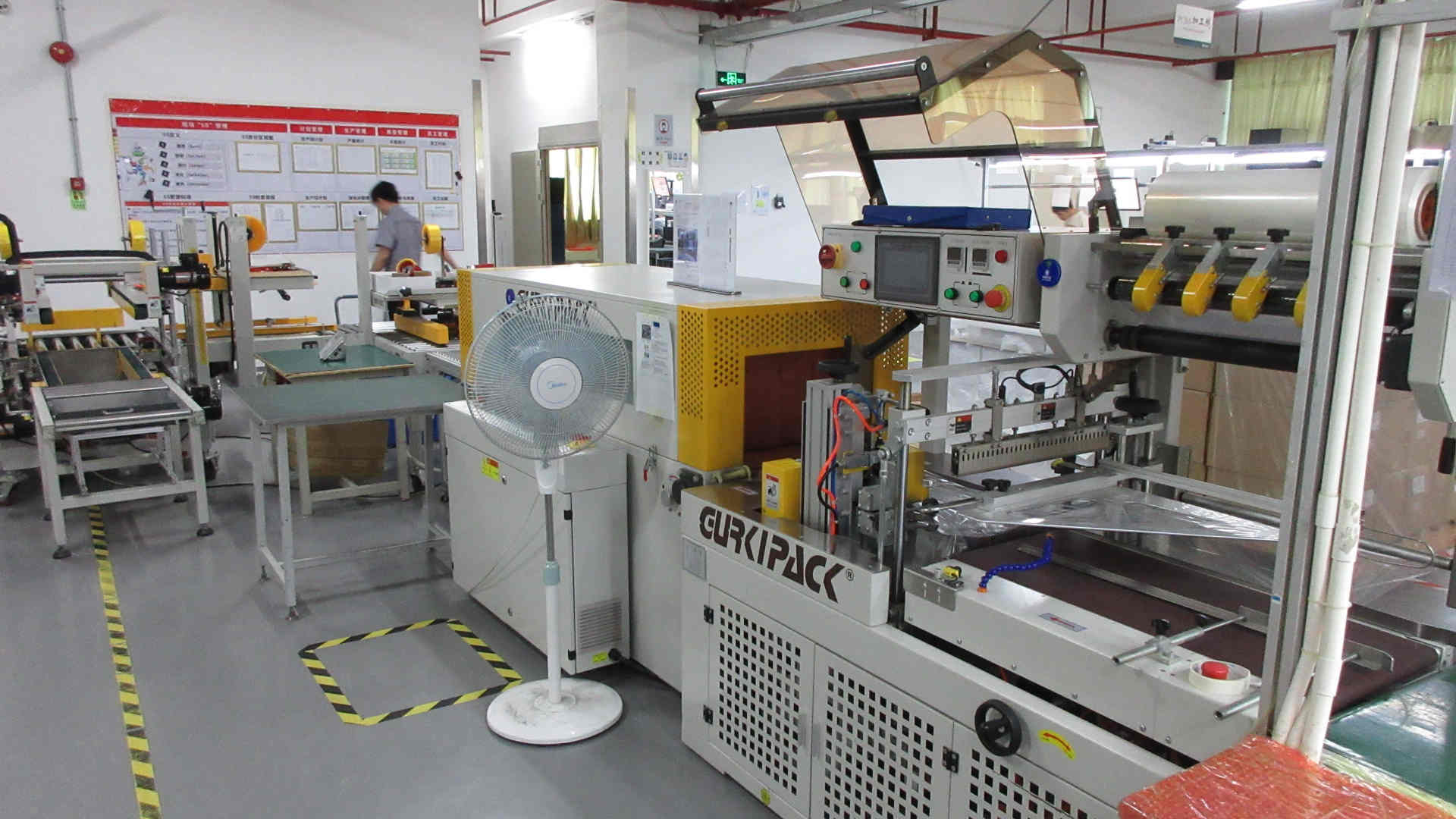
8. Automatic Shrink Packing
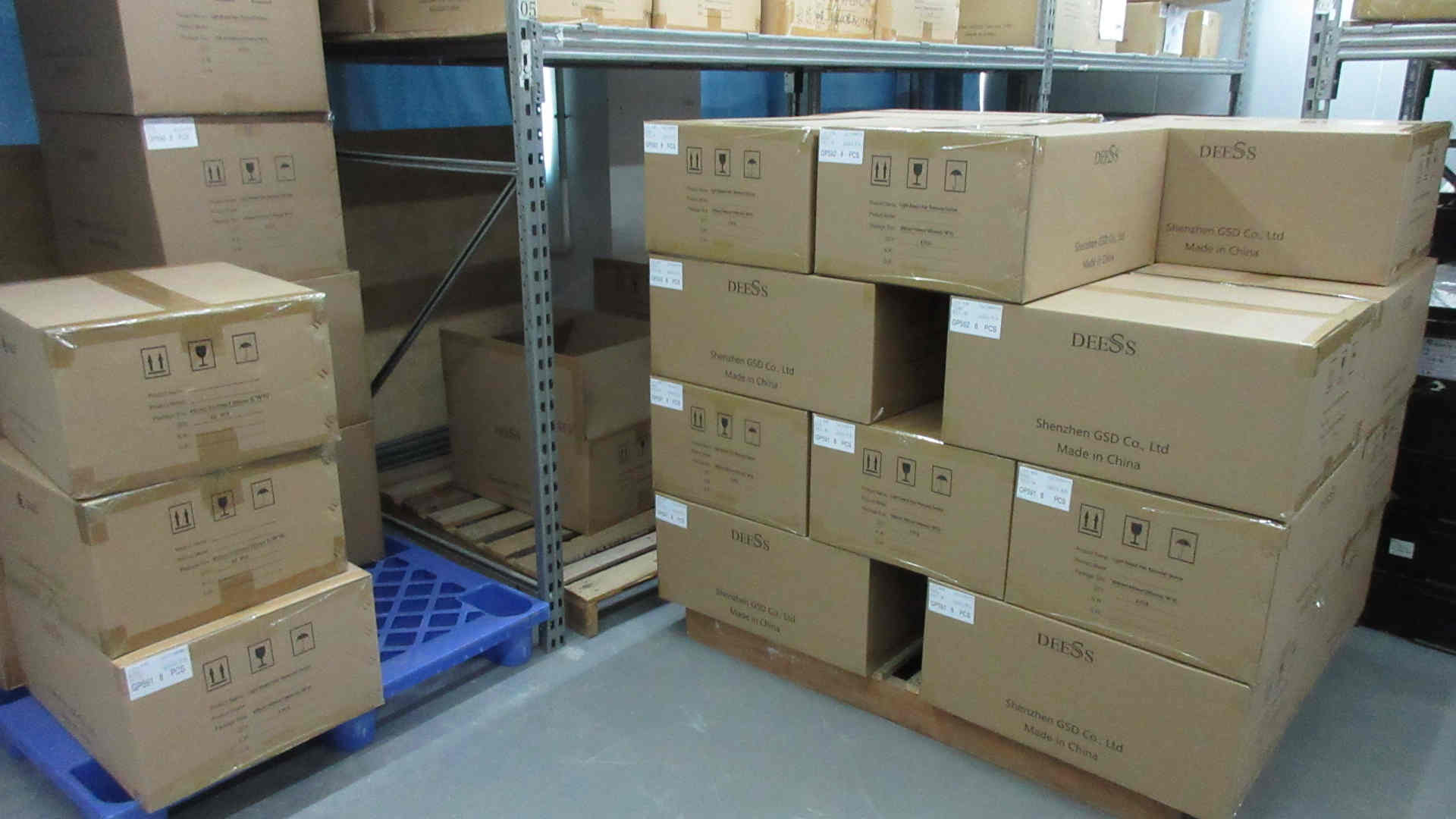
9. Shockproof Outer Case Packing
10. Logistics Deployment Ready
Our quality control protocol is structured as follows:
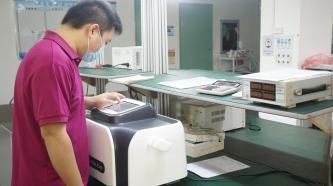
Incoming Quality Control (IQC): Raw components, from laser diodes to structural alloy frames, undergo rigorous testing. We verify thermal resistance, voltage stability, and mechanical fatigue benchmarks.
Automated & Manual Welding: Micro-circuits are secured via our high-speed automatic welding lines, followed by manual reinforcement of structural components to ensure long-term durability.
System Assembly & Calibrations: Devices are constructed in cleanroom assembly facilities to protect optical components (like Nd:YAG laser resonators or fractional CO2 mirrors) from dust contamination.
Long-term System Aging Test: All completed units run continuously for 48 to 72 hours in our specialized testing chamber. This allows us to monitor heat dissipation, pressure stability, and electronic integrity under sustained workloads.
Final Quality Control (FQC): A final physical inspection, software check, and diagnostic run are performed before the device receives its QA stamp.
Secure Packaging: Products are sealed using automated packing machines and crated in heavy-duty, multi-layered shockproof cases to ensure safe delivery to global ports.
5. Localized Application Scenarios
Different markets present distinct needs. A successful distributor must align their equipment specifications with localized regional profiles:
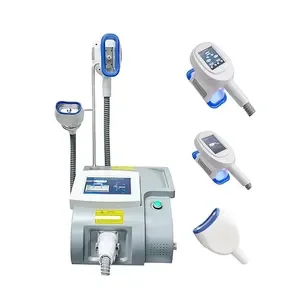
North America & Western Europe (Advanced MedSpas & Athletic Facilities): In these highly regulated markets, buyers seek versatile platforms with integrated smart software. Systems that combine body contouring, fat freezing, and post-treatment lymphatic drainage (such as our 4-handle Cryo Slimming units and mechanical rollers) are highly sought after.
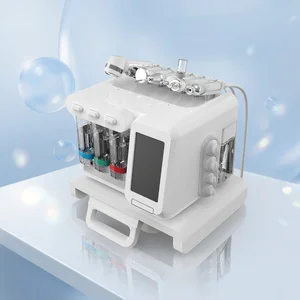
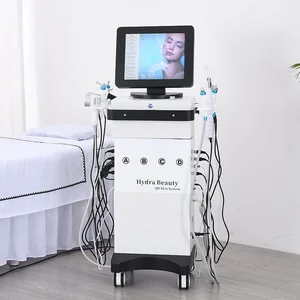
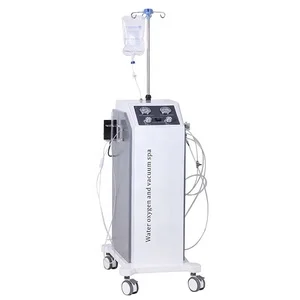
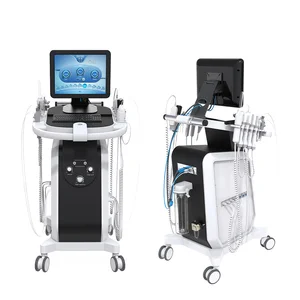
Eastern Europe & Russia (Multi-functional Wellness Centers): Facilities in this region value durable, high-throughput systems. Multi-use machines like the 15-in-1 Aqua Dermabrasion combined with therapeutic LED panels offer comprehensive skin and soft-tissue treatments in a single footprint.
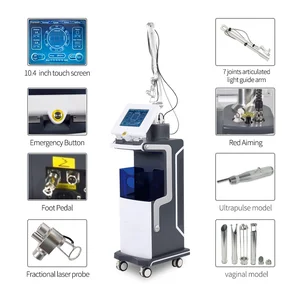
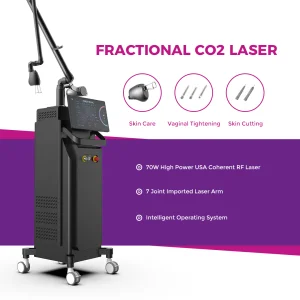
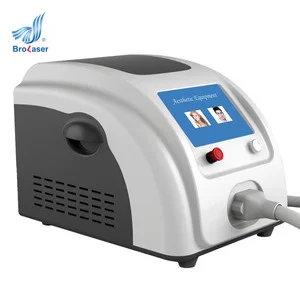
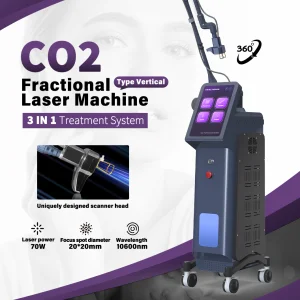
Middle East & Central Asia (High-End Aesthetic Clinics): These premium markets prioritize rapid results. High-power systems, such as Medical Grade Fractional CO2 Lasers and dual-wavelength Nd:YAG Tattoo Removal units, are critical for local clinical offerings.
6. Technical Roadmap & Future Outlook
The next generation of muscle recovery and tissue restoration devices will be defined by connectivity, personalization, and multi-energy integration:
Smart Bio-Feedback Integrations: Real-time biosensors will detect muscle fatigue, local lactic acid concentration, and skin temperature. The device will dynamically adjust energy output (RF frequency or roller speed) to match the patient's immediate physiological state.
Combination Energy Arrays: Future designs will combine shockwave therapy, focused ultrasound (HIFU), and high-frequency EMS into a single platform. This will allow providers to target dermal tissue, subcutaneous fat, and muscle fibers simultaneously.
Eco-efficient Green Cooling Engines: As global regulations restrict fluorinated greenhouse gases, V-Cest is developing advanced, eco-friendly thermoelectric cooling systems for cryotherapy machinery, lowering power draw while maintaining stable sub-zero temperatures.
7. Comprehensive Industry FAQ (User Intent Mining)
How do body rollers (such as Endosphere systems) assist in clinical muscle recovery?
Mechanical body rollers generate low-frequency mechanical vibrations that create a pump effect on the lymphatic system. This mechanical stimulation reduces muscle fiber stiffness, accelerates the clearance of lactic acid, and stimulates local microcirculation. This dynamic mechanical action helps patients recover from muscle soreness and stiffness faster than static rest.
Can cryotherapy machinery be safely integrated into post-training rehabilitation protocols?
Yes. Localized cryotherapy and thermal shock systems help manage acute inflammation. By lowering tissue temperature, they reduce nerve conduction velocity to temporarily relieve pain. At the same time, the cold stimulus triggers vasoconstriction, followed by a rush of nutrient-rich blood to the targeted area upon warming, helping to speed up structural muscle recovery.
What customization (OEM/ODM) capabilities does V-Cest Beauty offer to global wholesalers?
We provide complete OEM/ODM options, including custom chassis design, customized UI design, localized software languages, personalized brand logo integration, and custom configuration adjustments (such as changing laser wave lengths, adding roller handles, or upgrading cooling capacities).
How does Beijing V-Cest Beauty ensure product quality and lifespan during transport?
Every system undergoes a rigorous 48-to-72-hour aging test to verify electrical, thermal, and mechanical stability. Finished devices are packed using automated shrink-wrapping systems and shipped in heavy-duty, multi-layered shockproof cases to protect sensitive optics and electronics during sea or air transport.
Are fractional CO2 lasers and Nd:YAG systems suitable for physical muscle recovery applications?
While fractional CO2 and Nd:YAG lasers are primarily used for skin resurfacing, scar correction, and tattoo removal, they also support the recovery pipeline. Fractional CO2 lasers remodel dermal tissue, which helps treat stretch marks and severe scar adhesions that restrict range of motion. Low-level laser therapies (LLLT) are also used to target cellular mitochondria to speed up muscle repair.
Product Series B
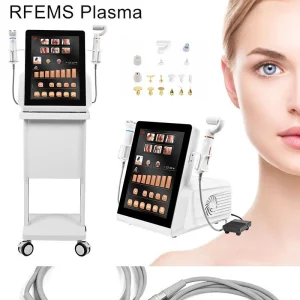
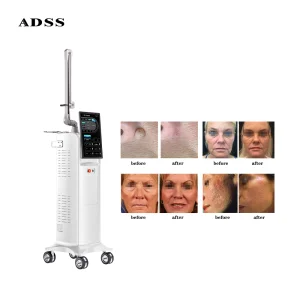
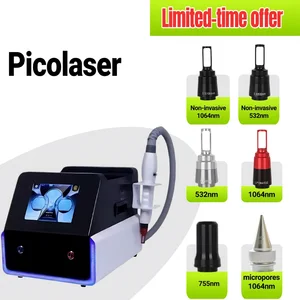
High-Power Medical Laser & Plasma Platforms
2022 Beat Hydra Master Machine Facial Dermabrasion Master Beauty Salon Equipment 15 in 1 Skin Analyzer Hydrodermabrasion


 V-Cest Beauty