Engineered to international regulatory standards, delivering clinically proven results for dermatology centers and beauty spas.
Understanding market demand, patient demographics, and the transition of manufacturing hubs toward precision laser optics.
The global laser tattoo removal market is projected to reach USD 1.2 billion by 2030, driven by shifting lifestyle preferences, career changes, and advancements in skin rejuvenation techniques.
Modern clinics demand devices with minimized thermal damage risks (PIH) and multi-wavelength output capabilities to handle stubborn ink formulations, including light green, blue, and yellow inks.
Nanosecond Q-switched lasers are rapidly being upgraded to picosecond systems, reducing the average treatment sessions by 40% while significantly enhancing user satisfaction and comfort levels.
Historically, the laser tattoo removal industry was heavily dominated by western medical manufacturing giants. However, the last decade has witnessed a major paradigm shift. Advanced Chinese manufacturers, leveraging vertical integration, state-of-the-art optical laboratory pipelines, and robust domestic component supply chains, have bridged the technological gap. Suppliers like Beijing V-Cest Beauty Co., Ltd. now offer clinical-grade picosecond systems that match European and North American performance thresholds at a fraction of the cost, making advanced tattoo removal accessible to medium-sized clinics and medical spas globally.
In terms of distribution, global demand is shifting toward multi-wavelength systems. While standard Q-switched lasers predominantly targeted black and dark blue inks, the contemporary commercial landscape demands systems capable of removing complex multi-colored cosmetic pigments, microblading residues, and accidental dermal pigmentations. This has elevated the status of specialized manufacturing facilities in China that produce dual-line diode and high-peak-power picosecond systems capable of serving multiple applications under a single chassis.
Our metrics define our dedication to aesthetic science, precision optics, and global shipping capabilities.
To succeed in the current competitive market, understanding the technical trajectory of tattoo removal systems is vital for medical equipment buyers. The primary advancements center on pulse duration contraction and beam profile homogeneity.
Conventional Q-Switched lasers rely on a photothermal effect, heating ink particles until they expand and fracture. The downside is the collateral thermal conduction to surrounding epidermal layers, often causing hyperpigmentation or scabs. In contrast, picosecond technology operates via a photomechanical effect. The pulse width is so narrow (measured in trillionths of a second) that the energy is delivered rapidly, causing the target ink to shatter into microscopic, dust-like particles. These particles are then quickly eliminated by the body's lymphatic system, reducing recovery periods and requiring fewer overall treatment sessions.
No single laser wavelength can clear all tattoo colors. Modern industrial designs utilize multi-wavelength systems to target specific pigment absorption bands:
| Wavelength (nm) | Target Ink / Pigment Colors | Absorption Chromophore / Clinical Intent |
|---|---|---|
| 1064 nm | Black, Dark Blue, Dark Brown | Deep dermal penetration; safest wavelength for dark skin phototypes (Fitzpatrick IV-VI). |
| 532 nm | Red, Orange, Warm Brown | High hemoglobin and melanin absorption; highly effective for epidermal pigments and warm tattoo inks. |
| 755 nm / 585 nm | Green, Cyan, Bright Blue | Specifically absorbed by stubborn blue and green inks that resist standard 1064nm lasers. |
| 1320 nm | Carbon Peel (Carbon Laser Facial) | Exogenous carbon suspension heating to stimulate collagen and clear pores. |
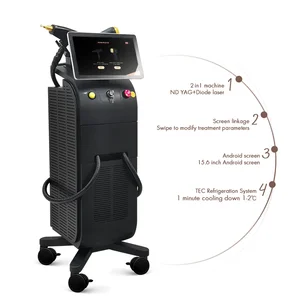
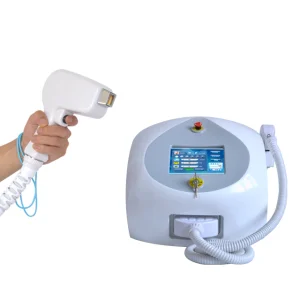
A notable trend among global distributors is the acquisition of multi-functional hybrid systems. Medical spas often operate with limited floor space; purchasing a 2-in-1 system that integrates a high-power diode laser for hair removal (808nm/755nm/940nm/1064nm) along with an Nd:YAG Picosecond laser module offers a high return on investment (ROI). It allows operators to offer two highly sought-after aesthetic treatments using a single modular console.
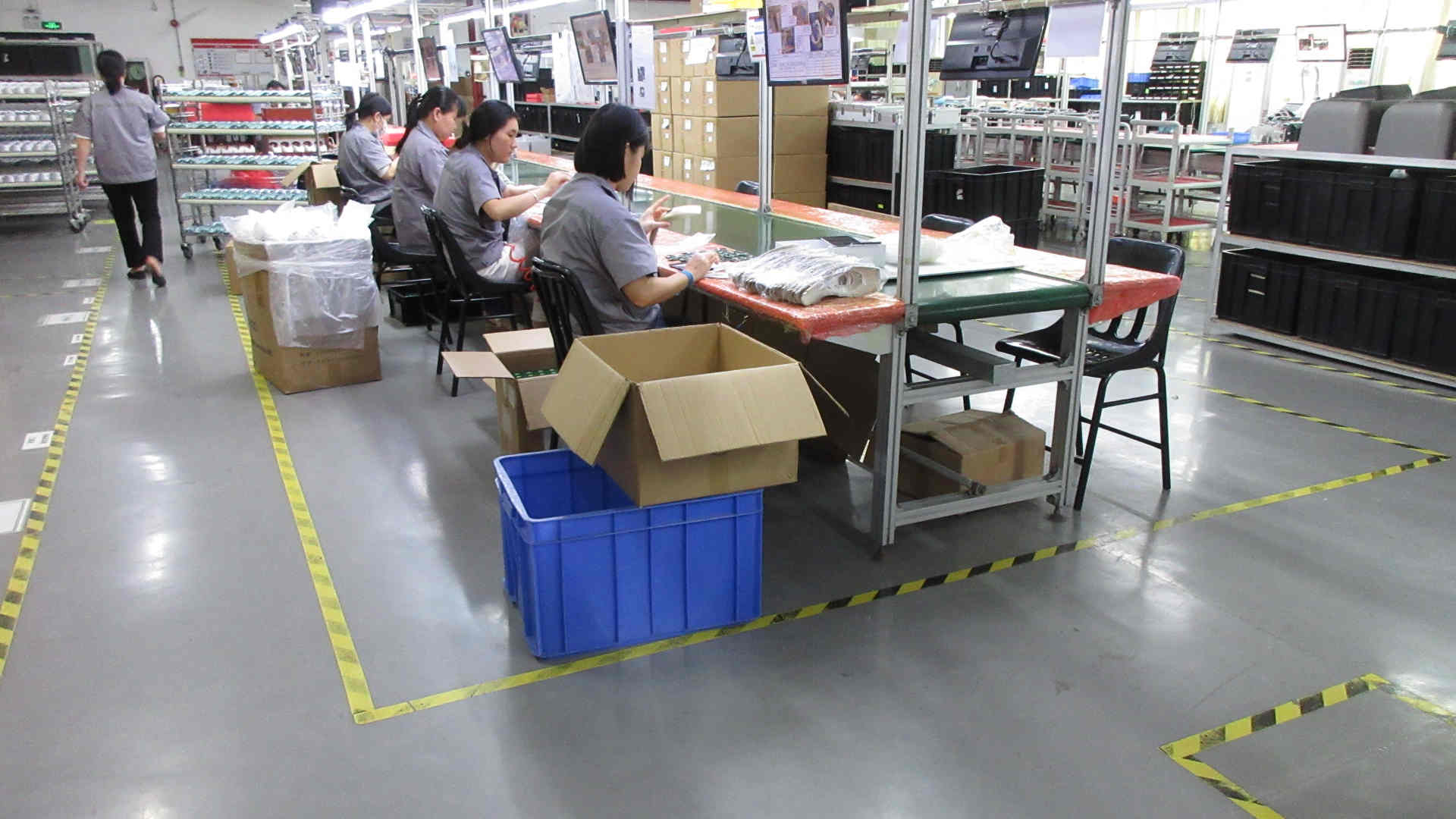
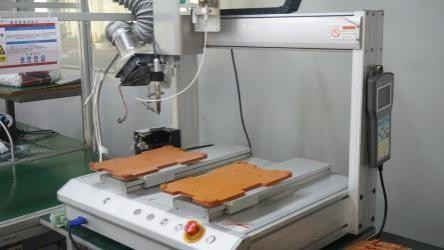
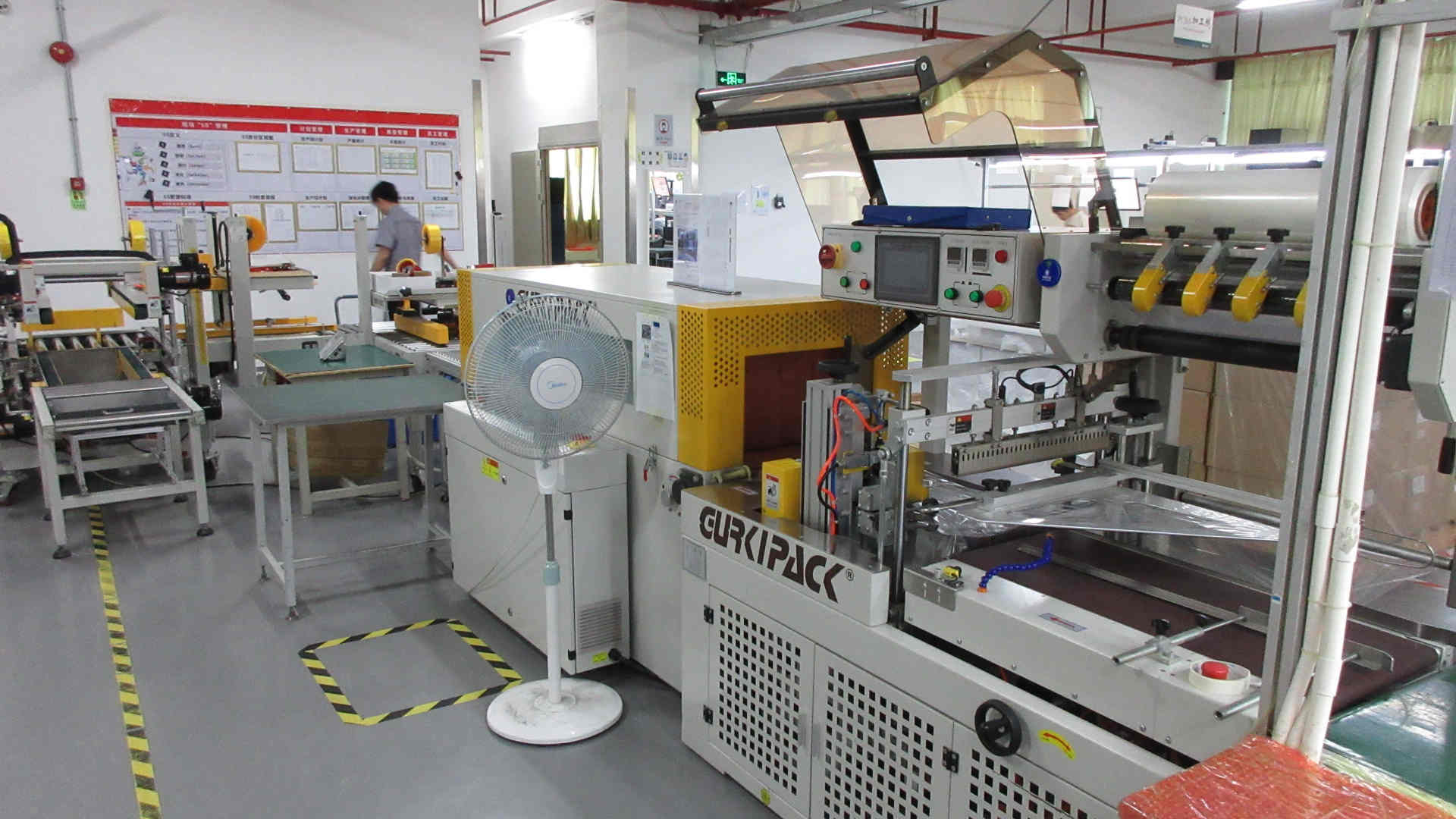
Beijing V-Cest Beauty Co., Ltd. ensures reliability through a vertically integrated supply chain, rigorous testing, and advanced automation.
Quality assurance in medical-grade optical equipment is paramount. Unlike standard electronics, laser cavity alignment, cooling fluid pressure, and high-voltage capacitor charging must operate under exact parameters to prevent energy output drops or laser beam misalignment. V-Cest Beauty utilizes a strict production protocol, verified through specialized testing stations at every stage of the assembly line.

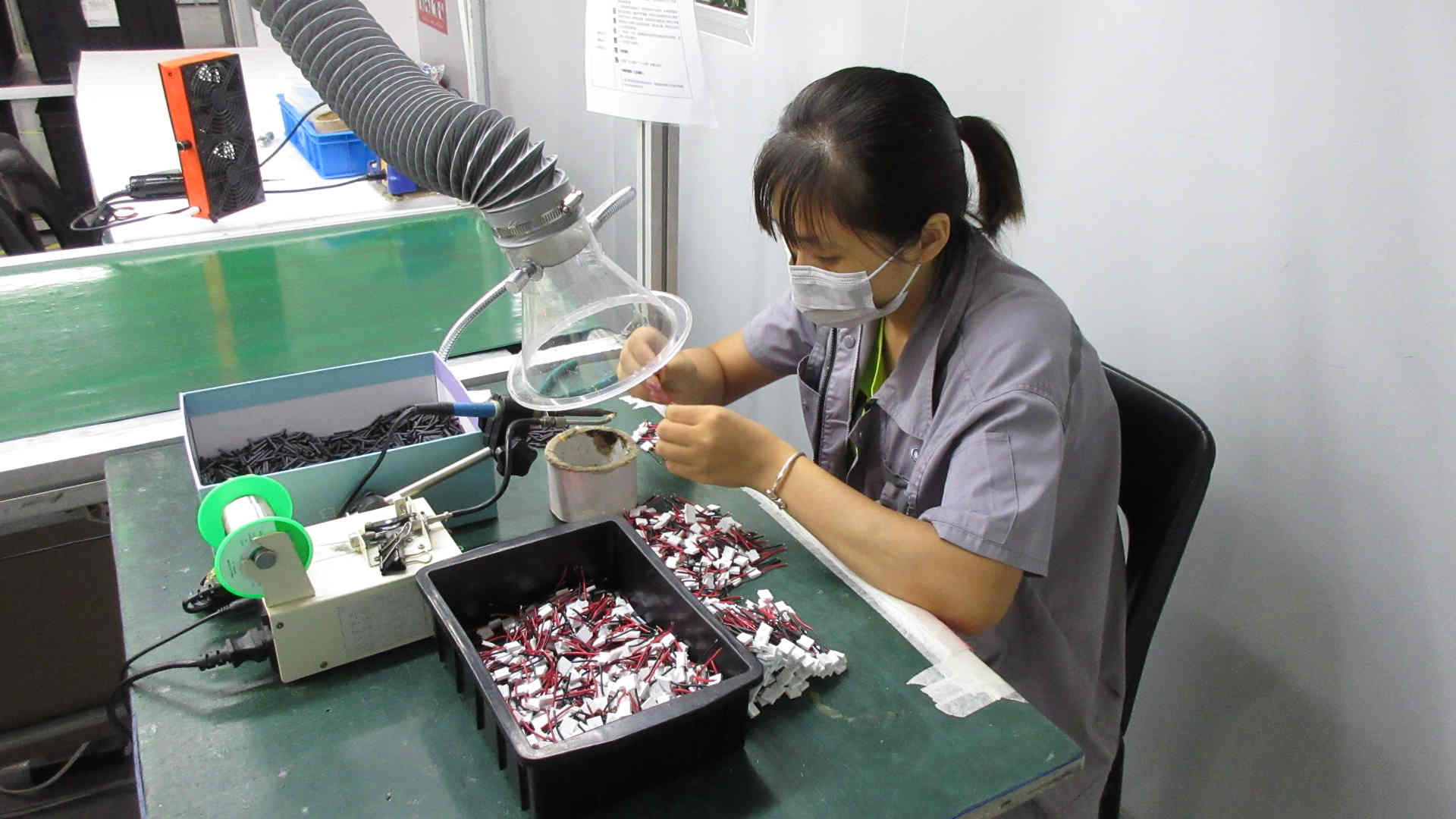
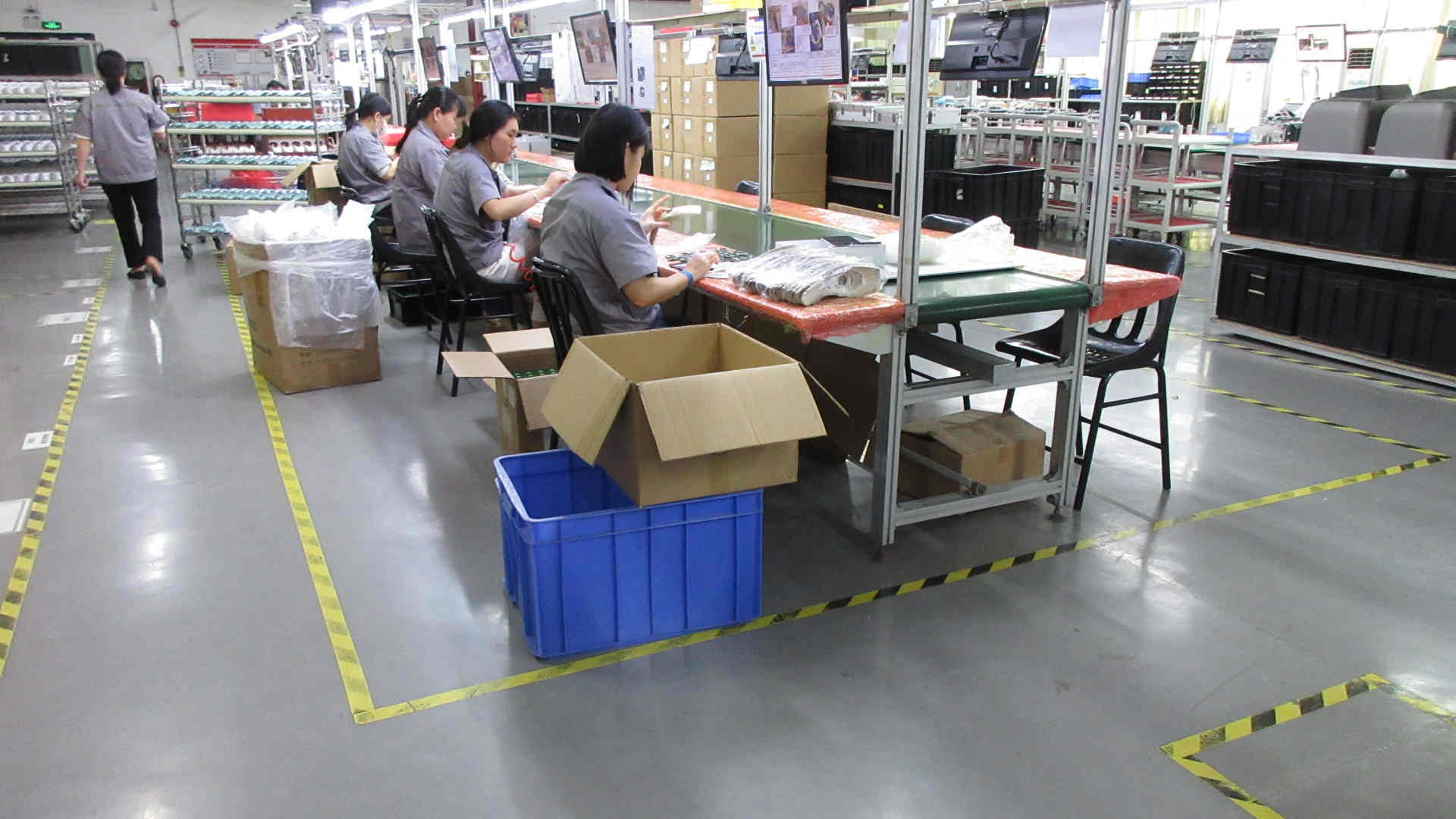

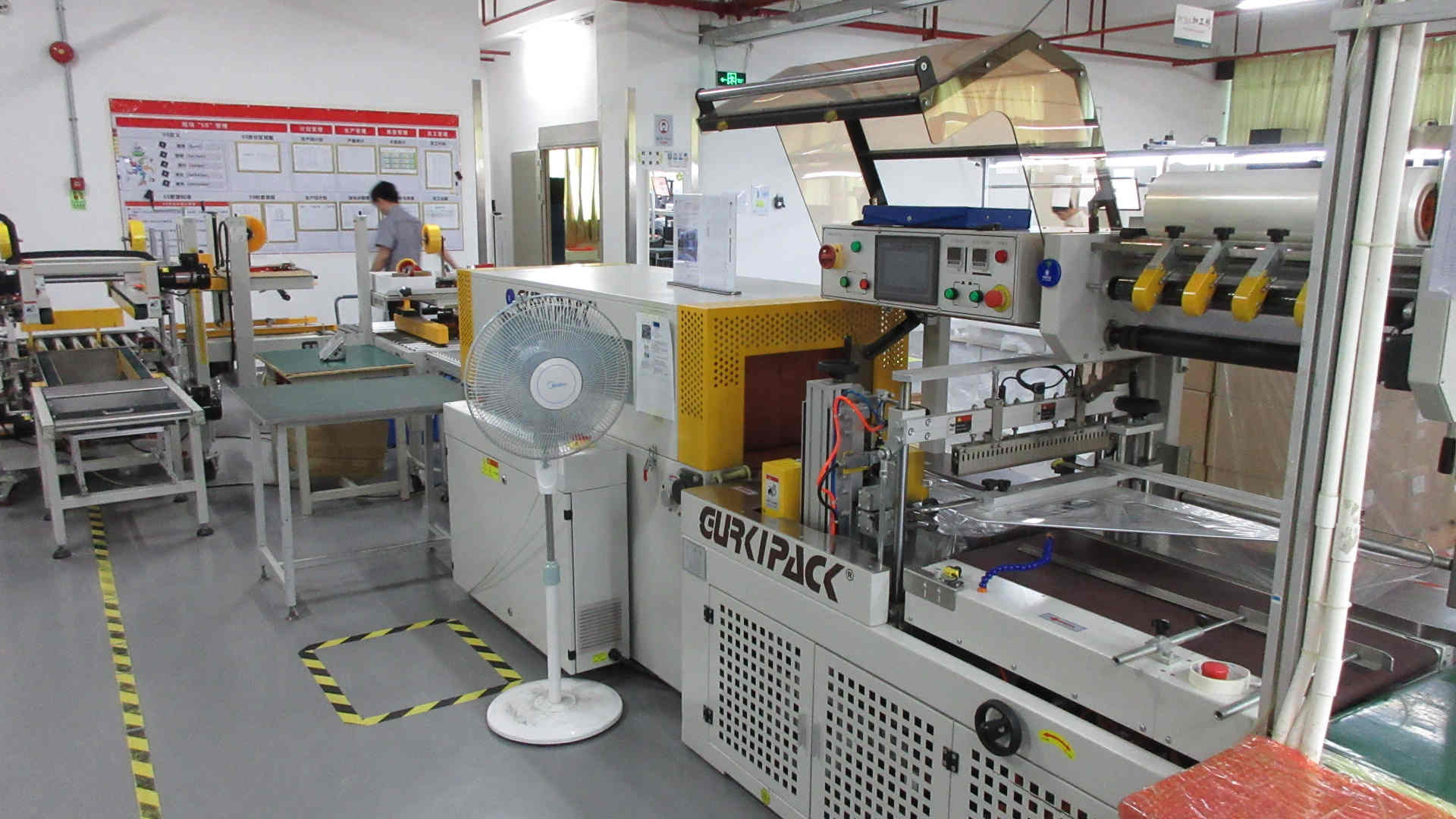

Aesthetic preferences, regulatory requirements, and skin phototypes differ across regions. Successful distributors calibrate their product offerings according to these localized parameters:
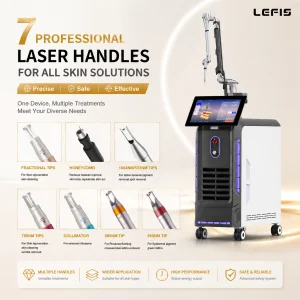
In western markets, safety certifications (such as CE MDR and FDA clearance) are critical. Practitioners demand high peak energy stability and low pulse width configurations to prevent scars on fine skin. The popularity of multi-colored tattoos requires systems equipped with 755nm or 585nm dye handpieces. Furthermore, the rising demand for eyebrow correction and microblading removal necessitates precise handpieces with protective metal goggles for ocular safety.
In countries like Brazil, Mexico, and Colombia, a significant portion of the patient base falls under Fitzpatrick Skin Types III to V. Using incorrect laser energy levels can cause post-inflammatory hyperpigmentation (PIH). Under these conditions, the 1064nm wavelength is the primary treatment choice due to its deep penetration depth, which bypasses epidermal melanin. Additionally, the prevalence of medium-sized salons calls for durable, high-power portable systems that minimize maintenance overheads.
While tattoo removal remains a staple, clinics in these regions frequently use laser systems for pigment correction, melasma control, and the "Hollywood Carbon Peel." Dual-mode platforms that easily switch from Q-switched pulse outputs to flat-top beam profiles are highly sought-after. Providing systems with integrated water and air-cooling technology is essential for ensuring continuous performance in high ambient temperatures.
For large clinic chains and aesthetic distributors, acquiring devices is only one step of the process. Sustainable operations require structured support systems:
Critical answers for B2B procurement managers, distributors, and laser clinic operators.
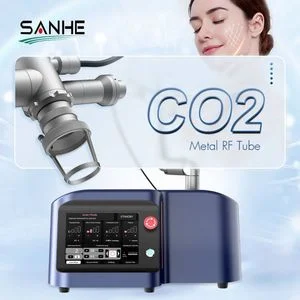
Explore our complete product lineup, optimized for clinic performance and aesthetic outcomes.
 V-Cest Beauty