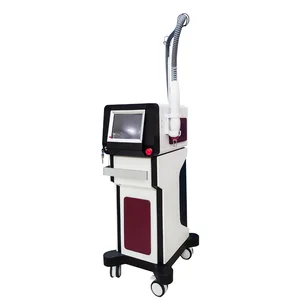
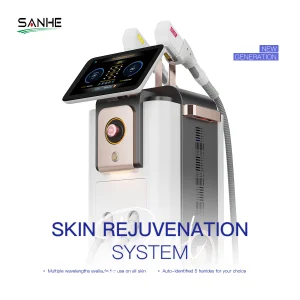
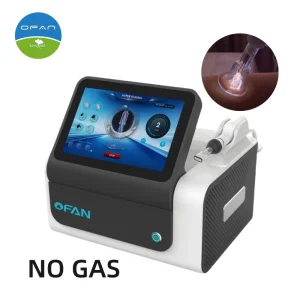
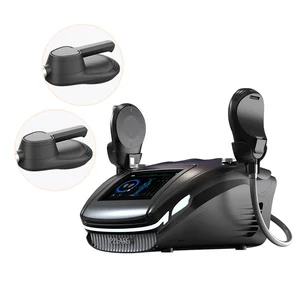
Photodynamic Therapy (PDT) and high-density Light Emitting Diode (LED) systems have transitioned from niche cosmetic treatments to primary clinical-grade modalities. Modern medical aesthetics demands highly stable, energy-consistent, and wavelength-precise machines to target physiological structures effectively. For international medical distributors, spa chains, and brand owners, navigating the procurement of OEM PDT machines requires understanding mechanical and thermodynamic engineering, clinical safety standards, and strict global compliance frameworks.
This industry document outlines the core operational physics, key light therapy trends, technical considerations for global importers, and the vertically integrated manufacturing capabilities of Beijing V-Cest Beauty Co., Ltd., a recognized leader in international aesthetic equipment design.
"Information Gain Value: Unlike consumer-grade devices, medical-grade PDT equipment relies on narrow-band spectral emission. A difference of just 5nm in wavelength can reduce mitochondrial absorption by up to 40%, rendering clinical treatments ineffective."
Strict narrow-band output ensures precise photobiomodulation targets (red at 633nm, blue at 415nm) without thermal tissue damage.
Flexible enclosure designs, custom graphical user interfaces (GUI), multi-array lamp modules, and software parameter pre-programming.
Compliance with ISO 13485 quality systems, CE certification, and key international electrical safety and radiation standards.
Photodynamic Therapy works by initiating photochemical reactions. When specific light wavelengths penetrate tissues, they are absorbed by endogenous chromophores—primarily cytochrome c oxidase in the cellular respiratory chain, or exogenous photosensitizers (such as 5-aminolevulinic acid or 5-ALA) in medical settings.
Early LED beauty devices used broad-spectrum diodes with significant wavelength drift. Modern clinical applications demand high spectral purity with a narrow full-width at half-maximum (FWHM) bandwidth of less than ±5nm. This ensures target chromophores absorb maximum energy, preventing unintended thermal side-effects in adjacent tissues.
 V-Cest Beauty