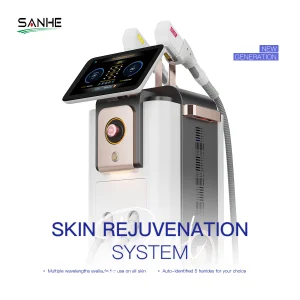
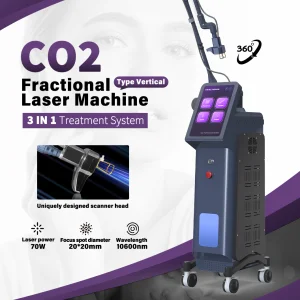
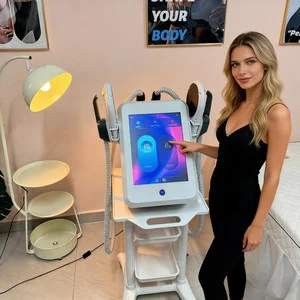
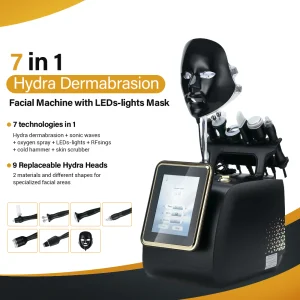
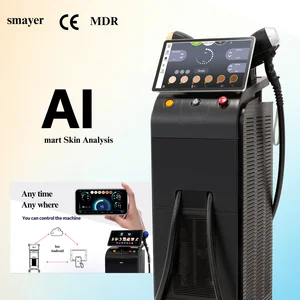
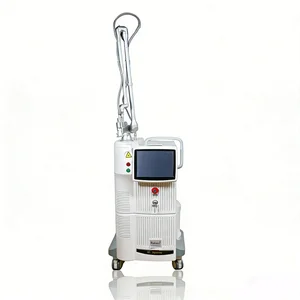
The global market for medical and aesthetic diode laser devices is experiencing an unprecedented structural shift. Historically confined to high-end clinical setups in North America and Western Europe, diode laser systems have transitioned into standard-of-care technologies worldwide. Factors driving this expansion include rising consumer demand for minimally invasive skin therapies, technological progress in multi-wavelength emitters, and optimized manufacturing efficiency. From a macro-industrial standpoint, diode laser arrays represent the pinnacle of semiconductor electro-optics applied to biology, offering stable, high-fluence therapeutic outputs that gaseous (e.g., CO2) or solid-state (e.g., Nd:YAG) systems struggle to match in terms of cost-to-performance ratio, operational longevity, and pulse-width versatility.
OEM/ODM suppliers are the backbone of this clinical democratization. Designing and assembly of a stable diode laser system involves managing complex optoelectronics, active thermal loops, and precision micro-channel cooling modules. By outsourcing assembly to specialized manufacturers like Beijing V-Cest Beauty Co., Ltd., global medical distributors and local brand operators can circumvent massive R&D overheads and immediately deploy compliance-ready products. The transition to multiple wavelength options (typically 755nm, 808nm, 940nm, and 1064nm integrated into a single emitter stack) has broadened clinical indications, allowing medical spas and dermatologists to treat all Fitzpatrick skin phototypes with minimal adverse event risk.
Developing high-end clinical platforms requires a rigorous engineering approach spanning optical design, thermodynamics, power electronics, and user experience. Under a professional ODM paradigm, the platform is divided into specialized modules designed for customization:
Combining multiple optical bands enables selective photothermolysis across varying depths of melanin and hemoglobin density:
From the electrical engineering perspective, delivering 4000W of peak power requires highly efficient, medical-grade switched-mode power supplies (SMPS) capable of supporting fast sub-millisecond pulses without voltage drops. This prevents thermal relaxation mismatches that could lead to epidermal burns. Beijing V-Cest Beauty uses micro-channel cooled (MCC) laser diode stacks, bonded with high-grade Gold-Tin (AuSn) solder. This prevents solder migration and thermal degradation, extending the handpiece lifespan beyond 100 million pulses under continuous operation.
| Technical Parameters | Standard Configuration | High-Power AI Configuration |
|---|---|---|
| Emitters Wavelengths | 808nm or 3-Wavelength (755/808/1064nm) | 4-Wavelength (755/808/940/1064nm) |
| Peak Optical Power | 1200W - 2000W | 3000W - 4000W |
| Cooling Technology | Thermoelectric (TEC) + Water Cooling | Dual TEC Active Refrigeration + Sapphire Tip (-10°C) |
| Pulse Width Range | 10ms - 300ms | 1ms - 400ms (Dynamic Adaptation) |
| Software Customization | Linux/Android Basic UI | AI-Driven Skin Detection & Smart Fluence Advisor |
A reliable aesthetic laser device relies on precise, repeatable manufacturing and strict quality control. Our supply chain utilizes automated assembly and testing procedures to ensure that every system exported by Beijing V-Cest Beauty meets medical-grade safety standards. Below is our end-to-end production workflow:
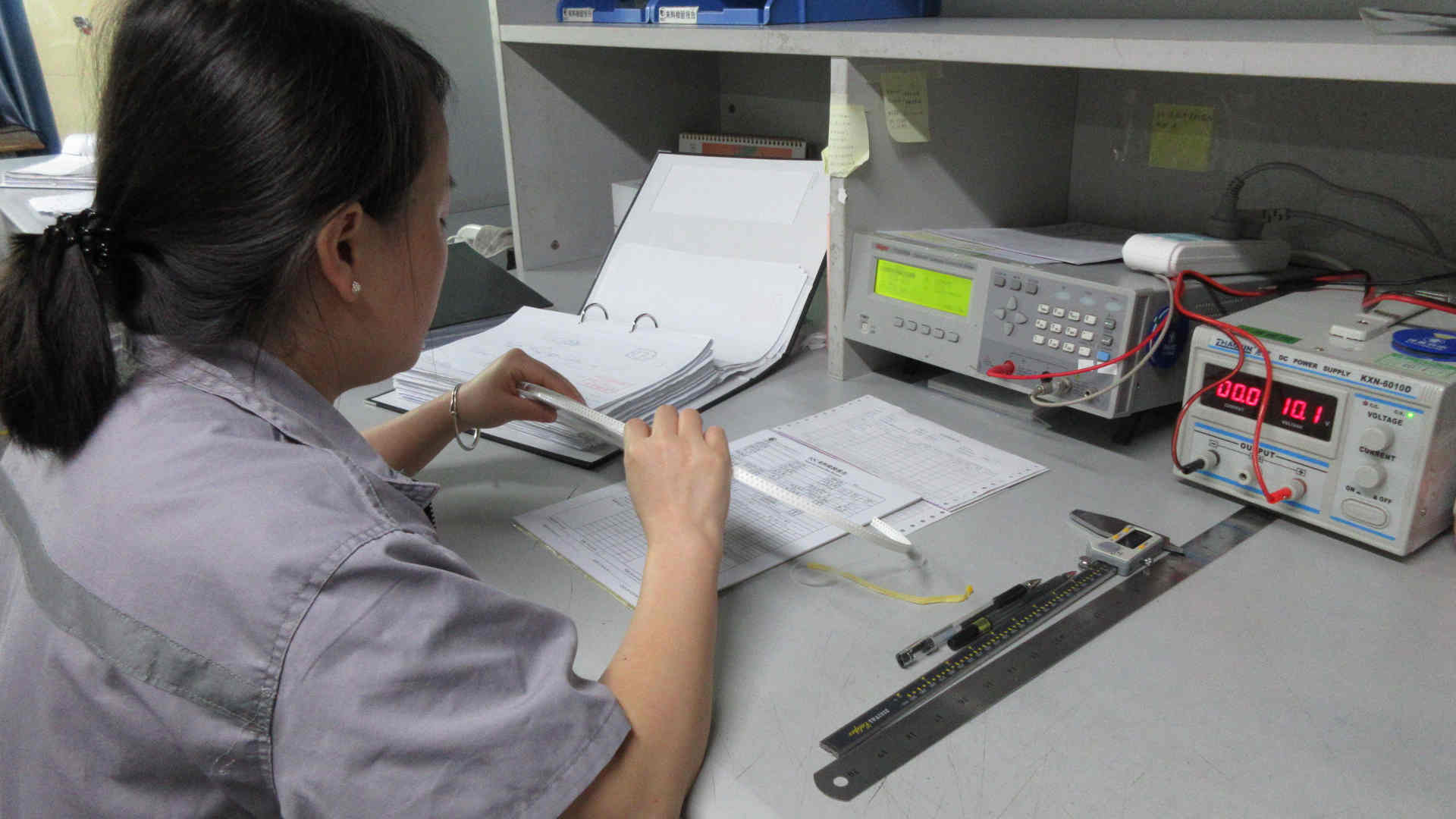
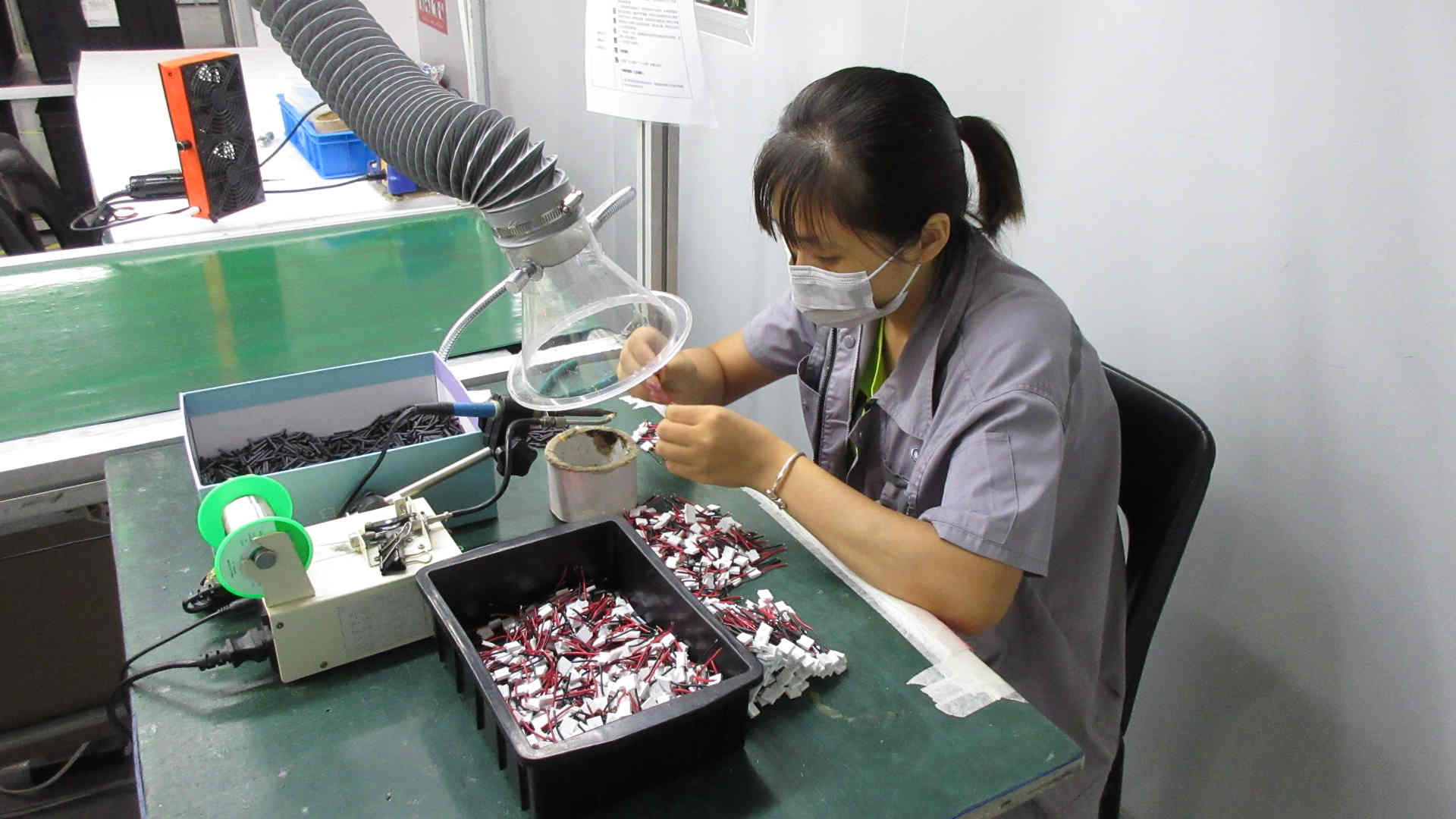
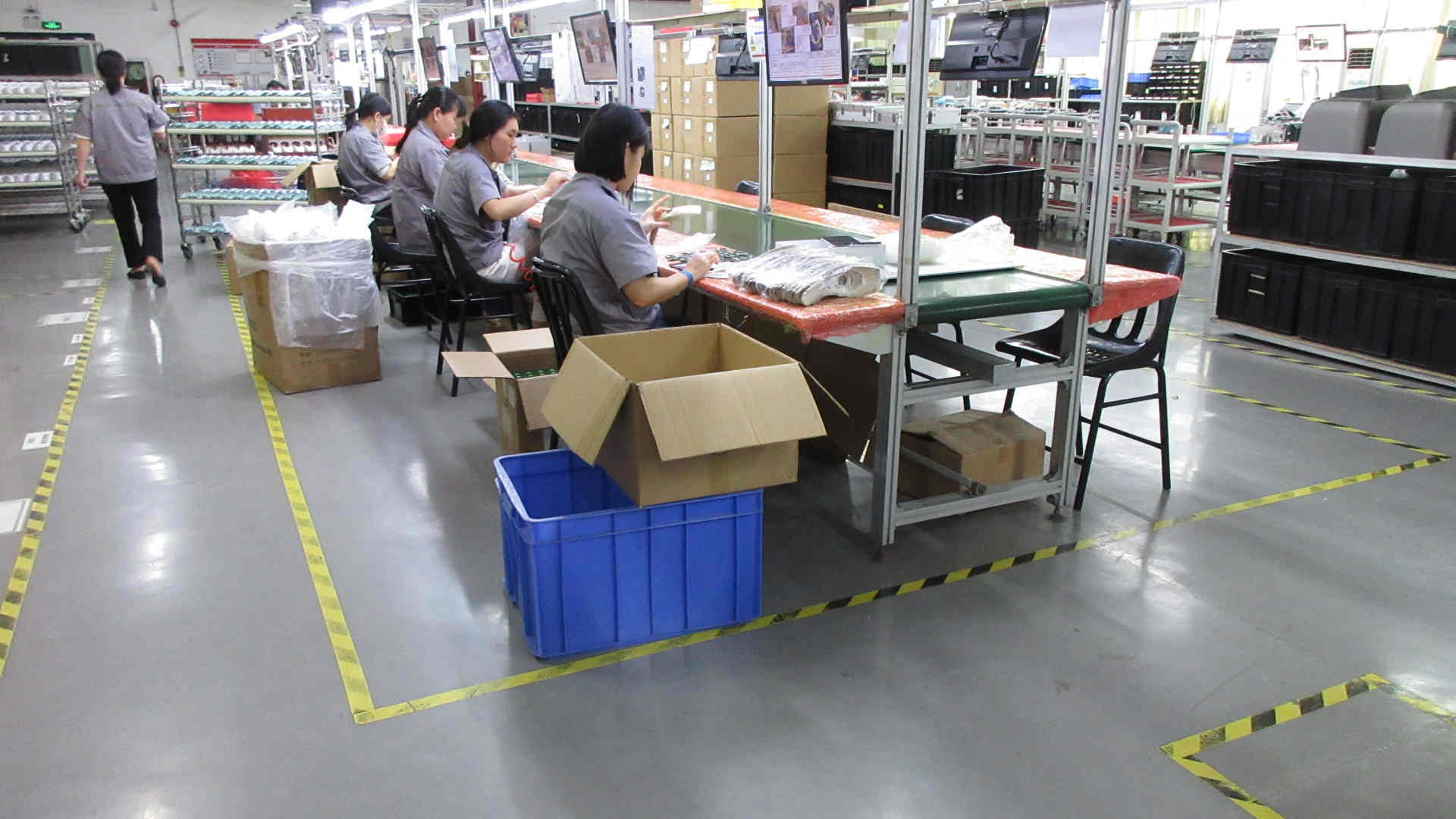
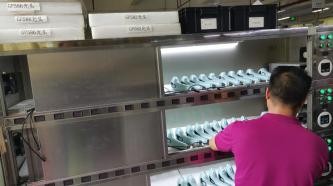
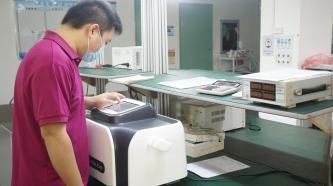
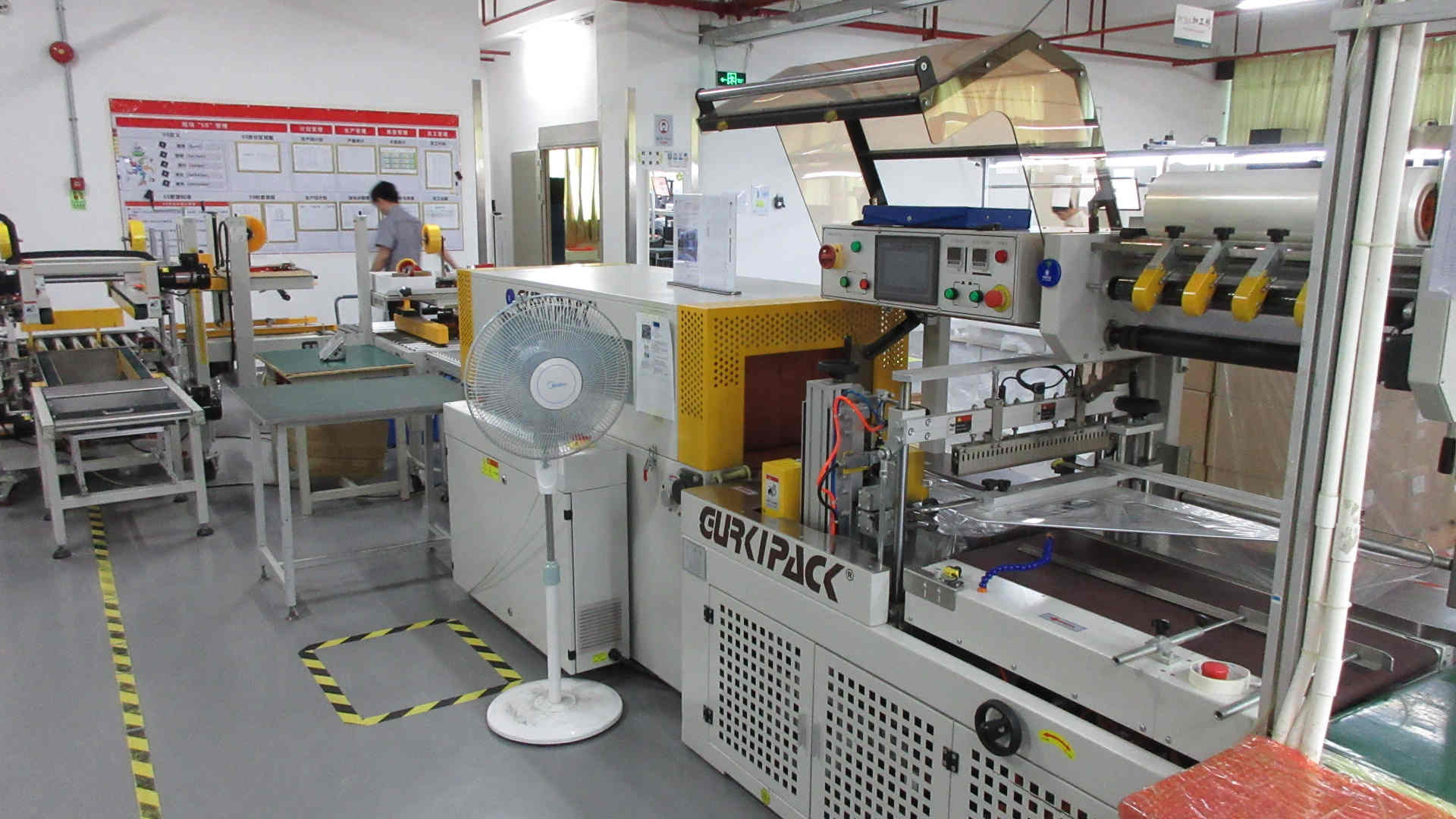
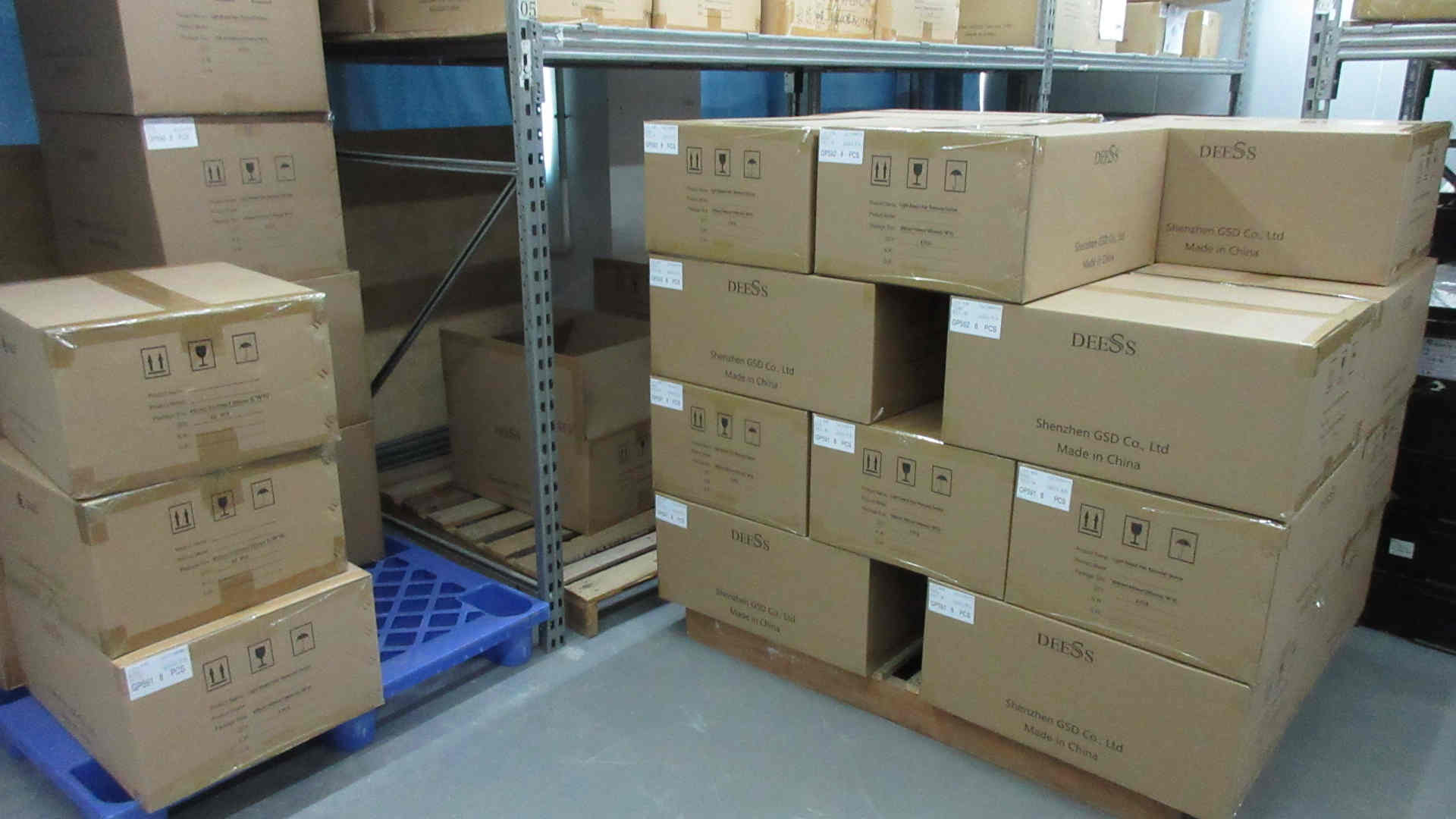
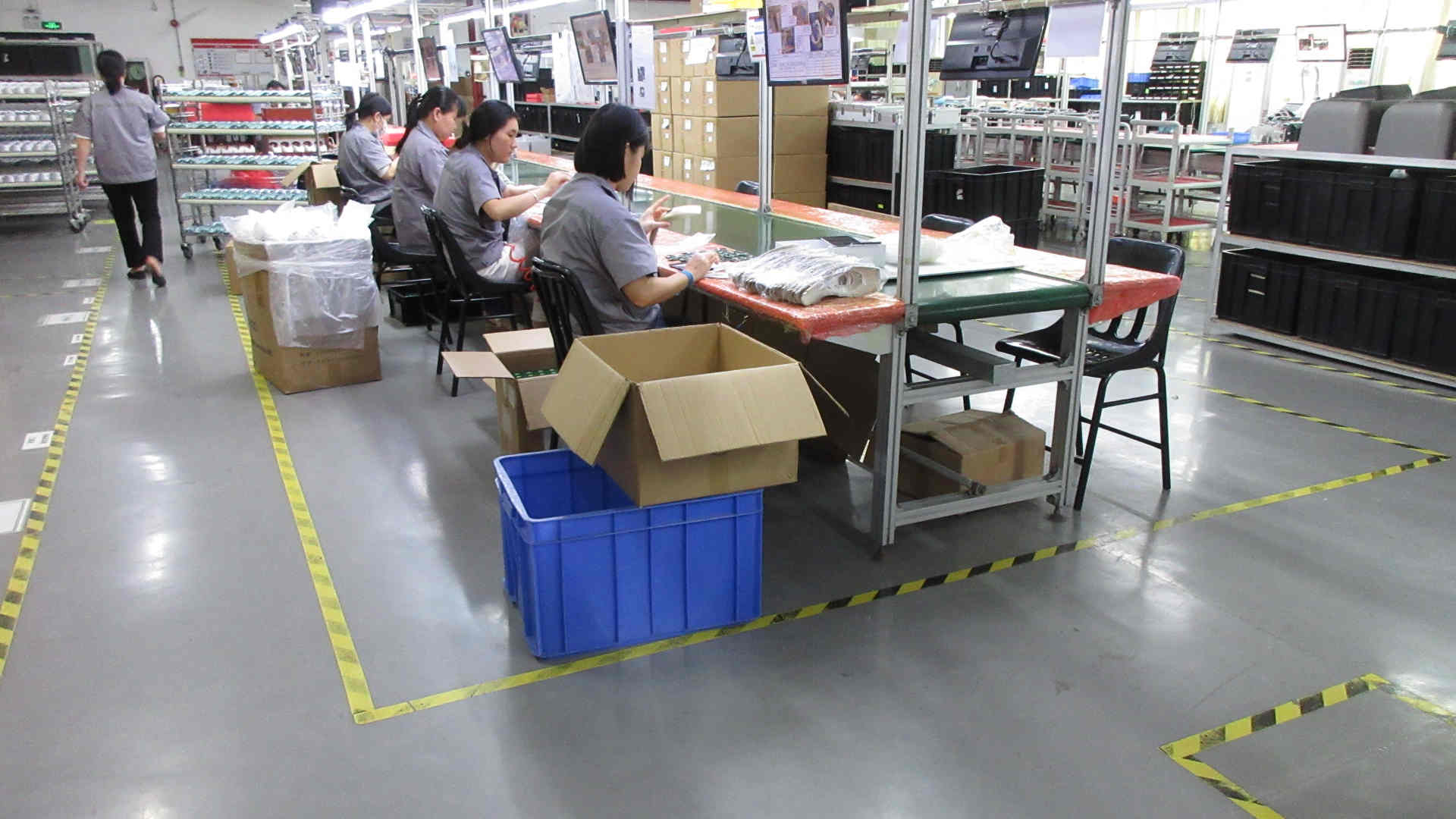
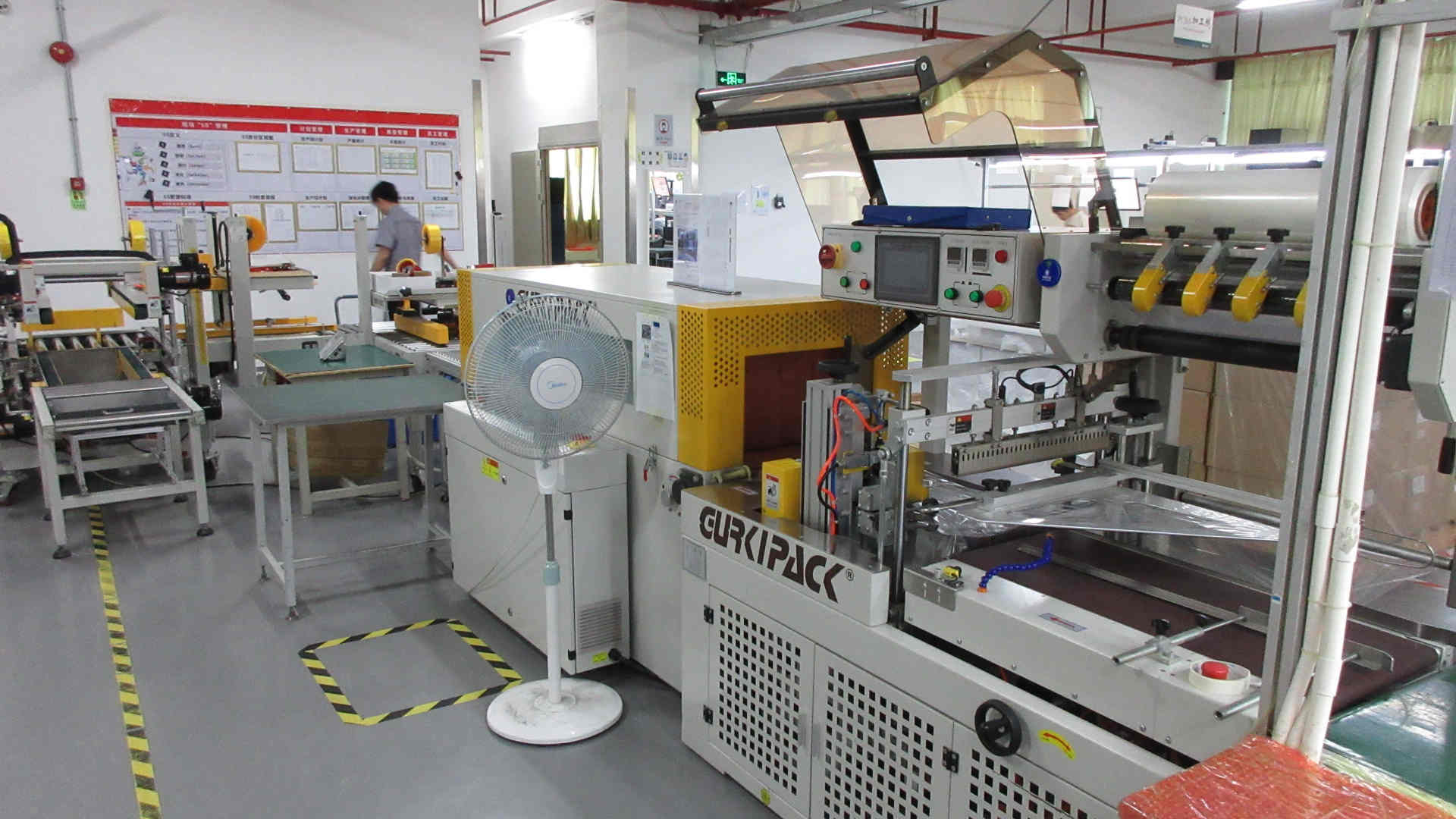
Each phase of this workflow is managed to minimize manufacturing defects:
Clinical needs vary significantly across regional markets. A standard device configuration may perform well in Northern Europe but require adjustments to operate safely and effectively in South America or the Middle East. Understanding these localized differences is essential for global distributors:
Consumers in these regions present with higher melanin concentrations (Fitzpatrick IV-VI). Standard hair removal treatments carry higher risks of epidermal blistering. High-power diode systems with integrated 940nm and 1064nm wavelengths, combined with sub-freezing sapphire cooling, are required to bypass epidermal melanin and target deep hair roots safely.
These markets prioritize high throughput and short treatment times. Systems must support large spot sizes (e.g., 12x20mm or 15x30mm) combined with high-frequency operating modes (up to 20Hz). Additionally, compliance with FDA 510(k) and Medical Device Regulation (MDR CE) is required for clinical use.
In Asian markets, treatments often focus on skin rejuvenation alongside hair removal. Systems configured for these areas require versatile firmware that supports low-fluence, high-frequency treatments (e.g., DPL modes) to stimulate collagen synthesis while managing pigmentary risks.
Furthermore, local environmental conditions affect internal components. In hot, humid climates, sealed laser chassis filled with dry nitrogen are used to prevent moisture condensation on the diode bars. By using customized closed-loop chillers, V-Cest Beauty systems operate reliably in ambient temperatures up to 38°C without thermal shutdown.
The aesthetic laser market is evolving beyond mechanical and optical hardware. The future lies in intelligent software systems. Modern aesthetic devices are becoming smart, connected platforms that assist clinicians and streamline operations. Key innovations shaping the next generation of diode lasers include:
2. Cloud-Connected Fleet Management (IoT): By integrating Wi-Fi and 4G modules into the control boards of platforms like the 2026 Triple AI Diode Laser Machine, distributors can remotely track pulse counts, monitor laser stack performance, and run system diagnostics. This simplifies preventive maintenance and allows for remote firmware updates.
3. AI-Driven Parameter Selection: Using integrated camera sensors or skin-type sensors, advanced platforms analyze melanin index levels and skin impedance. The system's algorithms then calculate custom treatment profiles (fluence, pulse width, and frequency) tailored to the patient's skin and hair characteristics.
Beijing V-Cest Beauty Co., Ltd. is an international enterprise specializing in the R&D and global export of high-end aesthetic and beauty equipment. The company is committed to bringing China’s advanced beauty technology and intelligent manufacturing capabilities to the global market. Its core business focuses on professional beauty devices, covering a wide range of applications including hair removal, anti-aging, skin whitening, skin tightening, deep cleansing, and comprehensive skincare management, providing one-stop equipment solutions for beauty clinics, distributors, and brand partners worldwide.
With a well-established vertically integrated supply chain and extensive industry expertise, Beijing V-Cest Beauty has built a strong competitive advantage in product development, quality control, and global service capabilities. The company continuously integrates a diverse portfolio of premium beauty devices while driving ongoing innovation and technological upgrades to ensure high standards of safety, stability, and performance that meet international market requirements.
In terms of global expansion, V-Cest Beauty’s business network spans across emerging and mature markets, including Russia, Eastern Europe, Central Asia, the Middle East, South America, and Southeast Asia. Through flexible OEM/ODM customization services, co-branding development, and professional technical support, the company helps partners build localized brand competitiveness and achieve sustainable growth in their respective markets.
In addition, the company places strong emphasis on R&D investment and innovation partnerships, actively exploring advanced technologies such as radio frequency (RF), laser, ultrasound, and high-intensity focused energy systems for both clinical and consumer-grade aesthetic devices. It is also continuously expanding its product portfolio and application scenarios while strengthening its digital operations and after-sales service systems to enhance global customer experience and long-term value.
Looking ahead, Beijing V-Cest Beauty Co., Ltd. will continue to deepen its global strategic footprint, strengthen technological innovation and international collaboration, and further enhance the global influence of “Made in China” within the beauty and wellness industry, becoming a key bridge connecting China’s high-end beauty technology with the international market.
 V-Cest Beauty