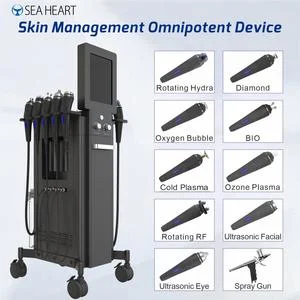
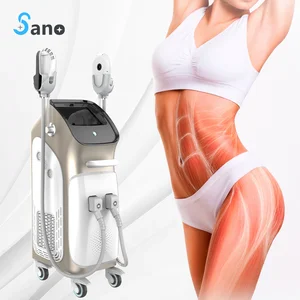
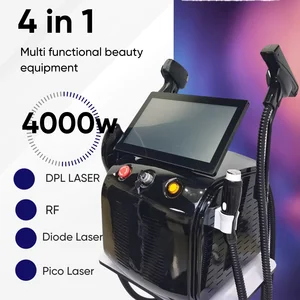
Pioneering precision medical laser platforms and body sculpting systems engineered for modern aesthetic clinics.
Analyzing clinical efficacy, laser-tissue interactions, and structural market shifts in high-energy laser sourcing.
The CO2 fractional laser operates at a wavelength of 10,600 nm, targeted specifically at the primary intracellular chromophore: water. By generating microscopic treatment zones (MTZs) using fractionated thermal injury arrays, this technology triggers a rapid wound-healing cascade while leaving the surrounding healthy skin intact. This maximizes epidermal re-epithelialization and promotes deep dermal neocollagenesis.
As modern clinical settings face higher consumer demands for minimized downtime alongside maximum therapeutic outcomes, sourcing platforms equipped with advanced fractional radiofrequency (RF) excited metal tubes rather than traditional glass tubes has become a fundamental differentiator for international clinics.
Global medical spa franchises, dermatology groups, and aesthetic distributors require unified ecosystems. Investing in versatile CO2 systems means integrating fractional resurfacing, surgical incision, and vaginal health therapies into a single device. The goal is to maximize the Return on Investment (ROI) per treatment room. Suppliers who provide flexible configurations, modular arm setups (such as Korean-imported 7-joint articulated optical arms), and dynamic scanning shapes represent the cutting-edge of the current industry supply chain.
Beijing V-Cest Beauty Co., Ltd. is an international enterprise specializing in the R&D and global export of high-end aesthetic and beauty equipment. The company is committed to bringing China’s advanced beauty technology and intelligent manufacturing capabilities to the global market. Its core business focuses on professional beauty devices, covering a wide range of applications including hair removal, anti-aging, skin whitening, skin tightening, deep cleansing, and comprehensive skincare management, providing one-stop equipment solutions for beauty clinics, distributors, and brand partners worldwide.
With a well-established vertically integrated supply chain and extensive industry expertise, Beijing V-Cest Beauty has built a strong competitive advantage in product development, quality control, and global service capabilities. The company continuously integrates a diverse portfolio of premium beauty devices while driving ongoing innovation and technological upgrades to ensure high standards of safety, stability, and performance that meet international market requirements.
In terms of global expansion, V-Cest Beauty’s business network spans across emerging and mature markets, including Russia, Eastern Europe, Central Asia, the Middle East, South America, and Southeast Asia. Through flexible OEM/ODM customization services, co-branding development, and professional technical support, the company helps partners build localized brand competitiveness and achieve sustainable growth in their respective markets.
In addition, the company places strong emphasis on R&D investment and innovation partnerships, actively exploring advanced technologies such as radio frequency (RF), laser, ultrasound, and high-intensity focused energy systems for both clinical and consumer-grade aesthetic devices. It is also continuously expanding its product portfolio and application scenarios while strengthening its digital operations and after-sales service systems to enhance global customer experience and long-term value.
Looking ahead, Beijing V-Cest Beauty Co., Ltd. will continue to deepen its global strategic footprint, strengthen technological innovation and international collaboration, and further enhance the global influence of “Made in China” within the beauty and wellness industry, becoming a key bridge connecting China’s high-end beauty technology with the international market.
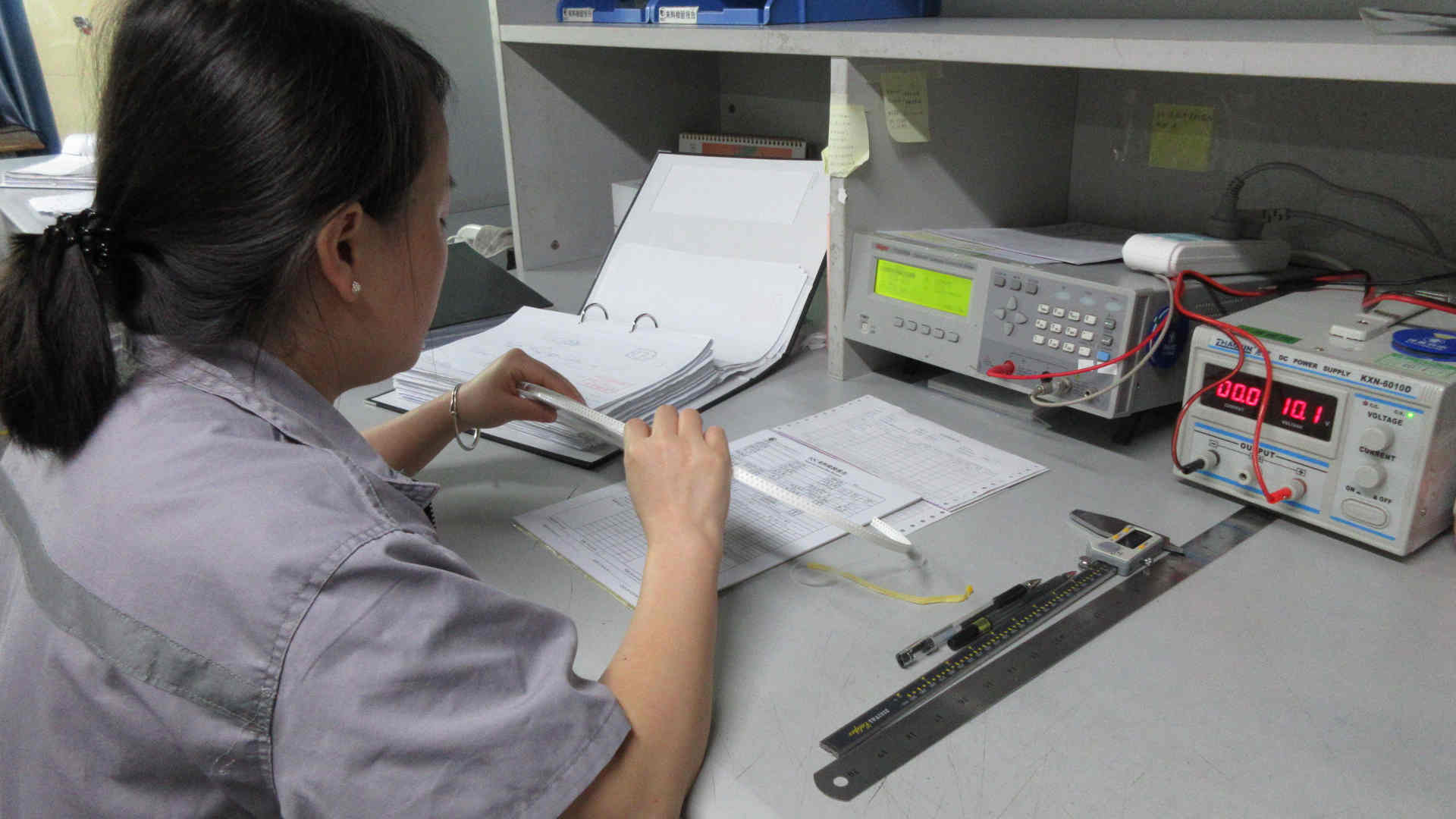
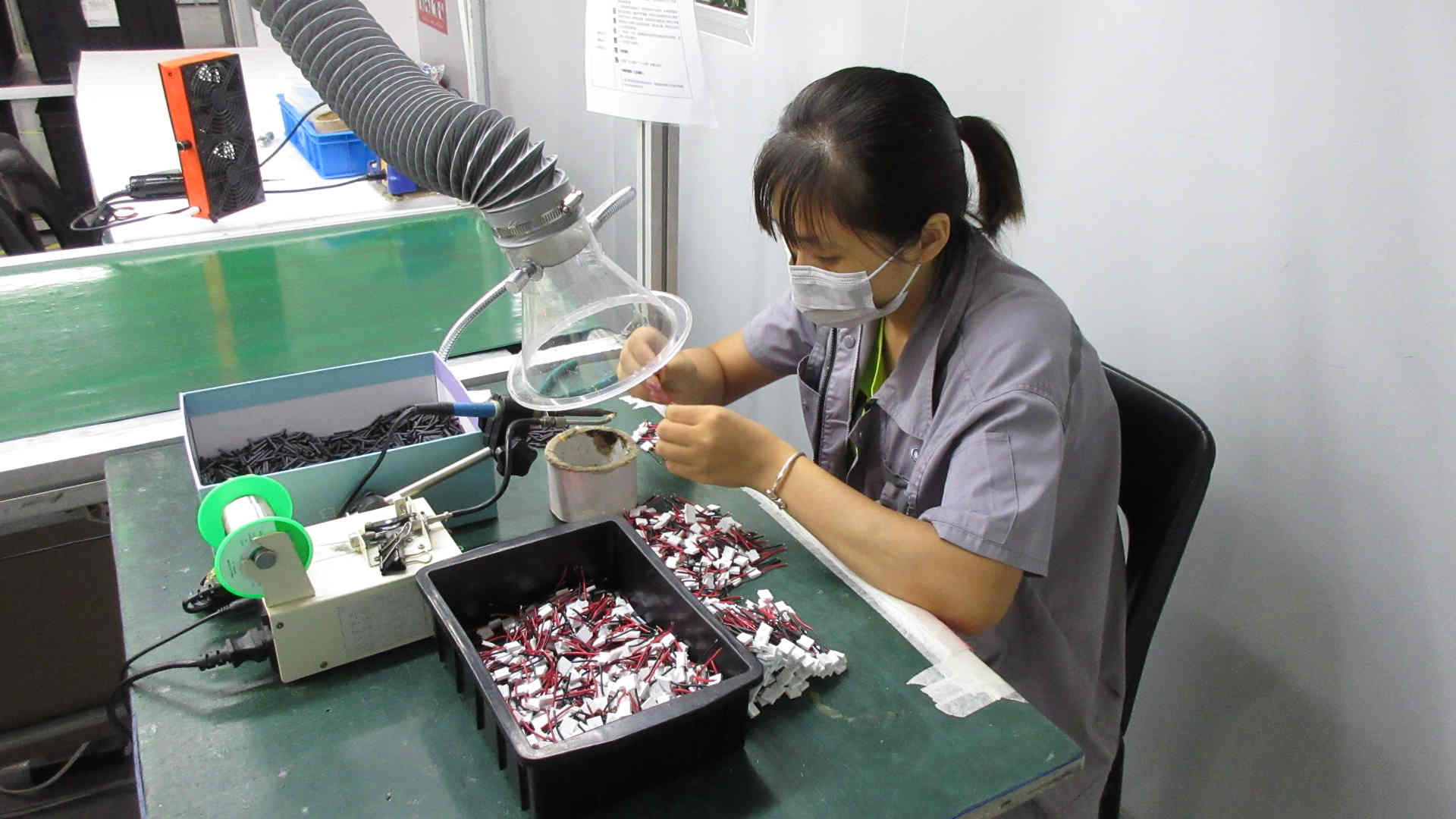
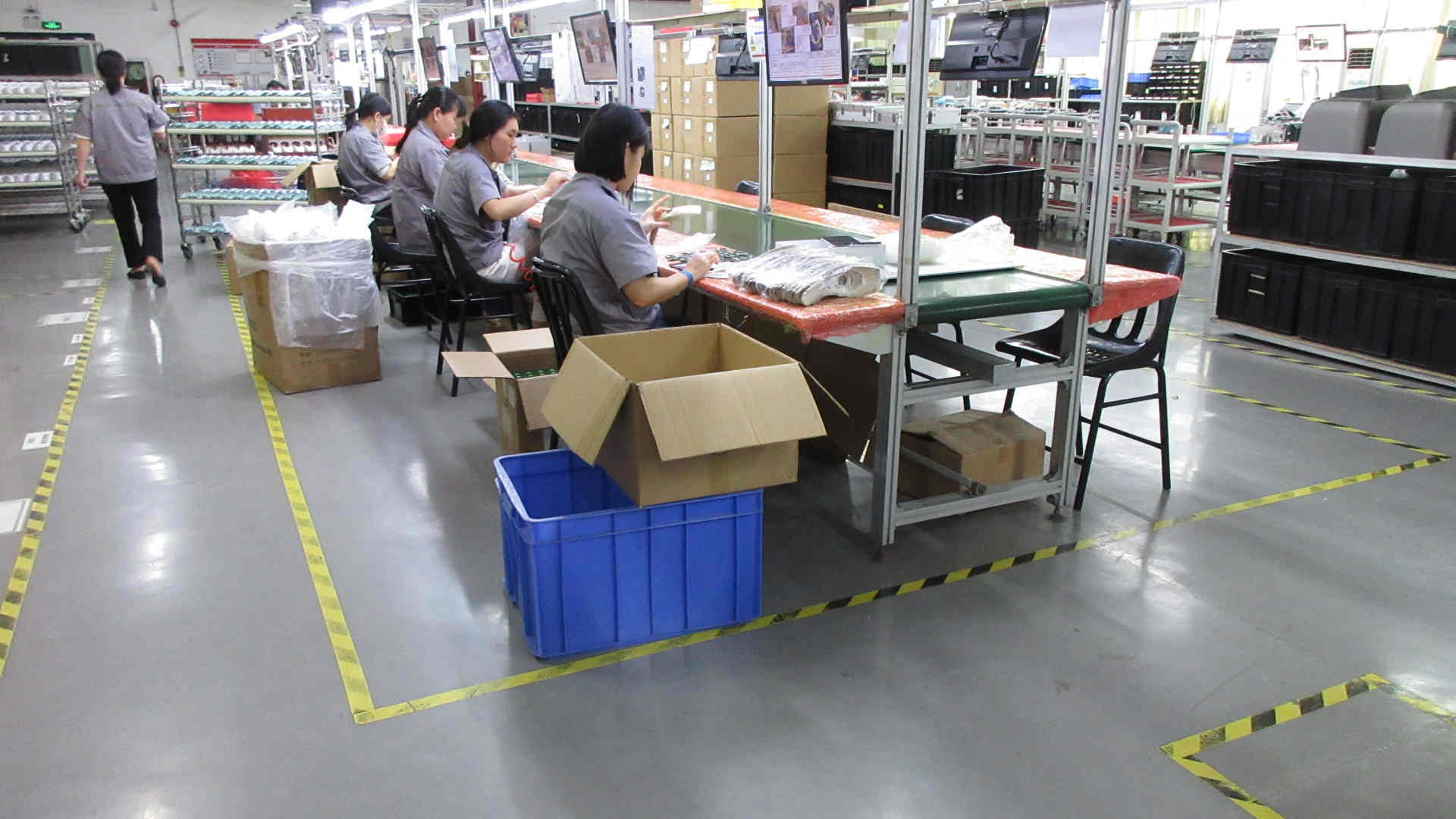
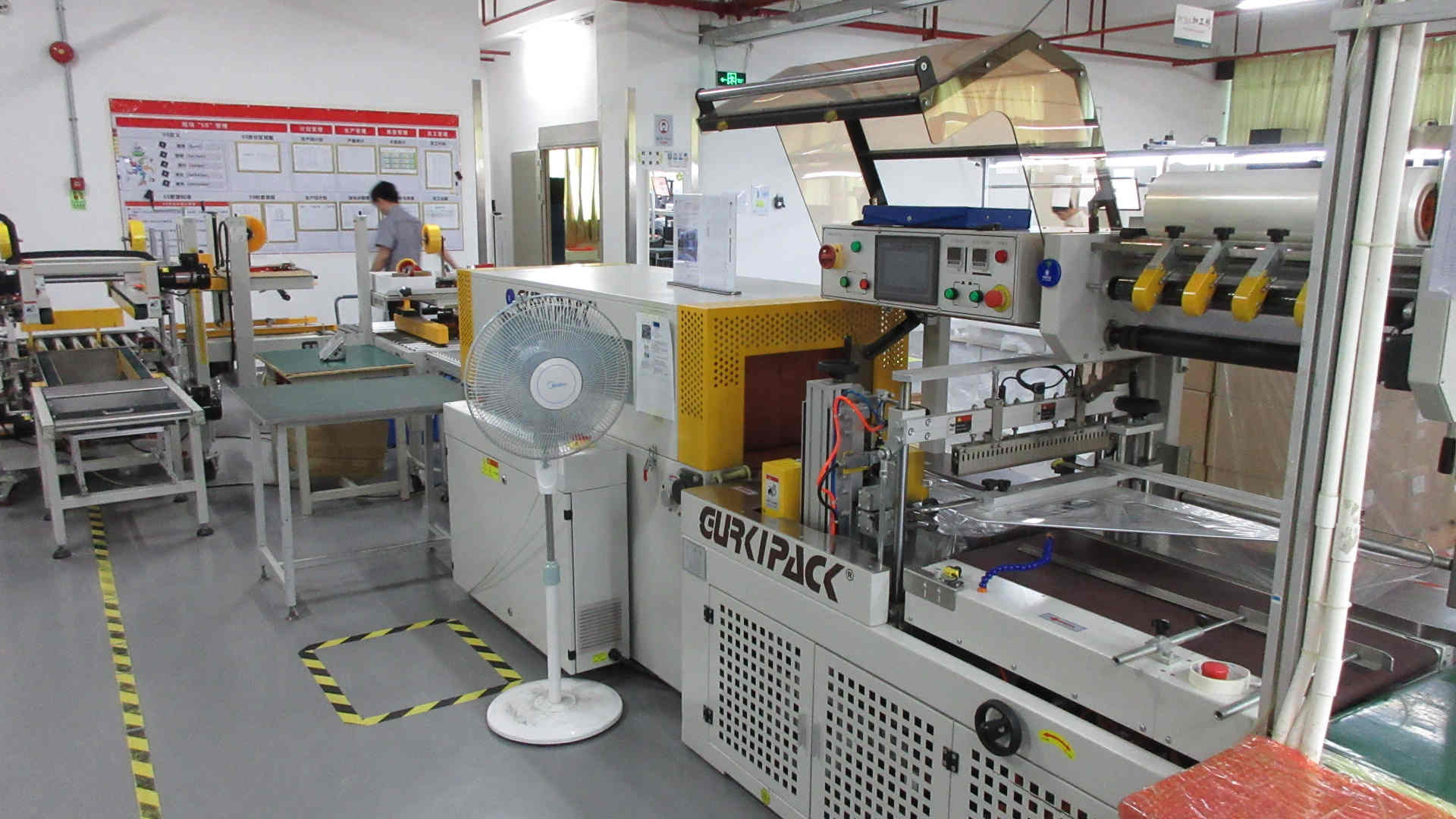
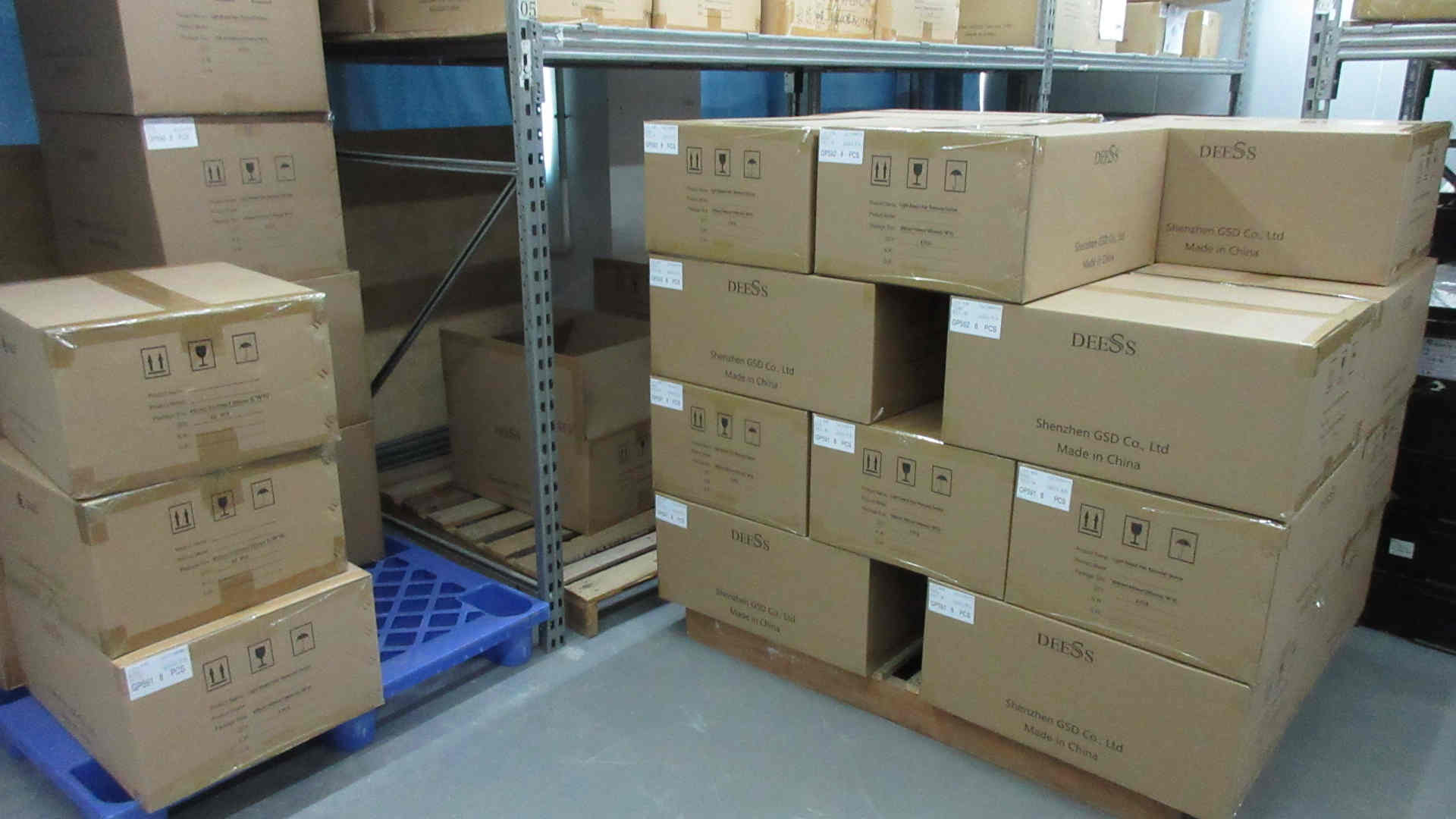
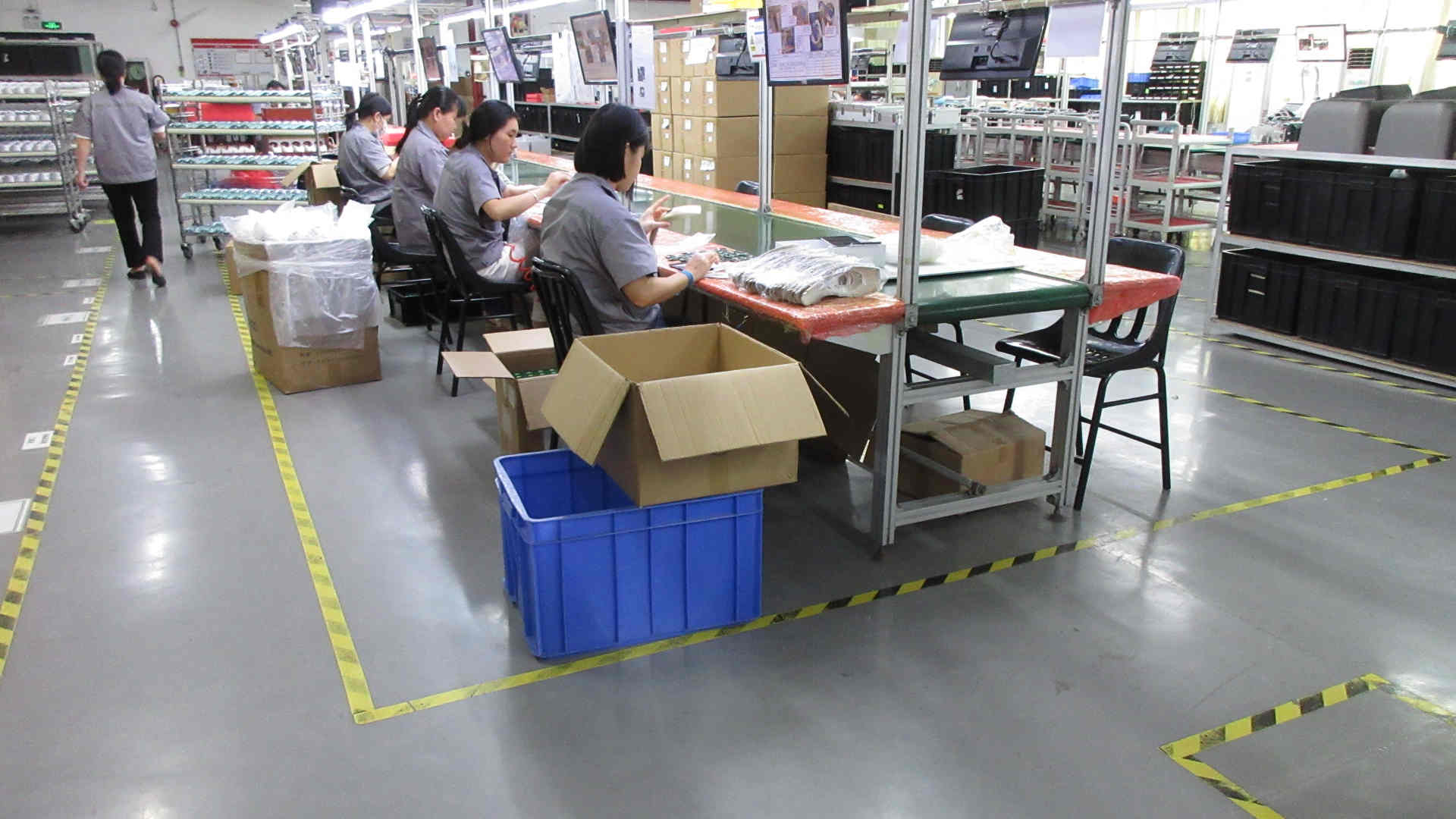
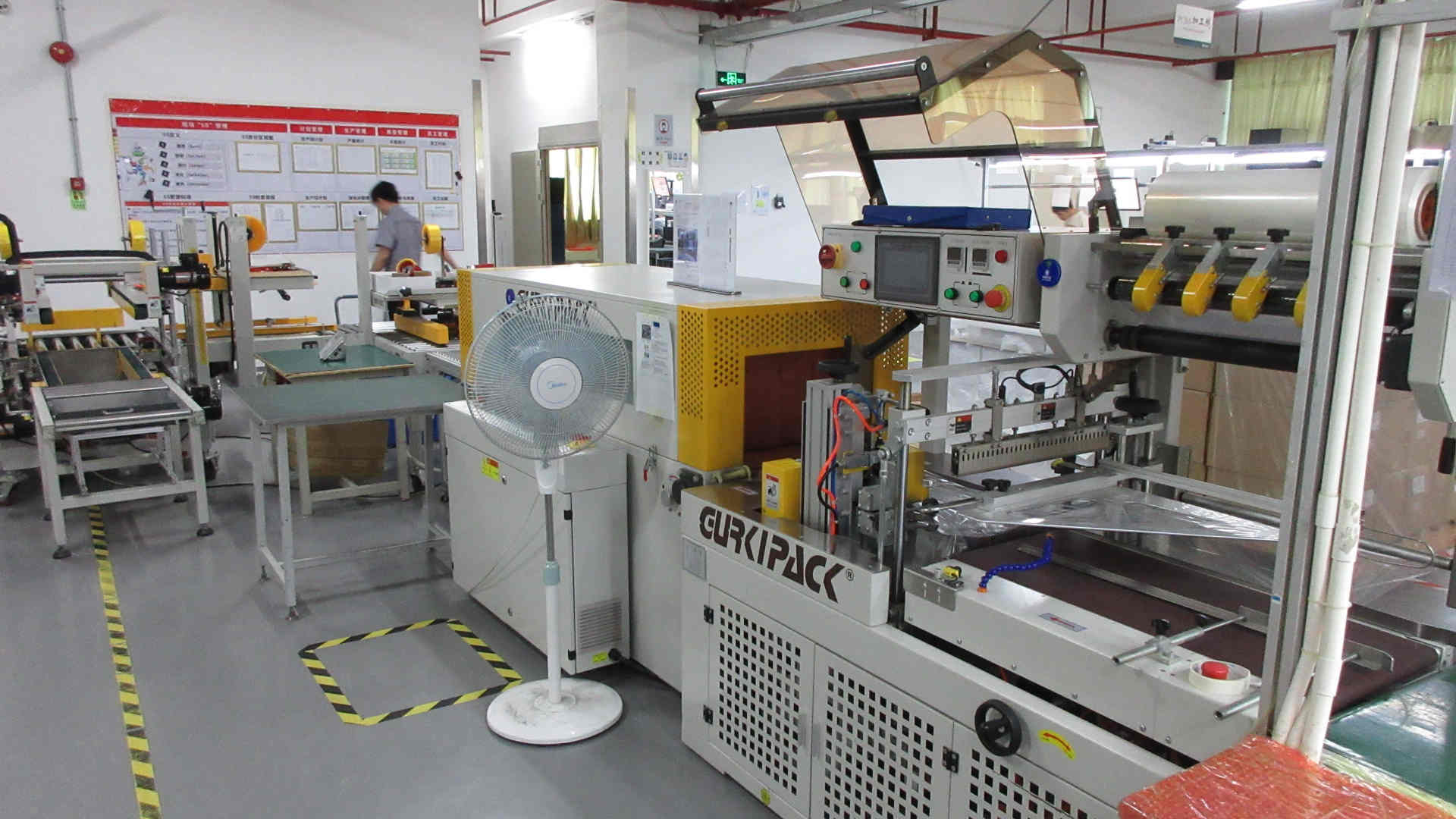
Step-by-step documentation of our industrial production line, illustrating the stringent quality gates from raw components to global shipment.
Evaluating geographical compliance matrixes, localized clinical applications, and advanced procurement requirements.
Navigating FDA 510(k) clearances, Medical Device Regulation (MDR) certifications in Europe, and ISO 13485 quality management audits. Beijing V-Cest Beauty designs systems with medical-grade safety switches, interlocks, and triple-filtered power supplies to meet these stringent international standards.
Modern clinical guidelines dictate custom spot configuration adjustments. Our units support square, rectangular, circular, triangular, and customized linear scan patterns, accommodating various skin types (Fitzpatrick scale I-VI) and diverse medical conditions.
With distribution nodes in Russia, Eastern Europe, Central Asia, and the Middle East, our team maintains cold-chain transport configurations for sensitive optical resonators, ensuring safe shipping across different climates.
The aesthetic industry is rapidly adopting multi-modality integration. The future of CO2 laser resurfacing lies in combining ablative skin remodeling with non-ablative cooling technologies and real-time dermal feedback. Beijing V-Cest Beauty's R&D department is working to integrate artificial intelligence (AI) diagnostic modules directly into the laser arm's scanning head. By assessing tissue hydration and thermal index points before the laser fires, the system dynamically scales the pulse duration, significantly reducing post-inflammatory hyperpigmentation (PIH) risk and optimizing patient recovery times.
Water Absorption Peak Wavelength
UltraPulse Thermal Relaxation Control
Double-Inspected Optical Alignment
Exporting Regions Globally
Providing clear answers to core technical and regulatory questions for clinical buyers and international distributors.
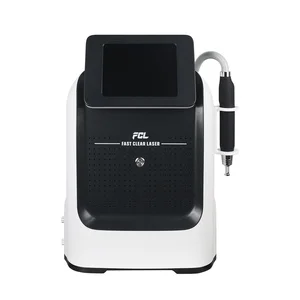
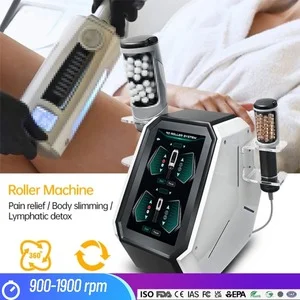
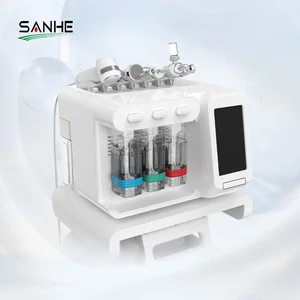
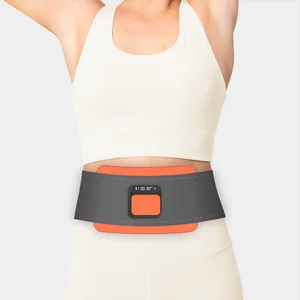
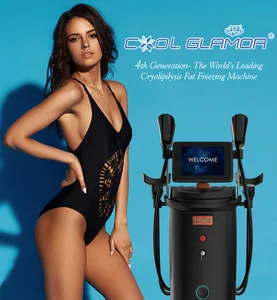
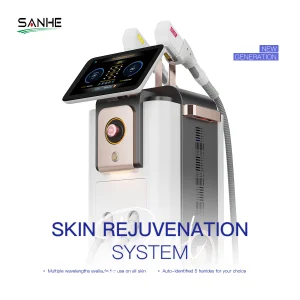
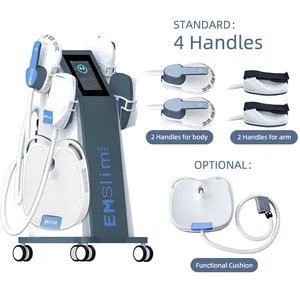
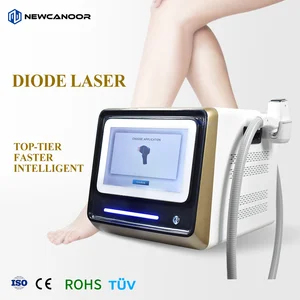
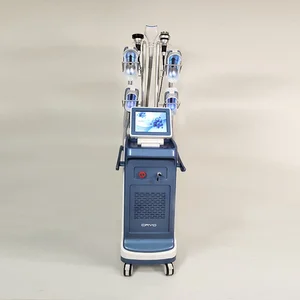
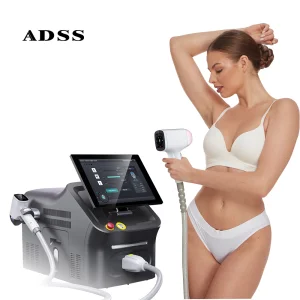
Complementary energy-based aesthetic systems for comprehensive clinic setups, featuring diode lasers, cryolipolysis, and multi-functional platforms.
 V-Cest Beauty