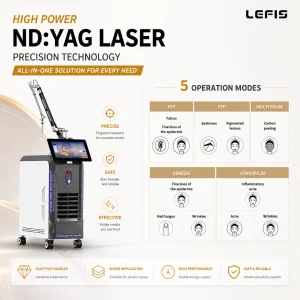
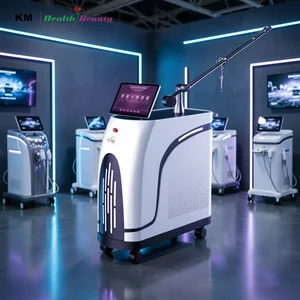
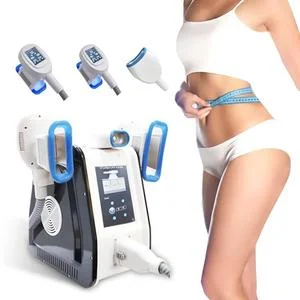
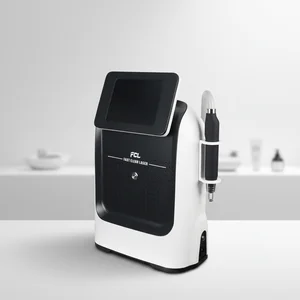
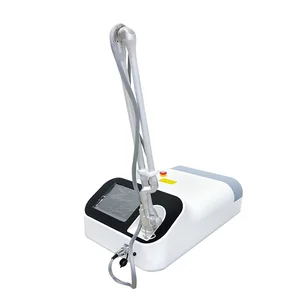
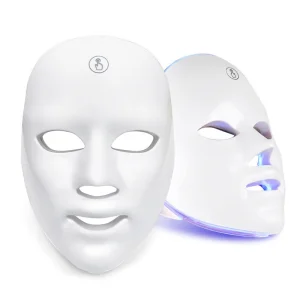
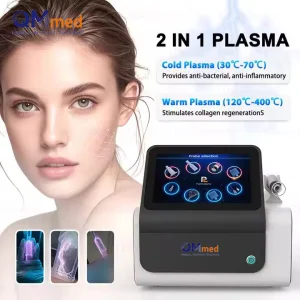
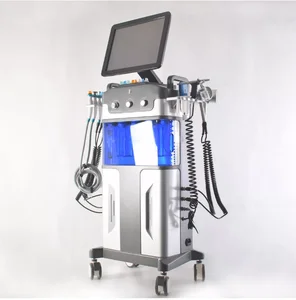
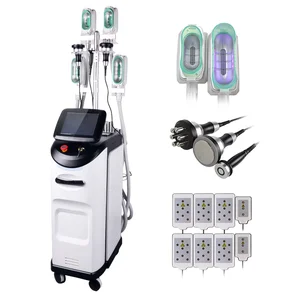
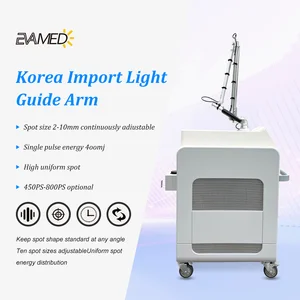
The global demand for non-invasive aesthetic treatments has undergone a tectonic shift over the last decade. As patient demographics expand to include younger age groups seeking early intervention and preventative anti-aging treatments, technology such as Fractional Laser Systems has emerged as the gold standard for clinical skin resurfacing, scar revision, and vaginal tightening. Today's global medical-aesthetic supply chain relies heavily on Chinese original equipment manufacturers (OEMs) and original design manufacturers (ODMs) to bridge the gap between high-level technological innovation and cost-effective commercial viability.
According to search query mining and clinical procurement statistics: Professional distributors and medical group purchasing organizations (GPOs) no longer look merely for low-cost systems. Instead, they seek clinical efficacy, structural stability, hardware interoperability, and long-term regulatory compliance. China's sophisticated industrial infrastructure allows manufacturers to produce systems that compete directly with European and American counterparts at a fraction of the capital expenditure.
The export footprint of advanced Chinese aesthetic technology covers both high-barrier mature markets and rapidly expanding emerging economies. Industry leaders like Beijing V-Cest Beauty Co., Ltd. have designed structured trade networks across Russia, Eastern Europe, Central Asia, the Middle East, South America, and Southeast Asia. Each of these regions presents distinct demand profiles:
Understanding the physics behind fractional photothermolysis is essential for B2B procurement decision-makers. Fractional laser systems operate by delivering microscopic columns of laser energy into the skin—referred to as Microthermal Treatment Zones (MTZs)—while leaving the surrounding tissue intact. This selective thermal damage triggers a rapid wound-healing cascade, stimulating new collagen production and epidermal turnover without the prolonged downtime associated with traditional fully ablative resurfacing.
The CO2 laser is the ultimate device for deep tissue remodeling. Its wavelength targets water as its primary chromophore. Upon hitting the tissue, the water content vaporizes instantaneously, causing localized ablation. China manufacturers utilize advanced Radio Frequency (RF) excited metal tube laser sources (often sourced from global leaders or high-end domestic engineering labs) to replace outdated glass tubes. RF tubes produce shorter pulse widths with higher peak power, minimizing the lateral thermal damage zone (zone of necrosis) and significantly reducing the risk of post-inflammatory hyperpigmentation (PIH).
The Er:YAG laser features an absorption coefficient in water that is approximately 10 times higher than that of the CO2 laser. This allows it to perform highly precise, superficial ablation. It is ideal for patients with lower pain tolerances or those seeking minor skin texture improvements with negligible downtime. China's manufacturing sector offers modular laser heads that combine these wavelengths into dual-mode workstations, enabling clinicians to switch between deep structural resurfacing and superficial polishing.
For practices focusing on zero-downtime therapies, non-ablative Erbium-Glass systems coagulate the dermis without vaporizing the stratum corneum. These systems preserve the skin's barrier function, making them popular for treating early-stage acne scarring, melasma, and fine lines in busy metropolitan clinics.
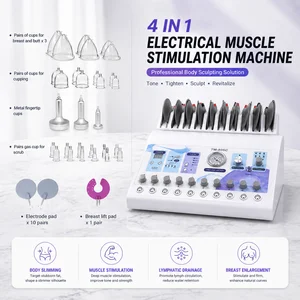
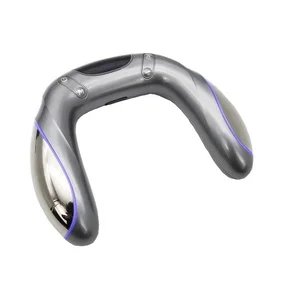
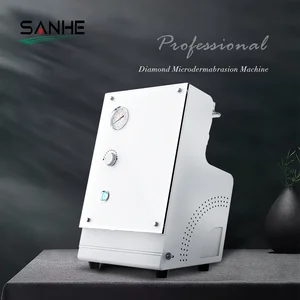
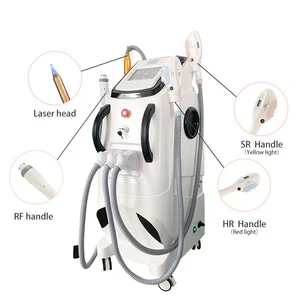
Aesthetic Synergy: By combining laser energy with complementary modalities—such as radio frequency (RF), high-intensity focused ultrasound (HIFU), and mechanical microdermabrasion—distributors can offer clinics a complete "360-degree treatment portfolio." This integration addresses dermis tightening, muscle toning, and epidermal resurfacing simultaneously.
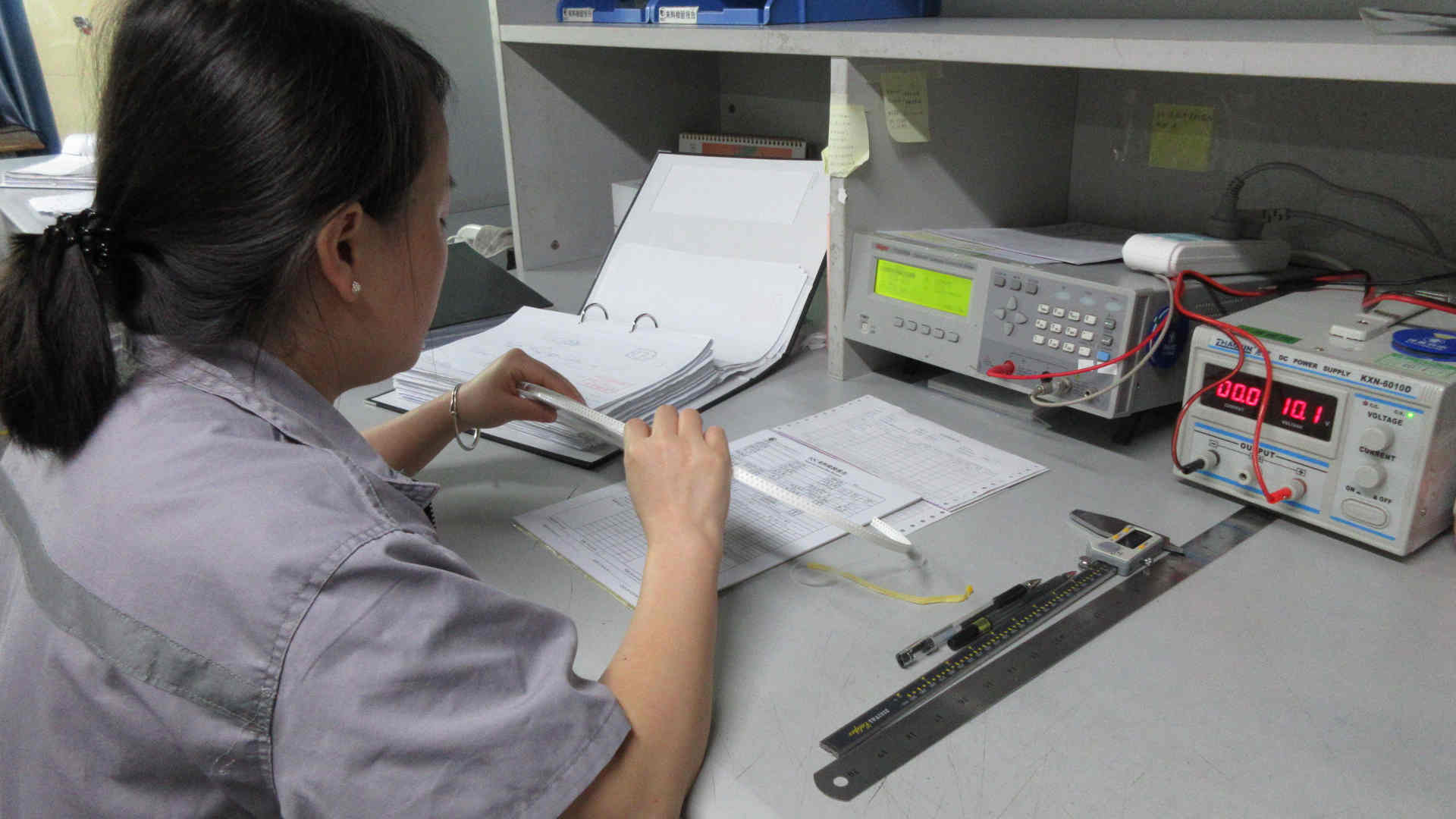
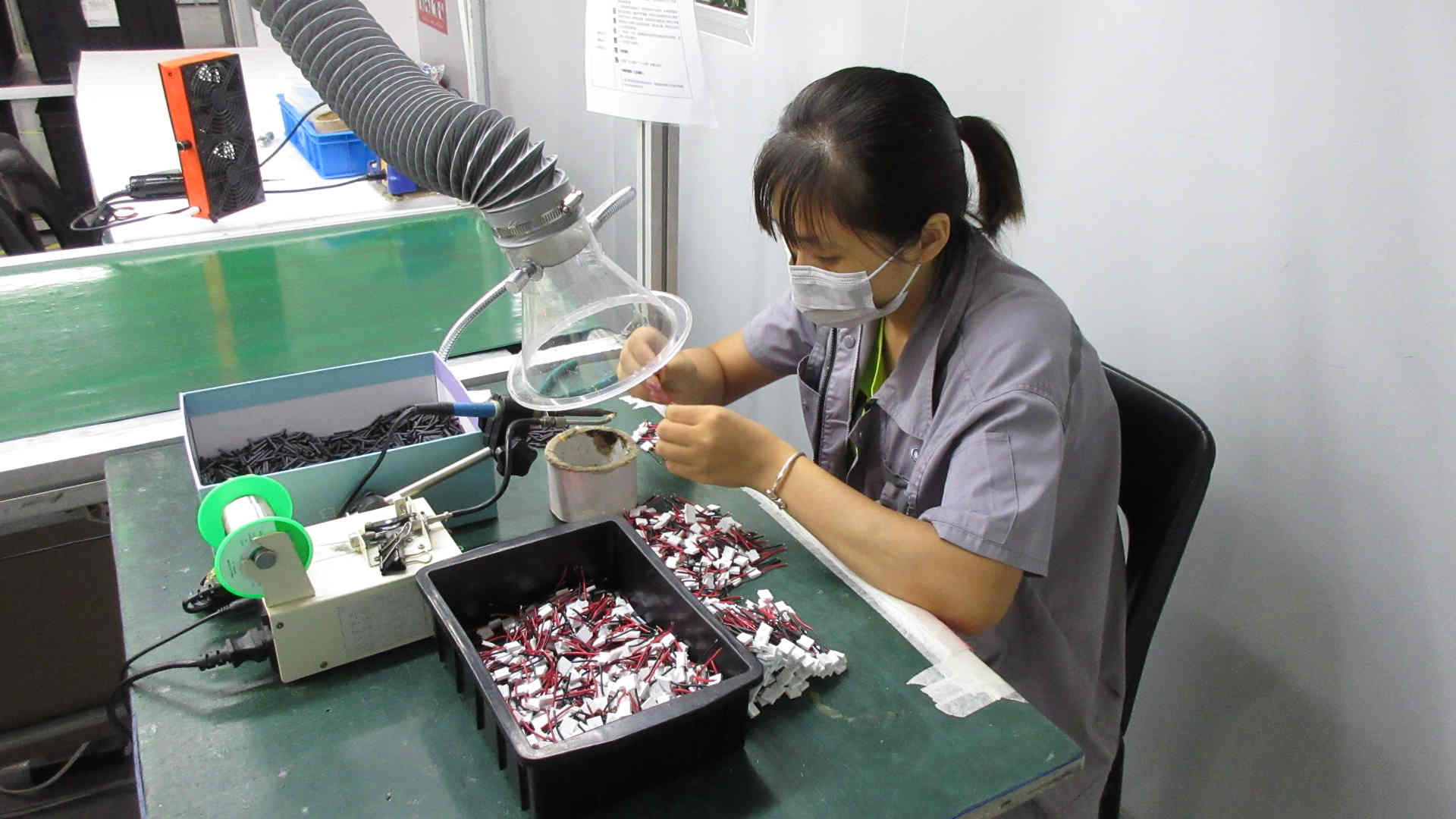
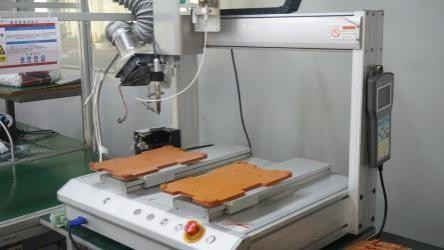
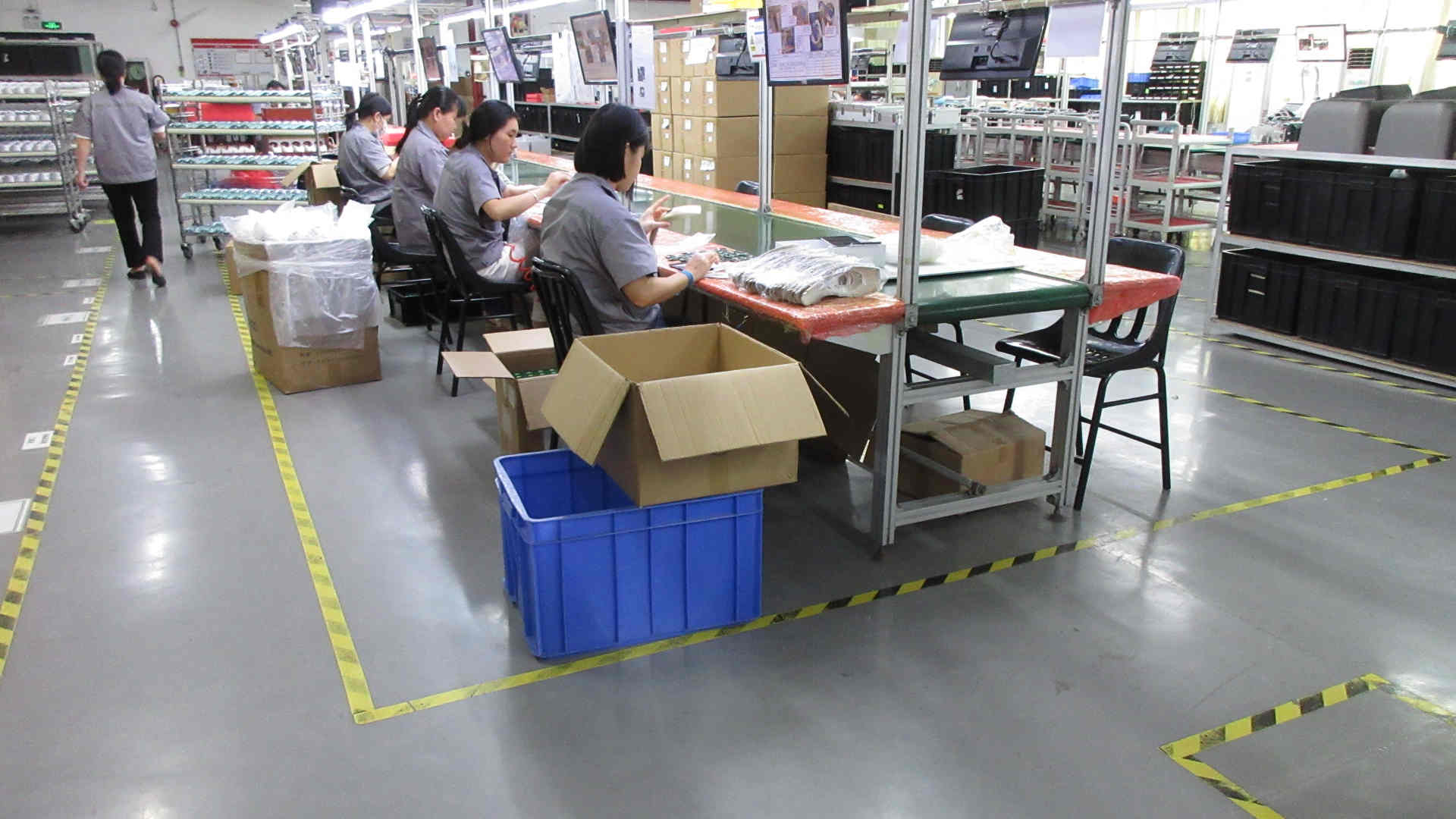
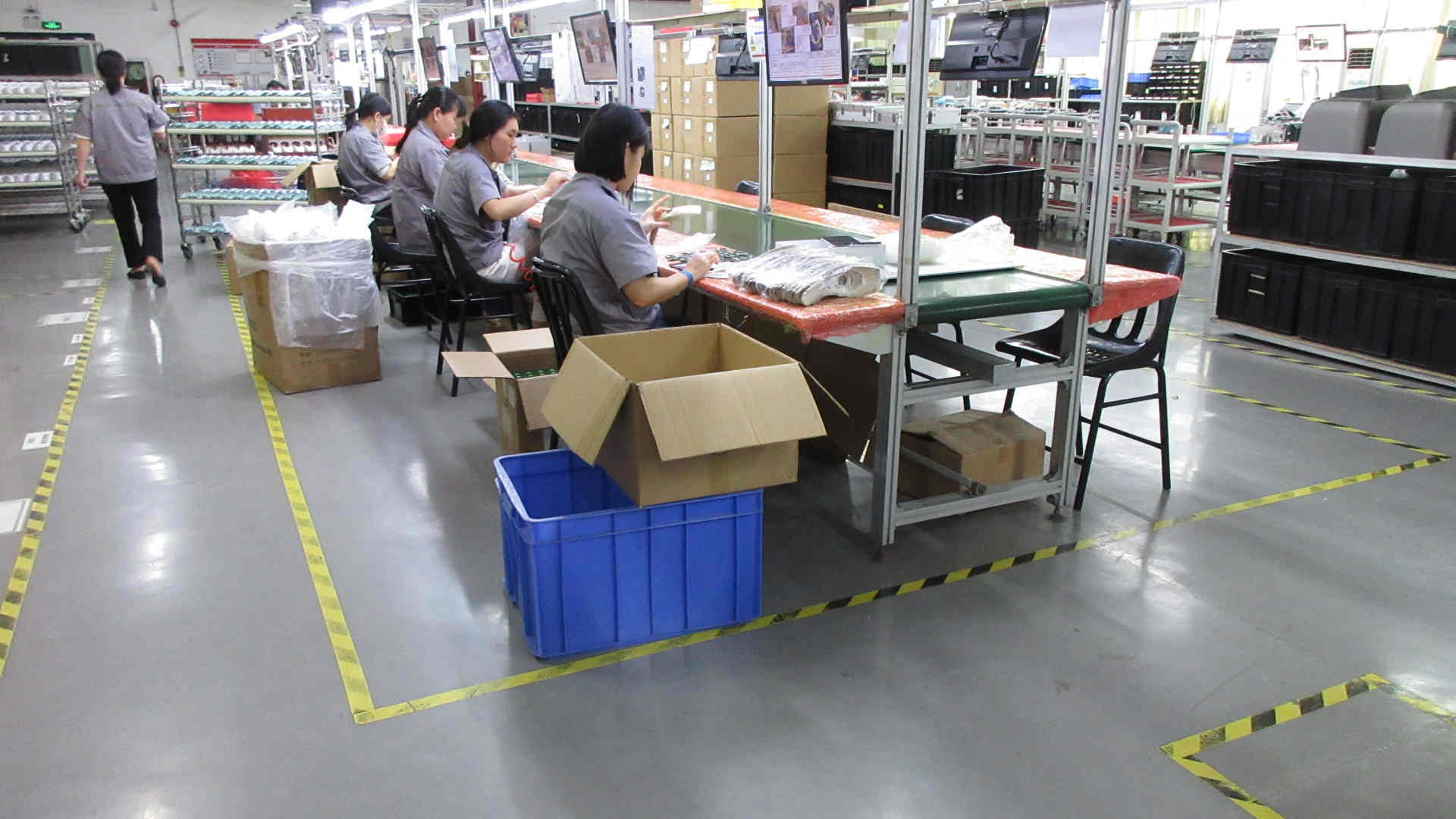
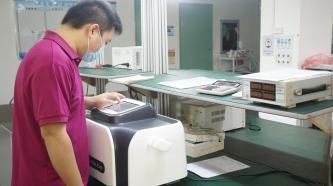
To establish true authority (E-E-A-T) in the medical aesthetic equipment sector, manufacturers must demonstrate transparency and rigorous quality management throughout the assembly process. A vertically integrated supply chain ensures that every stage—from raw component screening to final environmental chamber tests—is traceable and meets international clinical safety guidelines.
The manufacturing workflow below illustrates the step-by-step assembly line of Beijing V-Cest Beauty Co., Ltd., showcasing their commitment to precision engineering, automated processes, and strict quality control protocols.

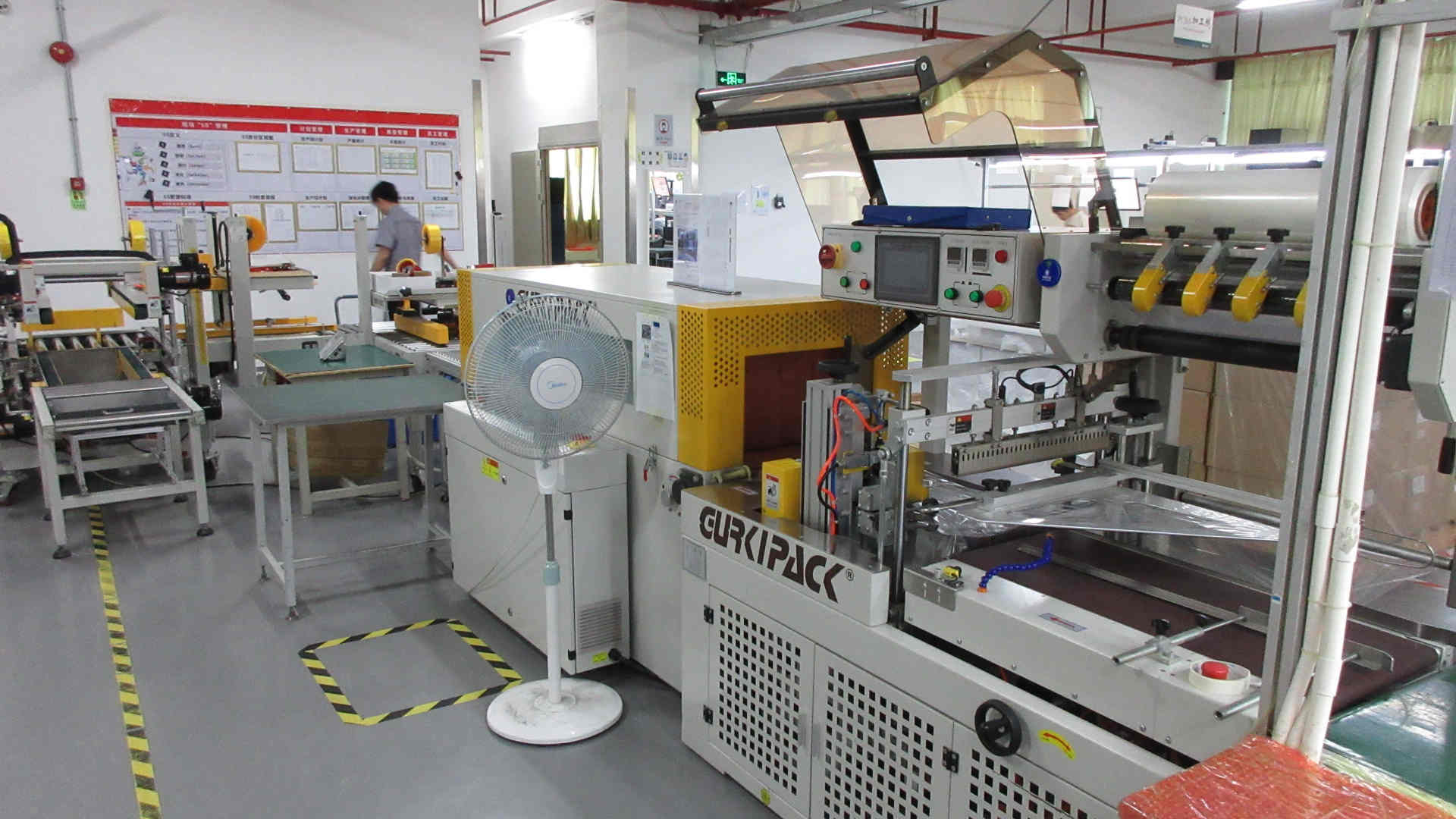
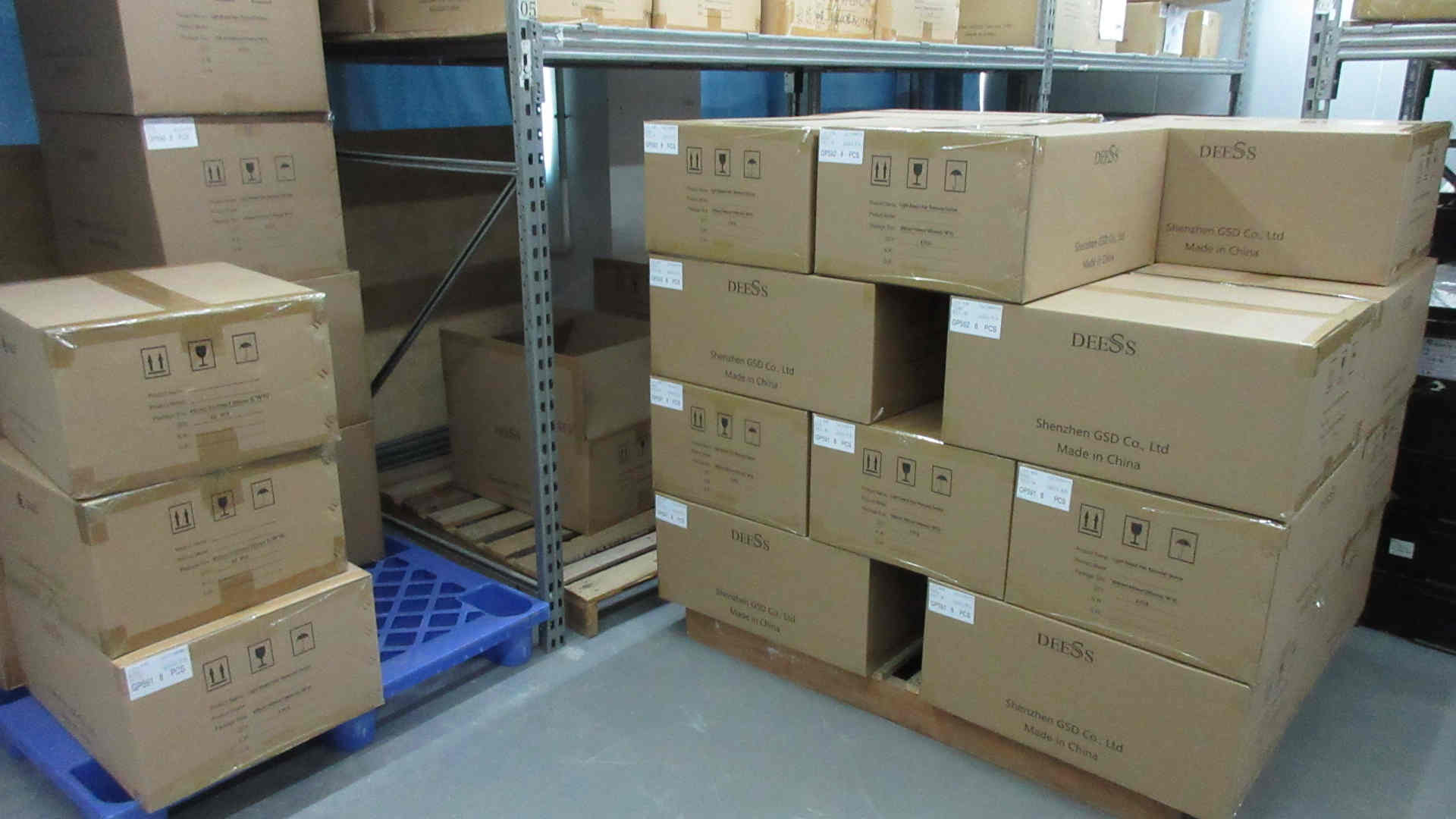
Navigating the global regulatory landscape is a critical challenge for aesthetic equipment importers. Standard commercial devices cannot be cleared through customs or operated in medical environments without correct documentation. Top Chinese manufacturers design their platforms to meet these compliance requirements:
High-end platforms are built to comply with ISO 13485 (Medical Devices — Quality Management Systems). When sourcing fractional laser systems, look for manufacturers who provide CE Certificates (under MDR 2017/745), FDA 510(k) clearances, and RoHS compliance certificates. These documents guarantee that the device uses medical-grade wiring, contains appropriate electromagnetic shielding, and includes double-redundant emergency safety switches.
Every region has its own aesthetic preferences and user interface requirements. Advanced manufacturers offer flexible customization solutions, including:
For global distributors, purchasing a machine is only the first step. Long-term profitability depends on maintaining uptime. Reliable suppliers offer comprehensive support structures: online video diagnostic support, ready-to-ship replacement parts, and modular internal layouts that allow local technicians to swap out components in under 30 minutes.
Investing in new medical aesthetic hardware requires careful financial planning. When evaluating Chinese fractional laser systems against Western equivalents, the return-on-investment (ROI) calculation is compelling. A lower capital expenditure (CapEx) allows clinics to achieve profitability sooner, adjust their pricing dynamically to attract local patients, and allocate resources to marketing and customer acquisition.
A premium Western-branded fractional CO2 laser system typically costs between $60,000 and $120,000 USD. In contrast, an equivalent medical-grade Chinese fractional system with an RF-excited metal tube, a multi-jointed articulated arm, and a user interface with multi-language support costs between $8,000 and $20,000 USD. This represents a 70% to 80% reduction in upfront capital requirements.
Unlike consumable-heavy platforms (such as cryolipolysis membranes or cartridge-dependent microfocused ultrasound), fractional laser systems have minimal consumable costs. The primary operating costs are electrical consumption and sanitization supplies. The laser source itself (especially RF-excited versions) has an operating lifespan of over 20,000 hours, requiring minimal maintenance when operated in dust-free, temperature-controlled clinic environments.
Assuming a clinic performs 15 fractional laser treatments per week, with an average price of $150 USD per treatment:
The next generation of aesthetic laser development focuses on intelligent integration and multi-energy delivery. Chinese manufacturers are investing heavily in these R&D fields to keep their product portfolios at the forefront of the global market:
By integrating high-resolution multispectral cameras into the laser handpiece, future systems can analyze a patient's skin hydration levels, melanin index, and scar depth in real-time. The system's onboard processor then adjusts the pulse width, density, and spot pattern automatically to optimize clinical results and reduce the risk of treatment complications.
Combining multiple laser wavelengths into a single optical pathway allows clinicians to target different skin depths simultaneously. For example, delivering a 1550 nm non-ablative pulse followed immediately by a 10,600 nm CO2 ablative pulse combines deep dermis coagulation with superficial epidermal vaporization. This hybrid approach improves tissue remodeling while shortening overall patient healing times.
Next-generation platforms feature Wi-Fi connectivity, allowing distributors to perform remote system diagnostics, update software, and monitor system usage metrics. This helps manufacturers identify potential component issues before they lead to unexpected system downtime.
 V-Cest Beauty