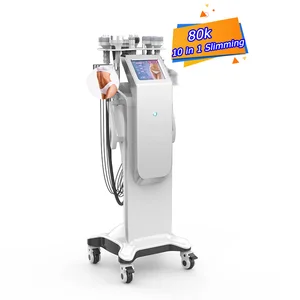
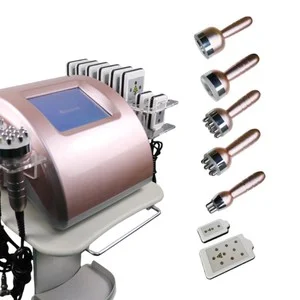
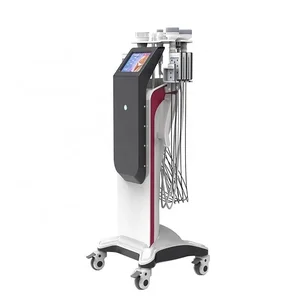
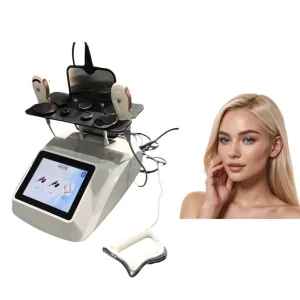
Premium imported non-invasive contouring machines optimized for hot Indian climates and localized dermatological protocols.
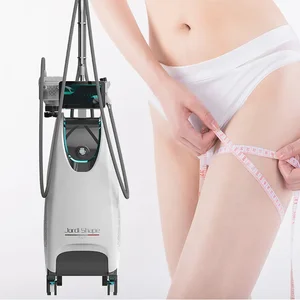
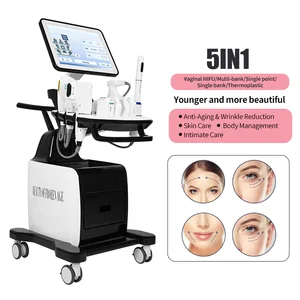
Mumbai, the financial powerhouse of India and the home of Bollywood, is undergoing an unprecedented boom in aesthetic medicine. The demand for non-invasive fat reduction and body sculpting has migrated from elite pockets in Juhu, Bandra, and South Mumbai to highly competitive suburbs like Andheri, Lokhandwala, and Thane. Clinicians are noticing that patients increasingly reject the downtime associated with surgical liposuction, shifting their preferences toward ultrasonic cavitation, multi-polar radiofrequency (RF), and laser lipolysis.
This massive rise is driven by two main factors: a growing middle class with higher disposable income and a highly image-conscious urban population. In Mumbai's hot and humid tropical climate, traditional shapewear can be uncomfortable, making fast, non-invasive contouring treatments highly appealing. Consequently, medical spas, skin clinics, and specialized weight management centers are seeking to purchase medical-grade ultrasound cavitation machines that offer predictable results and long-term durability.
Navigating the complex import and supply landscape is key for Mumbai aesthetic distributors. Finding high-quality manufacturers that can supply machines with stable frequencies, appropriate cooling systems, and compliance certificates like CE and ISO is essential. To succeed, distributors must partner with manufacturers that offer direct support, custom spare parts, and reliable warranties.
The global market for body contouring has moved beyond simple single-technology devices. Modern machines integrate multiple treatment methods to provide better clinical results. Understanding this technological shift is crucial for clinics looking to optimize their equipment investments:
| Technology Platform | Acoustic/Thermal Mechanism | Primary Clinical Application | Ideal Skin Phenotype |
|---|---|---|---|
| 40kHz Ultrasonic Cavitation | Acoustic micro-cavitation inducing localized pressure wave lipolysis | Targeting deep, stubborn subcutaneous adipose tissue (abdominal, flanks) | All skin types; localized fat pockets (BMI < 30) |
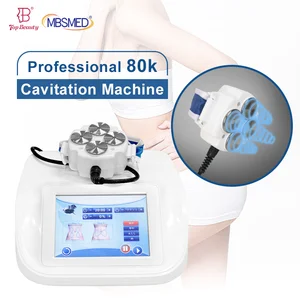
| 80kHz High-Frequency Cavitation | Shallow acoustic waves combined with thermal energy dispersion | Treating superficial fat, fibrous cellulite, and delicate areas (arms, knees) | Sensitive or thinner skin requiring precise energy control |
| Multi-polar Radiofrequency (RF) | Deep thermal dermal heating (42°C - 45°C) to stimulate collagen | Dermal tightening, reducing skin laxity after fat volume loss | Post-pregnancy abdomen, aging skin needing elasticity renewal |
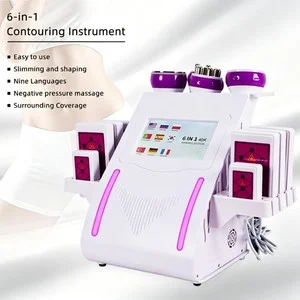
| Vacuum Endermologie & Lipolaser | Mechanical lymphatic drainage paired with low-level laser (650nm) | Accelerating lymphatic clearance of lysed lipids and smoothing skin texture | Aesthetic maintenance, post-cavitation drainage protocols |
From an engineering standpoint, the quality of the transducer is the key component of any ultrasound cavitation machine. Premium manufacturers use piezoelectric ceramic transducers that maintain stable output frequencies (such as 40kHz or 80kHz) without overheating. Lower-tier systems often suffer from frequency drift, which reduces treatment efficiency and increases the risk of superficial thermal burns for patients.
Beijing V-Cest Beauty Co., Ltd. is an international enterprise specializing in the R&D and global export of high-end aesthetic and beauty equipment. The company is committed to bringing China’s advanced beauty technology and intelligent manufacturing capabilities to the global market. Its core business focuses on professional beauty devices, covering a wide range of applications including hair removal, anti-aging, skin whitening, skin tightening, deep cleansing, and comprehensive skincare management, providing one-stop equipment solutions for beauty clinics, distributors, and brand partners worldwide.
With a well-established vertically integrated supply chain and extensive industry expertise, Beijing V-Cest Beauty has built a strong competitive advantage in product development, quality control, and global service capabilities. The company continuously integrates a diverse portfolio of premium beauty devices while driving ongoing innovation and technological upgrades to ensure high standards of safety, stability, and performance that meet international market requirements.
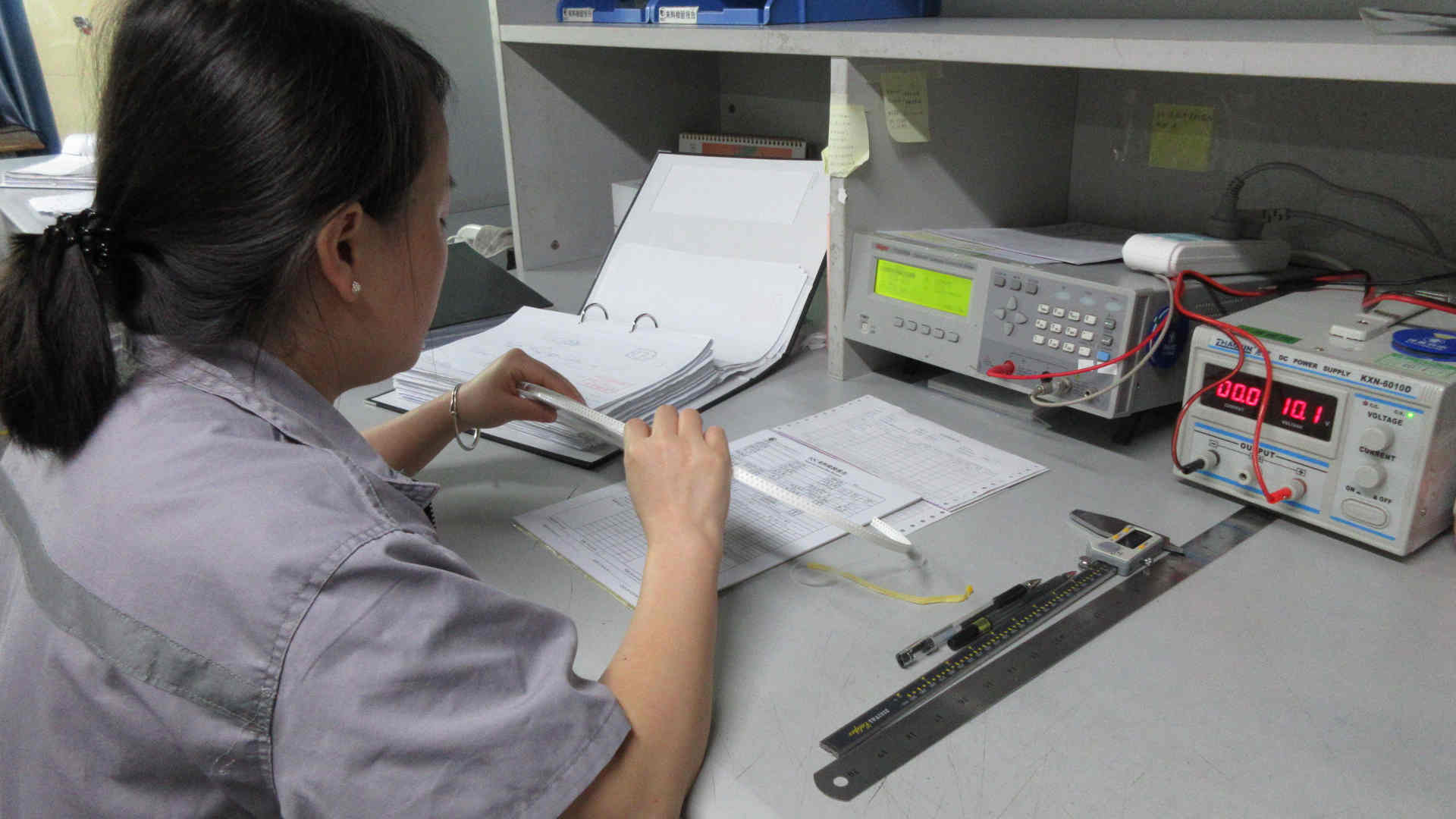
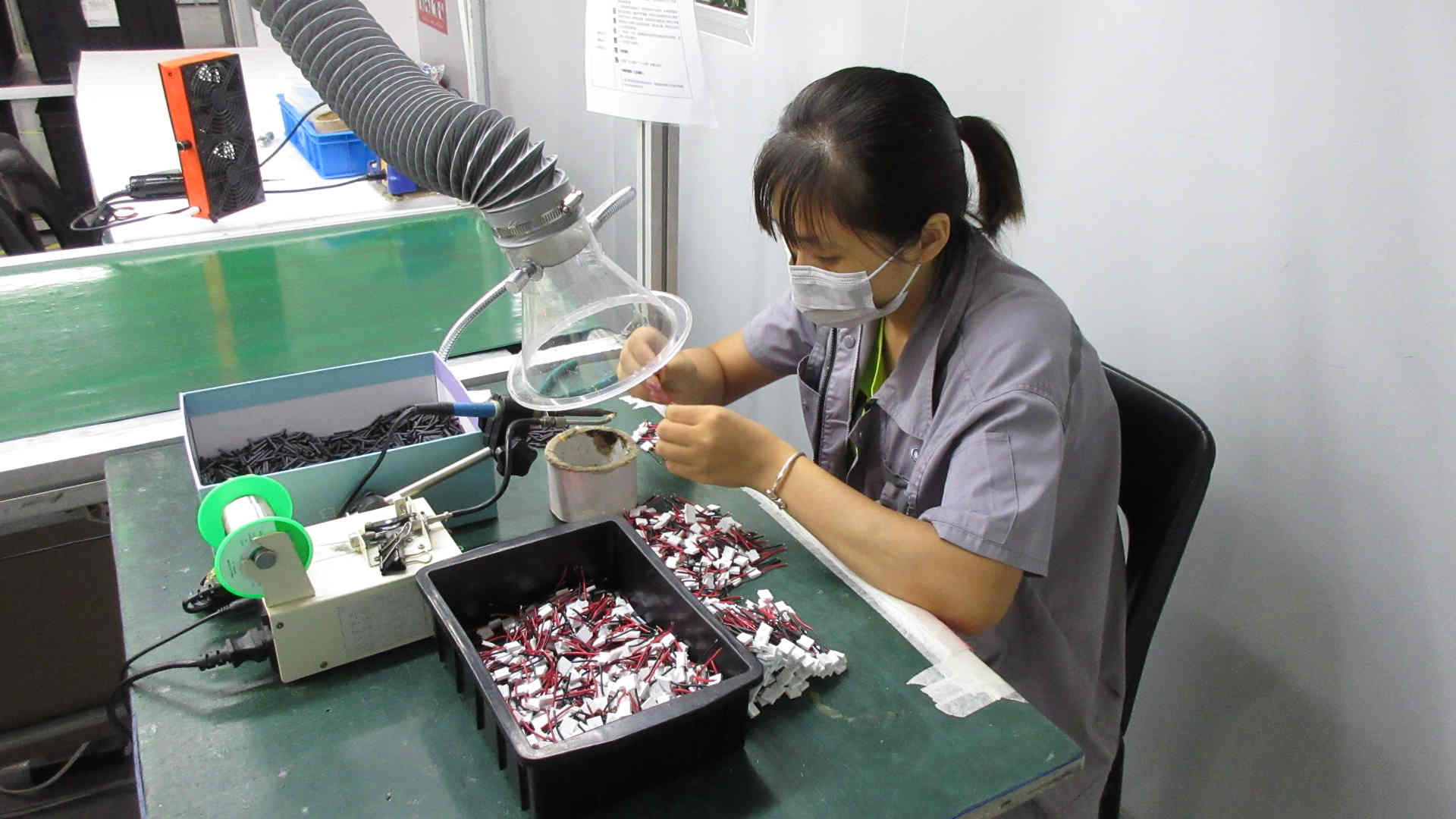
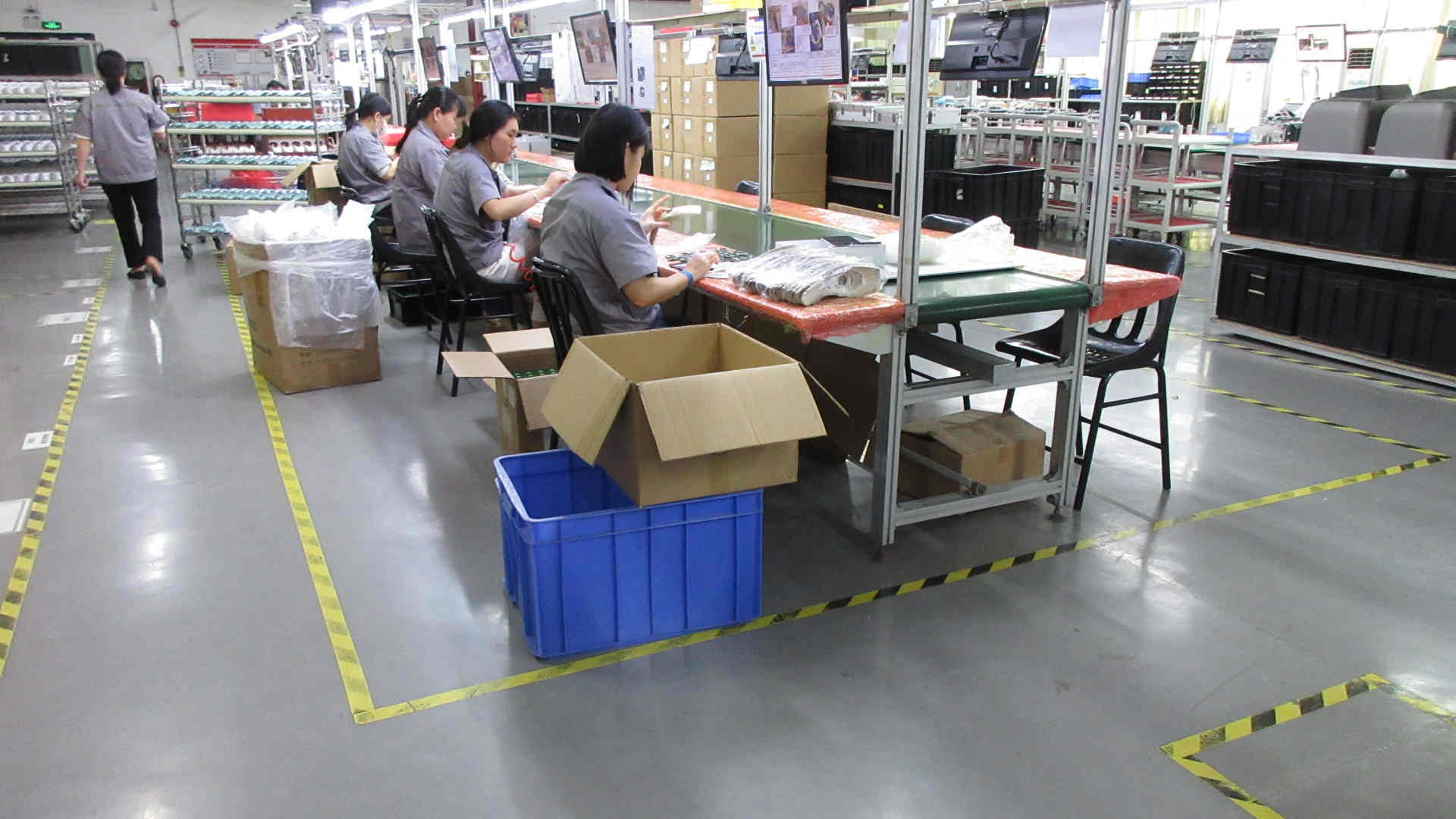
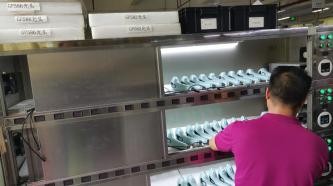
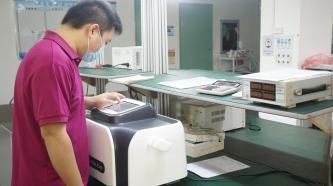
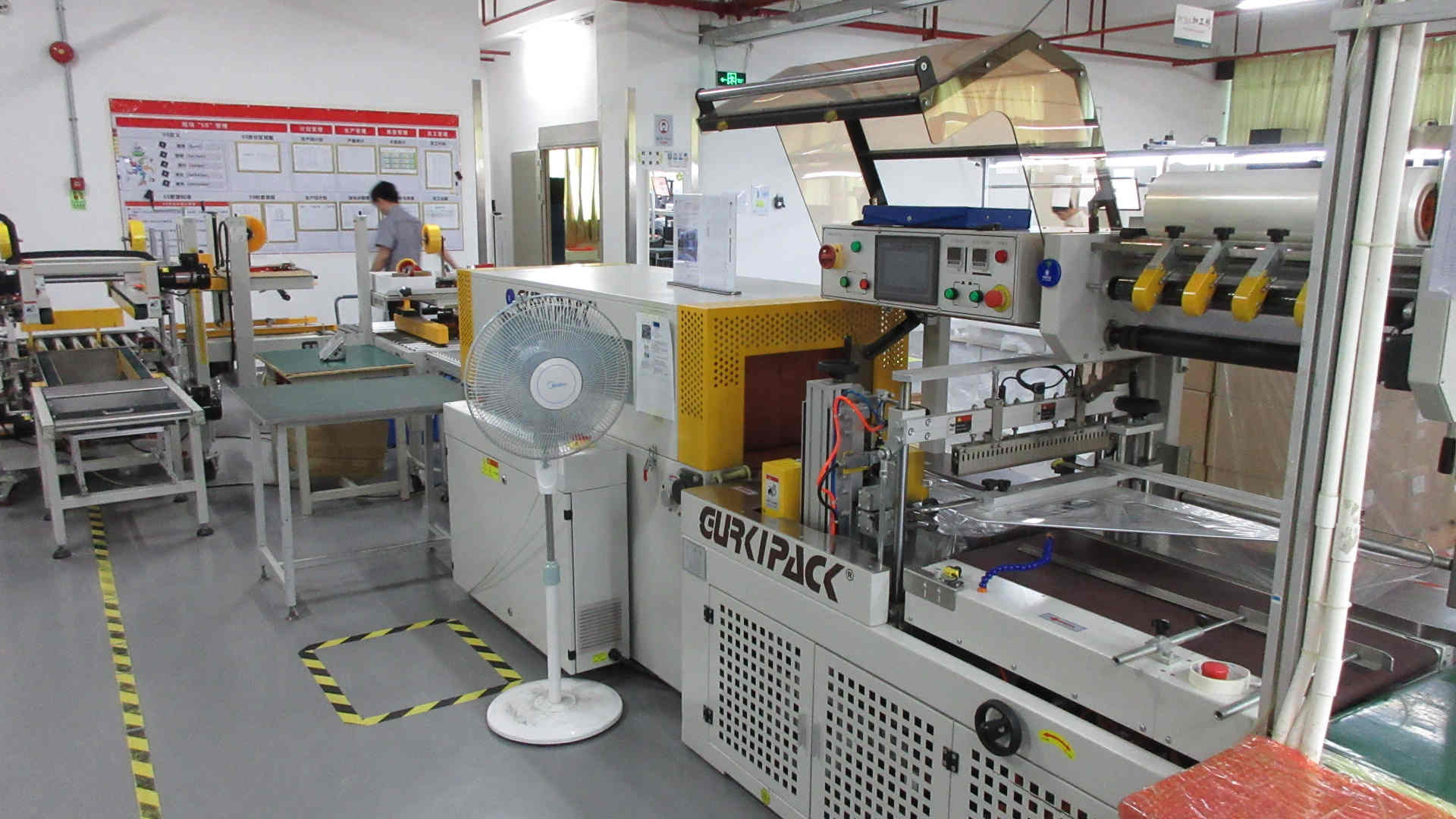
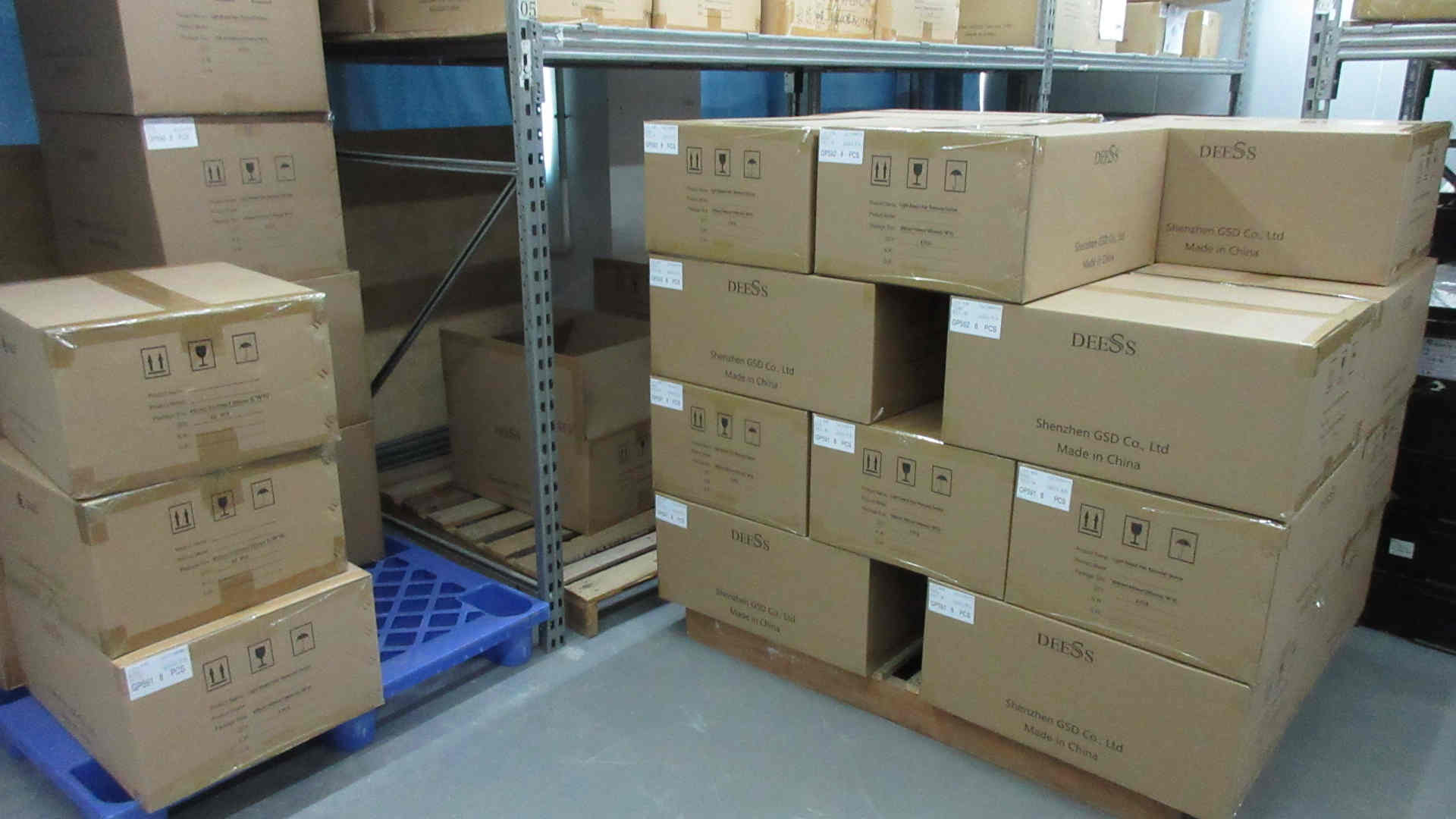
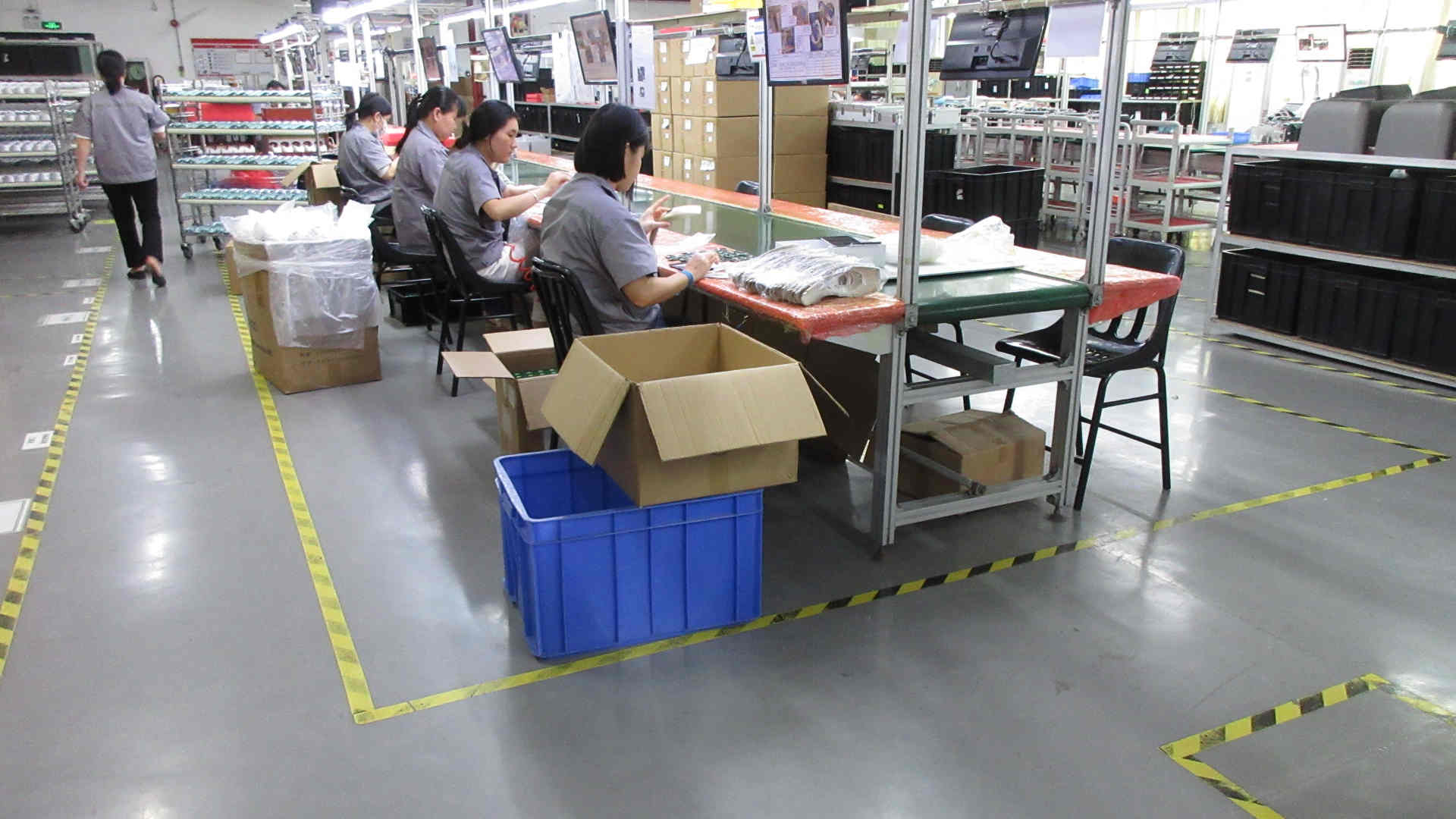
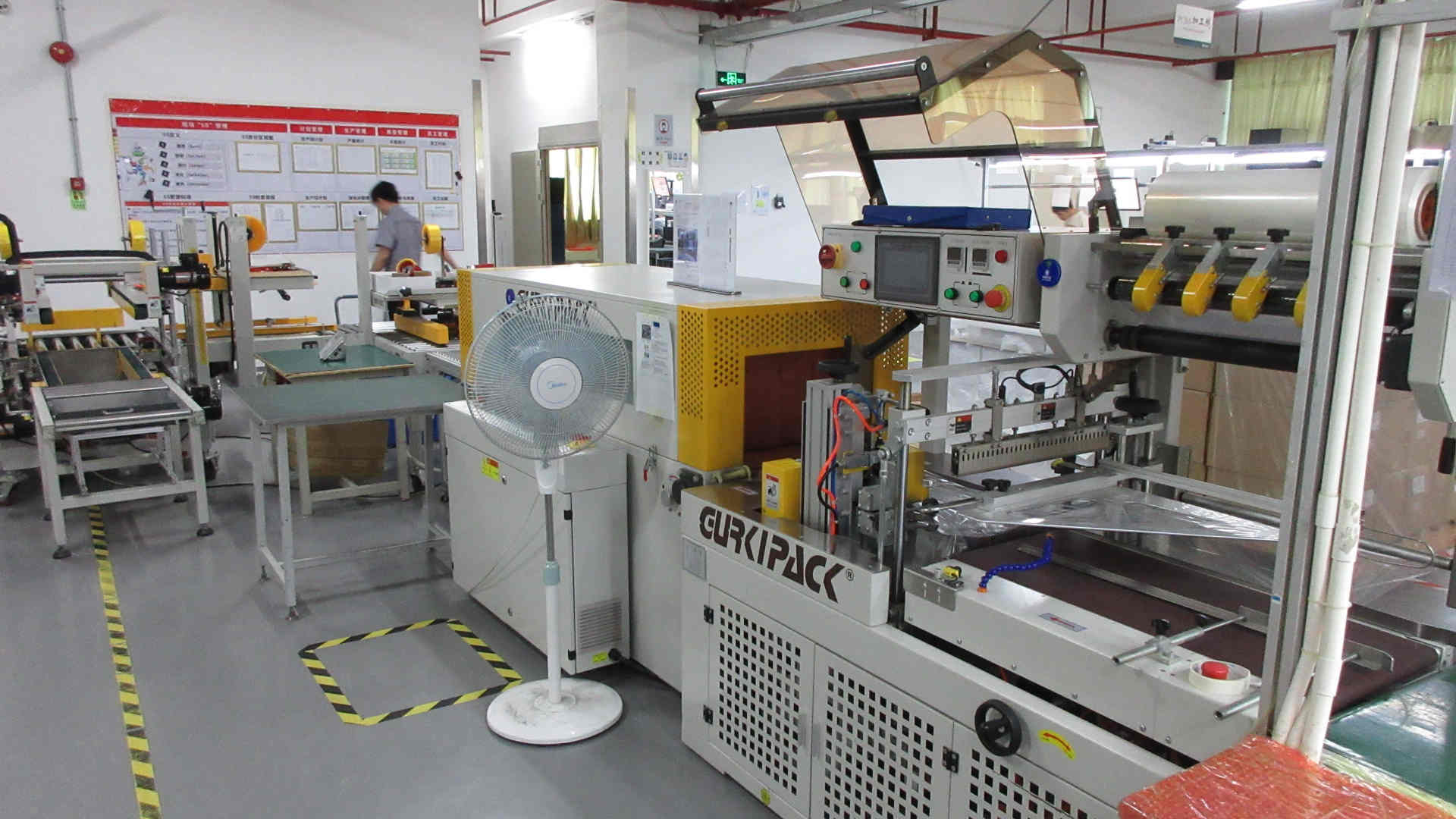
In terms of global expansion, V-Cest Beauty’s business network spans across emerging and mature markets, including Russia, Eastern Europe, Central Asia, the Middle East, South America, and Southeast Asia. Through flexible OEM/ODM customization services, co-branding development, and professional technical support, the company helps partners build localized brand competitiveness and achieve sustainable growth in their respective markets.
In addition, the company places strong emphasis on R&D investment and innovation partnerships, actively exploring advanced technologies such as radio frequency (RF), laser, ultrasound, and high-intensity focused energy systems for both clinical and consumer-grade aesthetic devices. It is also continuously expanding its product portfolio and application scenarios while strengthening its digital operations and after-sales service systems to enhance global customer experience and long-term value.
Aesthetic devices used in the Indian market require specific configuration adjustments due to unique physiological characteristics. When operating RF and cavitation devices on Indian skin types (typically Fitzpatrick Type IV, V, and VI), clinicians must manage thermal levels carefully to minimize the risk of Post-Inflammatory Hyperpigmentation (PIH). Modern cavitation systems address this by pairing ultrasound energy with advanced skin-cooling technology.
Important localized protocols include:
Importing aesthetic machinery into Mumbai requires navigating specific import procedures and regulatory requirements. Businesses should plan their logistics and compliance steps carefully:
The Central Drugs Standard Control Organization (CDSCO) manages medical and aesthetic devices in India. Importers must confirm whether their devices require registration or if they fall under non-notified equipment guidelines before shipping.
Aesthetic machines destined for Mumbai must operate reliably at 220V/50Hz. Given local power grid variations, selecting devices with built-in surge protection and voltage stabilization helps extend machine lifespans.
Most aesthetic equipment arriving from China is processed through Nhava Sheva (JNPT) port. Working with an experienced customs broker and keeping precise documentation prevents delays and minimizes storage costs.
To avoid supply issues, distributors should maintain a stock of critical consumables, such as transducers, RF handpieces, and vacuum filters. Many manufacturers offer OEM customization, allowing distributors to brand the software interfaces, add local language options, and customize outer cases for the Indian market.
Premium aesthetic systems engineered for durability, consistent performance, and exceptional patient outcomes.
Expert answers addressing regulatory compliance, treatment effectiveness, and importing processes for buyers in India.
Explore customized OEM pricing, CDSCO compliance registration guides, and shipping options designed specifically for aesthetic clinics and distributors in Mumbai.
Send Inquiry Now V-Cest Beauty