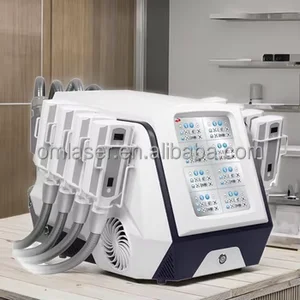
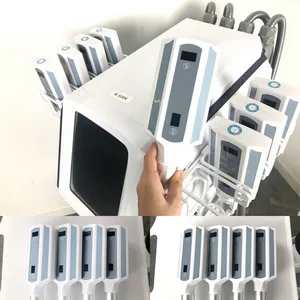
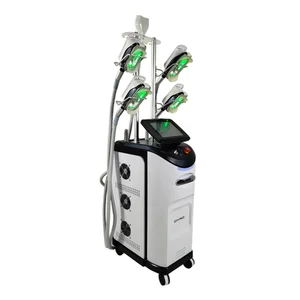
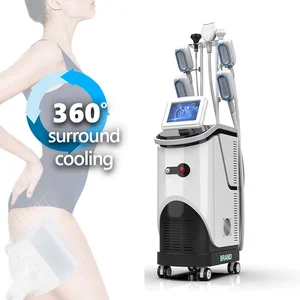
Explore our top-tier fat freezing systems engineered for high-throughput aesthetic centers, clinic franchises, and regional distributors in the Russian capital.
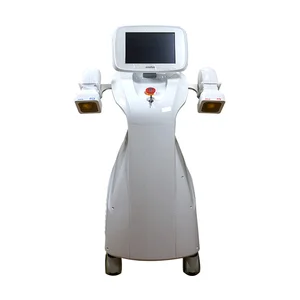
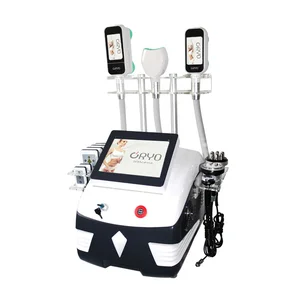
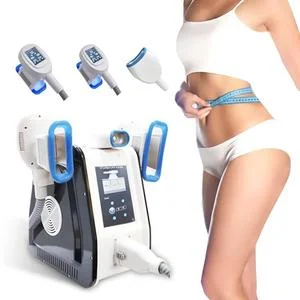
The aesthetic medical market in Moscow represents one of the most dynamic segments of the Eurasian cosmetic industry. Driven by a highly conscious urban population and a concentration of premium private clinics on Tverskaya, Kutuzovsky Prospekt, and the Moscow City financial district, the demand for non-invasive fat reduction has grown at an exponential rate. Historically dependent on Western European and North American brand imports, Moscow clinic operators and equipment distributors are navigating a massive structural pivot toward advanced manufacturing partners in China who can deliver equivalent clinical outcomes with superior technological agility.
Unlike surgical liposuction, which carries significant risks of downtime and anesthesia complications, cryolipolysis (controlled localized tissue cooling for fat-cell apoptosis) fits seamlessly into the fast-paced lifestyle of Moscow consumers. However, local operators face unique operational realities. Clinic rental spaces in premium Moscow sectors demand maximum utility per square meter. A single treatment room must achieve high profitability, meaning machines must offer high reliability, rapid applicator cycling, and the capacity to treat multiple body sites simultaneously.
Furthermore, regulatory compliance under the Russian Federation’s GOST-R standards and the Federal Service for Surveillance in Healthcare (Roszdravnadzor) has placed strict demands on equipment quality. Import channels must satisfy detailed electromagnetic compatibility, safety testing, and thermal precision parameters. Consequently, professional distributors in Moscow are looking beyond simple trade brokers and are establishing direct pipelines to vertically integrated Chinese manufacturers capable of supplying certified machinery accompanied by complete engineering reports and localized support documentation.
The global market for cryolipolysis hardware is moving away from the first generation of dual-plate contact cooling toward sophisticated multi-modality platforms. Sourcing trends highlight five primary technical mandates that global distributors and Moscow salon networks require:
At the core of the global beauty equipment supply chain is the transition of Chinese factories to Industry 4.0 smart manufacturing structures. Beijing V-Cest Beauty Co., Ltd. stands as a premier example of this transformation. By integrating research, design, production, and quality control under a unified data management architecture, the factory achieves unmatched supply chain resilience and price-to-performance advantages.
A major advantage of sourcing from a vertically integrated facility is the control over mechanical and electrical components. For cryolipolysis devices, the reliability of the internal components determines the lifespan of the machine. The cooling system depends on high-capacity thermoelectric modules (Peltier cells), high-pressure vacuum pumps, and robust liquid circulation loops (incorporating high-performance radiator fans and medical-grade silicone tubing). By manufacturing and sourcing these sub-assemblies in-house or through audited tier-1 suppliers, Beijing V-Cest Beauty eliminates delivery delays and maintains strict quality control over every stage of assembly.
| Component / Phase | Standard Aesthetic Equipment (Trading Co.) | Beijing V-Cest Industry 4.0 Manufacturing Standard |
|---|---|---|
| Cooling Elements | Standard domestic Peltier modules, unstable under long runtime | Premium Japanese Peltier modules with precise thermal regulation |
| Vacuum Control | Simple ON/OFF mechanical pump with sudden suction shocks | Proportional solenoid valves with smooth digital vacuum ramp-up |
| Chassis Welding | Manual hand-welding, high variance, risk of liquid leakage | Automatic welding machines for perfect fluid loop sealing |
| Product Stress Test | 12-hour basic functional check | 48-to-72-hour continuous aging test under load |
Our strict quality assurance protocols are built into our manufacturing facility's assembly flow. This comprehensive methodology ensures that every cryolipolysis machine arriving in Moscow meets global standards:
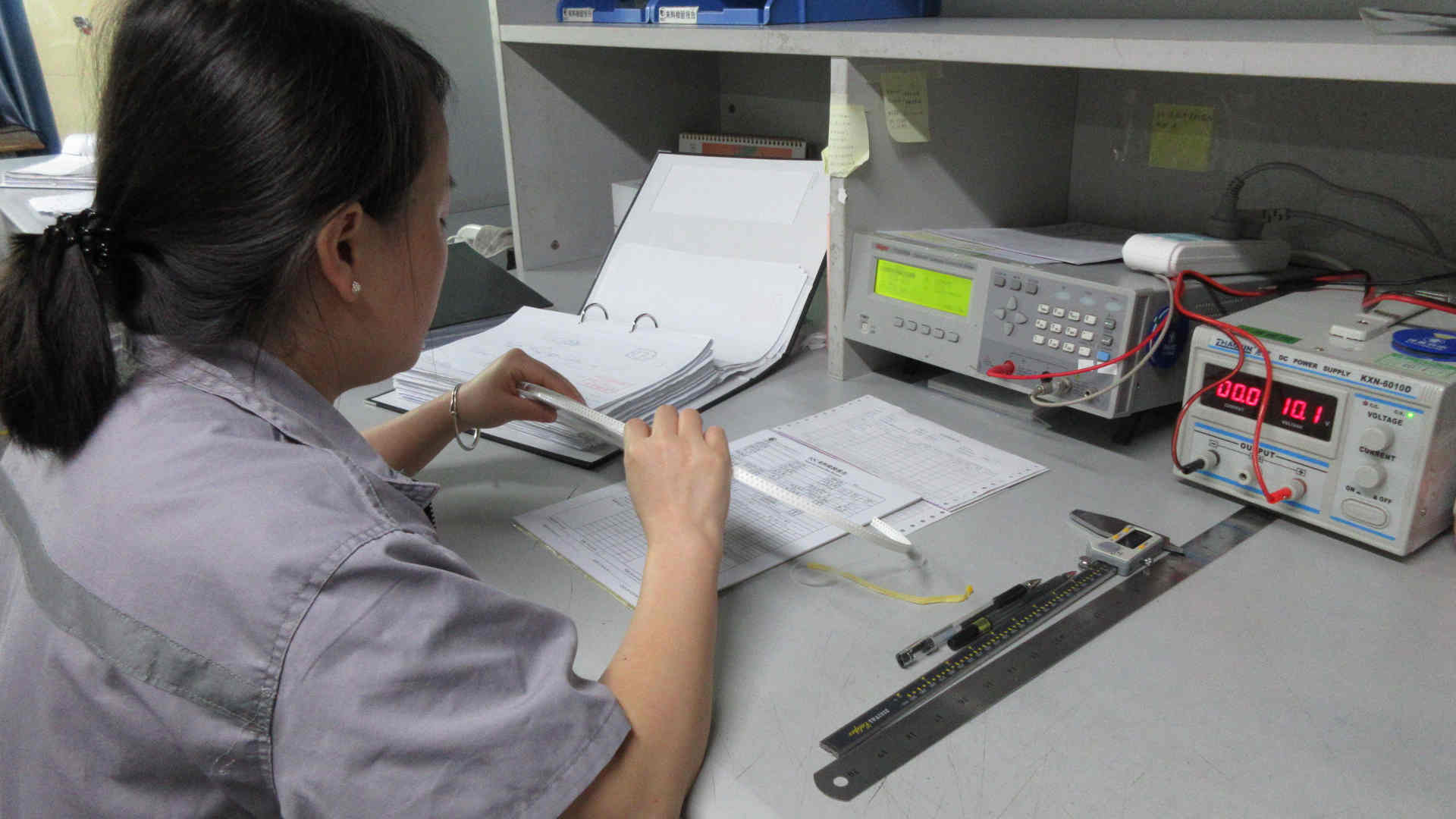
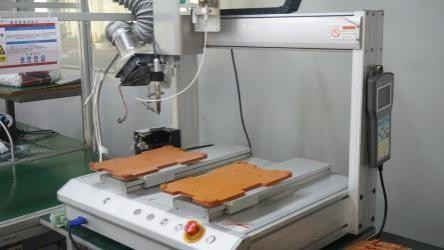
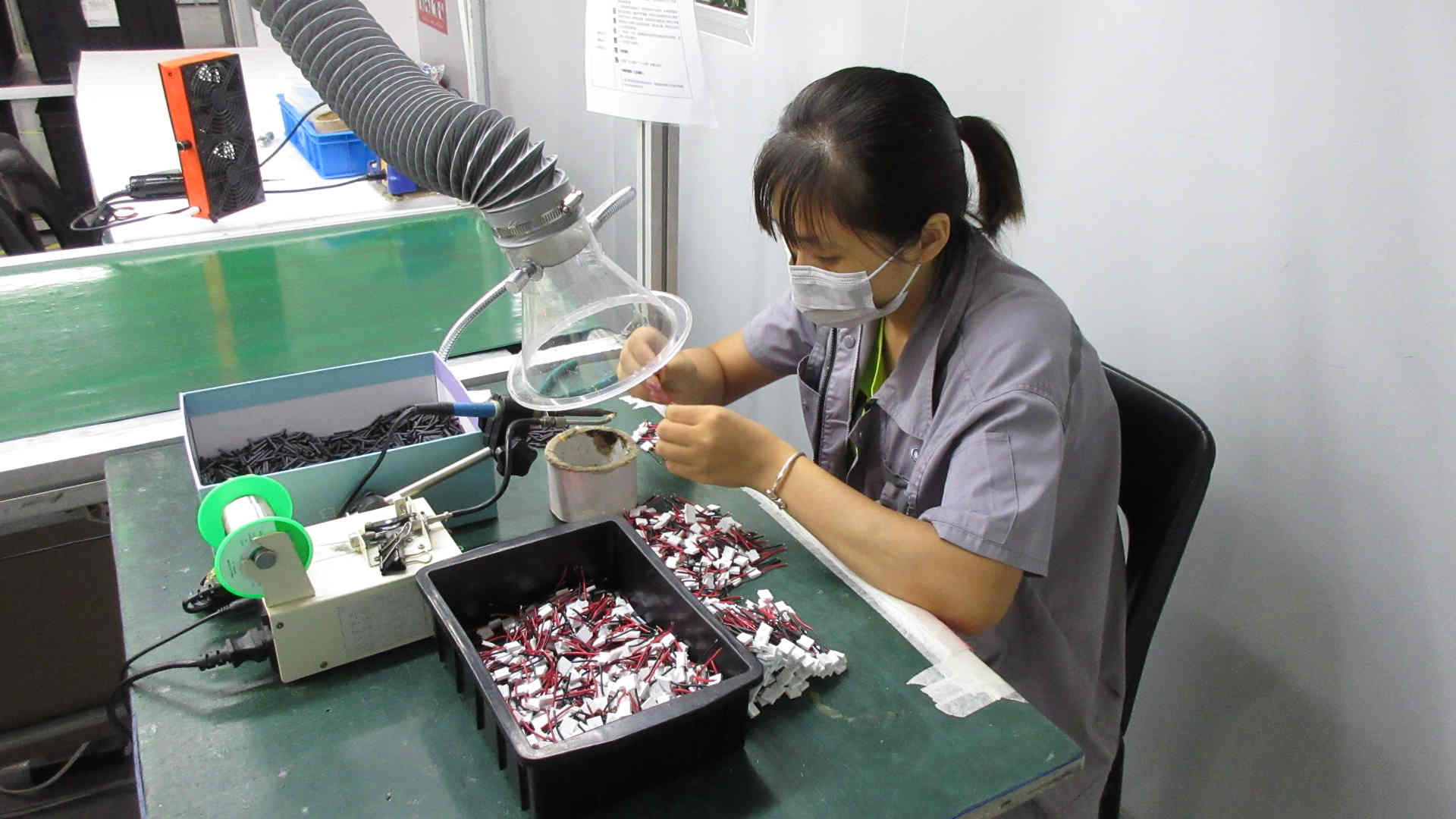
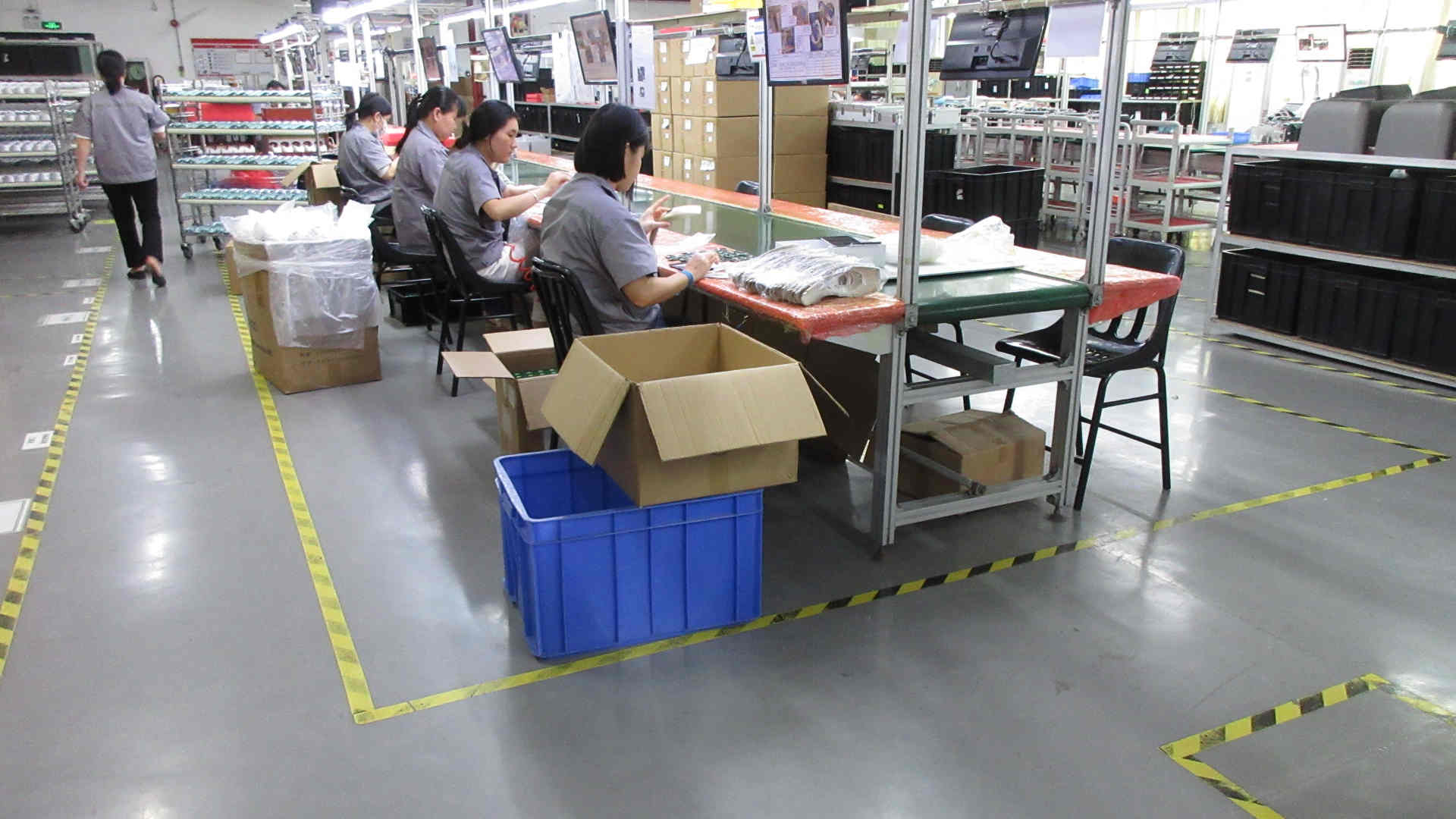
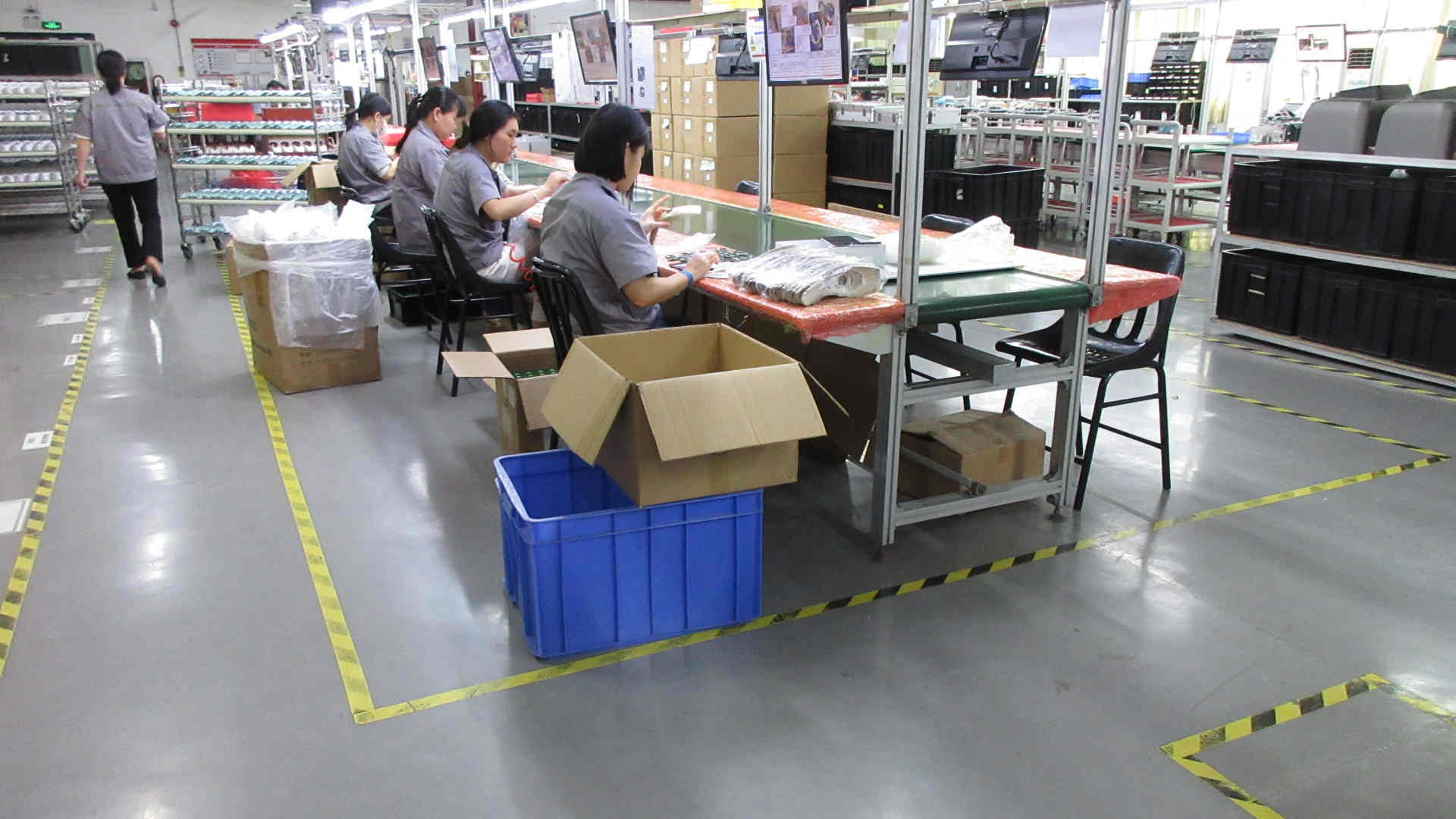

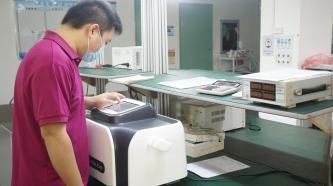
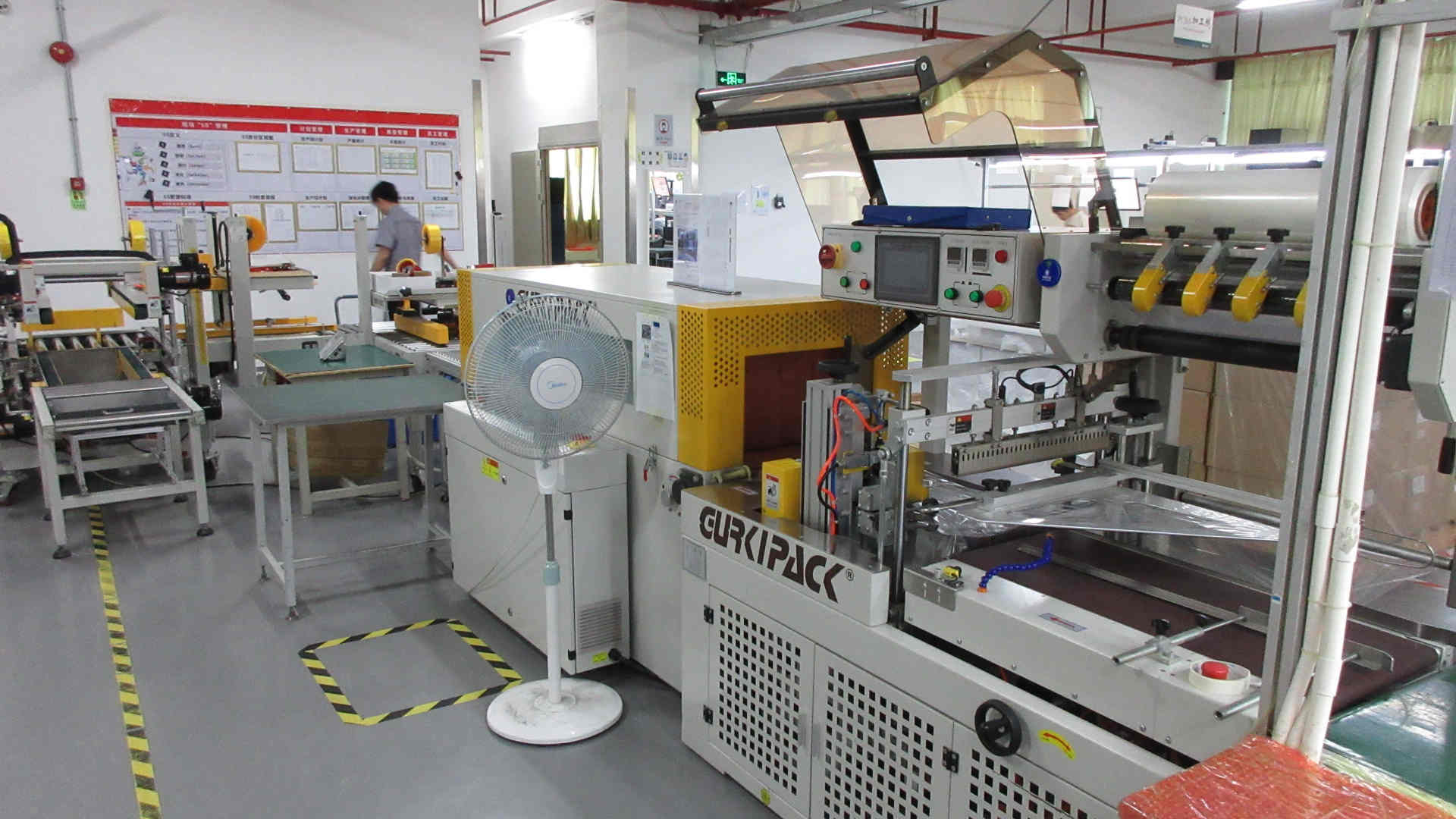
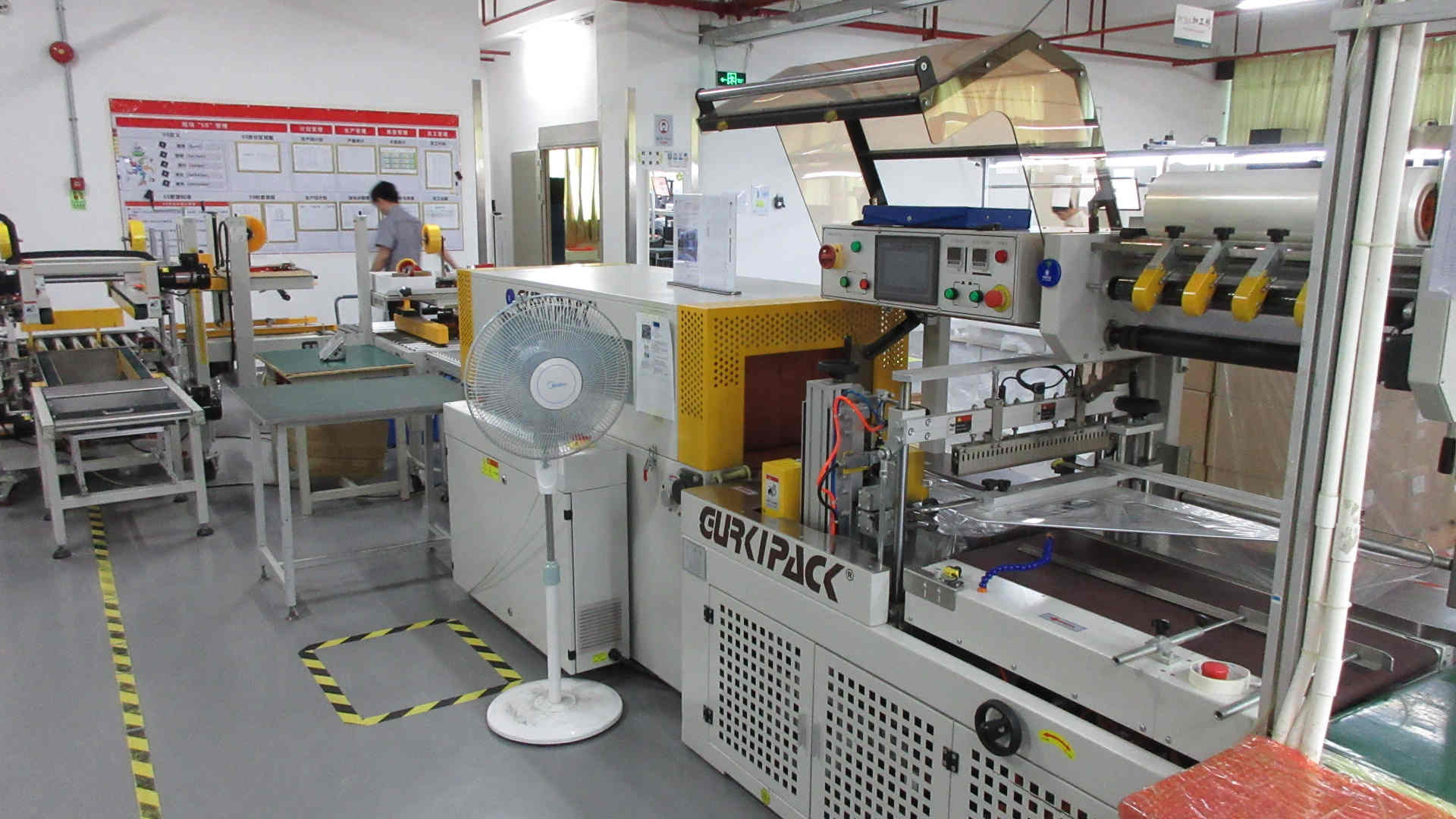
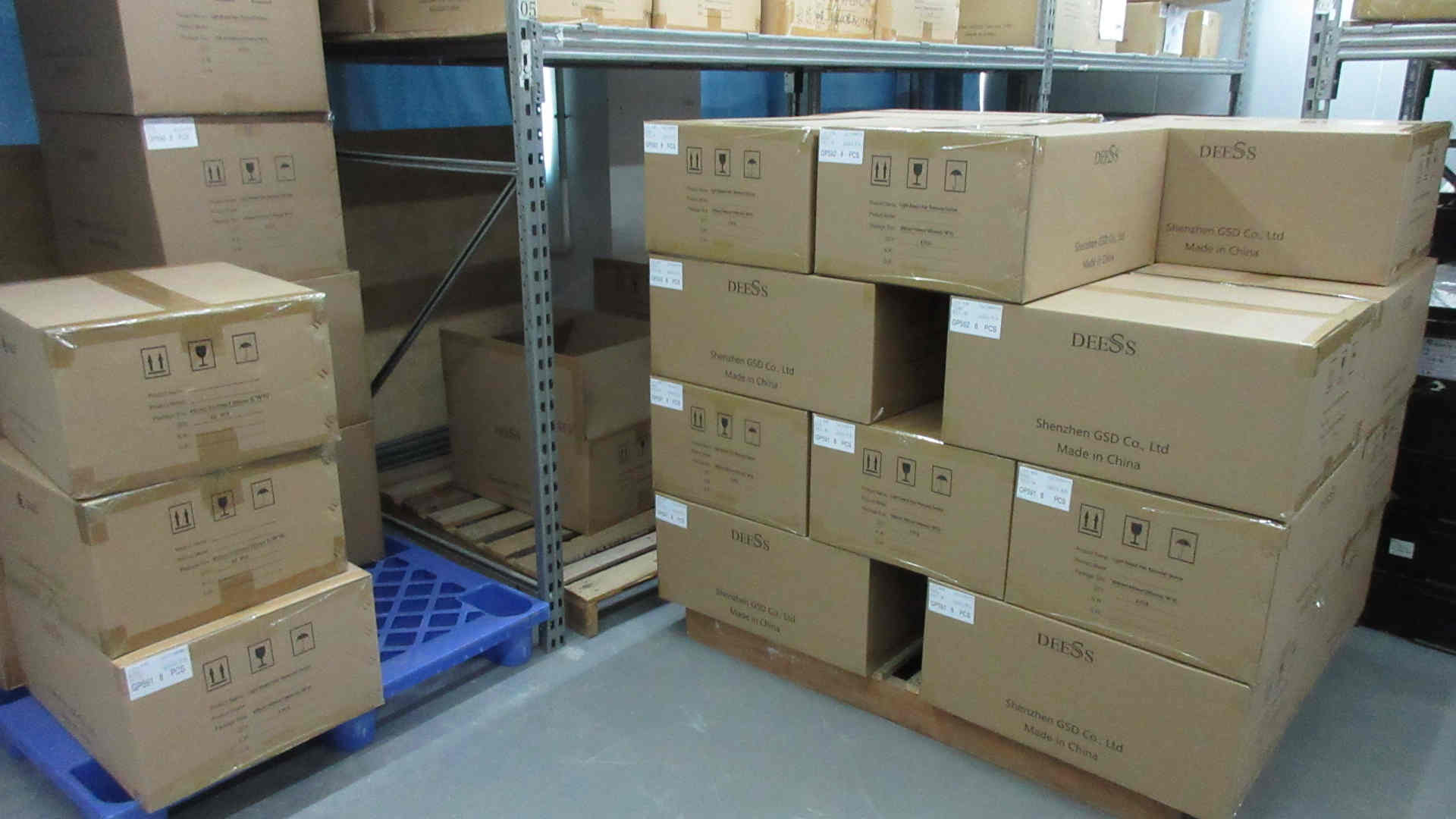
By maintaining this structured pipeline, Beijing V-Cest Beauty ensures that when a distributor in Russia opens a shipping container, every single cryolipolysis device functions out of the box with zero shipping damage, stable pressure systems, and exact thermal delivery curves.
Comprehensive selection of localized, high-stability cryo slimming equipment designed for Russian aesthetic businesses and international procurement hubs.
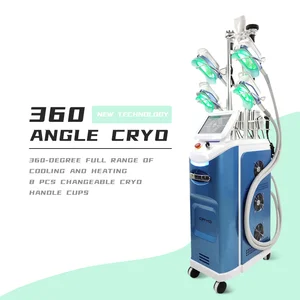
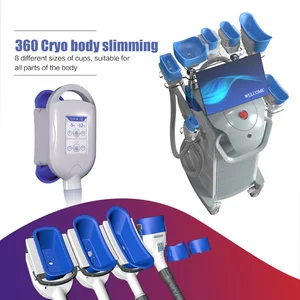
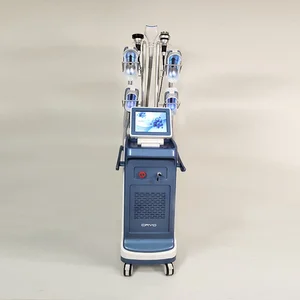
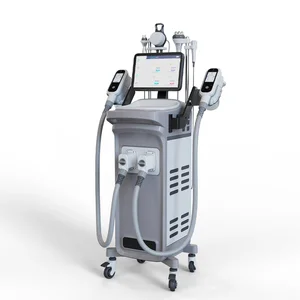
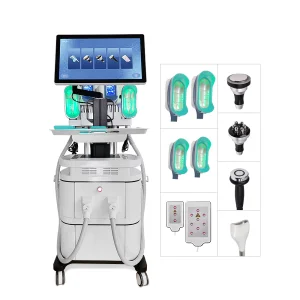
Designing and deploying cryolipolysis systems in the Moscow metropolitan area requires a deep understanding of local clinical and business practices. To optimize device operation and ensure safety, we recommend the following localized approaches:
Moscow’s commercial electrical grid operates at 220V/50Hz. While standard, minor voltage fluctuations in large commercial buildings or retrofitted historical spaces in central Moscow can impact high-power aesthetic machinery. Beijing V-Cest Beauty builds integrated auto-stabilizing power supplies and heavy-duty grounding lines into all exported machines. This protects the sensitive microprocessors, LCD screens, and Peltier elements from unexpected power surges.
Russian consumers show high interest in targeted treatments for localized fat, such as the lower abdomen, love handles, and the submental area (double chin). Standard square-molded applicators often fail to seal correctly on more slender frames or highly localized fat pads. Our machines come equipped with exchangeable 3D contouring cups. These soft, medical-grade silicone cups conform tightly to the natural curvature of the body, maintaining a strong, comfortable vacuum seal throughout the session.
Top clinics in Moscow often combine fat-freezing with metabolic treatments to speed up lymph drainage and the clearance of damaged fat cells. By bundling cryotherapy sessions with EMS microcurrents (to stimulate deep muscle contractions) or 40K Cavitation (to break up stubborn fibrous fat), clinics can deliver faster visible results, leading to higher patient satisfaction and word-of-mouth referrals.
For purchasing managers in Russia and international distributors, selecting a manufacturing partner involves evaluating key mechanical and commercial indicators:
Expert insights on importing, deploying, and operating professional cryo-slimming technology in Moscow and global markets.
 V-Cest Beauty