TGA-Aligned QC Pipeline
AS/NZS Compliant Engineering
Years Aesthetic R&D Expertise
Duty Surcharges on Direct Export
Advanced dual-modality engineering customized to meet the demanding requirements of Melbourne cosmetic medical centers.
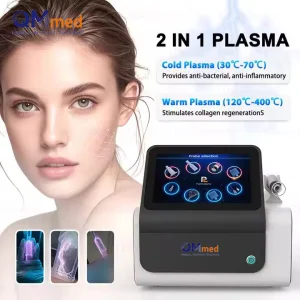
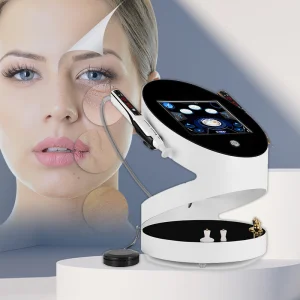
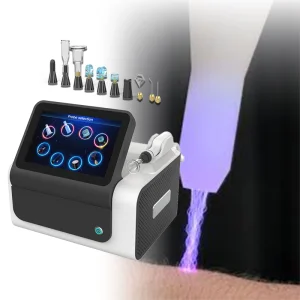
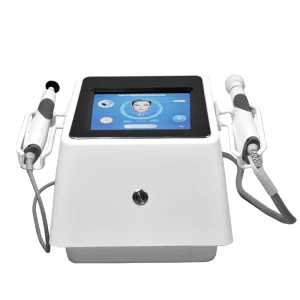
Melbourne is recognized globally as Australia's premier aesthetic and design hub. From high-end medical clinics on Collins Street and Toorak Road to boutique spas in Fitzroy, South Yarra, and Carlton, consumer demand for non-surgical anti-aging alternatives has surged by over 40% year-on-year. Consumers are increasingly avoiding surgical facelifts, seeking low-downtime, high-precision therapies instead.
Among these alternatives, **Plasma Skin Tightening (Fibroblast Sublimation and Cold Atmospheric Plasma)** has emerged as a major driver of clinic revenue. However, Melbourne practitioners face unique commercial challenges: high local labor costs, strict regulatory oversight by the Australian Department of Health (including TGA boundaries), and the critical need to distinguish their services from lower-tier home salons.
By partnering directly with a technologically advanced manufacturer rather than a local reseller, Melbourne clinic franchises and distribution networks can bypass high local distributor markups. This ensures direct access to customized 240V configurations, tailored software user interfaces, and technical support that satisfies Australian regulatory frameworks.
Request B2B Catalog & PricingTo compete in the local Victorian market, clinical devices must deliver exceptional outcomes while meeting modern business requirements:
A deeper look at the biophysics behind skin sublimation, cold ionized gas, and modern micro-needling integration.
Thermal plasma technology utilizes high-frequency high-voltage discharge to ionize nitrogen molecules in the air, creating a micro-millimeter arc. This arc causes instant sublimation of the epidermis (turning solid tissue to gas) without transferring excess heat to the surrounding dermal structures.
Primary Applications: Blepharoplasty (eyelid lifting), wrinkle reduction, deep scar revision, and targeted tissue ablation.
Operating at a comfortable 35°C to 40°C, cold plasma is generated by ionizing gas (argon, helium, or ambient air) using a dielectric barrier discharge (DBD) mechanism. This process releases a rich mix of reactive oxygen species (ROS) and reactive nitrogen species (RNS).
Primary Applications: Transdermal drug delivery, anti-bacterial sterilization (acne management), accelerated wound healing, and gentle skin rejuvenation.
Utilizing noble gases like helium or argon allows for the creation of more stable, focused plasma jets at lower voltage inputs. This technology minimizes epidermal resistance, delivering deep energy penetration with minimal thermal damage.
Primary Applications: Premium, high-volume aesthetic systems that require consistent, repeatable energy outputs without thermal spikes.
| Feature / Parameter | Cold Atmospheric Plasma (CAP) | Thermal Fibroblast Plasma | Hybrid Fractional Plasma (with RF/EMS) |
|---|---|---|---|
| Discharge Temperature | Non-thermal (ambient 35°C–40°C) | Localized thermal sublimation (>80°C) | Modulated dynamic heating (45°C–60°C) |
| Target Action | Cell membrane electroporation & sterilization | Epidermal sublimation & dermal contraction | Deep dermal heating & structural tissue tightening |
| Downtime | Zero downtime | 5–8 days (micro-crusts formation) | 1–3 days (mild erythema) |
| Best Suited For | Active acne, product infusion, eczema | Hooded eyelids, deep wrinkles, skin tags | General skin laxity, texture improvement |
| Carrier Gas | Helium, Argon, or Ambient Air | Ambient air (Nitrogen concentration) | Dielectric discharge / RF combined field |
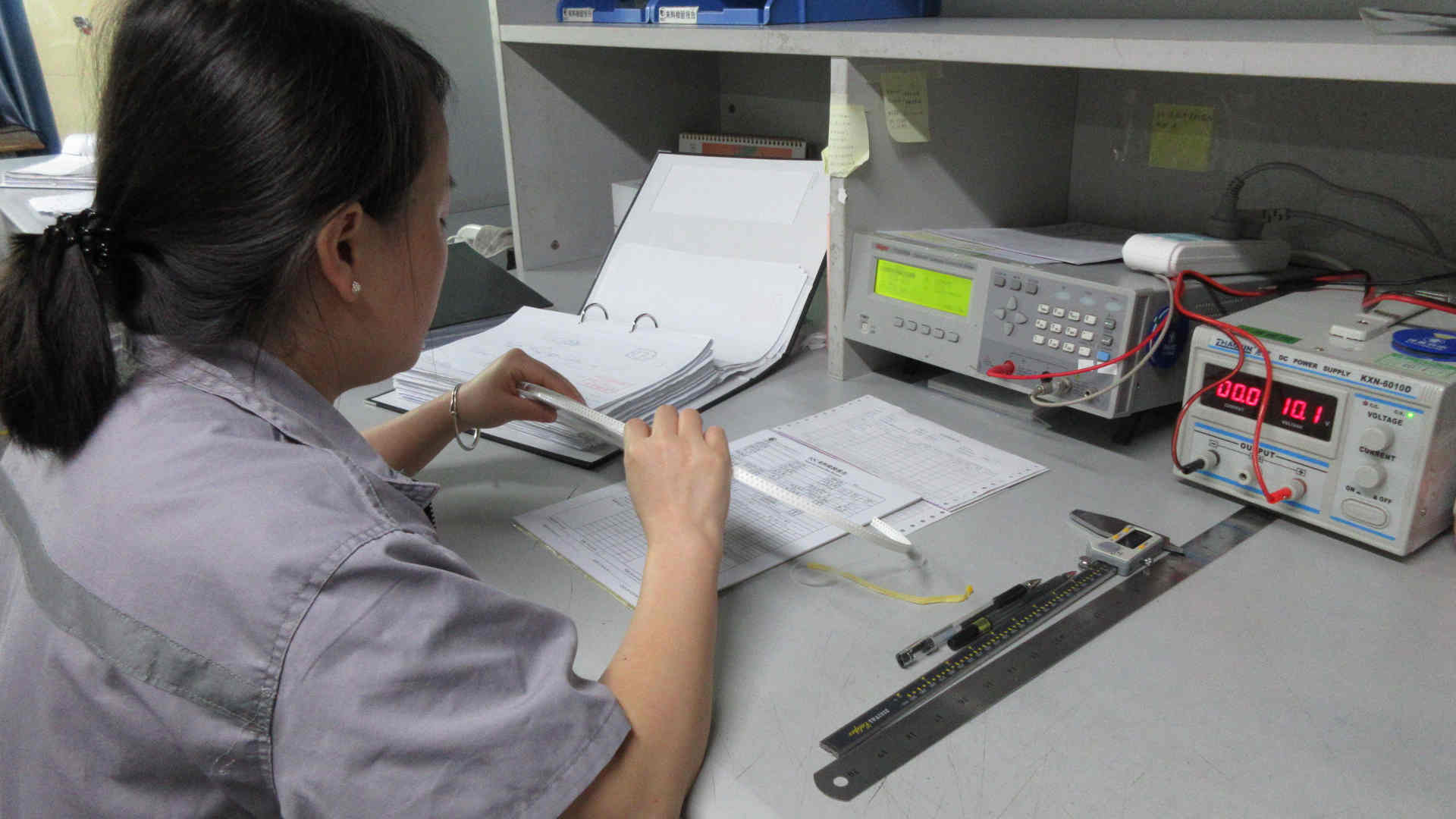
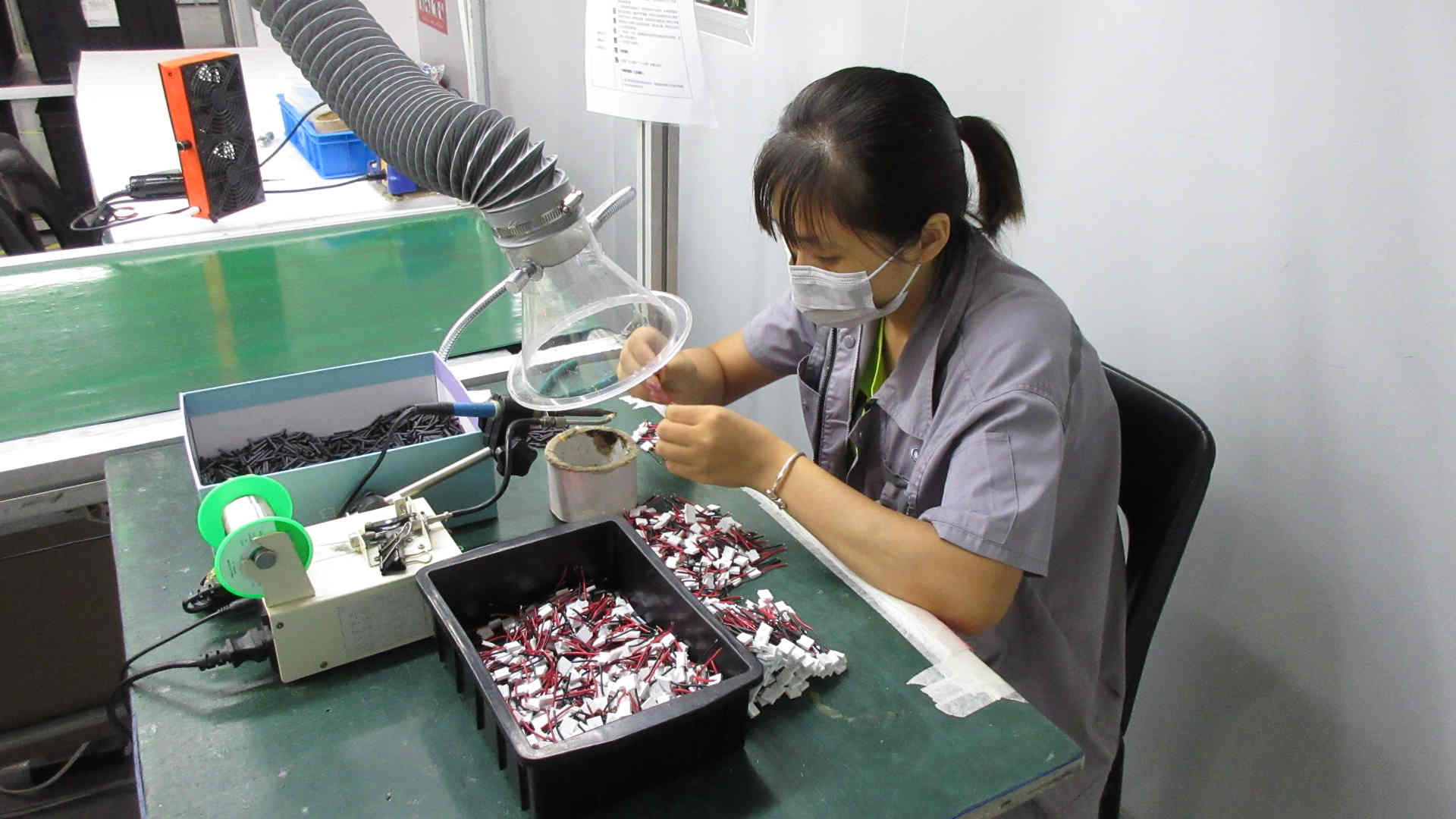
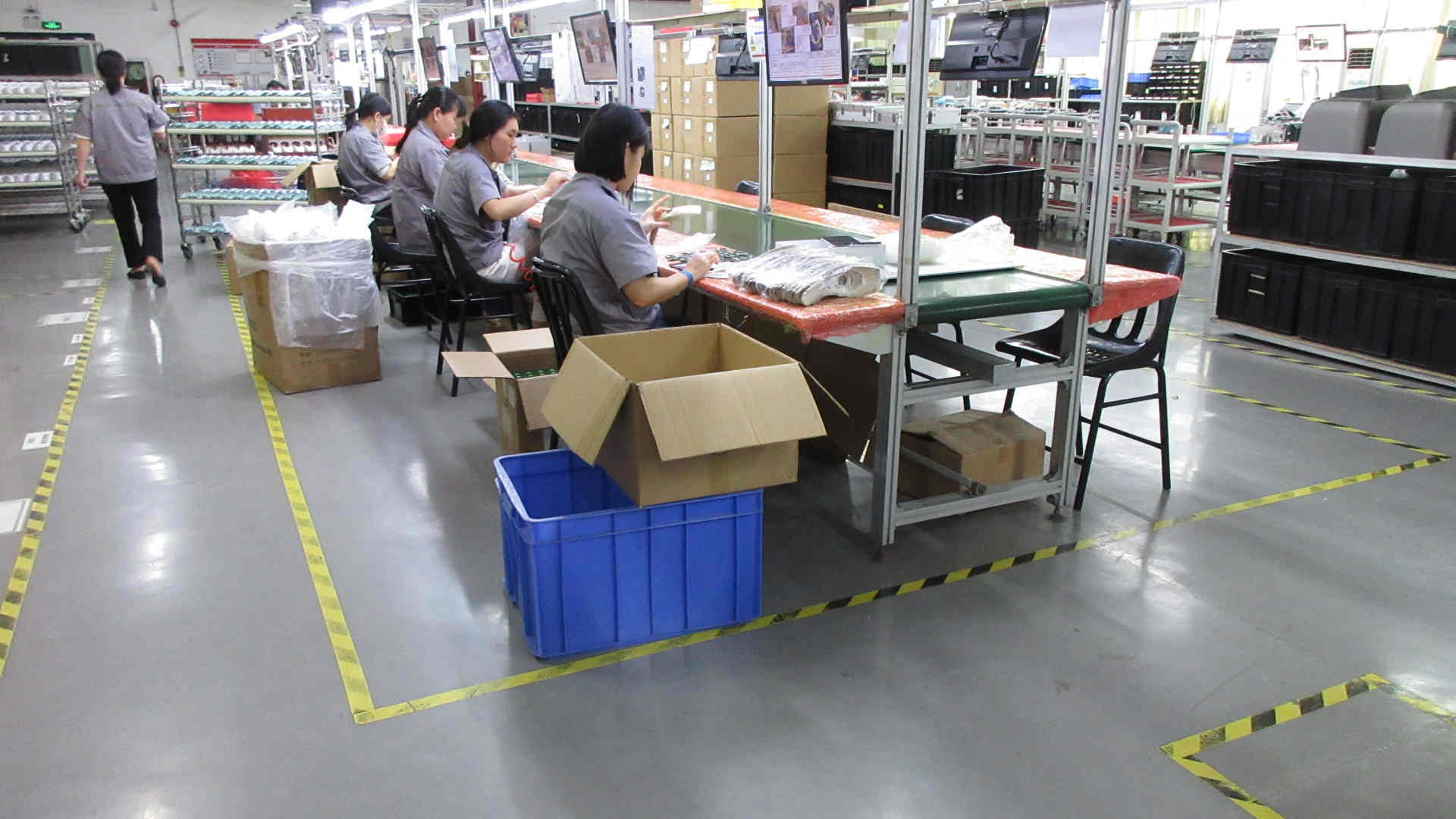
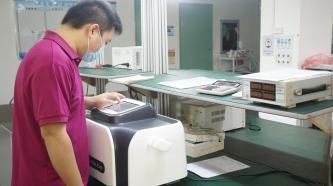
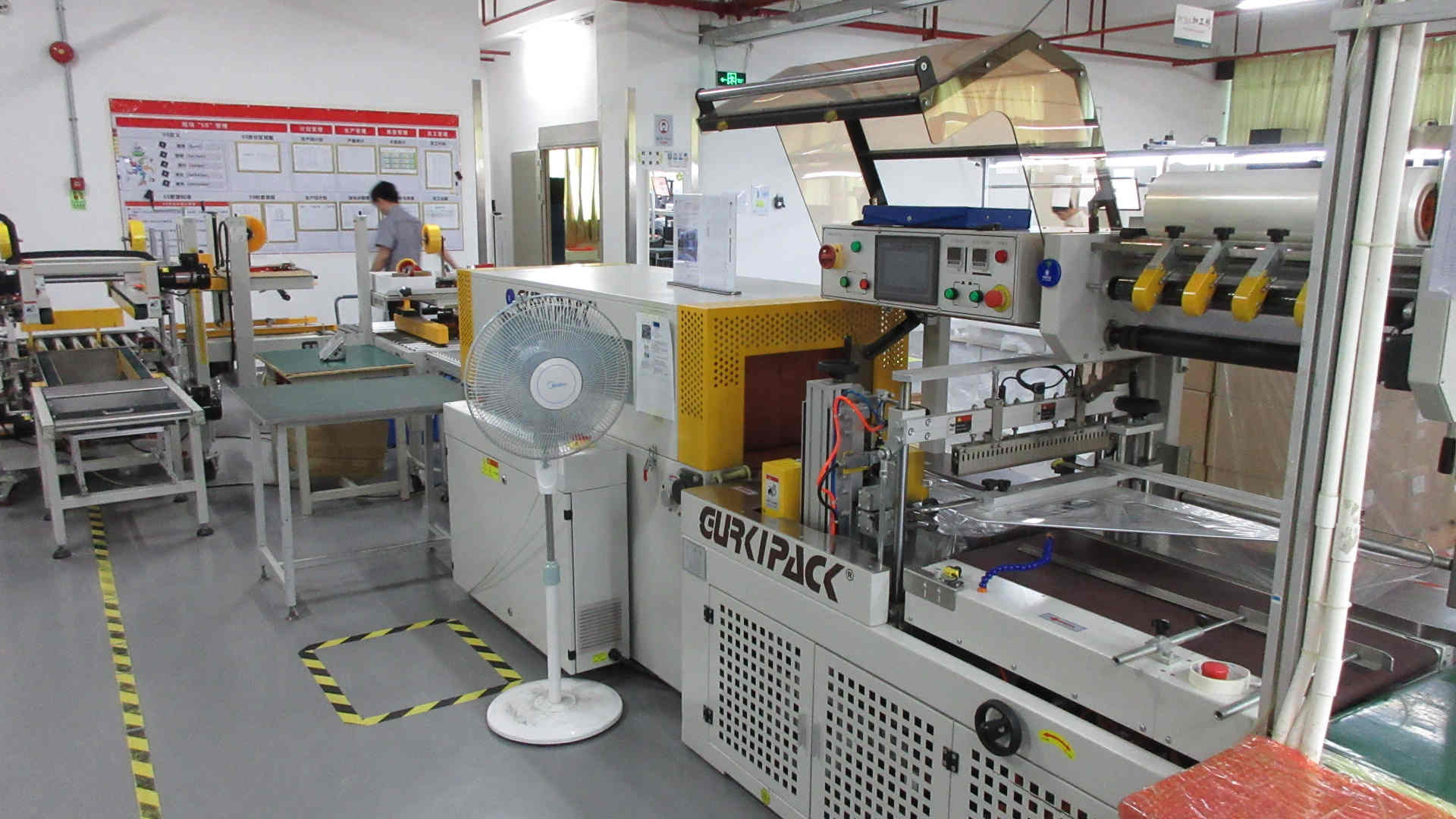
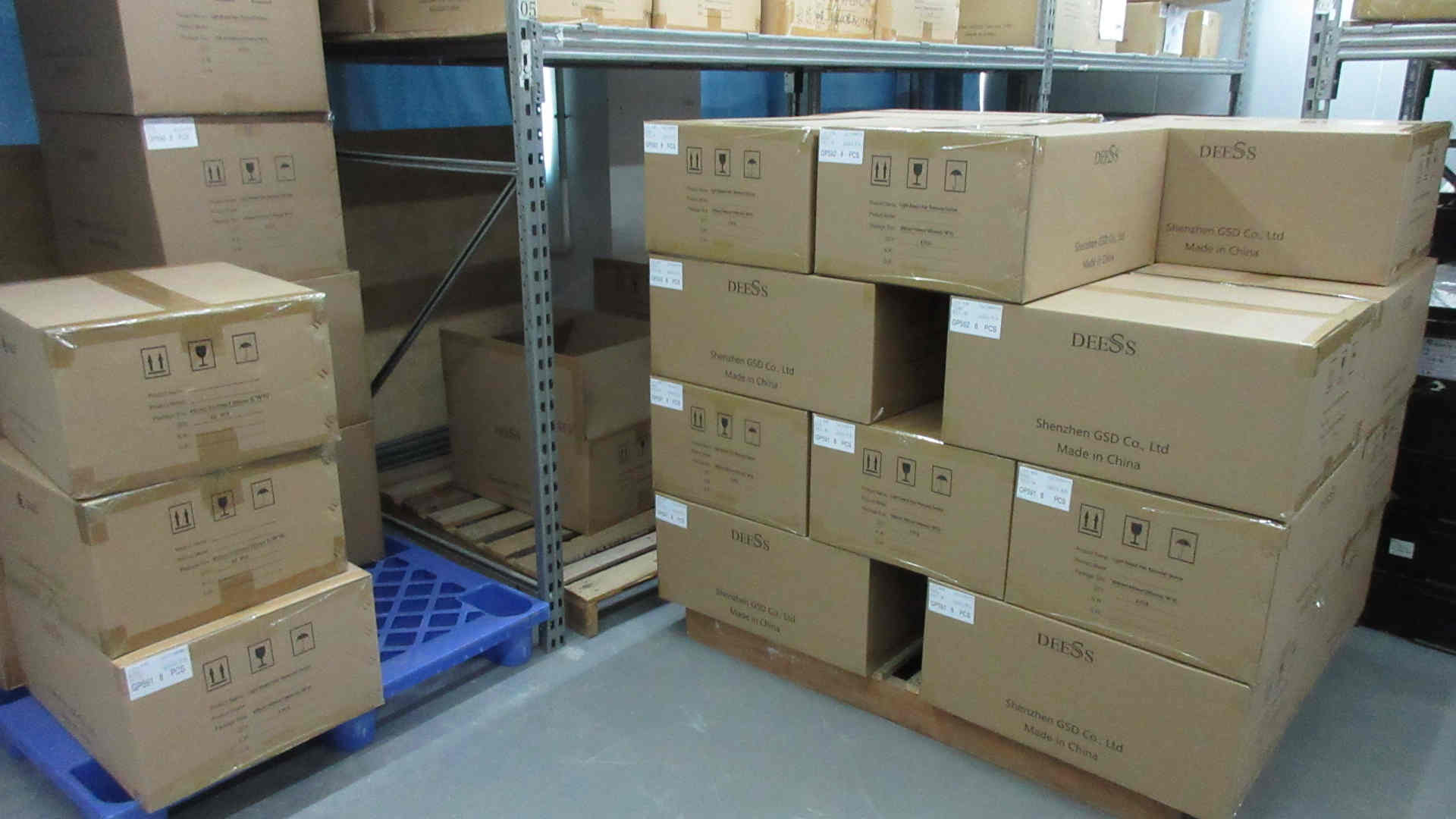
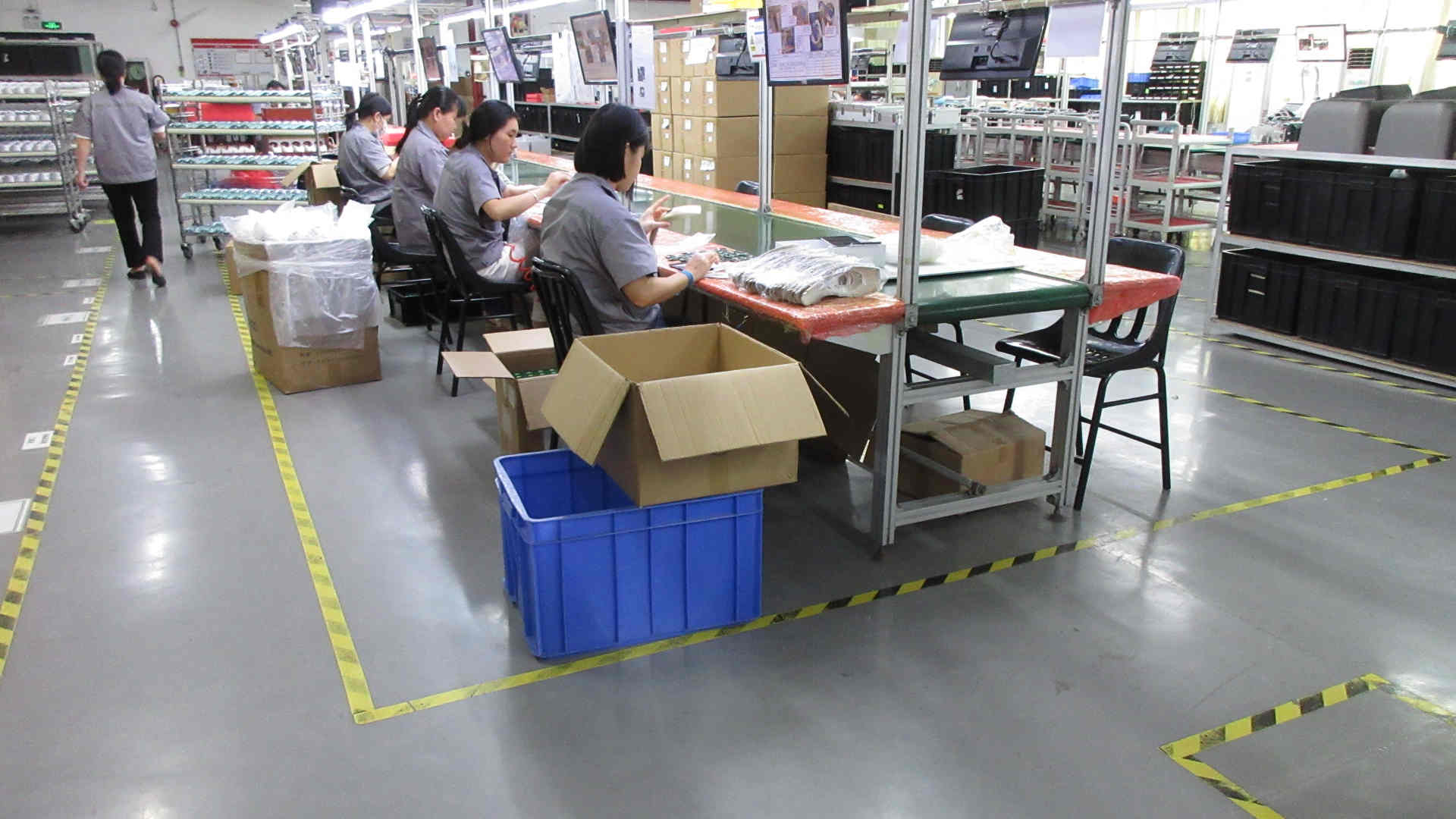
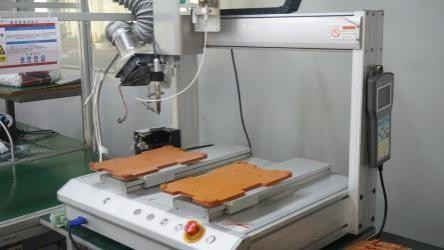
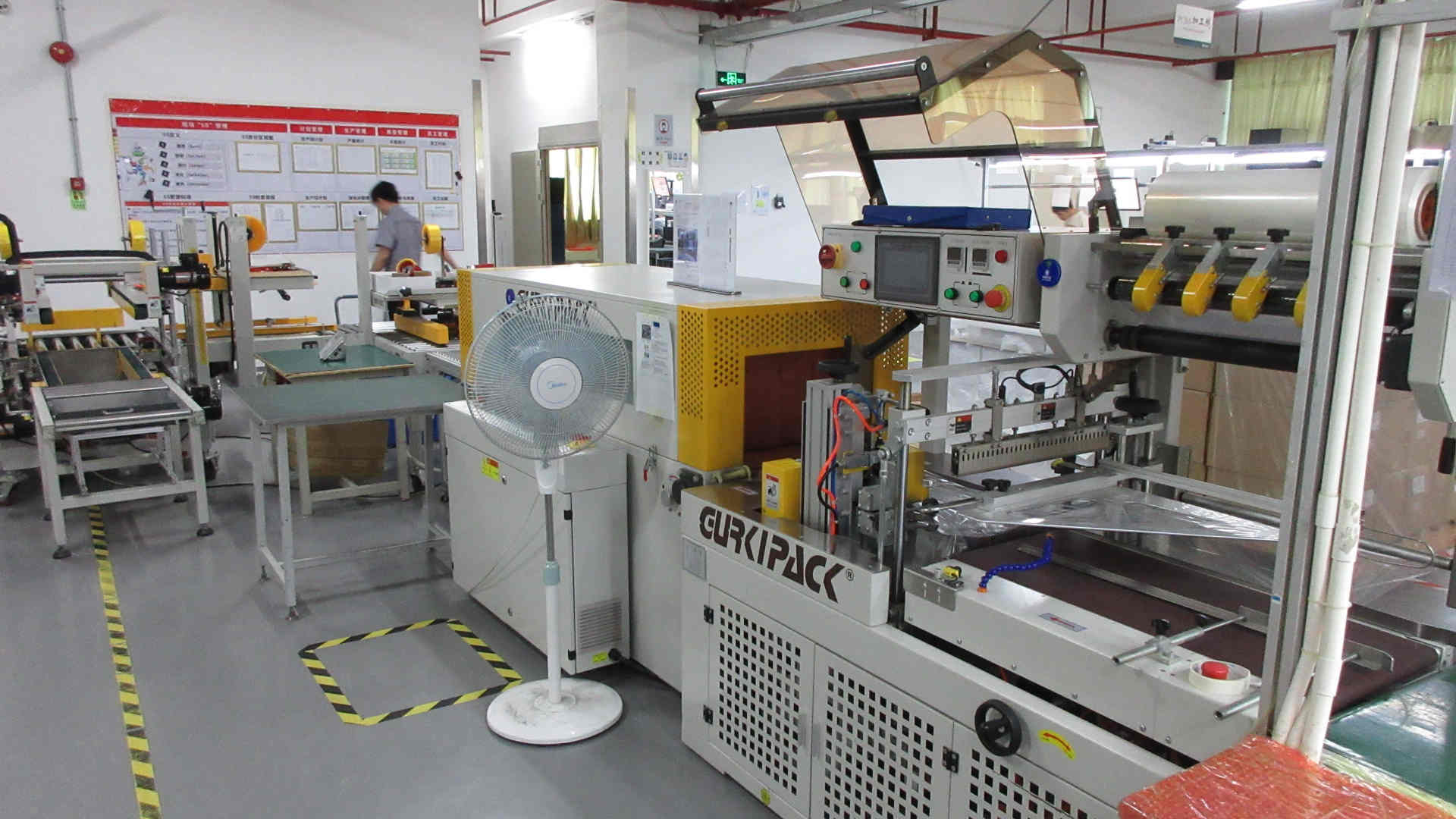
A transparent look at our factory floor, where advanced quality assurance pathways ensure medical-grade reliability for Melbourne imports.
Beijing V-Cest Beauty Co., Ltd. is an international enterprise specializing in the R&D and global export of high-end aesthetic and beauty equipment. The company is committed to bringing China’s advanced beauty technology and intelligent manufacturing capabilities to the global market. Its core business focuses on professional beauty devices, covering a wide range of applications including hair removal, anti-aging, skin whitening, skin tightening, deep cleansing, and comprehensive skincare management, providing one-stop equipment solutions for beauty clinics, distributors, and brand partners worldwide.
With a well-established vertically integrated supply chain and extensive industry expertise, Beijing V-Cest Beauty has built a strong competitive advantage in product development, quality control, and global service capabilities. The company continuously integrates a diverse portfolio of premium beauty devices while driving ongoing innovation and technological upgrades to ensure high standards of safety, stability, and performance that meet international market requirements.
In terms of global expansion, V-Cest Beauty’s business network spans across emerging and mature markets, including Russia, Eastern Europe, Central Asia, the Middle East, South America, and Southeast Asia. Through flexible OEM/ODM customization services, co-branding development, and professional technical support, the company helps partners build localized brand competitiveness and achieve sustainable growth in their respective markets.
In addition, the company places strong emphasis on R&D investment and innovation partnerships, actively exploring advanced technologies such as radio frequency (RF), laser, ultrasound, and high-intensity focused energy systems for both clinical and consumer-grade aesthetic devices. It is also continuously expanding its product portfolio and application scenarios while strengthening its digital operations and after-sales service systems to enhance global customer experience and long-term value.
Looking ahead, Beijing V-Cest Beauty Co., Ltd. will continue to deepen its global strategic footprint, strengthen technological innovation and international collaboration, and further enhance the global influence of “Made in China” within the beauty and wellness industry, becoming a key bridge connecting China’s high-end beauty technology with the international market.
Ongoing innovation in RF, laser, and cold plasma platforms.
Exporting to mature and emerging cosmetic medical markets worldwide.
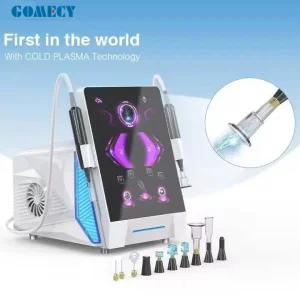
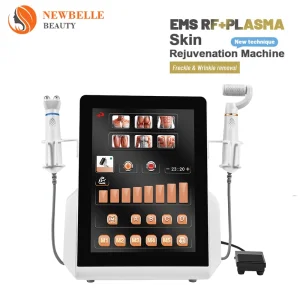
Our flagship aesthetic systems, optimized for professional use in clinics and medical spas across Australia.
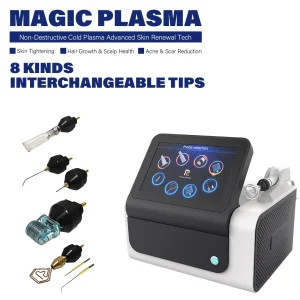
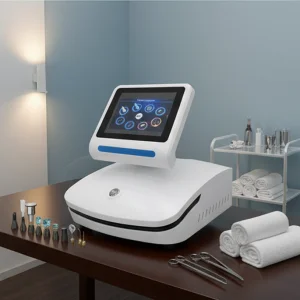
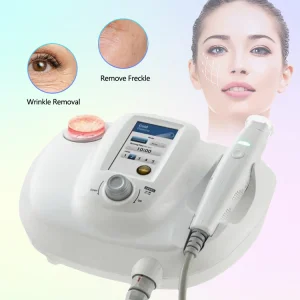
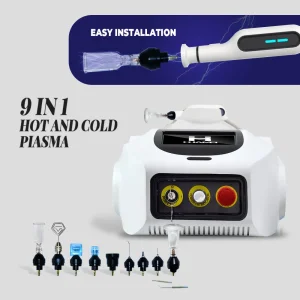
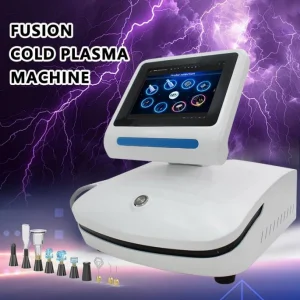
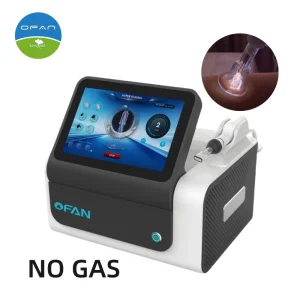
Importing energy-based aesthetic devices into Melbourne requires compliance with Australian safety standards.
To simplify the procurement process, we coordinate door-to-door (DDP) or port-to-port (FOB/CIF) logistics from our production facility to your business in Victoria. Our export team handles customs paperwork, export declarations, and protective packaging to prevent damage during transit.
All outbound shipments to Australia are packed in drop-tested, high-density foam flight cases, protecting sensitive calibration settings and optical electrodes during sea or air transit.
Discuss Logistics & Compliance SupportHigh-capacity systems combining plasma energy with hydro-dermabrasion and scalp therapy tools to maximize clinic productivity.
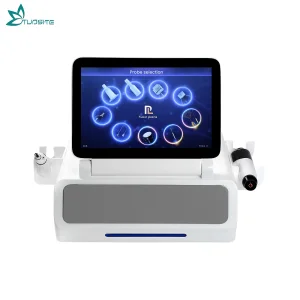
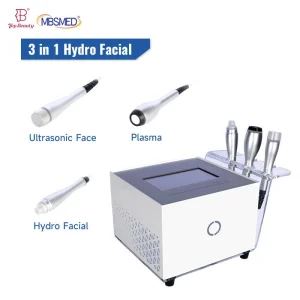
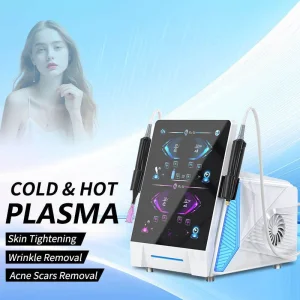
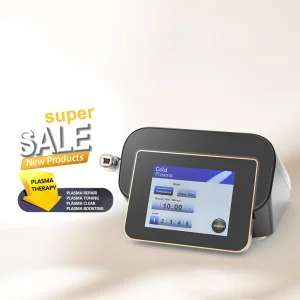
Expert answers addressing the technical, regulatory, and logistics questions asked by Australian clinic buyers.
Hot plasma uses high-voltage arcs to heat the skin's surface, triggering immediate collagen contraction and tissue remodeling. This approach is highly effective for localized tightening, such as eyelid lifts, but carries a recovery time of 5-8 days. Cold Atmospheric Plasma (CAP) operates at ambient temperature, producing reactive oxygen and nitrogen species that sterilize the skin, reduce inflammation, and enhance product absorption with zero downtime.
Yes. All plasma machines shipped to Australia are configured for 240V/50Hz electrical grids and fitted with AU-standard three-pin plugs. Internally, the power modules are designed to comply with AS/NZS 60335 electrical safety rules, protecting clinics from power surges and electrical faults.
We offer comprehensive OEM/ODM customization options. We can integrate your logo onto the chassis, customize case colors to match your brand, and update the software GUI in English. For larger wholesale orders, we can also customize probe shapes or integrate multiple technologies into a single console (e.g., adding RF or EMS functions).
We follow a structured quality assurance workflow. Components undergo Incoming Quality Control (IQC), automated CNC welding, and precise assembly. Every device then goes through a continuous 48-hour electrical aging test before moving to Final Quality Control (FQC), where output power and calibration are verified.
For standard configurations, production and testing take 7-10 working days. Air freight delivery via DHL, FedEx, or specialized air cargo takes an additional 5-7 working days. Bulk ocean freight shipments to the Port of Melbourne take approximately 18-25 days.
Yes. We manufacture and supply all matching consumables, including sterile single-use fractionated tips, micro-needling cartridges, and replacement copper/tungsten plasma needles. These can be bundled with your machinery orders to lower import and freight costs.
We offer a comprehensive 1-to-2 year warranty on our main consoles. If a component fails, our engineers provide video diagnosis within 24 hours. Replacement parts are shipped using express delivery at no cost. We also provide online technical training and video guides to support your clinic's staff.
Cold atmospheric plasma is safe for Fitzpatrick skin types I through VI because it does not cause thermal damage. For thermal fibroblast treatments, practitioners should adjust energy settings and evaluate the patient's skin type carefully, as higher energy levels carry a risk of hyperpigmentation in darker skin tones.
The aesthetic device industry is evolving rapidly, driven by advancements in smart energy output and multi-source technology integration. Our R&D pipeline is focused on integrating real-time skin resistance sensors and auto-modulating voltage loops. This allows systems to adjust plasma discharge dynamically based on skin hydration levels, improving safety.
We are also focusing on hybrid energy platforms, combining cold atmospheric plasma, radiofrequency (RF), and targeted ultrasound into single treatment heads. This gives clinics the ability to treat multiple skin layers in one session, improving clinical outcomes and patient satisfaction.
Learn About Our 2026 ModelsGet direct factory pricing, customized hardware configurations, and reliable global shipping to Melbourne cosmetic clinics and aesthetic distributors.
 V-Cest Beauty