Engineered for extreme performance, these top-tier systems represent the gold standard in dermal pigmentation clearance and tattoo removal across the Russian Federation.
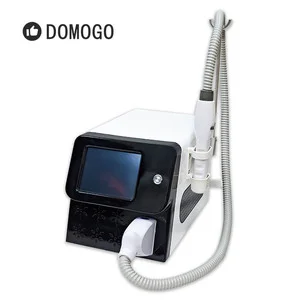
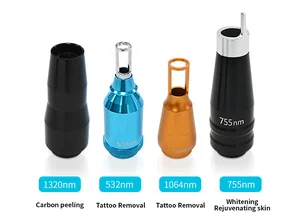
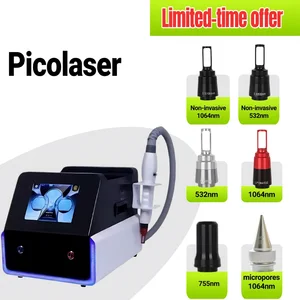
We customize spot sizes, handpieces, and housing configurations tailored for EAEU technical standards.
The demand for precision electro-optical systems in Russia has witnessed a significant structural evolution. Historically reliant on European and North American medical equipment suppliers, Russian medical spas, cosmetic clinics, and private medical groups are increasingly looking to advanced Chinese manufacturers. This shift is driven by both geopolitically influenced supply realignment and the rapid technological progress of premium Chinese factories.
In modern Russia—ranging from high-end clinics in Moscow and St. Petersburg to rapidly growing regions like Novosibirsk, Yekaterinburg, and Kazan—cosmetic treatments using Q-switched Nd YAG lasers have transitioned from niche dermatological procedures to foundational daily clinic offerings. The popularity of permanent makeup removal (eyebrow washing), multi-wavelength tattoo elimination, and the famous carbon peel ("Black Doll") treatment has sustained high demand for stable, high-output energy systems.
As a leading supplier, Beijing V-Cest Beauty Co., Ltd. bridges this gap by offering medical-grade Q-switched Nd YAG laser machines that deliver industrial-grade stability, meeting the strict technical, clinical, and aesthetic demands of Russian dermatologists and distributors.
Worldwide, Q-switched Nd YAG (Neodymium-doped Yttrium Aluminum Garnet) lasers are regarded as the gold standard for pigmented lesion removal. By utilizing extremely short pulse widths (nanosecond and picosecond domains), these lasers generate intense peak power. The photoacoustic shockwaves target endogenous melanin or exogenous tattoo pigments, shattering them into micro-particles without causing thermal damage to the surrounding healthy dermal tissue.
Globally, the market is moving toward systems featuring high-power single-pulse energy, dual-stage amplification, and integrated smart skin analysis systems. Manufacturers must implement strict quality control systems. At our production centers, we focus on minimizing beam energy decay, optimizing crystal rod lifetimes, and ensuring continuous duty cycles. We implement thorough multi-stage testing to ensure every system exported to Russia can withstand intensive operating schedules in high-volume commercial centers.
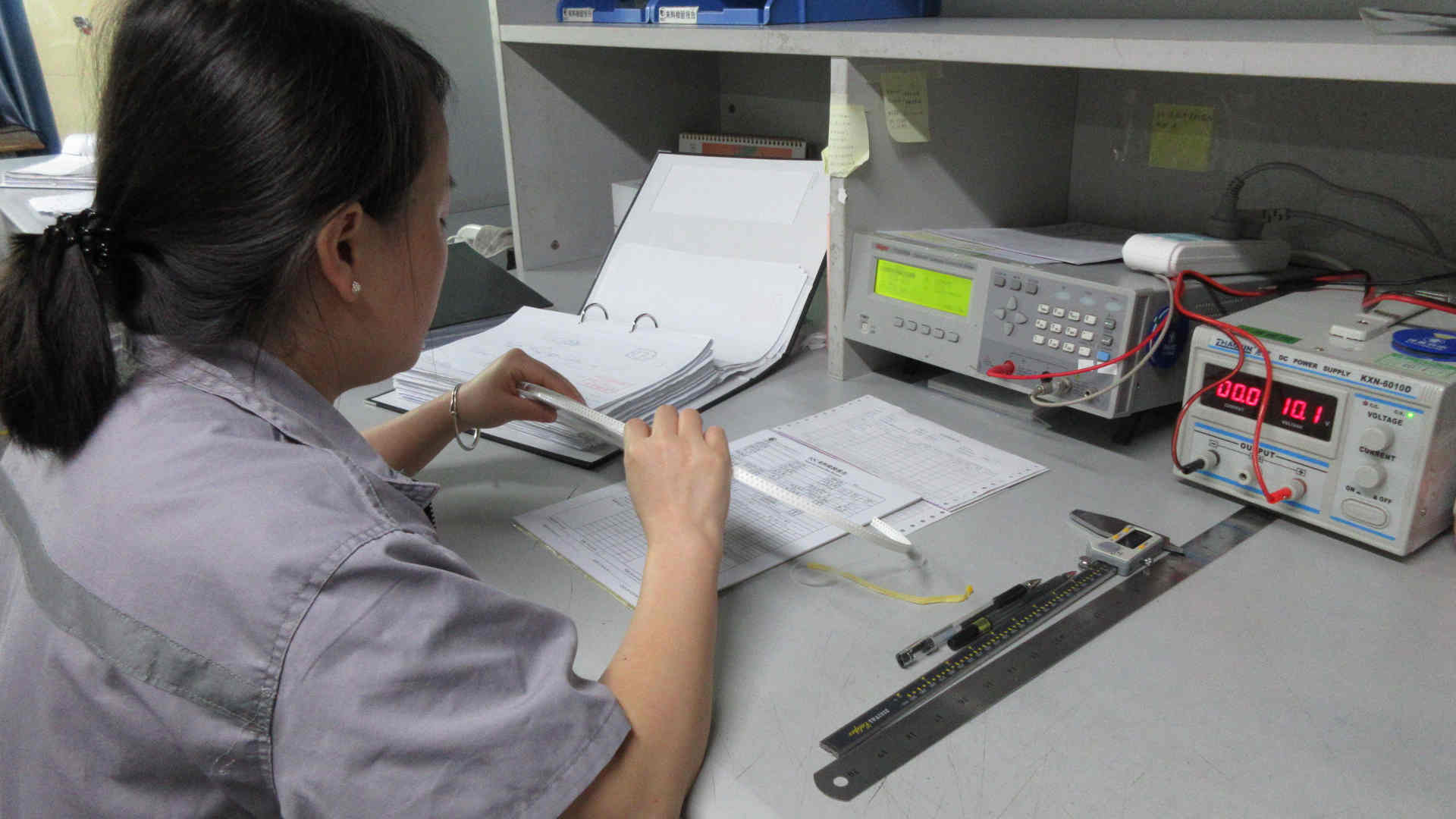
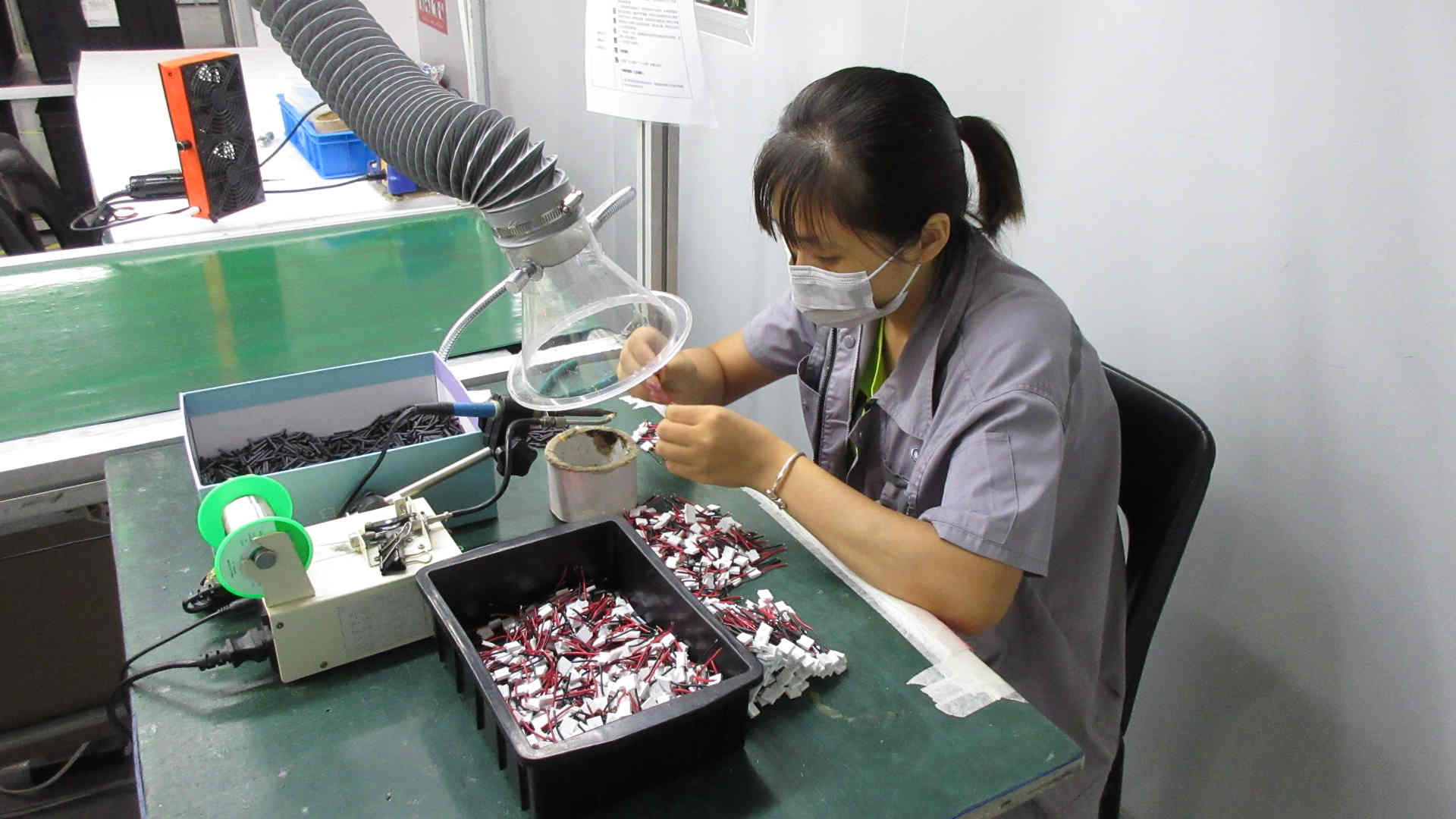
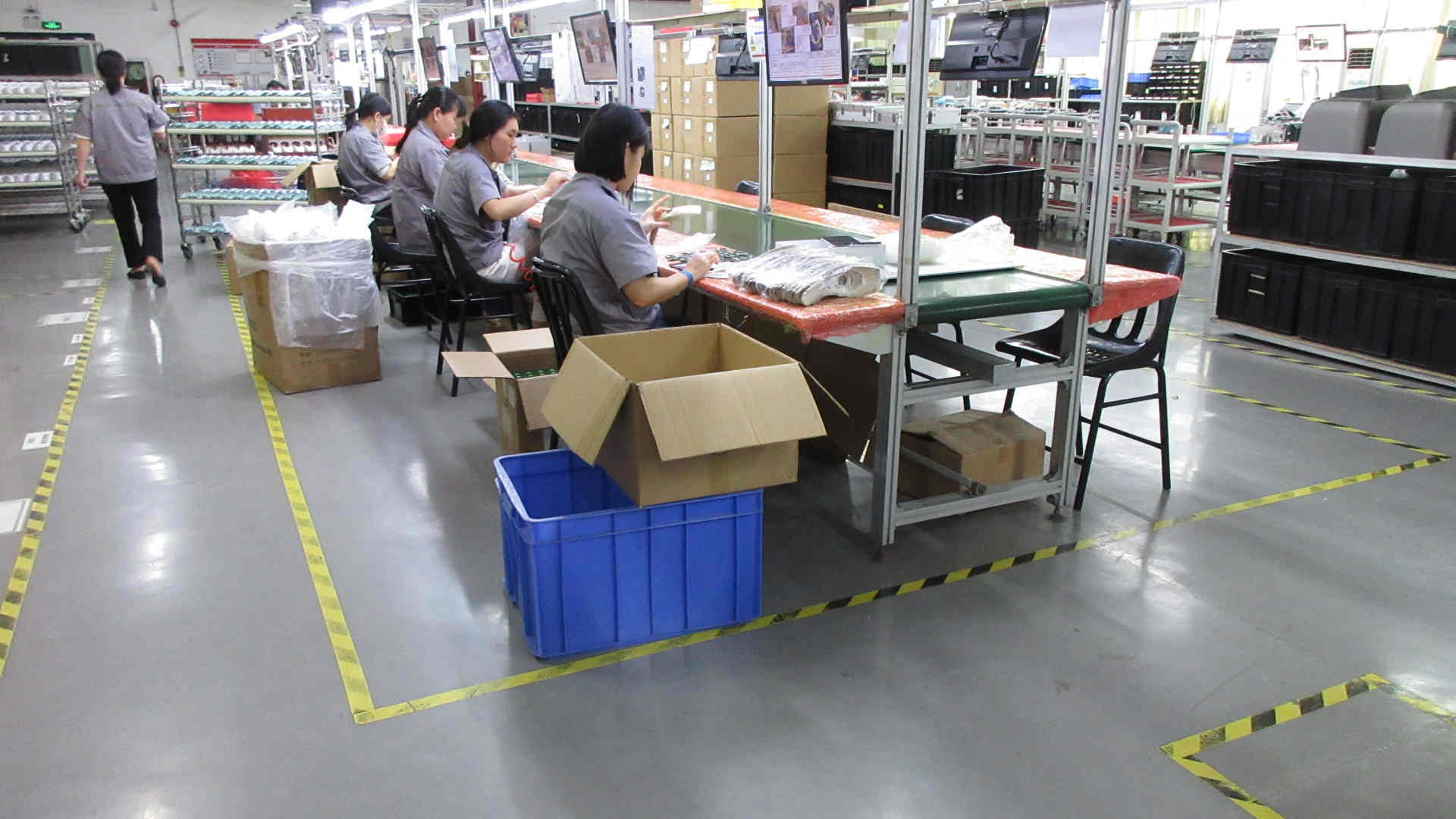
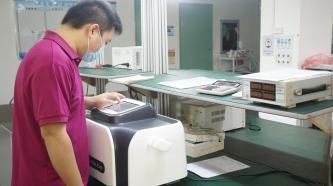
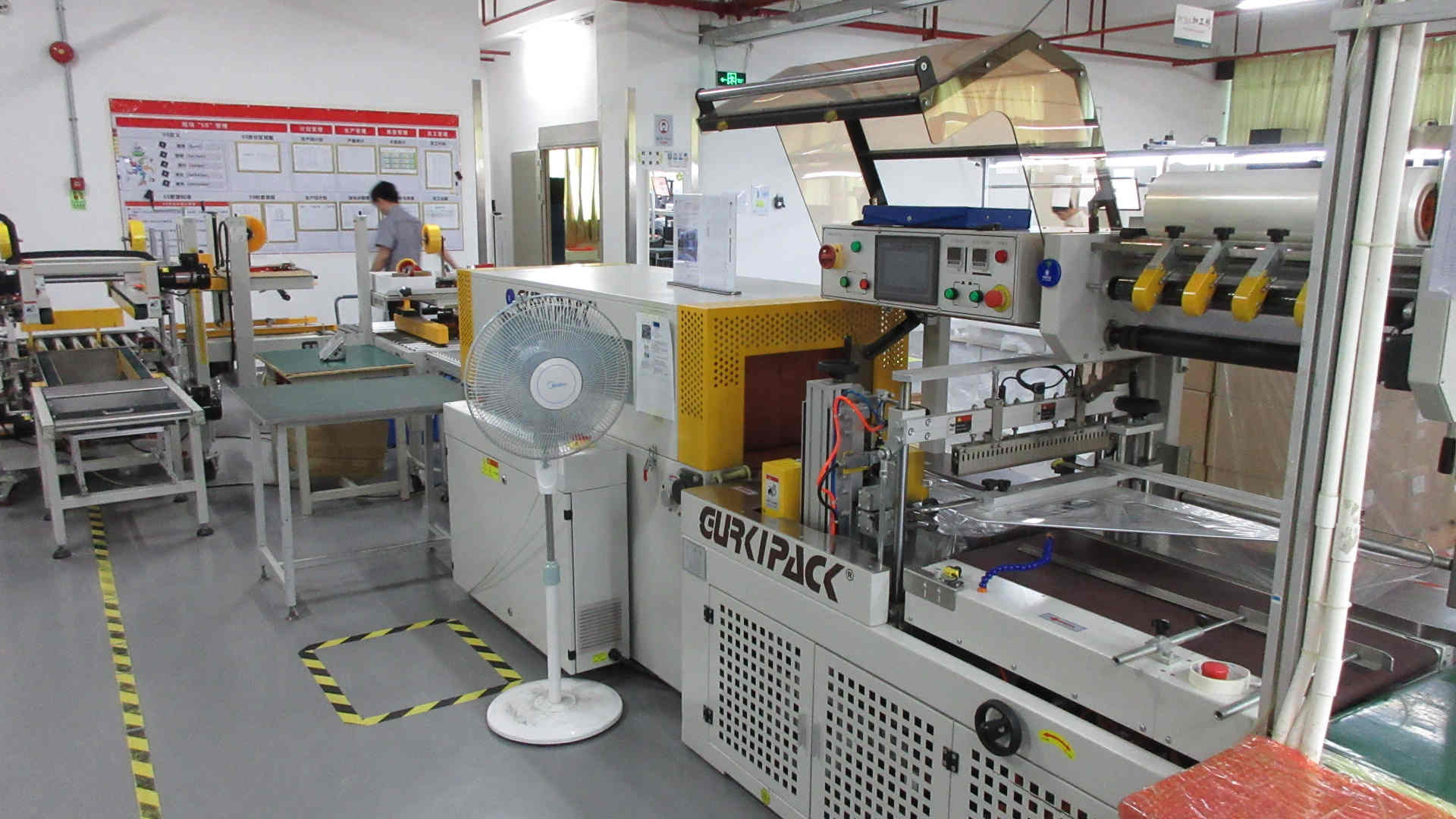
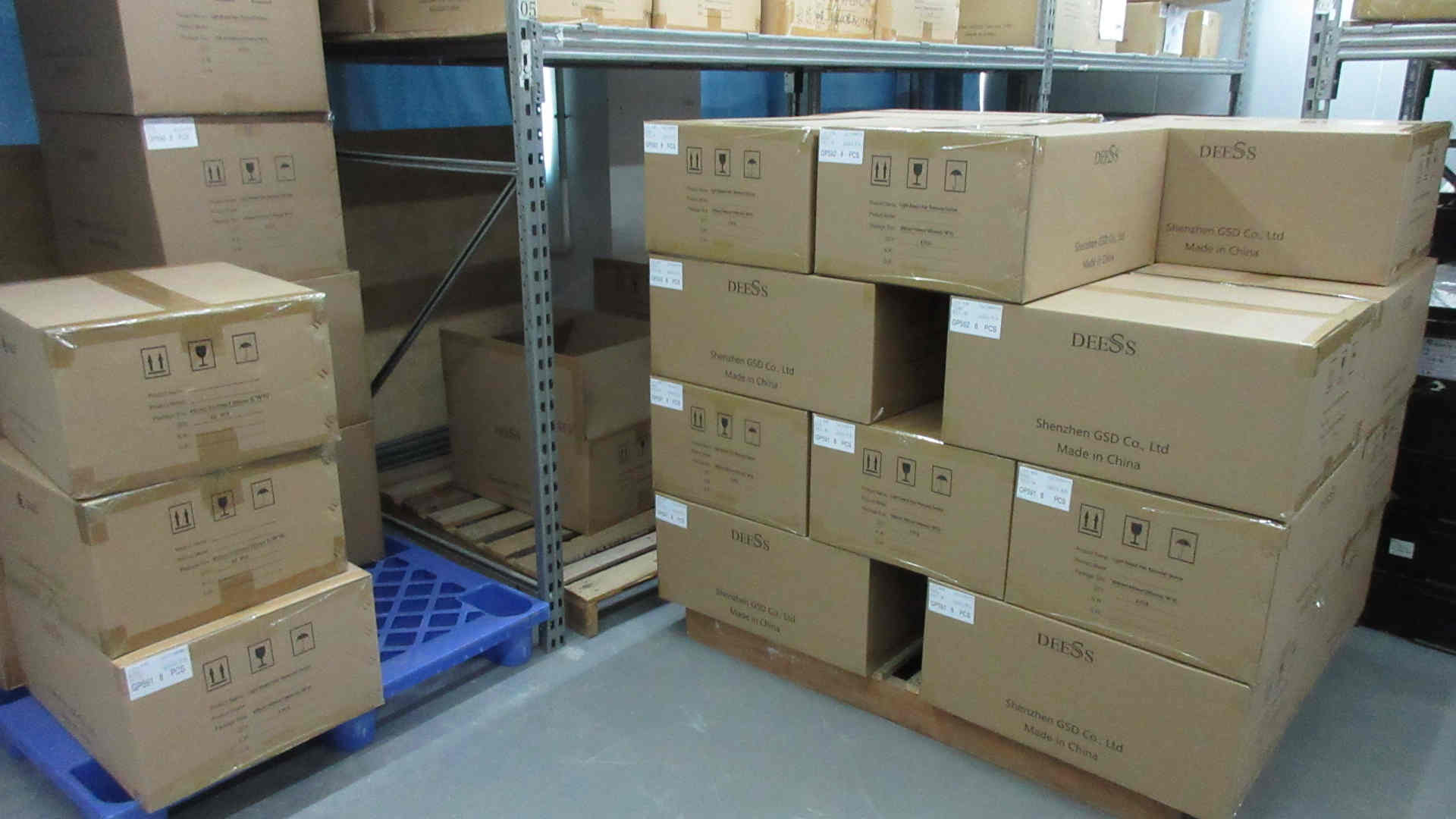
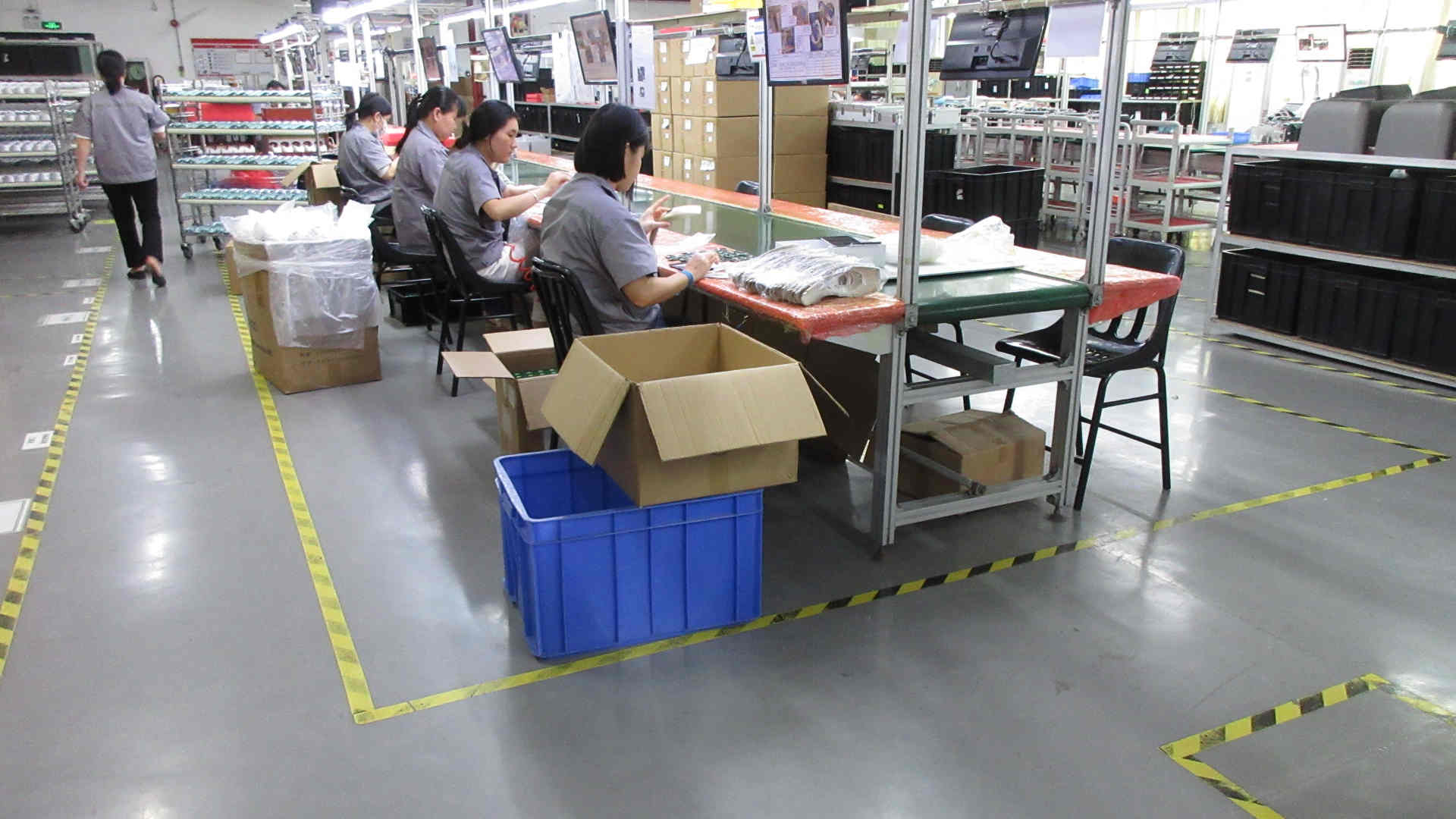
Go inside Beijing V-Cest Beauty’s advanced manufacturing plant to see how strict quality control safeguards your clinical outcomes.
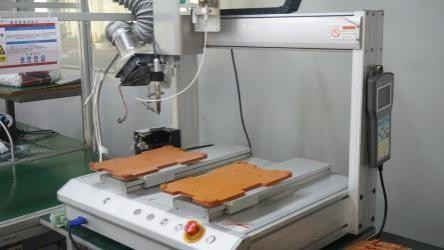
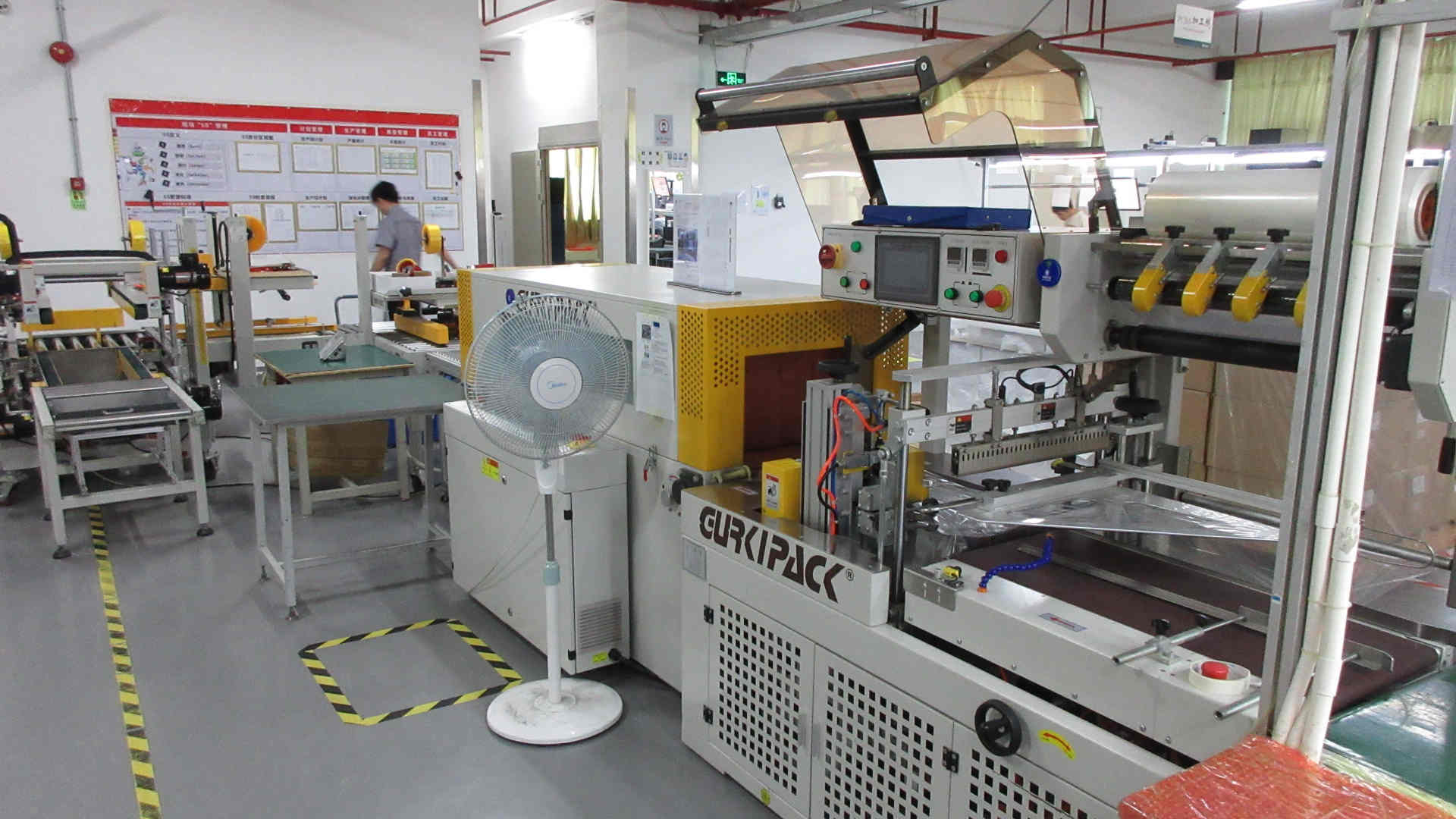
From Incoming Quality Control (IQC) of key German laser rods and UK-imported xenon lamps to final automated packaging, every production phase is meticulously tracked. The processes illustrated below show our daily operations, ensuring that the devices delivered to Russia meet the rigorous performance demands of medical establishments.
These selected models deliver cost-effective performance, perfect for expanding clinics in regions like Sochi, Kazan, and Vladivostok.
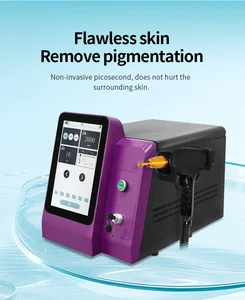

Clinically, patient populations across Russia and Central Europe display distinct dermatological profiles. Primarily classified under Fitzpatrick Skin Phototypes I to III (fair skin, prone to sunburn, low-to-medium melanin content), Russian clients require precise energy parameters. This profile makes them ideal candidates for laser pigment treatments, as the risk of post-inflammatory hyperpigmentation (PIH) is lower than in darker skin types. However, precision remains essential.
Our Q-switched Nd YAG systems are optimized for three core treatment profiles in Russia:
Operating in the Russian Federation requires strict adherence to regulatory standards. Importing medical devices involves navigating local certification requirements:
How next-generation solid-state optical technology is redefining clinical efficiency in aesthetic medicine.
Standard nanosecond pulses rely primarily on photothermal conversion, which carries a minor risk of heating surrounding tissue. Emerging technology is shifting toward picosecond domains (e.g., 450-750ps). This shorter pulse duration maximizes photoacoustic effects, shattering target pigment particles into a fine powder that is easily processed by the lymphatic system.
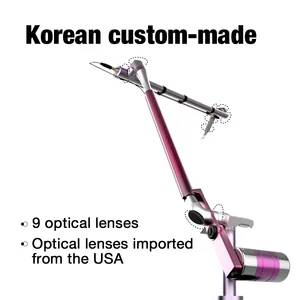
To prevent energy decay caused by crystal aging or lamp degradation, next-generation systems integrate real-time optical sensors in the articulated arm. These sensors measure actual output energy at the handpiece and dynamically adjust the power supply to match clinical protocols, ensuring consistent energy delivery.
Historically, YAG systems were limited to 1064nm and 532nm. By incorporating solid-state dye handpieces and titanium-sapphire components, our platforms now offer 585nm (gold-yellow target for capillary treatment) and 650nm (ruby-red target for green inks), providing a versatile solution in a single station.
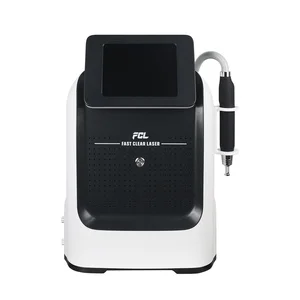
These 8 core models represent our high-capacity systems, engineered for multi-chain clinical operations across Russia.
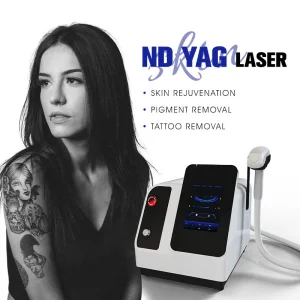
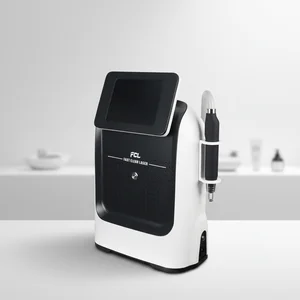
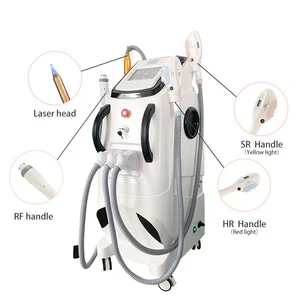
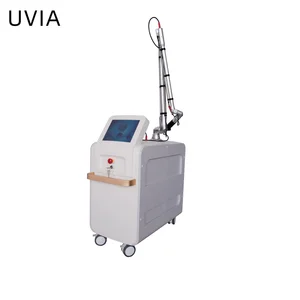
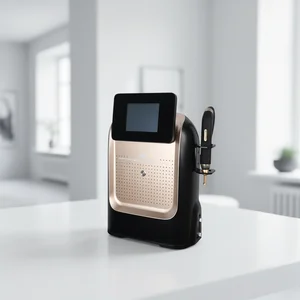
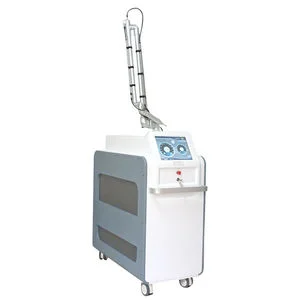
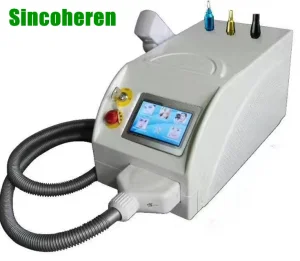
Expert answers to key technical, clinical, and logistical questions about sourcing Nd YAG laser systems for the Russian market.
Active Q-switching utilizes an electro-optic modulator (such as a Pockels cell) controlled by a high-voltage RF signal. This allows exact timing and releases pulse widths as narrow as 5-10ns with flat-top beam profiles, minimizing tissue damage. Passive Q-switching uses a saturable absorber (such as Cr4+:YAG crystal), which is simpler and more cost-effective but delivers wider pulse durations and variable energy stability. Active systems are recommended for medical-grade clinical use.
Freezing temperatures can crack internal glass manifolds and cavity components. To prevent this, we drain all cooling water from the system, blow compressed air through the cooling loops to eliminate residual moisture, and pack the units in thermal-insulating wrap inside sturdy flight cases. For shipping via trans-Siberian rail or road freight, we recommend adding temporary anti-freeze solutions (which must be thoroughly flushed with distilled water before clinical operation).
Russian customs clearance requires an EAC conformity certificate, detailed HS code classification (typically 9018902000 for medical lasers or 8543709000 for standard cosmetic devices), packing lists with serial numbers matching the invoice, and manufacturing declaration letters. We provide complete document sets for smooth clearance at Vladivostok, Moscow, or St. Petersburg border stations.
Our gold-cavity assemblies use high-grade xenon flashlamps imported from the UK, rated for 1,000,000 to 3,000,000 pulses, depending on energy density settings. The YAG crystal rod itself has an almost unlimited lifespan, provided the cooling water remains clean and free of contamination through regular filter changes (every 3-6 months with pure distilled water).
Partner with Beijing V-Cest Beauty Co., Ltd. for medical-grade Q-switched Nd YAG systems, direct factory warranties, and complete localized clinical support across the Russian Federation.
Send Inquiry Now V-Cest Beauty