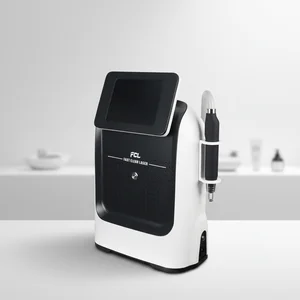
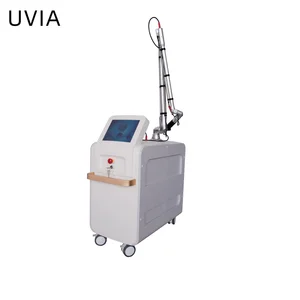
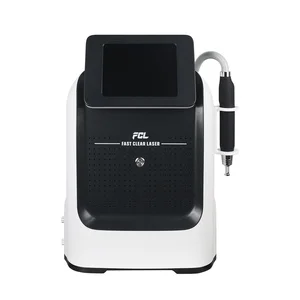
Premium medical devices engineered for high-energy density and clinical precision. Engineered for easy integration into leading Stockholm, Gothenburg, and Malmö skin clinics.
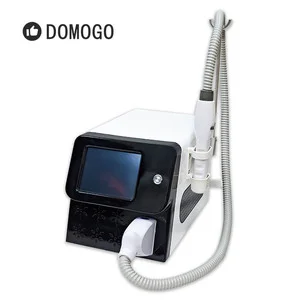
The Swedish aesthetic and medical dermatology market has undergone a significant paradigm shift over the past decade. With cities like Stockholm, Gothenburg, and Malmö serving as regional hubs for advanced skincare treatments, the demand for non-invasive aesthetic procedures is experiencing steady growth. Modern Swedish consumers demand safety, natural-looking therapeutic outcomes, and minimal recovery times. This preference has driven local laser clinics to adopt high-precision, clinically verified technologies.
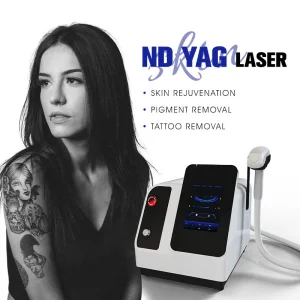
Q-Switched Nd YAG (Neodymium-doped Yttrium Aluminum Garnet) and picosecond laser platforms represent the technological core of modern aesthetic applications. Originally utilized primarily for tattoo removal, these devices have evolved into multi-treatment systems capable of addressing pigmentary lesions, vascular irregularities, carbon peels, and skin rejuvenation. With the Swedish Medical Products Agency (Läkemedelsverket) implementing strict oversight regarding clinical operations and device safety, sourcing from factories that guarantee stringent compliance with international quality standards is a critical business priority for local clinic owners and device distributors.
Sweden's aesthetic market is characterized by a strong regulatory compliance stance and a cultural emphasis on "Lagom" - a philosophy of moderation, translated into skin therapies as gentle yet effective rejuvenation with zero social downtime.
Understanding the mechanics of energy delivery, thermal relaxation times, and photo-acoustic fragmentation.
In the field of medical aesthetic lasers, the term Q-Switching refers to a technique where the laser medium (Nd YAG crystal) is kept from emitting light until a maximum population inversion is reached in the cavity. This results in the generation of short pulses with gigawatt peak powers. Under typical Q-Switched regimes, pulse durations range from 5 to 10 nanoseconds. The advancement into picosecond technology reduces this pulse duration by a factor of 1,000, shifting the therapeutic effect from a photo-thermal mechanism to a primarily photo-acoustic interaction.
This technical distinction is highly relevant for Swedish dermatological clinics. Light skin types (Fitzpatrick scale I-III), which represent the majority of the native Scandinavian population, are highly prone to post-inflammatory hyperpigmentation (PIH) if exposed to excessive thermal buildup. By delivering energy in ultra-short picosecond pulses, the target chromophore (tattoo pigment or excess melanin) is shattered photo-acoustically before the heat can conduct to the surrounding epidermal and dermal cells. This decreases the risk of thermal scarring and enables faster clearance with fewer clinical sessions.
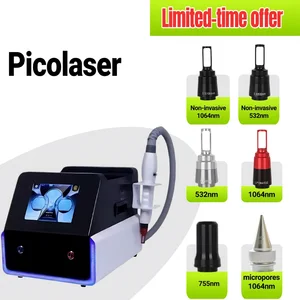
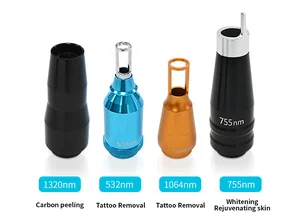
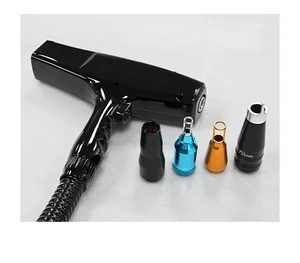
Deep penetration targeting dermal pigmentations, black/blue ink, and collagen remodeling. Safe for all skin types due to low epidermal melanin absorption.
High absorption in melanin and hemoglobin. Ideal for epidermal pigmented lesions (lentigines, freckles) and warm-toned tattoo inks (red, orange).
The Alexandrite-matching wavelength. Strong absorption in green/blue inks and melanin, offering a targeted option for resistant tattoo pigments.
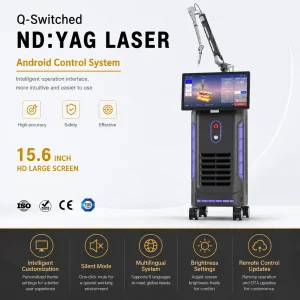
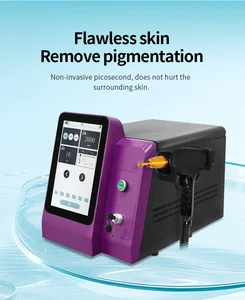
Engineered for commercial aesthetic centers requiring high duty-cycle operations and multi-wavelength capabilities.
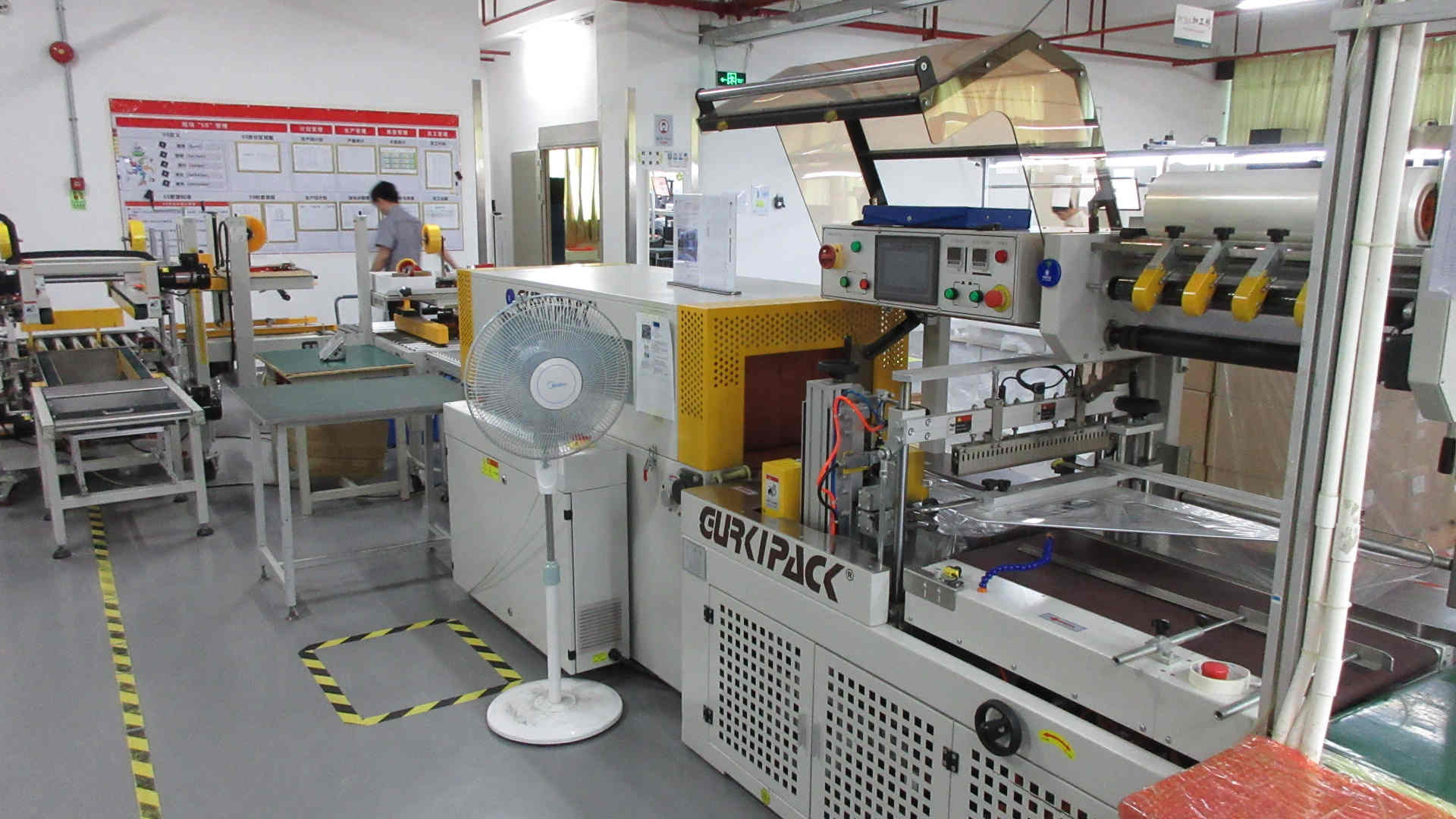
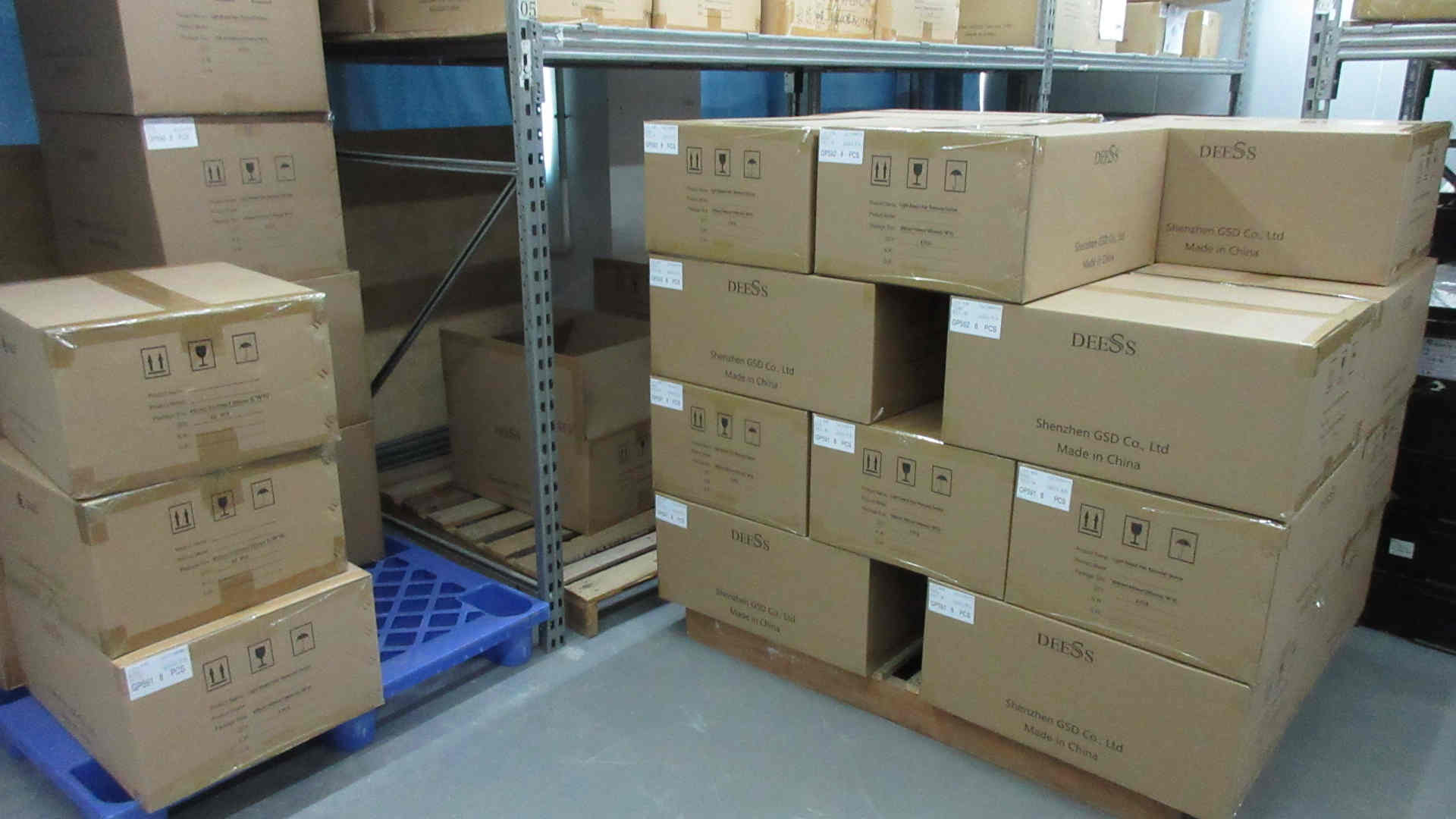
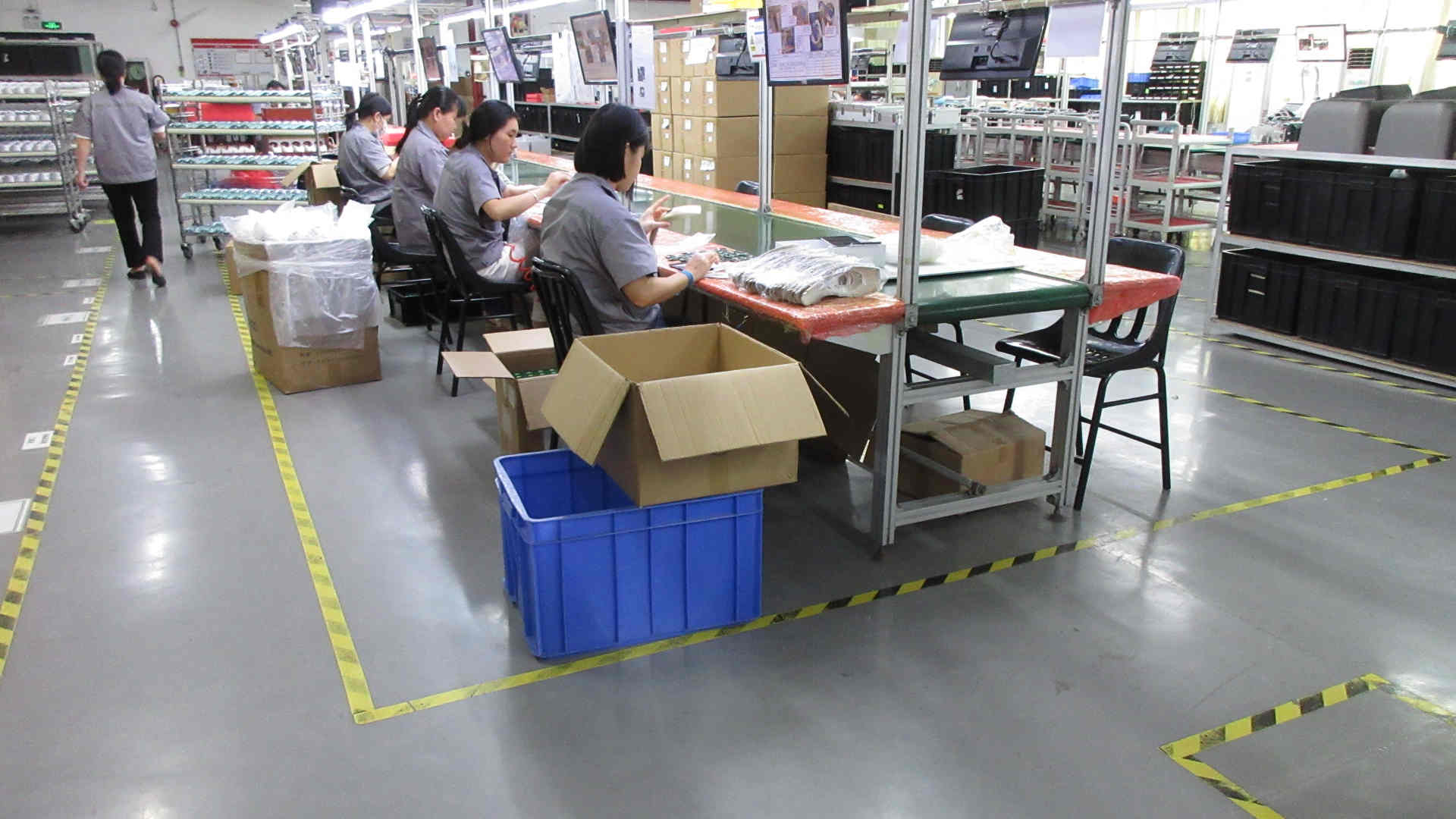
A look inside our vertically integrated manufacturing facility, detailing the protocols that ensure safety and reliability in Sweden.
Beijing V-Cest Beauty Co., Ltd. is an international enterprise specializing in the R&D and global export of high-end aesthetic and beauty equipment. The company is committed to bringing advanced beauty technology and intelligent manufacturing capabilities to the global market. Its core business focuses on professional beauty devices, covering a wide range of applications including hair removal, anti-aging, skin whitening, skin tightening, deep cleansing, and comprehensive skincare management, providing one-stop equipment solutions for beauty clinics, distributors, and brand partners worldwide.
With a well-established vertically integrated supply chain and extensive industry expertise, Beijing V-Cest Beauty has built a strong competitive advantage in product development, quality control, and global service capabilities. The company continuously integrates a diverse portfolio of premium beauty devices while driving ongoing innovation and technological upgrades to ensure high standards of safety, stability, and performance that meet international market requirements.
In terms of global expansion, V-Cest Beauty’s business network spans across emerging and mature markets, including Sweden, Norway, and wider Northern Europe. Through flexible OEM/ODM customization services, co-branding development, and professional technical support, the company helps partners build localized brand competitiveness and achieve sustainable growth in their respective markets. Below is the systematic sequence of our QA/QC manufacturing process:
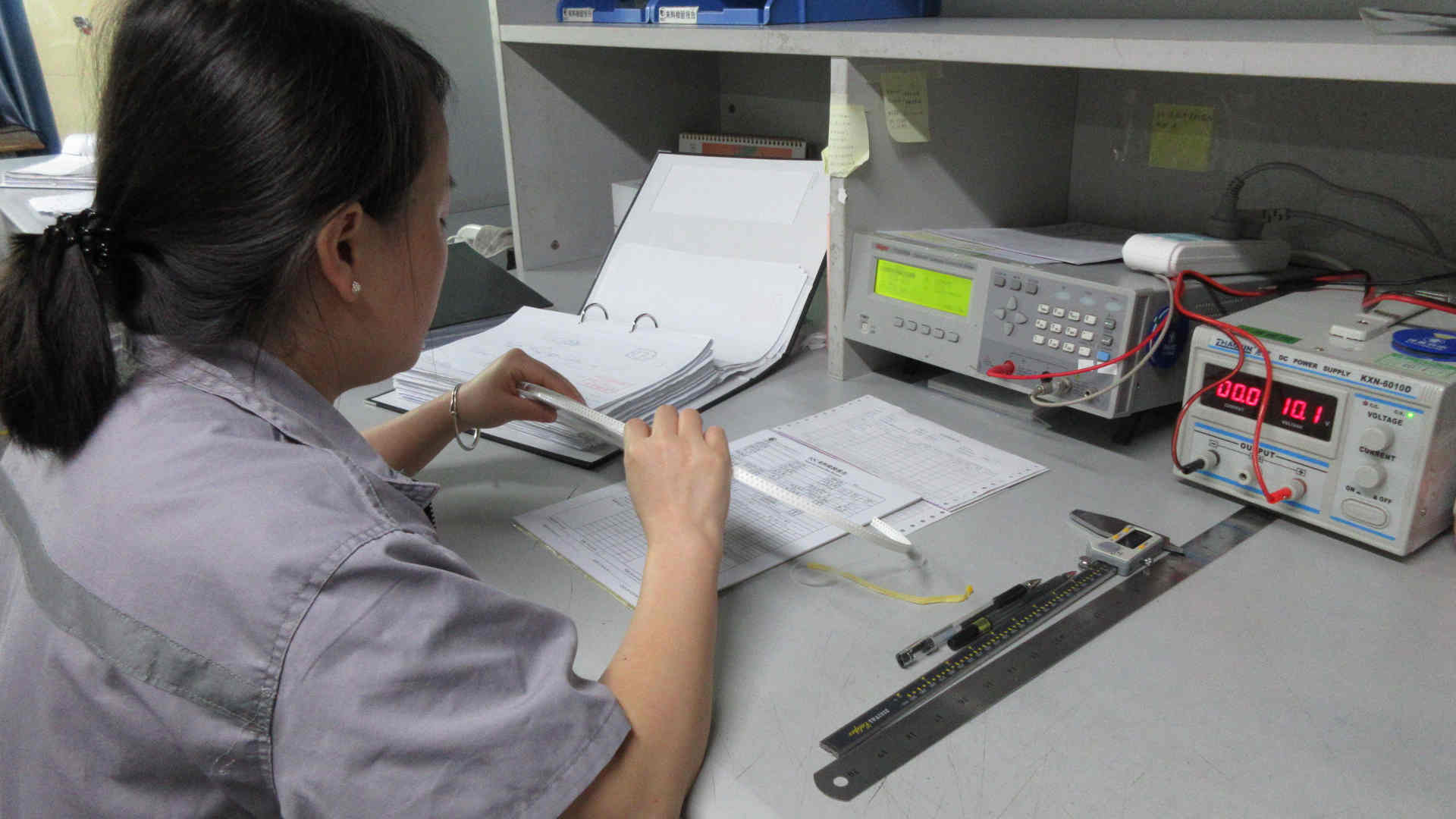
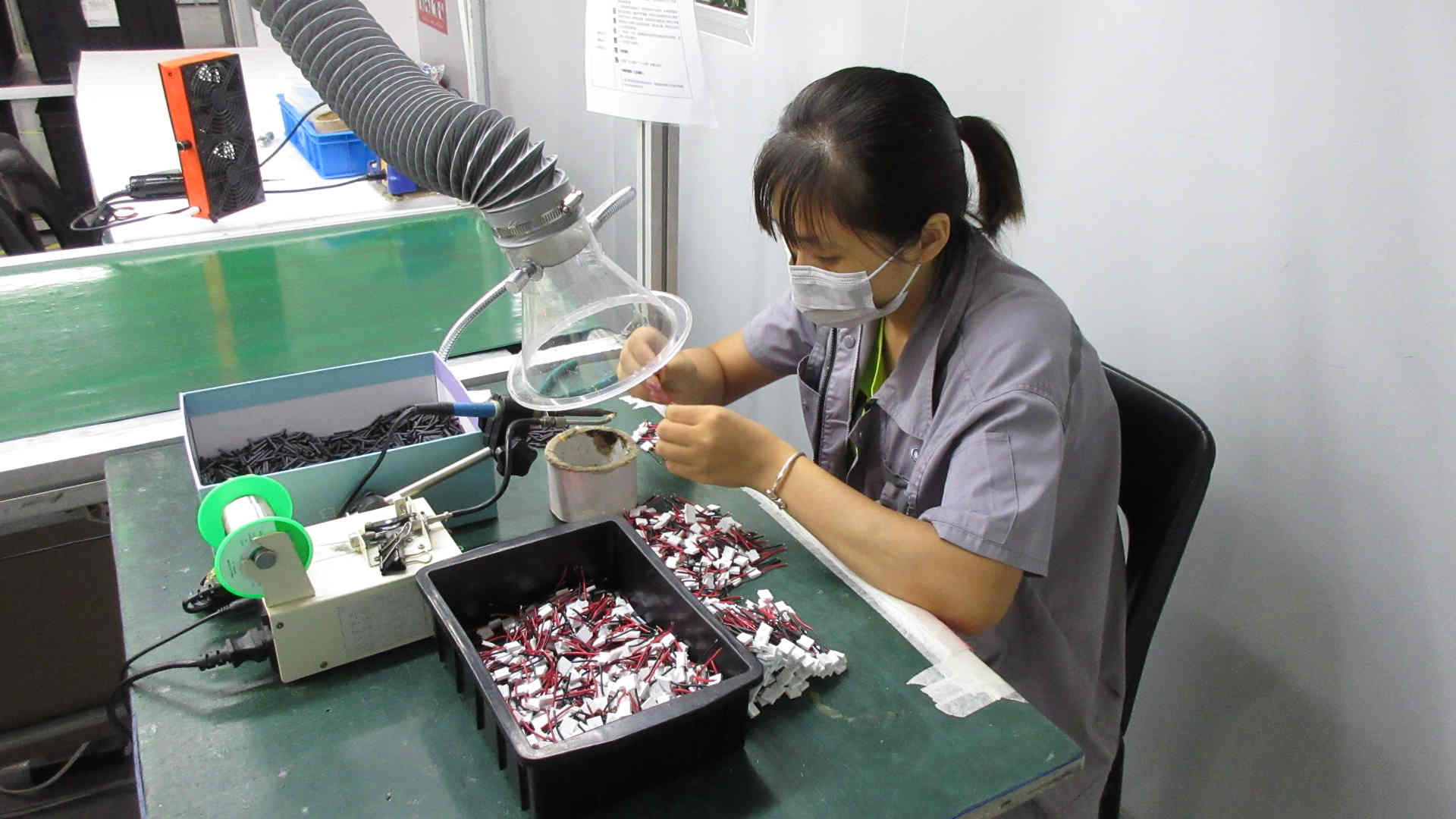
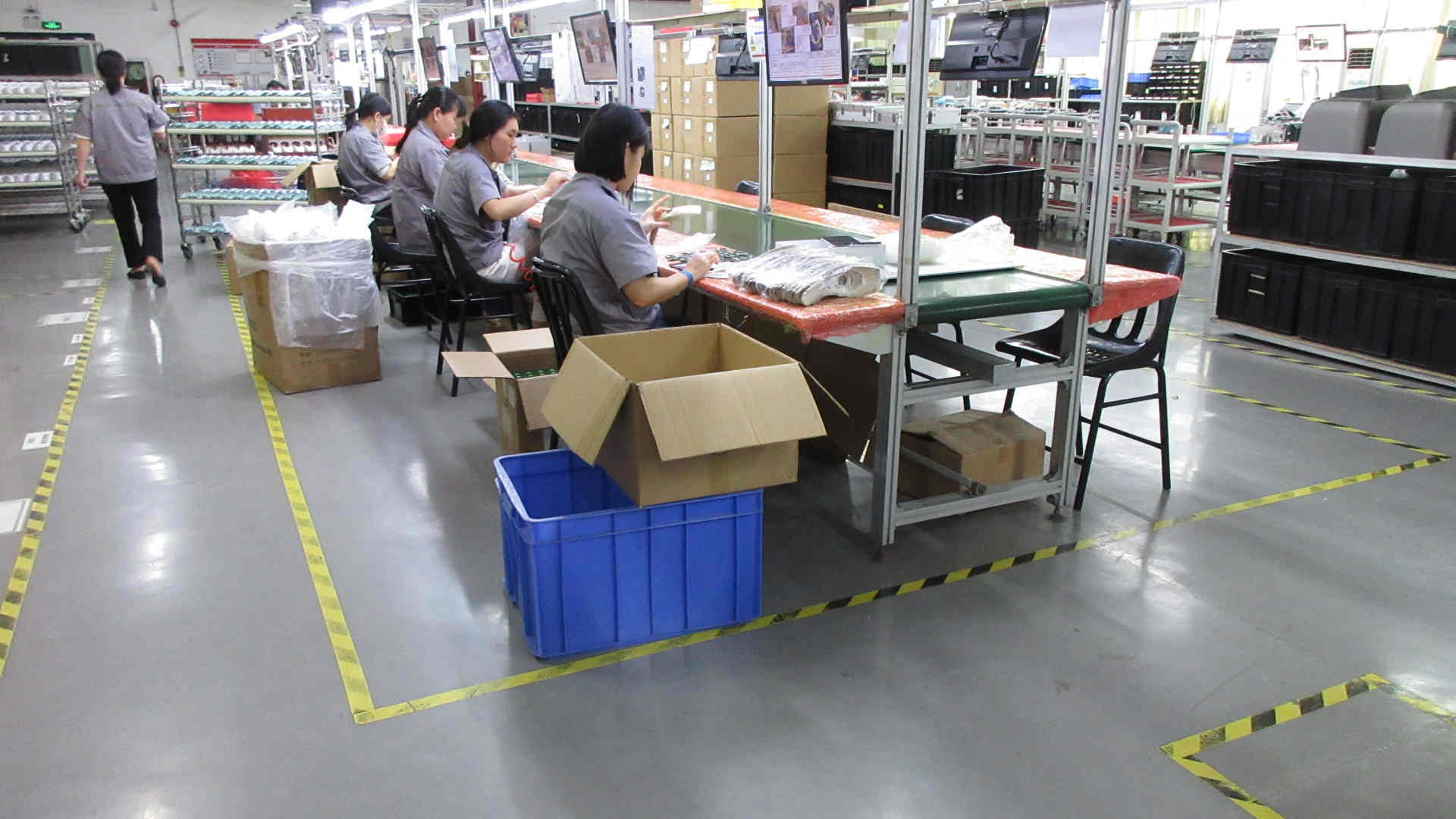
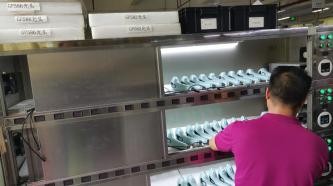
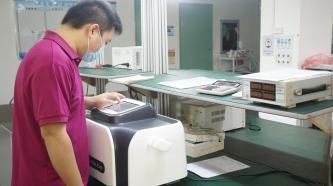
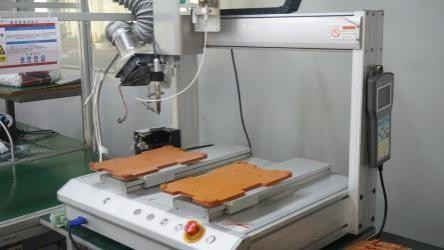
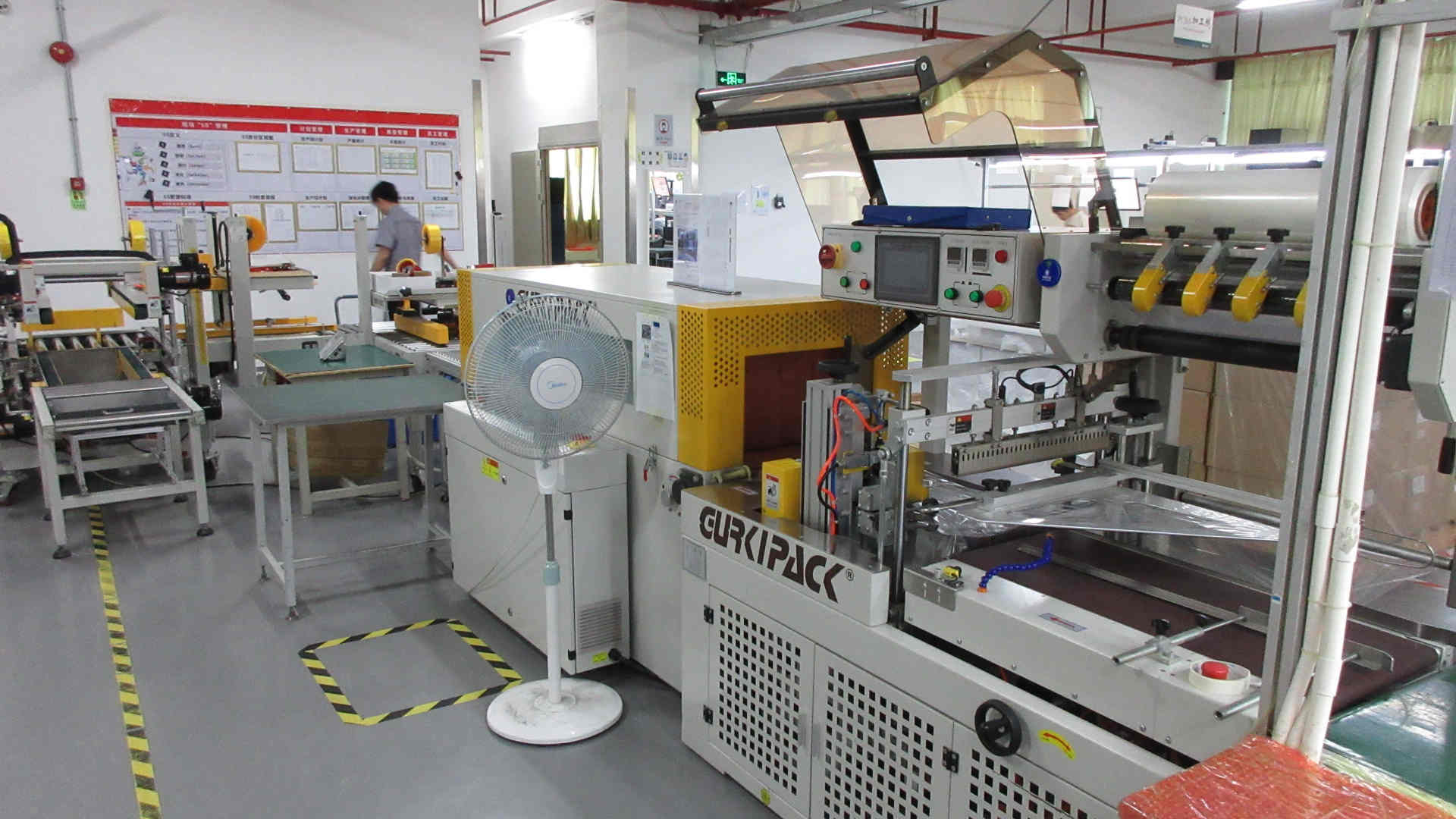
Sweden enforces some of the most comprehensive health regulations in the European Union. In compliance with the European Union Medical Device Regulation (MDR 2017/745), aesthetic laser devices imported into Sweden must adhere to strict quality assurances. Any equipment failing to satisfy these parameters cannot legally be commissioned for commercial clinical purposes. For Nd YAG laser distributors in Sweden, partnering with a factory that actively conducts strict quality control protocols is a baseline requirement.
Beyond EU directives, Sweden's Radiation Safety Authority (Strålsäkerhetsmyndigheten - SSM) imposes specific operational guidelines. Class 4 laser installations (which encompass most commercial Nd YAG systems) must be registered, and practitioners are required to have appropriate educational credentials. Under the updated Swedish law governing aesthetic treatments (effective July 2021), only licensed medical professionals (such as registered doctors, nurses, or dentists) are permitted to perform invasive, high-energy light treatments. Consequently, our systems are equipped with user-friendly digital interfaces featuring pre-calibrated, clinical-grade parameters to support practitioner accuracy, maximize treatment efficacy, and ensure patient safety.
CE MDR Compliant
Annual Maintenance Rate
Swedish Parts Dispatch
Years R&D Expertise
Explore our complete range of CE-compliant platforms, featuring robust cooling systems, multi-wavelength handpieces, and customizable software configurations.
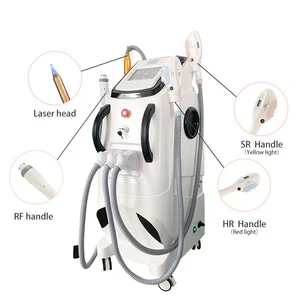
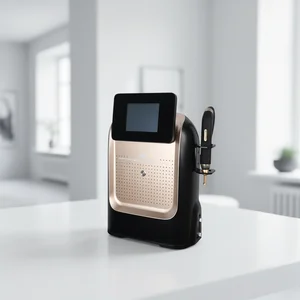
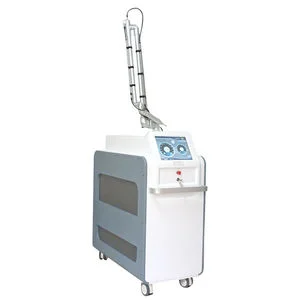
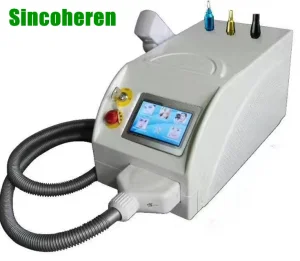
In Sweden's clinical setting, optimizing laser protocols for northern European skin types requires precise control over pulse width and energy density. The most prevalent treatments utilizing Q-Switched Nd YAG systems include:
Beijing V-Cest Beauty systems feature adjustable spot-size handpieces ranging from 2mm to 10mm. This versatility allows Swedish practitioners to quickly customize optical delivery to match the targeted area, improving treatment efficiency and clinic throughput.
We bridge Chinese manufacturing efficiency with Swedish regulatory compliance, offering competitive distribution margins without sacrificing optical build quality.
Devices manufactured under ISO 13485 medical standards.
Flexible OEM/ODM housing designs and software localization.
Water + air cooling circuits designed for continuous use.
Direct access to optical engineers for troubleshooting.
Operational downtime is a significant concern for aesthetic clinics. A single non-functioning laser handpiece can disrupt scheduled treatments and impact clinic revenue. Beijing V-Cest Beauty addresses this issue through a resilient global supply chain and structured after-sales support.
Our quality control system starts at the raw material phase. We source high-grade optical crystal rods, gold-plated reflectors, and durable Xenon flashlamps. By utilizing automated welding machines and automated packaging lines, we minimize variance in optical alignment, ensuring that energy delivery remains consistent over the lifetime of the flashlamp.
For our Swedish partners, we offer responsive post-sales support. We maintain a stock of replacement optical handpieces, protective lenses, power supplies, and water pump components, enabling quick dispatch to Sweden. Additionally, we provide digital technical consultations, assisting clinic technicians through video calls to ensure minimal operational downtime.
Answers to technical, regulatory, and logistical questions commonly raised by Swedish aesthetic clinic operators.
Partner with Beijing V-Cest Beauty to access reliable manufacturing, compliance documentation, and technical support tailored for the Swedish market.
 V-Cest Beauty