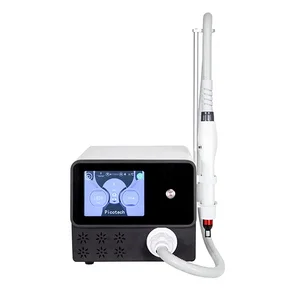
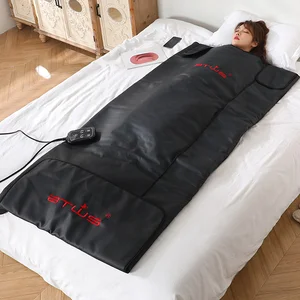
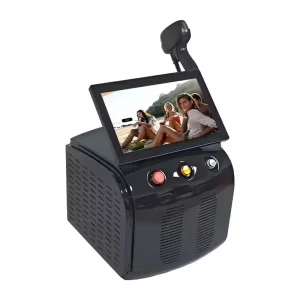
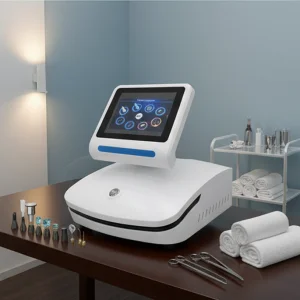
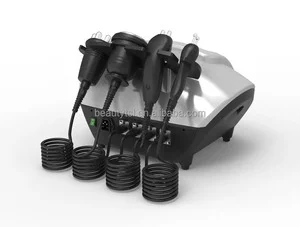
Explore our CE-compliant, high-performance beauty technologies engineered to integrate seamlessly with advanced transdermal systems and skin rejuvenation protocols.
The global pharmaceutical and clinical aesthetic industries are undergoing a massive shift towards minimally invasive systems that maximize active ingredient bioavailability. Traditionally, topical formulations struggled to bypass the skin's primary defensive barrier: the stratum corneum. Standard patches and topical applications exhibit low molecular weight permeation, restricting clinical efficacy. Transdermal needle devices have solved this limitation, paving the way for controlled, localized, and systemic delivery of macromolecules, peptides, and advanced aesthetic agents.
Current developments show a transition from basic mechanical microneedling rollers to advanced energy-assisted, hollow, and dissolving micro-array transdermal systems. These innovations are engineered using micro-electro-mechanical systems (MEMS) and precision injection molding to create needle tips ranging from 100 to 1000 micrometers in length. By creating micro-conduits through the epidermal layer without contacting deep-seated nociceptors (pain receptors) in the dermis, these devices achieve pain-free delivery of therapeutic molecules, making them exceptionally popular in both medical and aesthetic applications.
For B2B buyers and brand managers, aligning with a partner who understands the biophysics of transdermal systems is critical. Selecting the right needle density, geometry, and material directly impacts the micro-channel closure rate, drug absorption curves, and patient comfort. Our advanced production configurations leverage precise physical vapor deposition (PVD) and mechanical micro-grinding technologies to achieve micro-bevel profiles that ensure minimal tissue trauma and optimal cosmetic results.
Procuring medical-grade transdermal needle devices demands strict adherence to international safety guidelines, sterile supply chain protocols, and absolute structural reliability. Global medical device distributors, aesthetic clinics, and pharmaceutical brands face strict regulatory oversight. When selecting a manufacturing partner, buyers prioritize several key operational metrics:
Material biocompatibility is another non-negotiable factor. Modern transdermal needles must be constructed from highly inert materials such as clinical-grade 316L stainless steel, titanium alloys, or biocompatible polymers. Any material degradation or chemical leaching under skin exposure can lead to severe dermatological complications. Consequently, manufacturers must supply complete material safety data sheets (MSDS), ISO 13485 quality system certifications, and rigorous bio-burden analysis documentation to guarantee product safety.
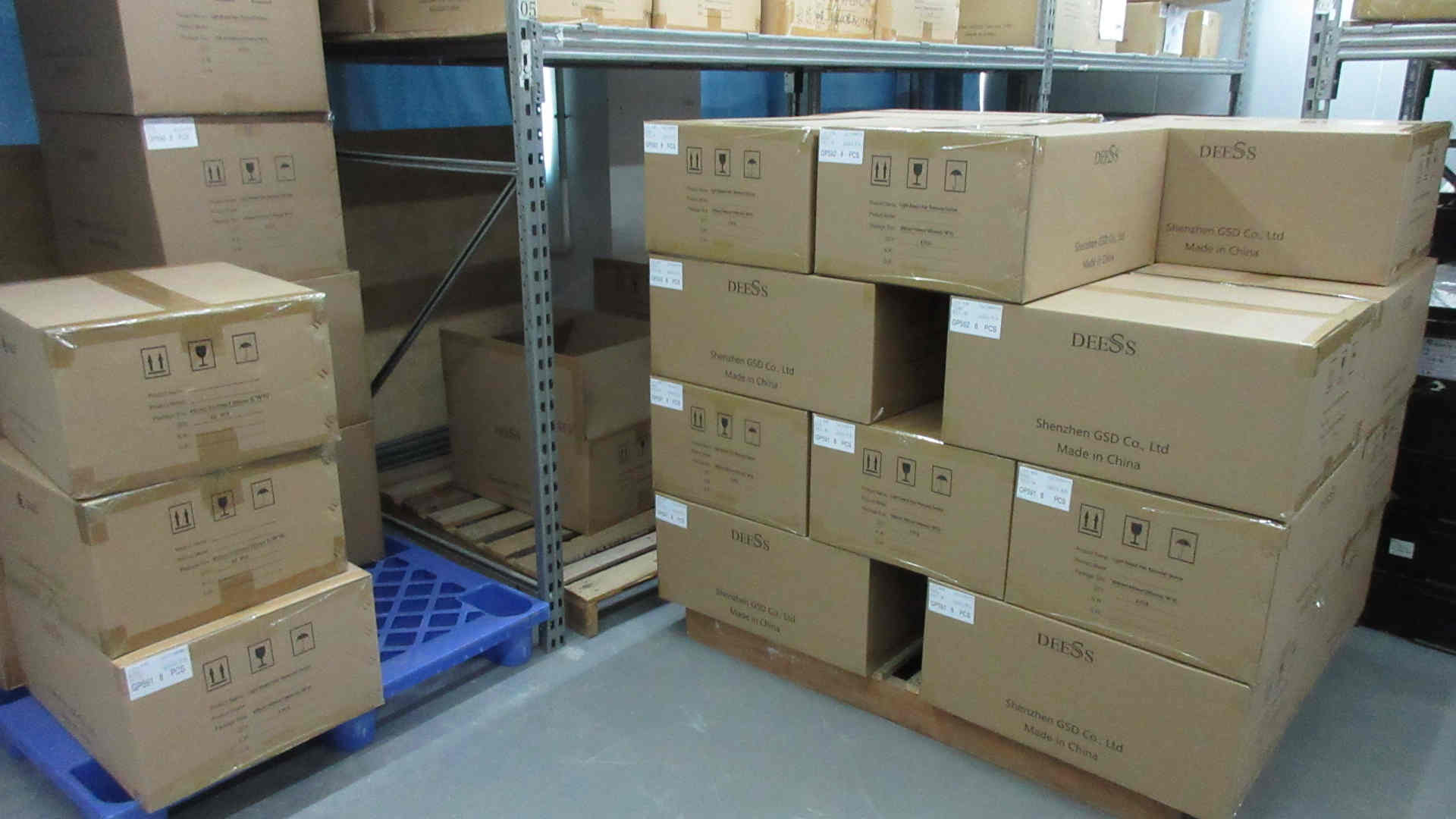
Additionally, supply chain resilience has become a core strategic asset. Global distribution partners seek factories that offer scalable production outputs, fast lead times, and comprehensive customizable packaging (OEM/ODM). As transport costs and geopolitical challenges impact supply lines, factories that utilize vertically integrated processes from raw material processing to final sterilization offer a strong competitive edge.
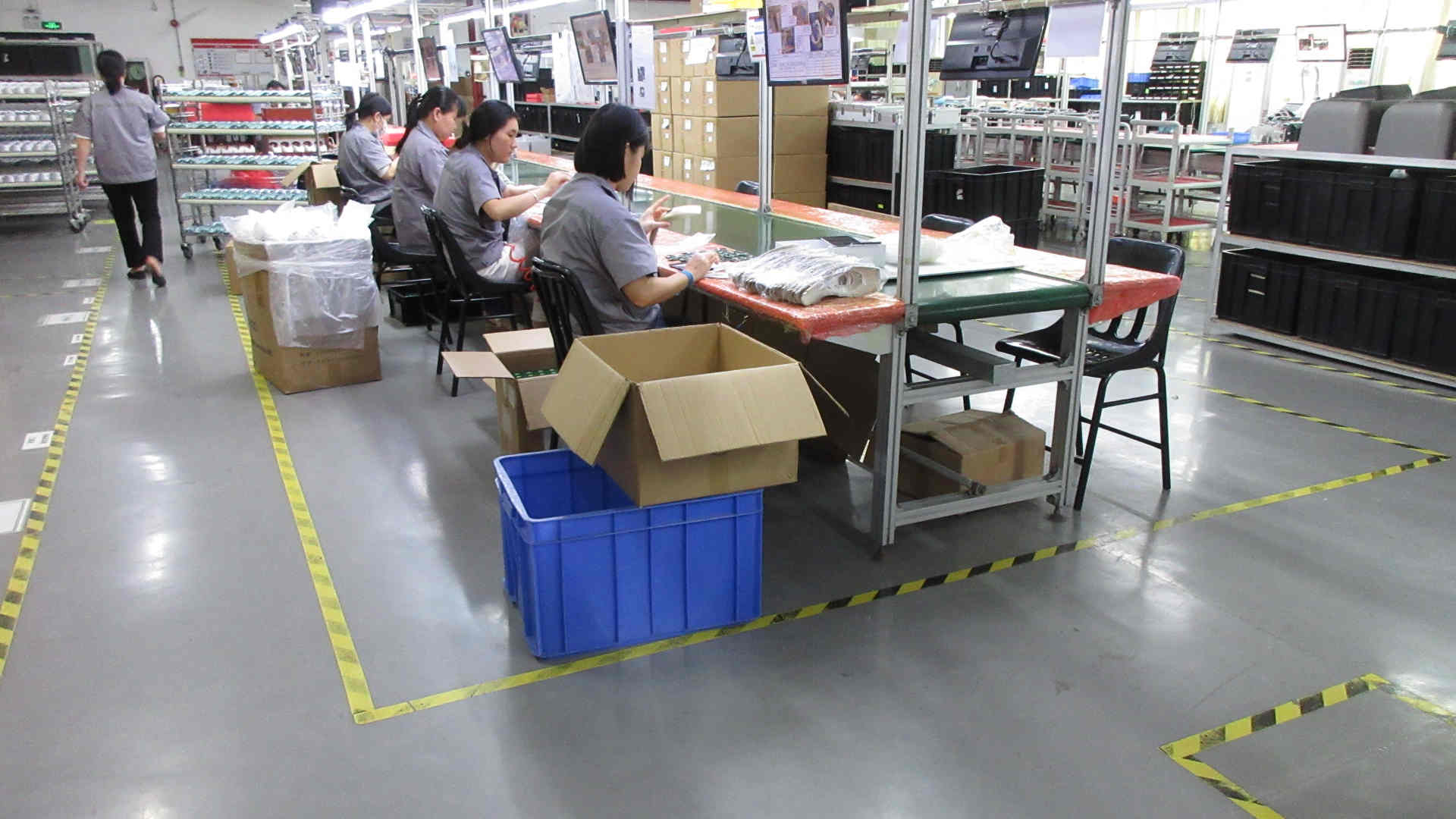
Operating under a strict vertically integrated manufacturing paradigm, our facilities utilize advanced automation to secure batch-to-batch consistency and unmatched cost efficiency for global partners.
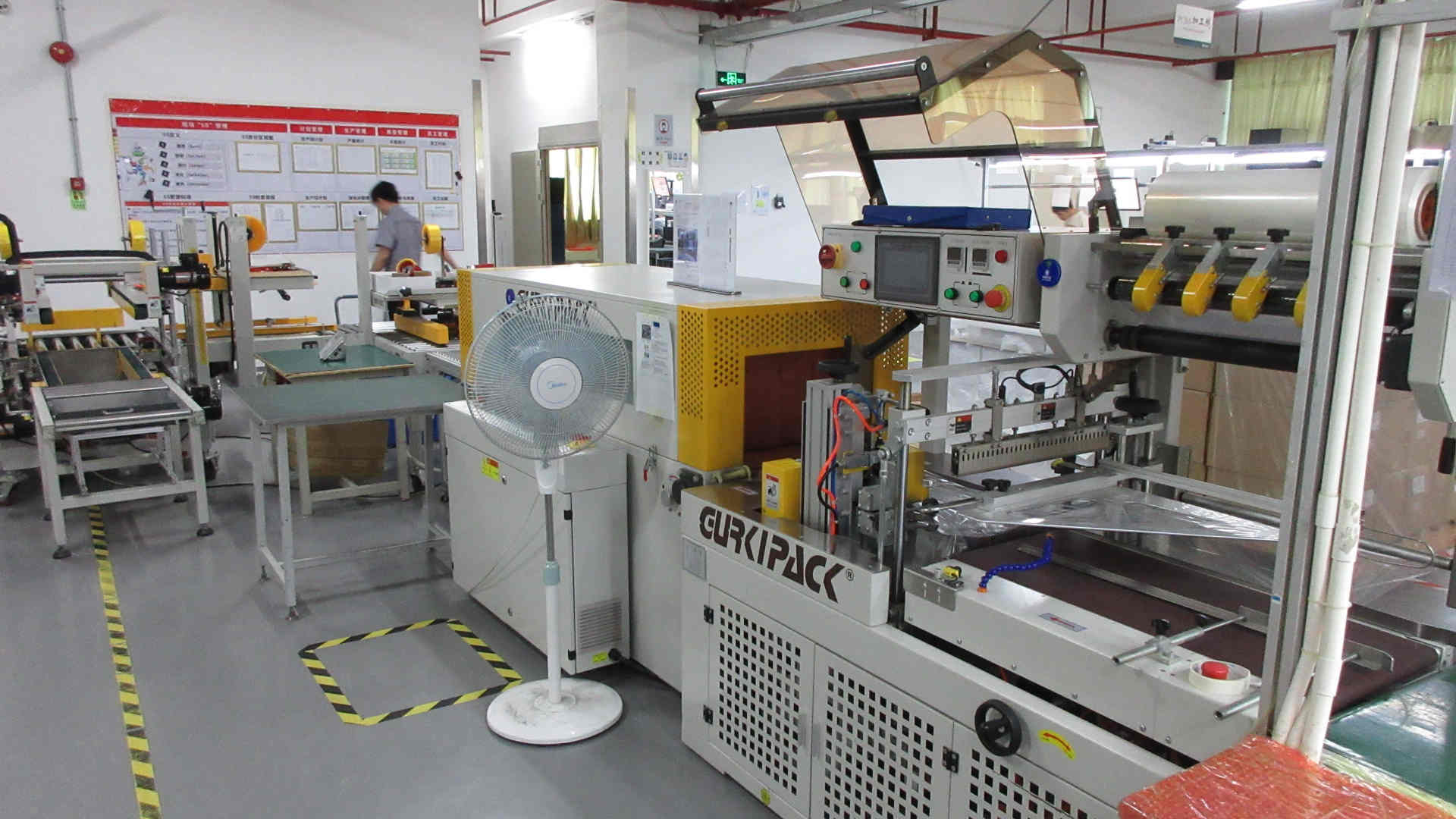
Our commitment to quality is anchored in our 10-step, zero-defect manufacturing process. By automating precision welding, assembly, and packaging steps, we eliminate manual contamination risks and maintain the tightest tolerances in microneedle alignment and mechanical operation.
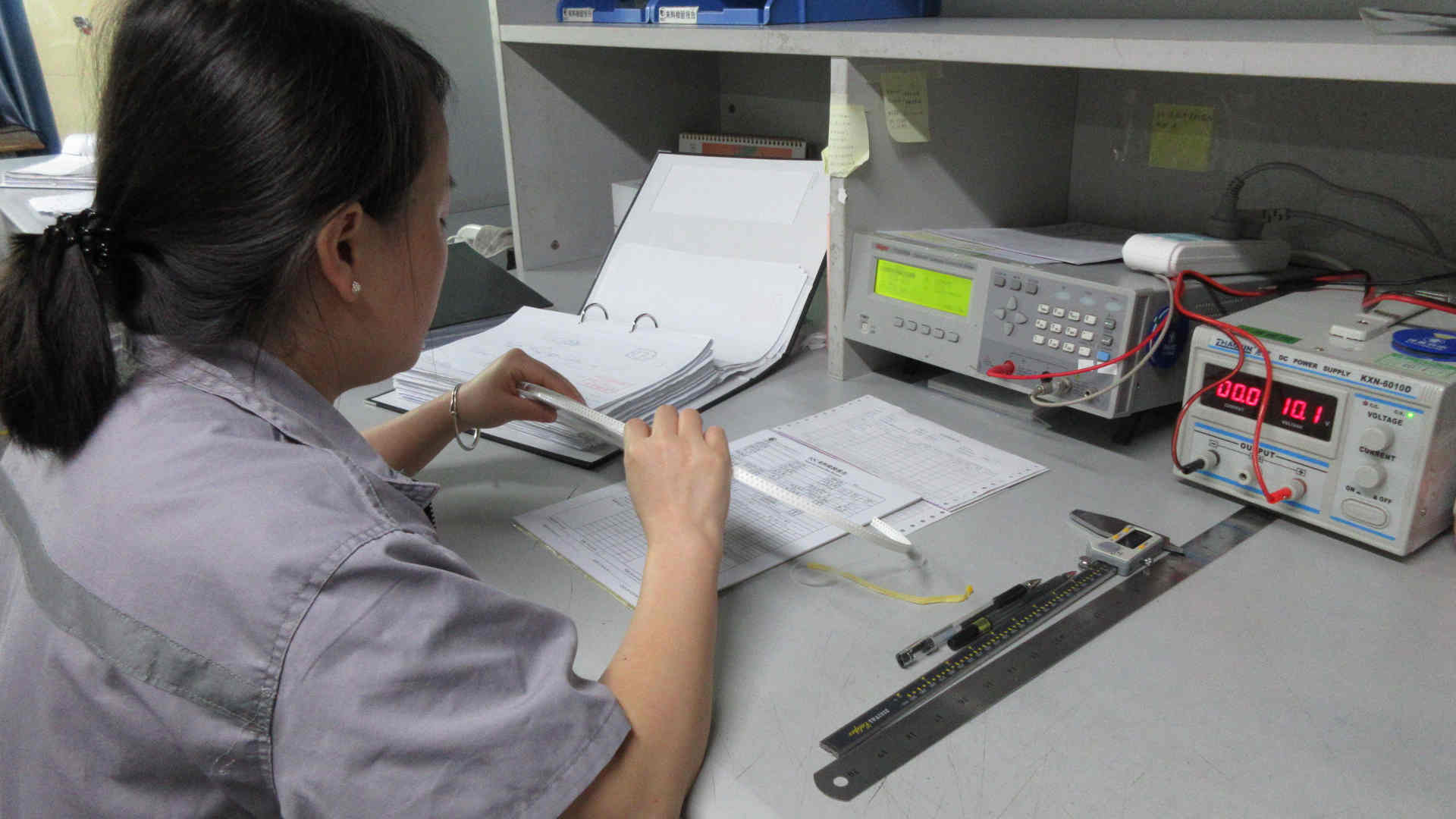
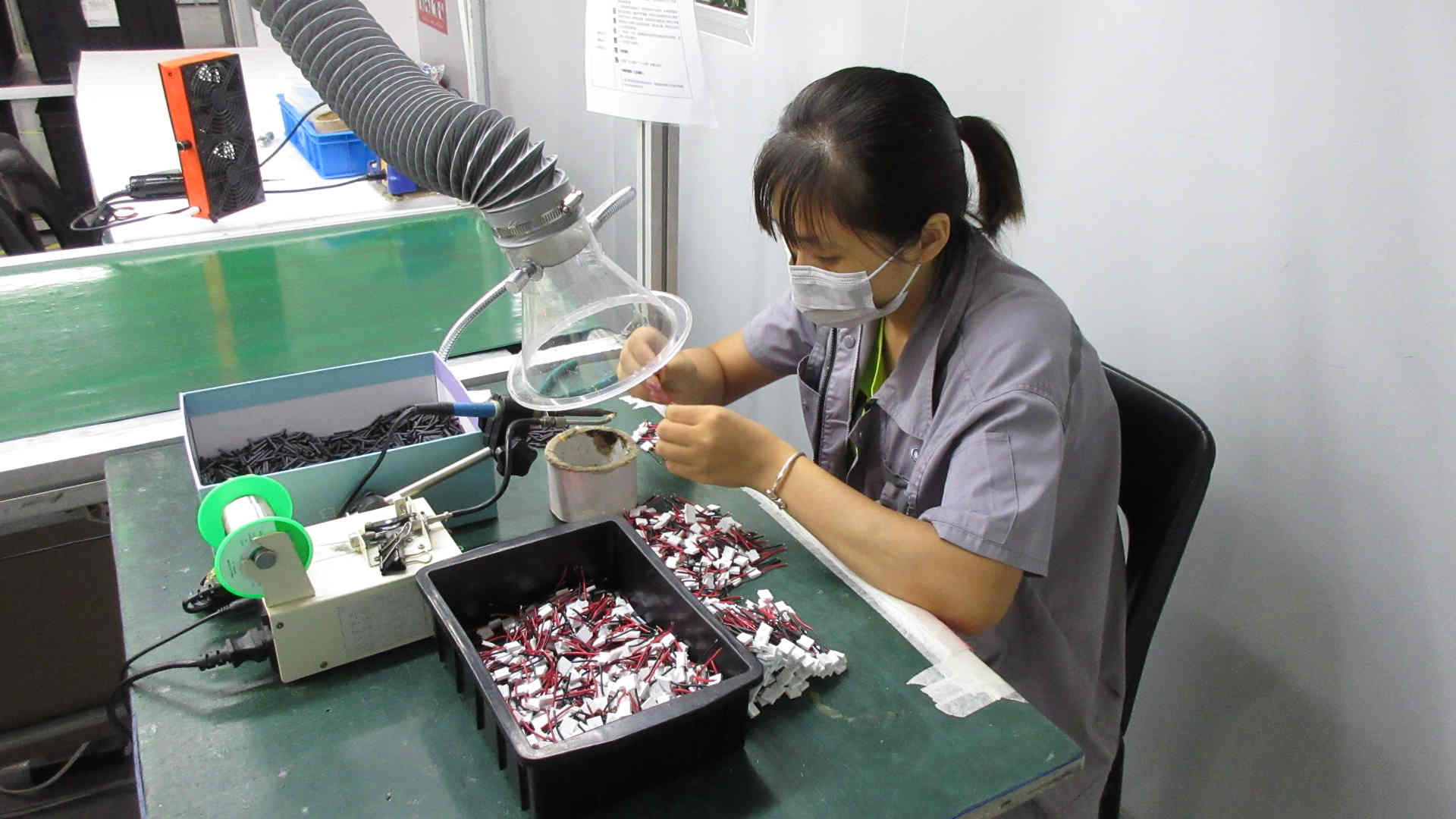
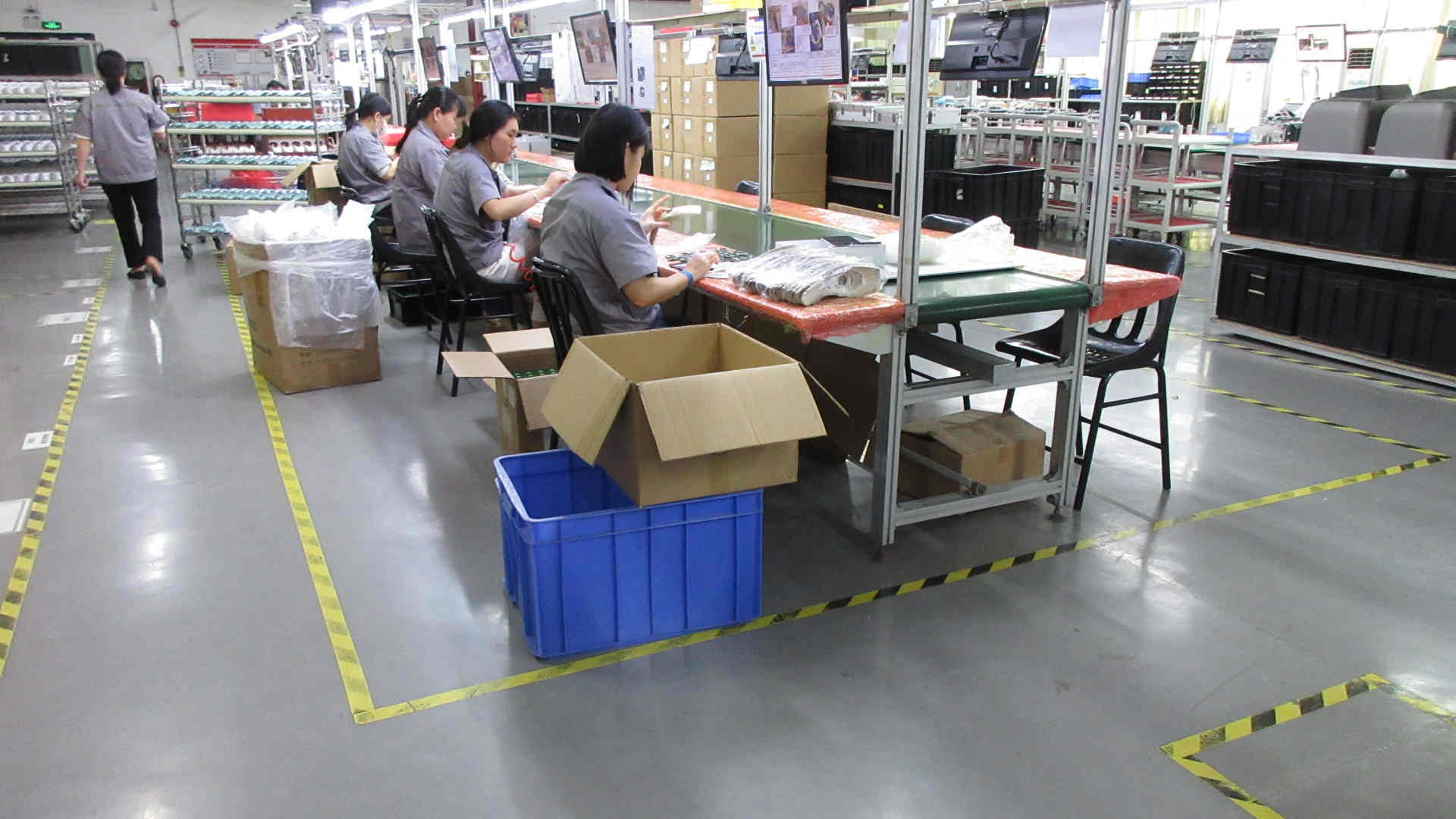

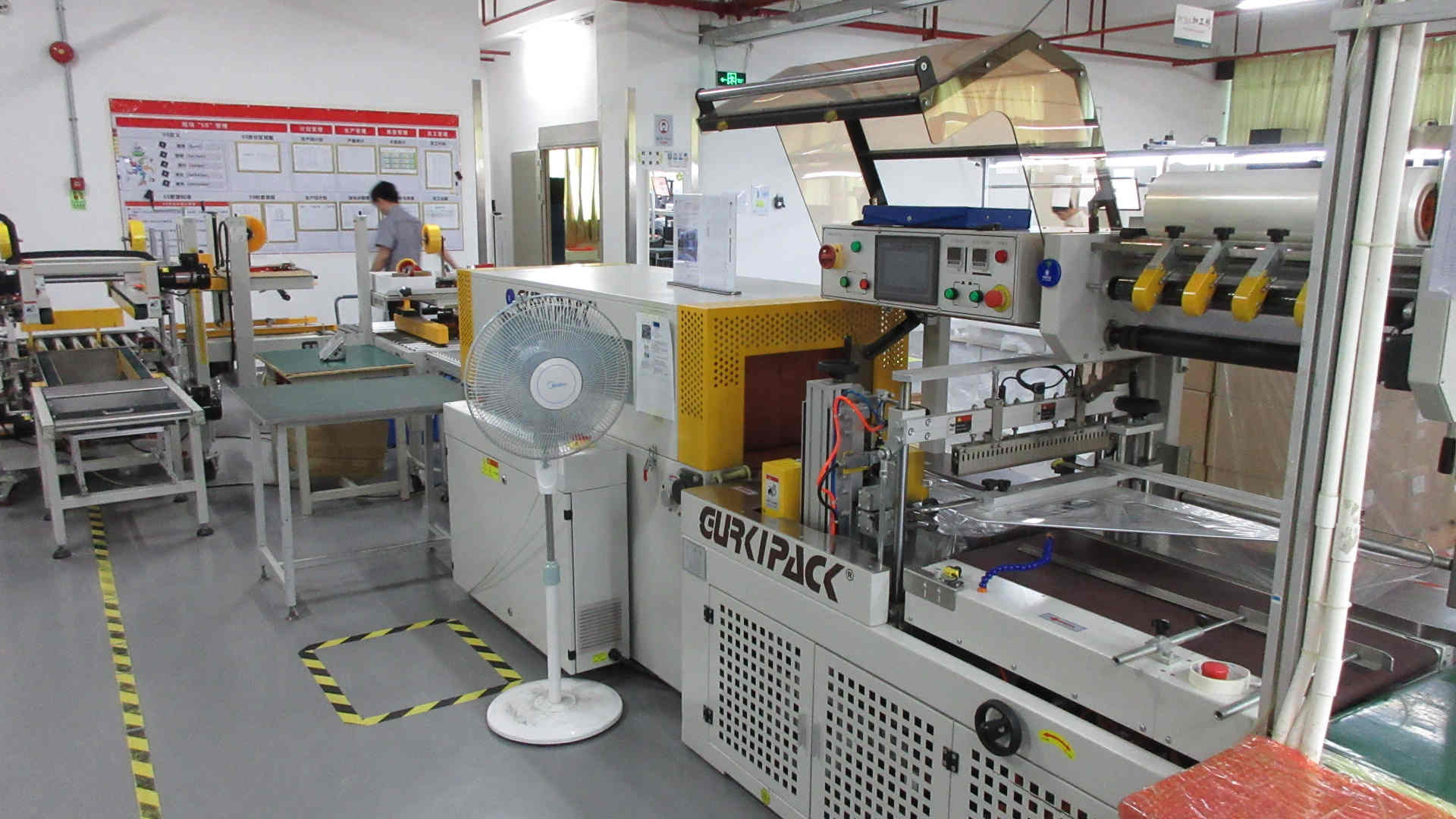
CE Certification (specifically under the updated European Medical Device Regulation - MDR 2017/745) serves as a baseline indicator of product safety and efficacy. For transdermal needle devices, classification usually falls into Class IIa or Class IIb depending on the invasiveness of the procedure, whether active energy (like RF or Plasma) is delivered, and the duration of skin barrier penetration.
The certification process evaluates several key factors:
By purchasing from CE-certified factories, global medical organizations protect their brands from regulatory issues and liability. Our manufacturing processes conform strictly to these international standards, providing complete traceability and quality documentation for every production run.
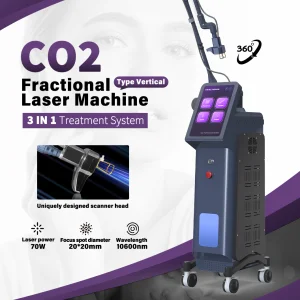
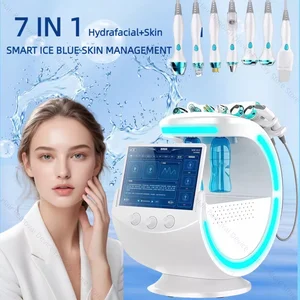
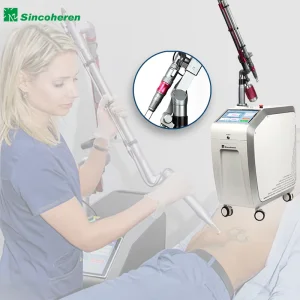
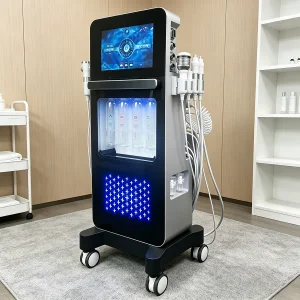
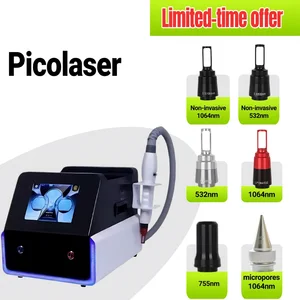
Modern clinical dermatology increasingly relies on combination protocols. Using physical micro-channel creation alongside active energy sources—such as CO2 Fractional Lasers, Pico Lasers, or Cold/Hot Plasma devices—significantly enhances patient results. By pairing transdermal delivery systems with energy-based systems, clinics can target different depths of the dermis, accelerating collagen remodeling and maximizing the absorption of active topical formulations.
Delivers radiofrequency energy deep into the subdermal layers through micro-electrodes, promoting collagen and elastin synthesis with minimal epidermal damage.
Cold plasma skin sterilization combined with microneedling enhances transdermal drug absorption rates and accelerates post-treatment skin healing.
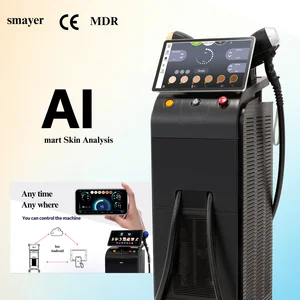
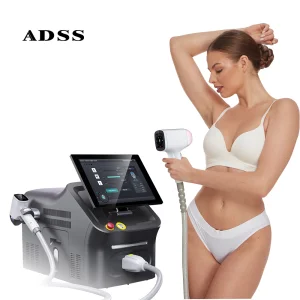
Pre-treatment with non-invasive laser photothermal therapy softens the skin structure, optimizing transdermal delivery performance for pigment removal.
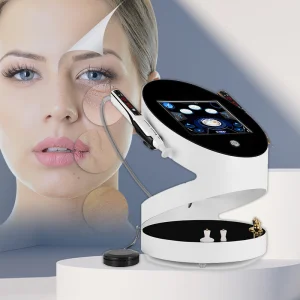
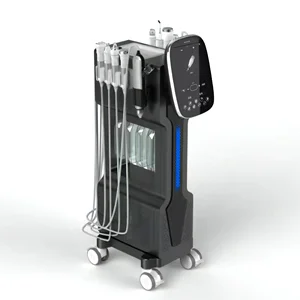
Integrating these technologies into a unified medical plan provides practitioners with a versatile toolkit. As a manufacturer, Beijing V-Cest Beauty Co., Ltd. supports these combined treatments by offering a comprehensive range of skin resurfacing machines, plasma devices, and micro-channel systems.
Beijing V-Cest Beauty Co., Ltd. is an international enterprise specializing in the R&D and global export of high-end aesthetic and beauty equipment. The company is committed to bringing China’s advanced beauty technology and intelligent manufacturing capabilities to the global market. Its core business focuses on professional beauty devices, covering a wide range of applications including hair removal, anti-aging, skin whitening, skin tightening, deep cleansing, and comprehensive skincare management, providing one-stop equipment solutions for beauty clinics, distributors, and brand partners worldwide.
With a well-established vertically integrated supply chain and extensive industry expertise, Beijing V-Cest Beauty has built a strong competitive advantage in product development, quality control, and global service capabilities. The company continuously integrates a diverse portfolio of premium beauty devices while driving ongoing innovation and technological upgrades to ensure high standards of safety, stability, and performance that meet international market requirements.
In terms of global expansion, V-Cest Beauty’s business network spans across emerging and mature markets, including Russia, Eastern Europe, Central Asia, the Middle East, South America, and Southeast Asia. Through flexible OEM/ODM customization services, co-branding development, and professional technical support, the company helps partners build localized brand competitiveness and achieve sustainable growth in their respective markets.
In addition, the company places strong emphasis on R&D investment and innovation partnerships, actively exploring advanced technologies such as radio frequency (RF), laser, ultrasound, and high-intensity focused energy systems for both clinical and consumer-grade aesthetic devices. It is also continuously expanding its product portfolio and application scenarios while strengthening its digital operations and after-sales service systems to enhance global customer experience and long-term value.
Looking ahead, Beijing V-Cest Beauty Co., Ltd. will continue to deepen its global strategic footprint, strengthen technological innovation and international collaboration, and further enhance the global influence of “Made in China” within the beauty and wellness industry, becoming a key bridge connecting China’s high-end beauty technology with the international market.
Key technical and procurement insights regarding CE Certified Transdermal Needle Devices.
Discover our comprehensive range of high-efficiency systems designed to complement clinical transdermal delivery treatments.
 V-Cest Beauty