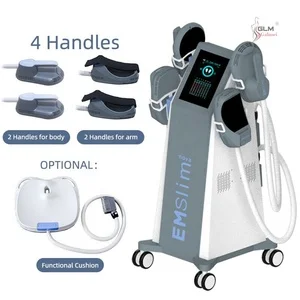
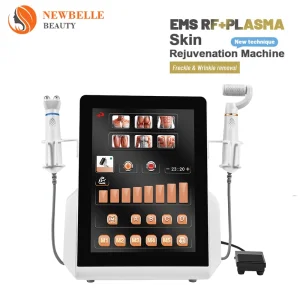

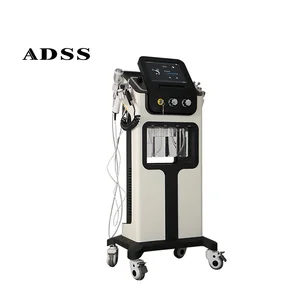

In the rapidly changing clinical aesthetic landscape, microdermabrasion systems remain a cornerstone treatment modality. Historically defined by abrasive crystal projection, contemporary systems have pivoted toward sophisticated fluid-dynamic infusion (hydro-dermabrasion) and multi-technology platforms. Today's global distributors and MedSpa networks demand multi-functional capabilities that integrate microdermabrasion with radio frequency (RF), cold plasma, and ultrasonic cavitation.
By transitioning from simple stratum corneum exfoliation to transdermal delivery platforms, modern microdermabrasion devices serve as high-yield clinical systems. They provide immediate physical skin refinement while significantly enhancing the penetration index of topical active ingredients. This technological shift has altered procurement dynamics, moving purchasing criteria from mechanical stability to fluidics control, vacuum calibration accuracy, and cross-modality treatment synergy.
Beijing V-Cest Beauty Co., Ltd. is an international enterprise specializing in the R&D and global export of high-end aesthetic and beauty equipment. The company is committed to bringing China’s advanced beauty technology and intelligent manufacturing capabilities to the global market. Its core business focuses on professional beauty devices, covering a wide range of applications including hair removal, anti-aging, skin whitening, skin tightening, deep cleansing, and comprehensive skincare management, providing one-stop equipment solutions for beauty clinics, distributors, and brand partners worldwide.
With a well-established vertically integrated supply chain and extensive industry expertise, Beijing V-Cest Beauty has built a strong competitive advantage in product development, quality control, and global service capabilities. The company continuously integrates a diverse portfolio of premium beauty devices while driving ongoing innovation and technological upgrades to ensure high standards of safety, stability, and performance that meet international market requirements.
In terms of global expansion, V-Cest Beauty’s business network spans across emerging and mature markets, including Russia, Eastern Europe, Central Asia, the Middle East, South America, and Southeast Asia. Through flexible OEM/ODM customization services, co-branding development, and professional technical support, the company helps partners build localized brand competitiveness and achieve sustainable growth in their respective markets.
In addition, the company places strong emphasis on R&D investment and innovation partnerships, actively exploring advanced technologies such as radio frequency (RF), laser, ultrasound, and high-intensity focused energy systems for both clinical and consumer-grade aesthetic devices. It is also continuously expanding its product portfolio and application scenarios while strengthening its digital operations and after-sales service systems to enhance global customer experience and long-term value.
Looking ahead, Beijing V-Cest Beauty Co., Ltd. will continue to deepen its global strategic footprint, strengthen technological innovation and international collaboration, and further enhance the global influence of “Made in China” within the beauty and wellness industry, becoming a key bridge connecting China’s high-end beauty technology with the international market.
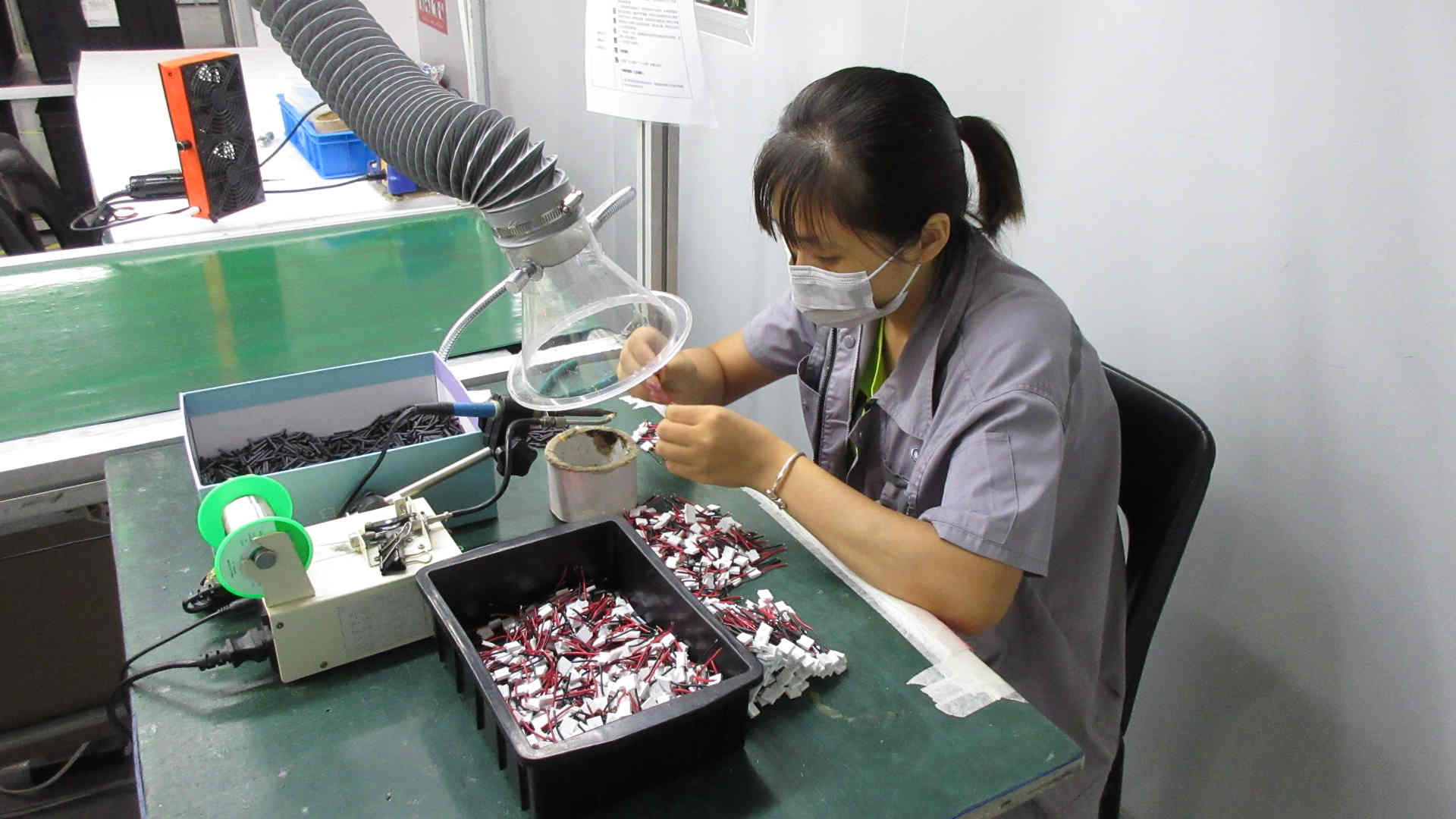
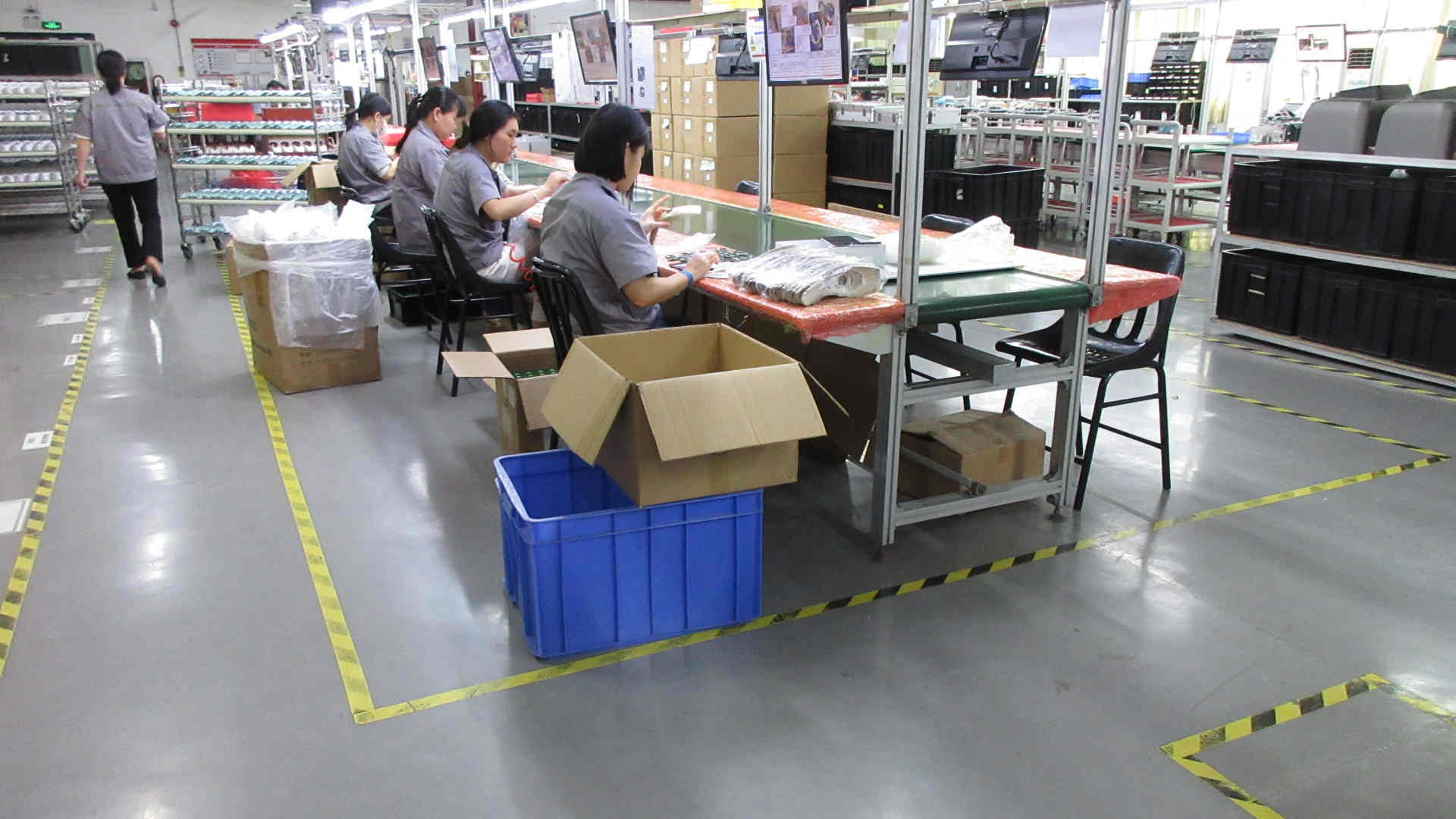
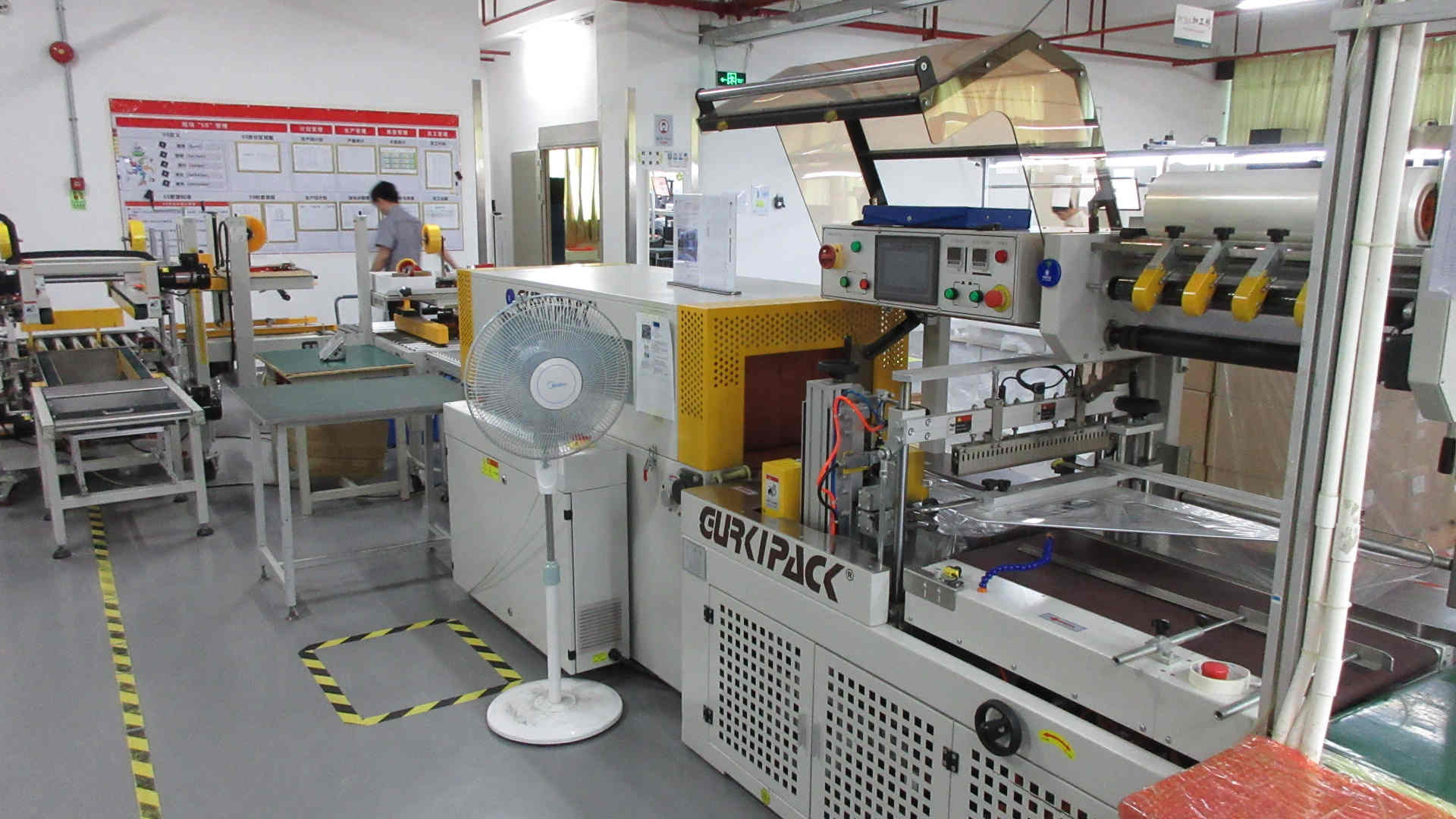
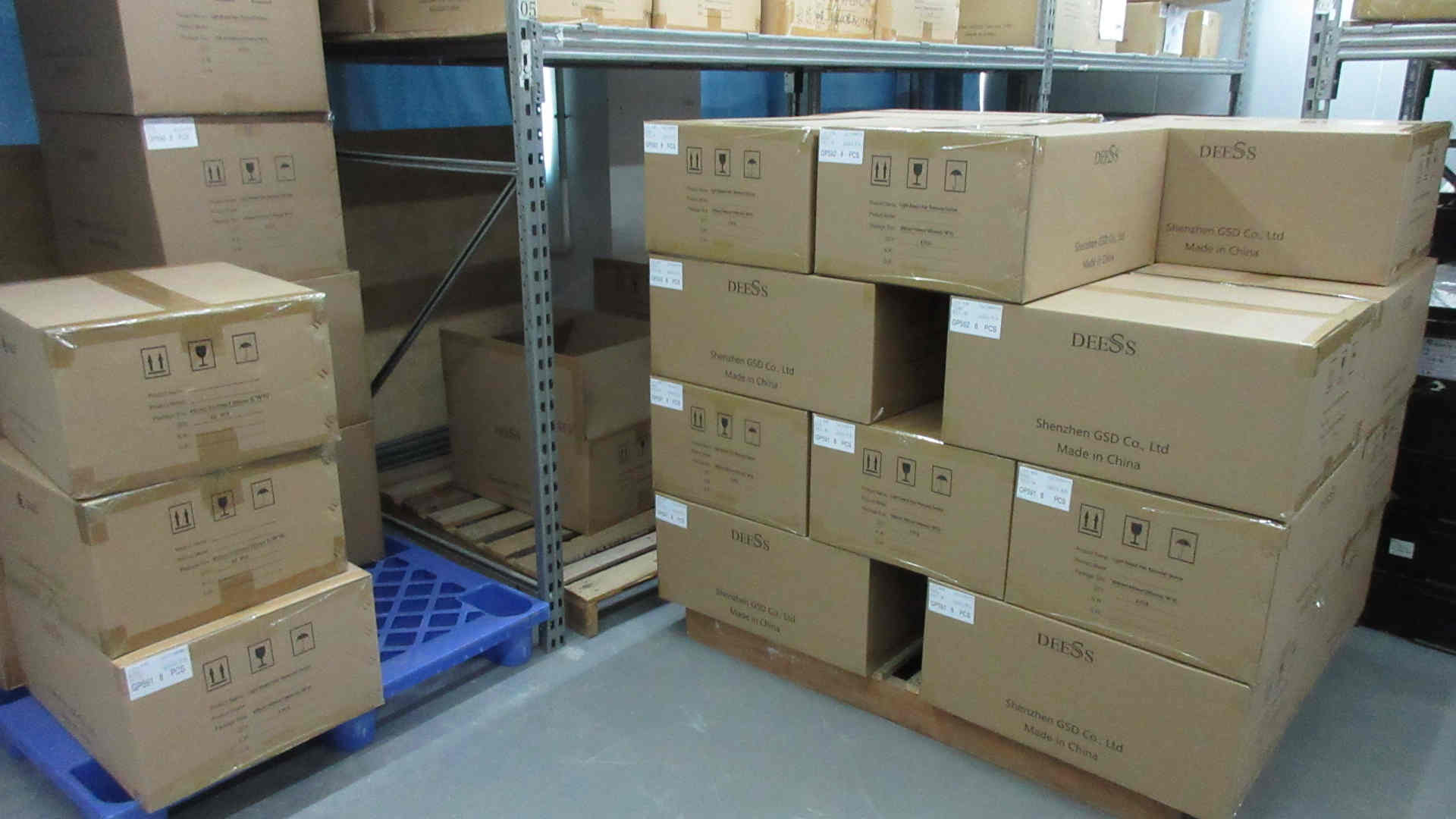
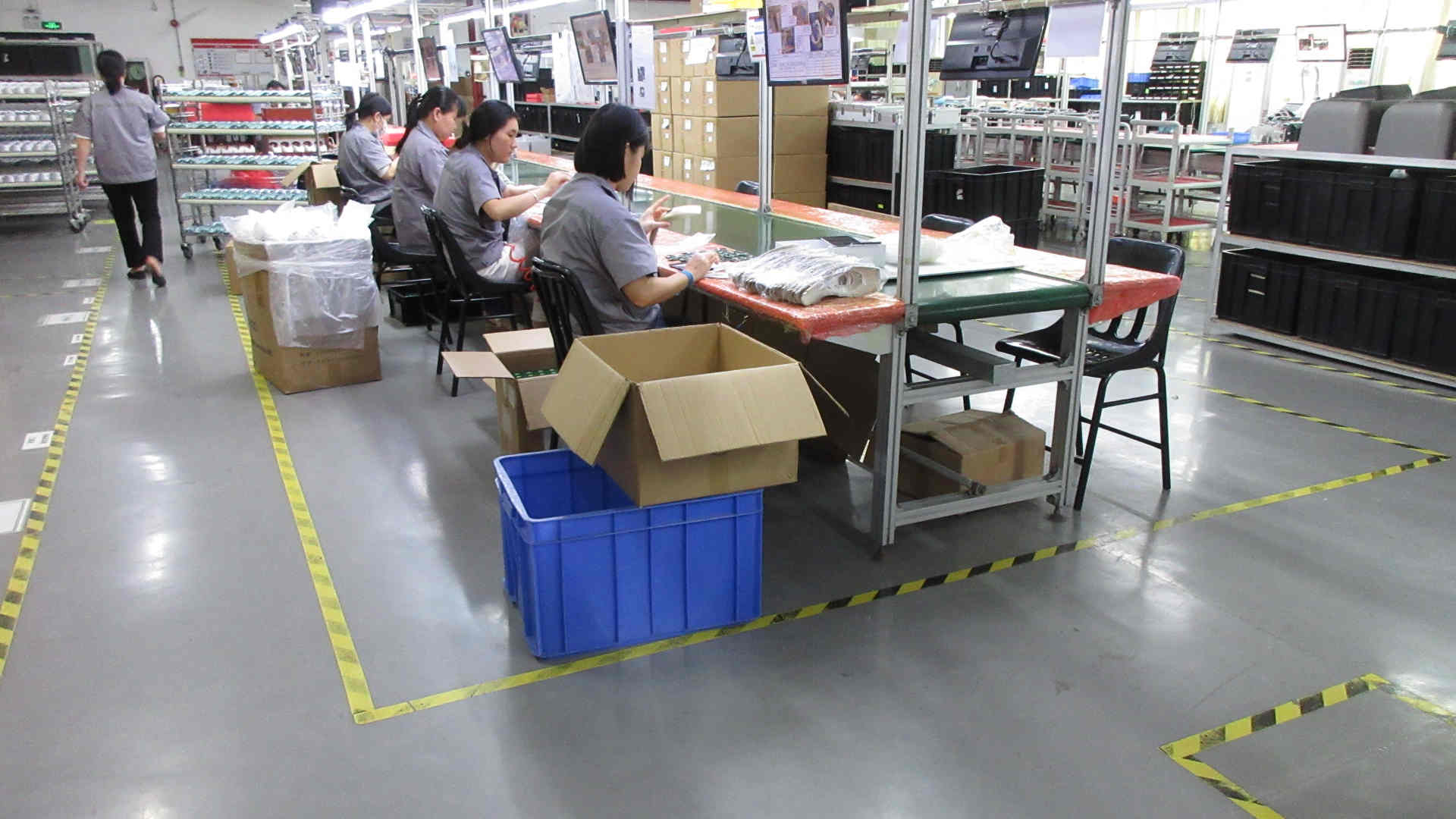
To maintain clinical reliability and reduce failure rates in high-use clinical environments, V-Cest Beauty maintains a strict 10-stage manufacturing pipeline. From Incoming Quality Control (IQC) to automated packing procedures, every stage undergoes diagnostic validation. This structured manufacturing approach ensures compliance with global medical device distribution standards.




When sourcing medical-grade microdermabrasion and hydro-facial equipment from China, international procurement officers, aesthetic distributors, and franchise clinical networks evaluate several critical technical parameters:
Basic systems rely on manual dial gauges, but modern B2B standards demand digital, closed-loop pressure monitoring. Our hydro-dermabrasion platforms offer micro-controlled vacuum range adjustments (typically between 60 kPa and 90 kPa), allowing operators to safely treat thin epidermal layers without capillary damage or bruising.
Sanitary design is a key requirement for modern clinics. Modern device configurations must feature dedicated dual-chamber fluid flow channels that isolate waste collection from clean serum inputs. Built-in automatic disinfection cycles prevent biofilm buildup inside the plumbing, ensuring compliance with strict environmental health standards.
Global distributors frequently request custom combinations, such as integrating hydro-dermabrasion with high-intensity focused ultrasound (HIFU), microneedling RF, or cold plasma. Choosing a manufacturer with modular internal configurations simplifies customization and reduces design engineering costs.
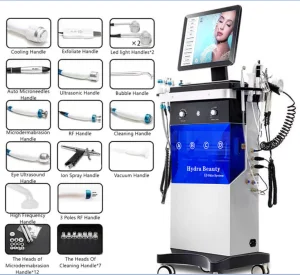
Modern clinics prioritize space utilization and high patient turnover. The demand for single-function microdermabrasion units has declined, replaced by multi-modality platforms that combine several treatment steps into a single workflow:
The international trade of aesthetic devices is subject to strict regulatory oversight. Aligning with manufacturers that meet global compliance standards prevents delays at customs and ensures safe clinical application:
V-Cest Beauty provides partners with complete certification portfolios, raw materials analysis reports, and safety dossiers. In addition, our localized after-sales system includes video technical support, modular spare-parts distribution, and comprehensive operational training materials. This structure helps distributors resolve technical issues quickly and maintain high machine uptime.
As the aesthetic industry adopts more data-driven technologies, the development roadmap for microdermabrasion and combined platforms focuses on several key trends:

 V-Cest Beauty