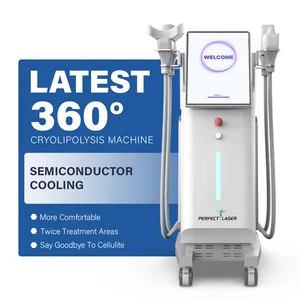
Explore our high-demand medical aesthetic devices utilizing cloud computing, multi-wavelength laser systems, cold plasma, and precision micro-resurfacing technology.
A professional exploration into mechanical, hydro, and laser-assisted cellular desquamation systems for global medical spa and clinic developers.
In modern aesthetic medicine, the term "exfoliation" has transcended basic cosmetic scrubbing. Today, it describes precise, engineered skin resurfacing pathways targeting the stratum corneum and upper papillary dermis to accelerate epidermal cell turnover, trigger neocollagenesis, and maximize transdermal delivery of bio-actives. As global demands for non-invasive aesthetic treatments continue to escalate, medical spas, dermatology clinics, and international distributors require a deeper understanding of the physical and mechanical principles underlying advanced exfoliation machines.
Beijing V-Cest Beauty Co., Ltd. stands as a preeminent pioneer in this clinical equipment manufacturing vertical. As a highly integrated international enterprise, we combine rigorous R&D with intelligent manufacturing processes to supply state-of-the-art aesthetic and beauty machines worldwide. By bridging advanced Chinese laser, radiofrequency (RF), and hydro-mechanical technologies with global clinical demands, we provide robust, high-performance systems optimized for safety, efficacy, and high return on investment (ROI).
Understanding the clinical synergy between mechanical abrasion, liquid infusion, and photo-thermal ablation.
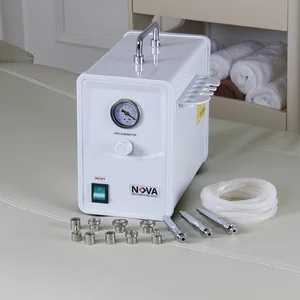
Hydro-dermabrasion utilizes specialized fluid kinetics combined with adjustable vacuum pressure to simultaneously exfoliate dead keratinocytes and infuse active therapeutic serums. The diamond-peel microdermabrasion system provides physical abrasion via laser-cut diamond tips, gently sweeping away the stratum disjunctum. This mechanical action stimulates blood flow, encourages lymphatic drainage, and increases localized cellular metabolism without damaging the underlying skin barrier.
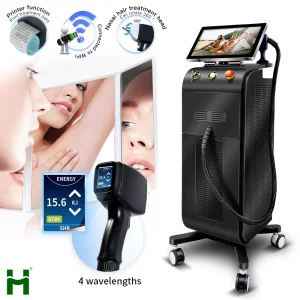
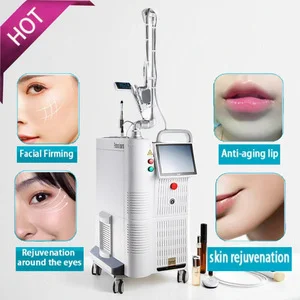
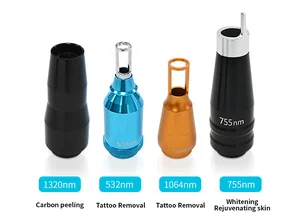
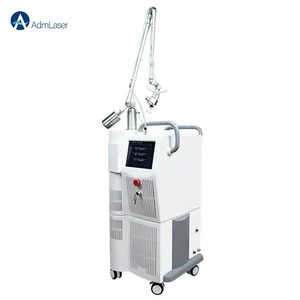
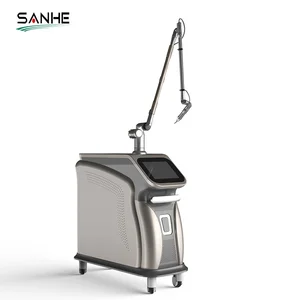
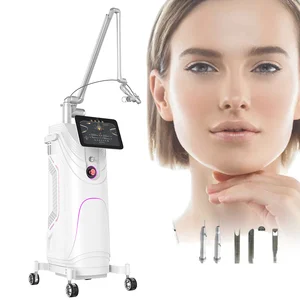
For deep tissue remodeling, photo-ablative technologies such as fractional CO2 (10600nm) and carbon-assisted Q-switched Nd:YAG (1064nm) lasers deliver unparalleled exfoliation. Carbon peeling applies a medical-grade carbon suspension to target pore interiors. Upon laser irradiation, the carbon particles vaporize instantly, removing dead skin cells, clearing sebum, and shrinking pore walls. Fractional CO2 lasers create micro-thermal zones, vaporizing columns of damaged skin to trigger collagen synthesis.
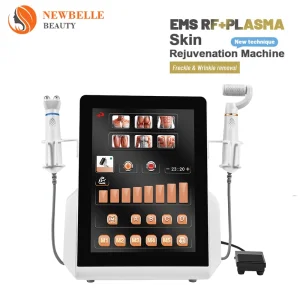
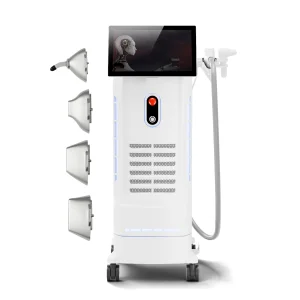
Combining cold plasma jet technology with fractionated RF energy offers a non-ablative exfoliation alternative. Cold plasma uses dielectric barrier discharge (DBD) to ionize atmospheric gas, generating highly reactive oxygen and nitrogen species (ROS/RNS) that sterilize the surface, break down cellular debris, and temporarily alter skin barrier permeability. Microneedling RF delivers radiofrequency energy to controlled depths, bypassing the stratum corneum to treat wrinkling, acne scars, and laxity.
By combining these modalities, practitioners can design customized multi-stage clinical protocols. For example, a treatment plan might begin with mild mechanical hydro-exfoliation to clear superficial lipids and dead skin cells, followed by fractional CO2 resurfacing or picosecond laser carbon peeling. This dual approach ensures optimal energy delivery to deeper target chromophores while minimizing downtime and avoiding post-inflammatory hyperpigmentation (PIH).
E-E-A-T Principle in Practice: Documenting our step-by-step industrial manufacturing workflow, rigorous quality testing, and packing standards.
Reliability in medical aesthetic manufacturing is not merely a marketing claim; it is verified through strict quality assurance protocols at every stage of the assembly line. At Beijing V-Cest Beauty Co., Ltd., our manufacturing facility follows an advanced vertical integration structure. Each machine—whether a multi-wavelength picosecond laser system or a precise hydro-dermabrasion unit—must pass ten critical stages of validation before leaving the factory floor.
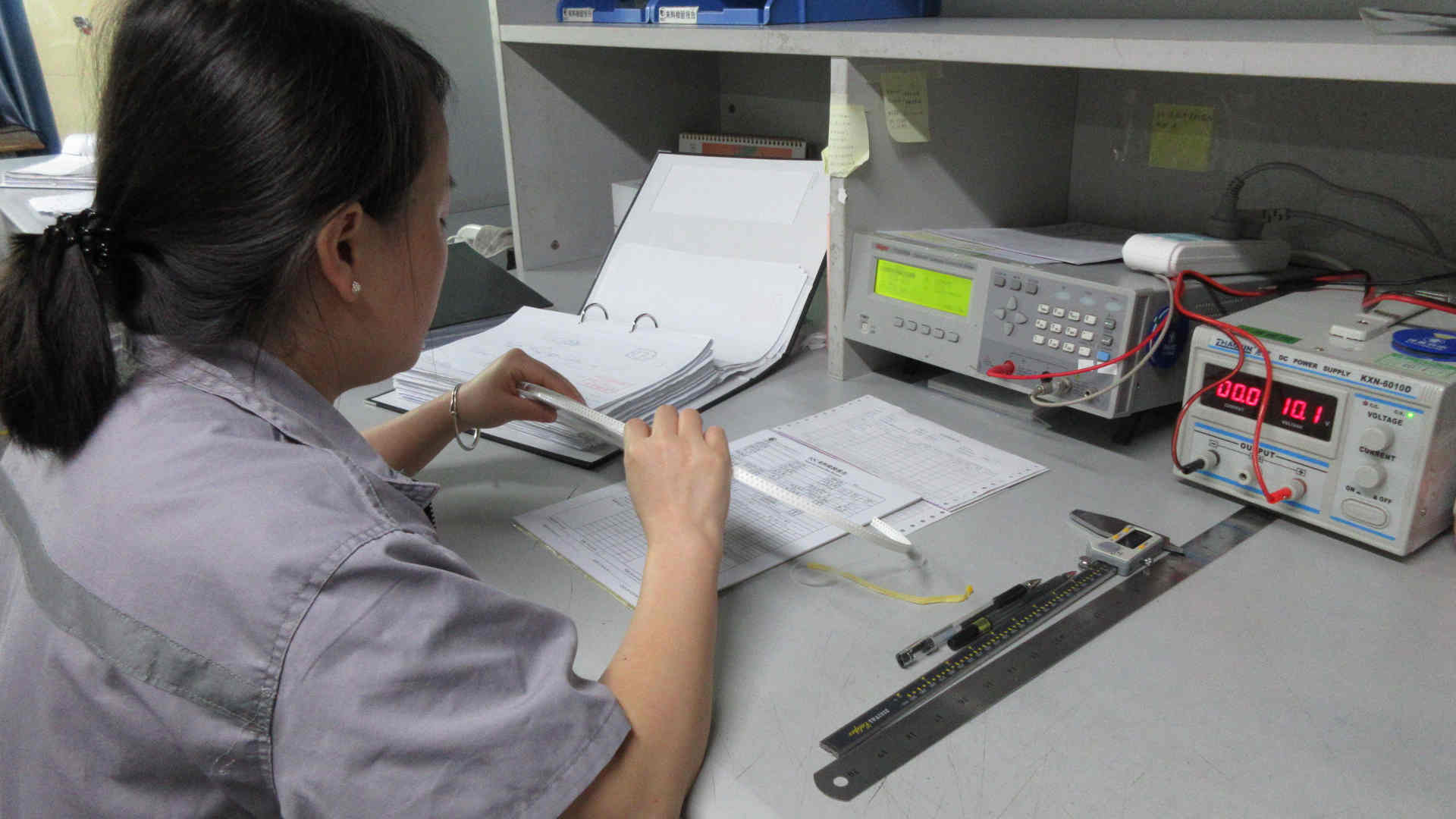
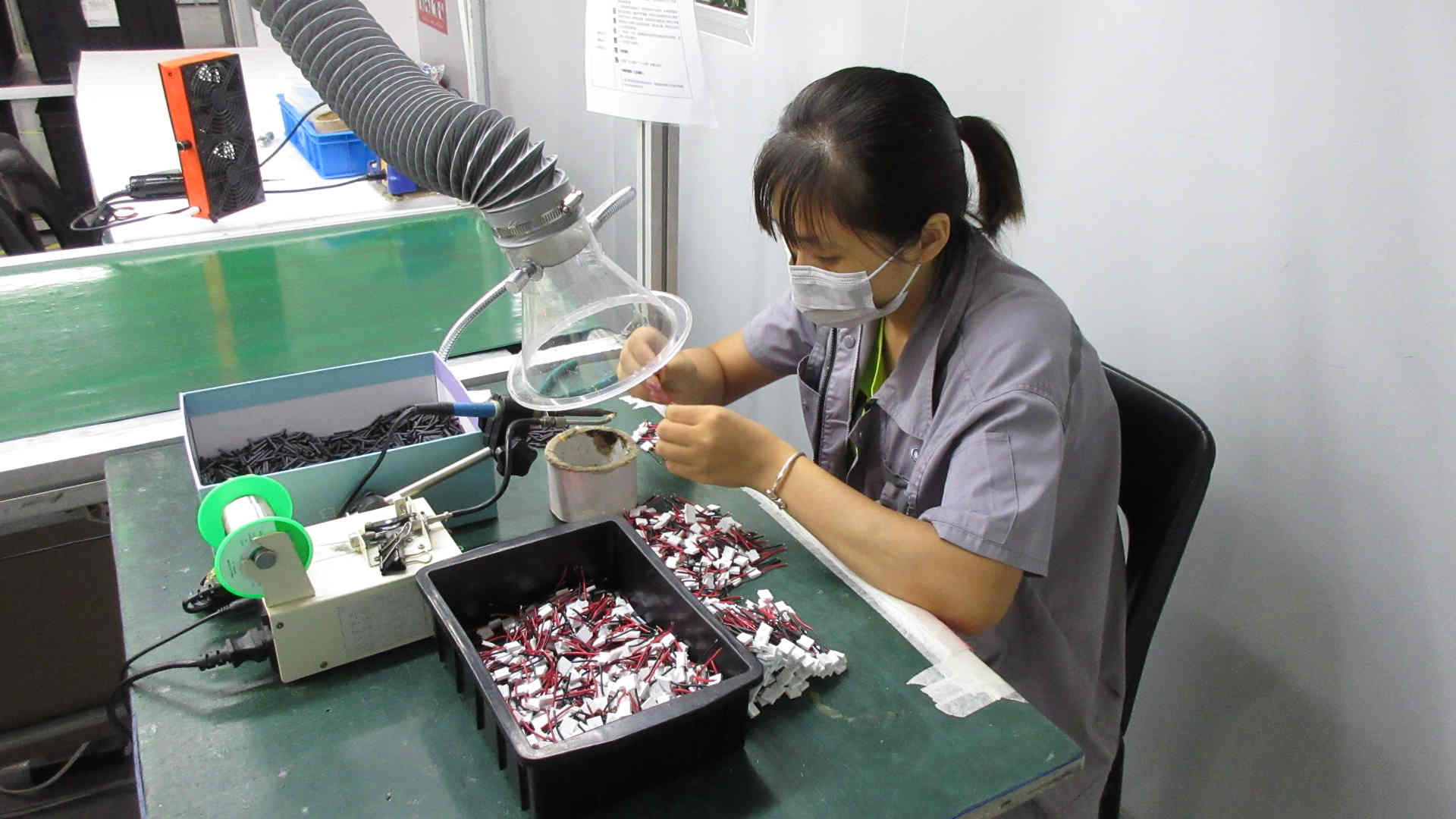
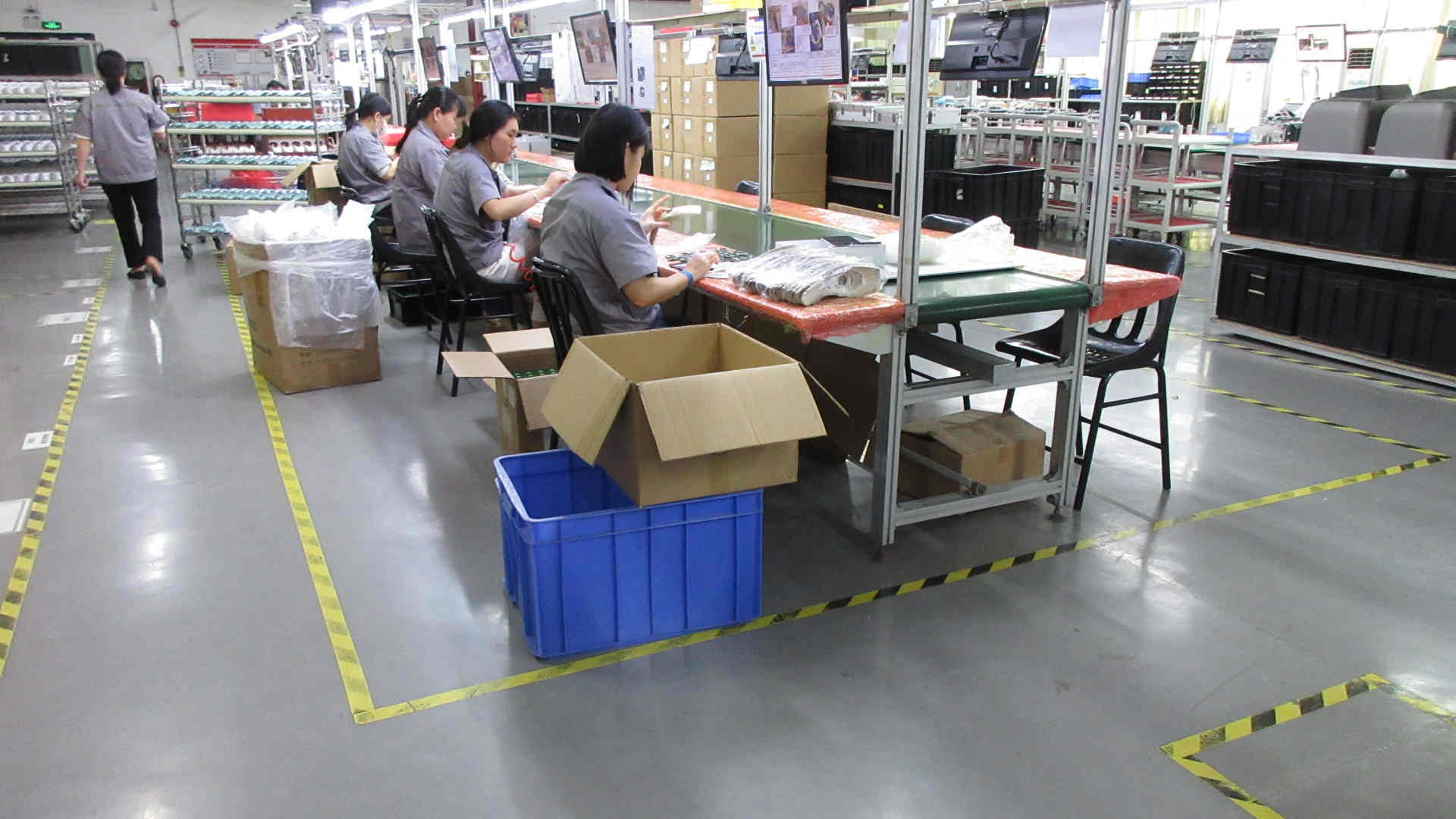
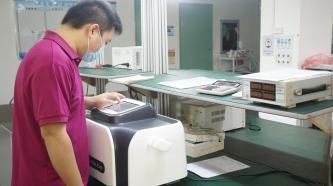
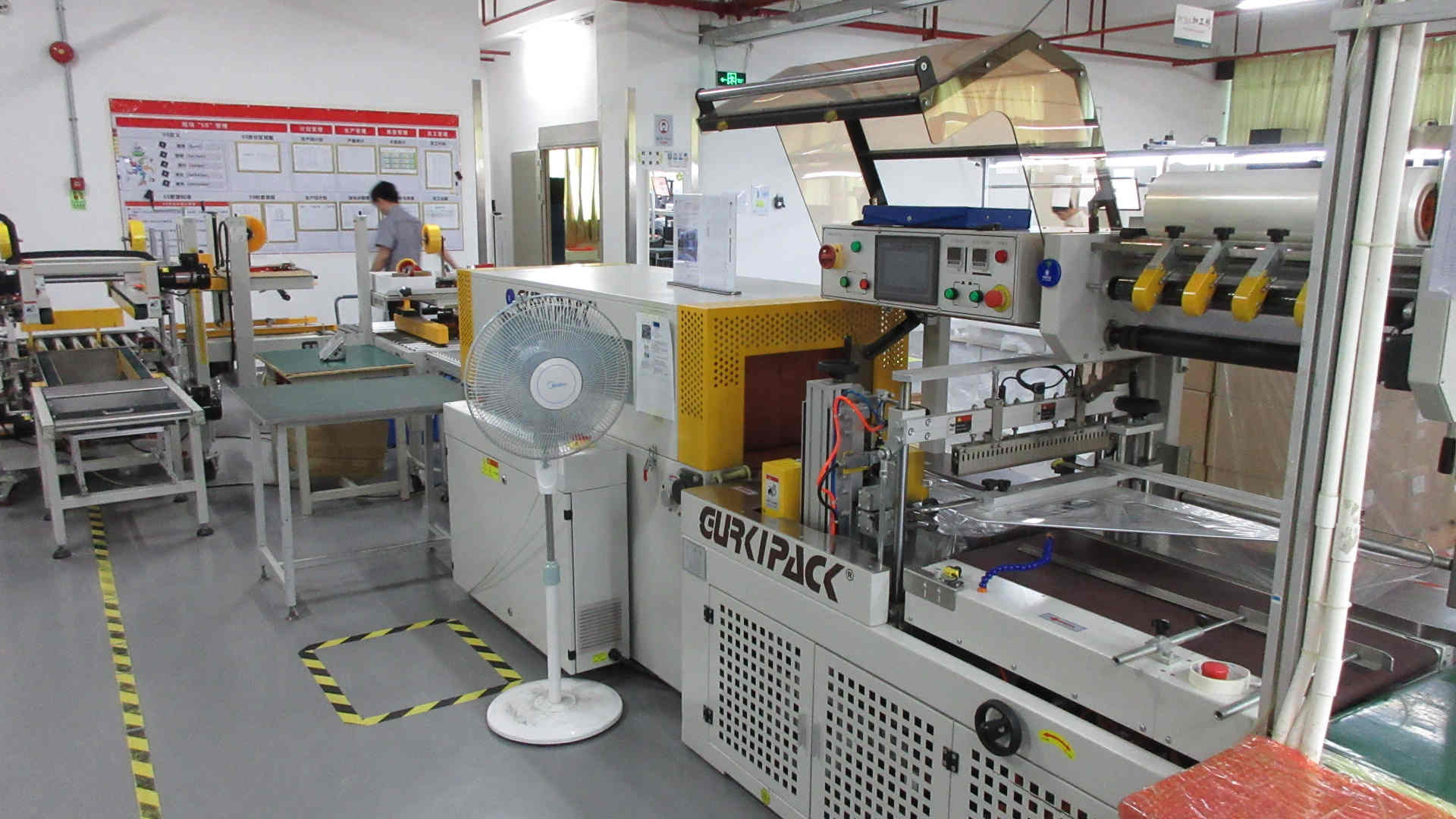
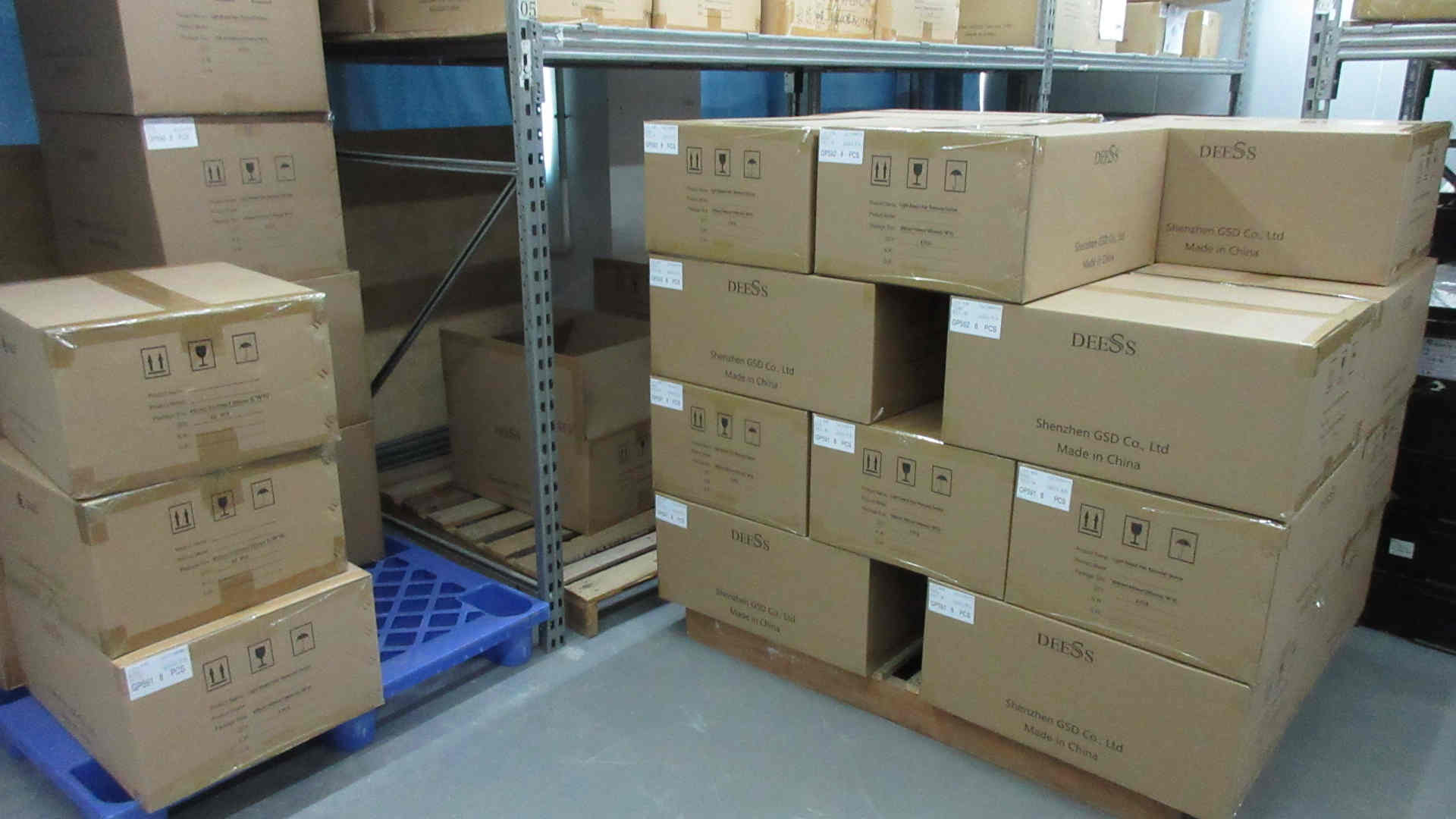
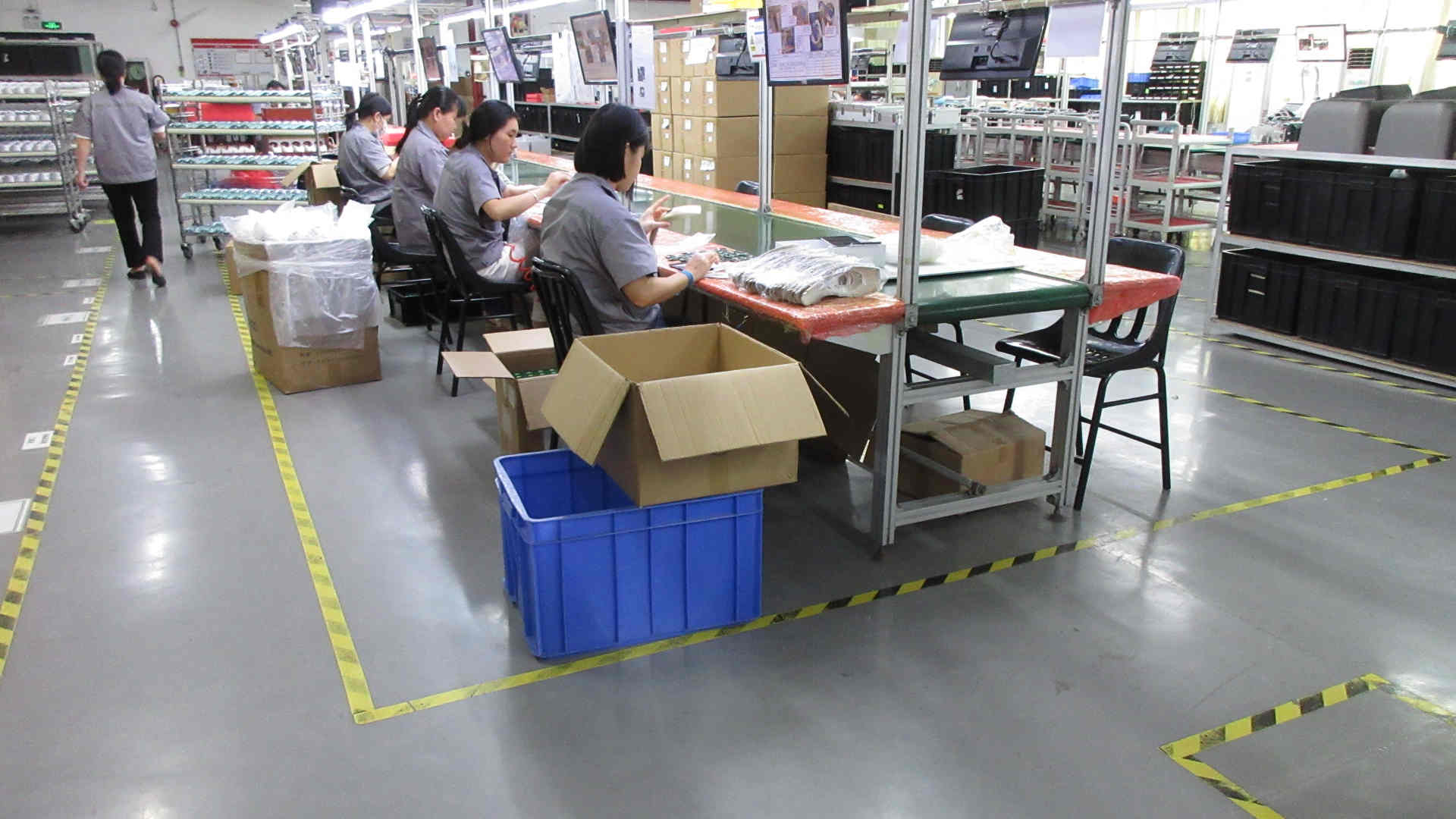
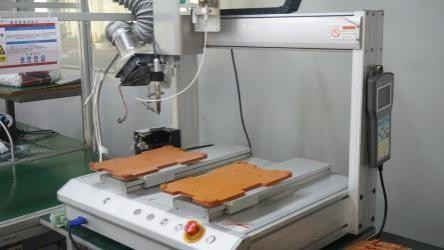
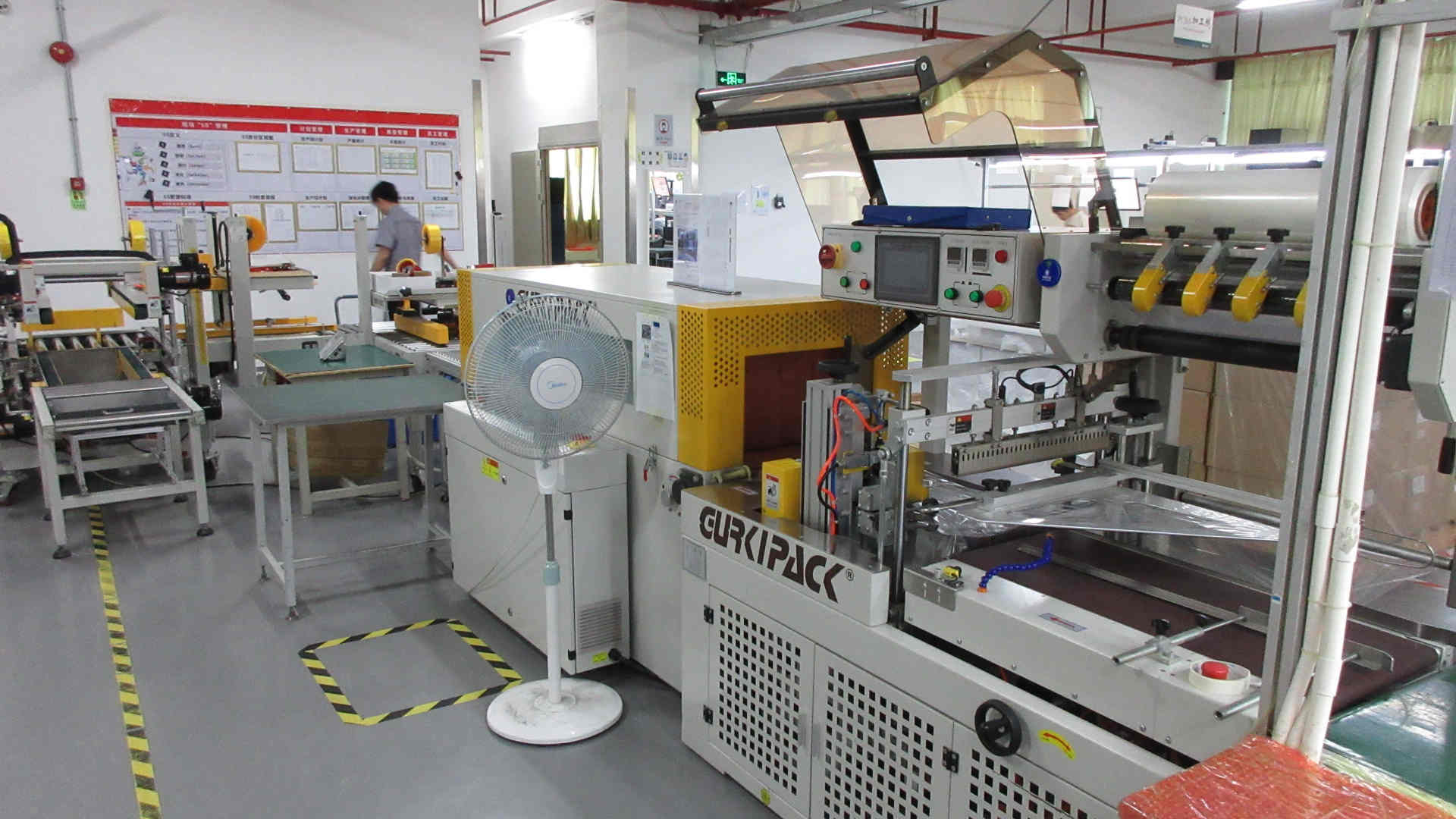
Our QC process begins with Incoming Quality Control (IQC), where we verify all electrical components, mechanical switches, laser diodes, and sub-assemblies against strict specifications. Following verification, components go through automated and high-precision manual welding stations to construct core electrical and fluid networks. During assembly, components are housed in durable, medical-grade, electromagnetic interference (EMI) shielded chassis.
Assembled systems are placed in active aging chambers for 48 to 72 hours of continuous testing. Here, the machines operate under thermal and voltage stress tests to simulate high-volume usage in busy clinical environments. After aging, Final Quality Control (FQC) checks parameters such as laser power output, wavelength stability, RF impedance matching, and vacuum pressure precision. Finally, the systems are placed in multi-layered, shockproof protective flight cases and packed using automated wrapping systems to ensure safe transport via air, sea, or land freight.
How aesthetic operators and equipment distributors manage regional market dynamics, regulatory compliance, and localized operations.
The global demand for non-surgical aesthetic procedures—specifically skin resurfacing and high-efficiency exfoliation—has shifted from a luxury offering to a core service. According to global cosmetic surgery reports, laser skin resurfacing and chemical/mechanical exfoliation consistently rank among the top five non-invasive cosmetic procedures. This growth is driven by a broad patient base seeking zero-downtime treatments, pre-event skin brightening, and effective solutions for acne and aging skin.
Different regions present unique clinical needs and buying criteria. In mature markets (such as Western Europe and the United States), compliance with medical regulations like the CE MDR and FDA guidelines is critical. Providers prioritize features like treatment tracking, patient profiling, and cloud-connected diagnostics. In contrast, emerging markets (including Central Asia, the Middle East, and Latin America) place a premium on robust, multi-functional systems that combine multiple modalities into a single footprint. These clinics rely on high-durability machines that can handle continuous operation under varying electrical standards.
One major challenge in global equipment distribution is ensuring compatibility with local power grids. Beijing V-Cest Beauty Co., Ltd. addresses this by offering multi-voltage, autosensing power supplies and native support for diverse global plugs. Our systems accommodate standard US 110V/60Hz configurations, European 220V/50Hz grids, and customized requirements for South American or Middle Eastern regions. Furthermore, our machines feature localized software interfaces, offering user interfaces in English, Spanish, Russian, Arabic, and other regional languages to simplify training and patient management.
Anticipating the next technological shifts: AI integration, cloud-supported aesthetics, and multi-spectral diagnostic feedback loops.
The field of professional exfoliation and resurfacing systems is evolving beyond static hardware. Future innovations will focus on real-time physiological feedback and connected ecosystems. Beijing V-Cest Beauty Co., Ltd. is actively directing R&D efforts toward three core technology trends:
Next-generation platforms will integrate real-time optical sensors to continuously assess hydration levels, epidermal thickness, and melanin content. By combining this diagnostic data with AI algorithms, the machine automatically calibrates vacuum suction levels, laser pulse frequency, and RF thermal energy. This real-time calibration optimizes treatment efficacy while minimizing the risk of epidermal burns, skin tearing, or post-inflammatory hyperpigmentation.
Our 2025 cloud-computing-enabled systems allow clinic owners and distributors to manage device fleets remotely. Real-time logging of daily treatment logs, diode usage hours, pulse emissions, and vacuum pump efficiency helps prevent unscheduled downtime. Furthermore, remote diagnostics enable our engineers in Beijing to push firmware updates, check system health, and diagnose mechanical or electronic faults without requiring on-site technicians.
By investing in these smart connected technologies, Beijing V-Cest Beauty Co., Ltd. helps our partners future-proof their operations. This approach ensures clinics can offer personalized, data-backed aesthetic treatments that build patient confidence and support long-term practice growth.
Critical purchasing questions answered for aesthetic clinic directors, import managers, and distribution partners.
Explore our specialized systems for dermabrasion, carbon laser peeling, and targeted physical therapies.
 V-Cest Beauty