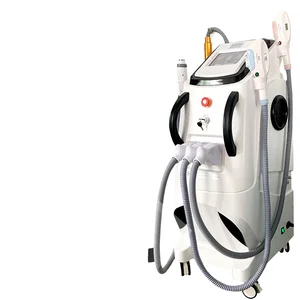
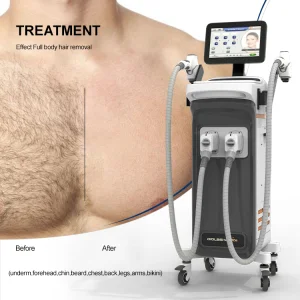
Four highly optimized clinical platforms engineered to withstand high ambient humidity and diverse skin phototypes.
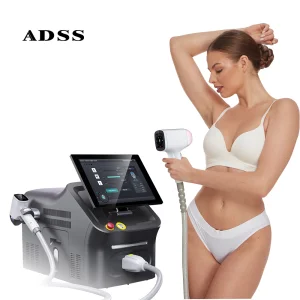
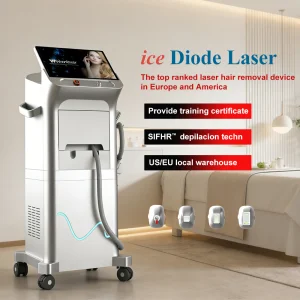
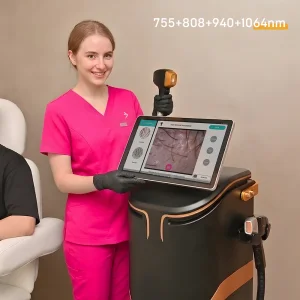
Malaysia's aesthetic medical sector is undergoing a rapid transition. In urban centers like Kuala Lumpur, Penang, Johor Bahru, and Kota Kinabalu, the demand for non-invasive cosmetic treatments is rising, driven by increasing disposable income, urban lifestyle influences, and a strong culture of self-care. Among these treatments, laser hair removal has transitioned from a premium luxury service to a standard grooming requirement.
However, the Malaysian demographic presents a complex clinical challenge. The country's multi-ethnic population (comprising Malay, Chinese, and Indian ethnicities, along with a significant expat community) spans across Fitzpatrick Skin Types III to VI. Standard single-wavelength laser systems (such as legacy 808nm or 755nm Alexandrite lasers) are often insufficient or present elevated risks of Post-Inflammatory Hyperpigmentation (PIH) when applied to darker skin tones (specifically Fitzpatrick Types V and VI, common among Malay and Indian demographics). This has created a strong demand for multi-wavelength (755nm / 808nm / 940nm / 1064nm) systems that can be precisely calibrated to different skin profiles.
In addition to clinical challenges, the tropical climate in Malaysia—characterized by constant temperatures between 25°C and 33°C and relative humidity levels often exceeding 80%—imposes thermal stress on aesthetic hardware. Traditional cooling mechanisms can easily fail or experience condensation problems inside the handpiece casing. This can cause electrical short circuits or lead to rapid degradation of the diode bars. As a result, sourcing equipment from factories that design specifically for tropical climates is a key technical requirement for Malaysian distributors and clinic chains.
A detailed look at the clinical science of 755nm, 808nm, 940nm, and 1064nm laser physics.
The 755nm Alexandrite wavelength has high melanin absorption, making it suitable for fair skin (Fitzpatrick Type I-III) and fine, light hair. The 808nm Classic Diode offers deep penetration into the hair follicle with moderate melanin absorption, providing a balanced profile for standard hair removal across Fitzpatrick Types III and IV.
The 940nm wavelength targets oxyhemoglobin, coagulating the microvessels that feed nutrients to the hair follicle. This limits hair regeneration without relying solely on melanin absorption, providing a safety margin for darker skin tones.
The 1064nm wavelength has low melanin absorption and deep tissue penetration, bypassing epidermal melanin to target the follicle bulb directly. This is crucial for Fitzpatrick Types V and VI, helping to prevent epidermal burns and post-inflammatory hyperpigmentation.
By utilizing a single-handpiece, multi-wavelength configuration, clinicians in Malaysia can treat a wider range of patients with one device. The system balances energy delivery among the wavelengths, protecting the skin surface while delivering thermal energy to the follicle. This versatility makes these devices a strategic asset for medical spas in Southeast Asia.
Partnering with a vertically integrated aesthetic manufacturer to supply high-performance clinical hardware to the global market.
Beijing V-Cest Beauty Co., Ltd. is an international enterprise specializing in the R&D and global export of aesthetic and beauty equipment. The company exports aesthetic technologies and manufacturing capabilities to international markets. Its core product line focuses on professional medical-grade devices, covering applications such as laser hair removal, anti-aging, skin rejuvenation, tightening, and body contouring, providing equipment solutions for beauty clinics, distributors, and brand partners worldwide.
Using an integrated supply chain, Beijing V-Cest Beauty manages the product development, quality control, and testing phases. The company designs its devices to meet international standards of safety, stability, and clinical efficacy. For the Malaysian market, V-Cest integrates customized features, including:
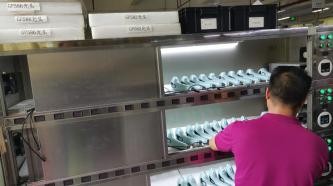
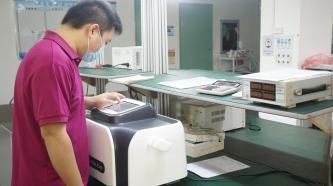
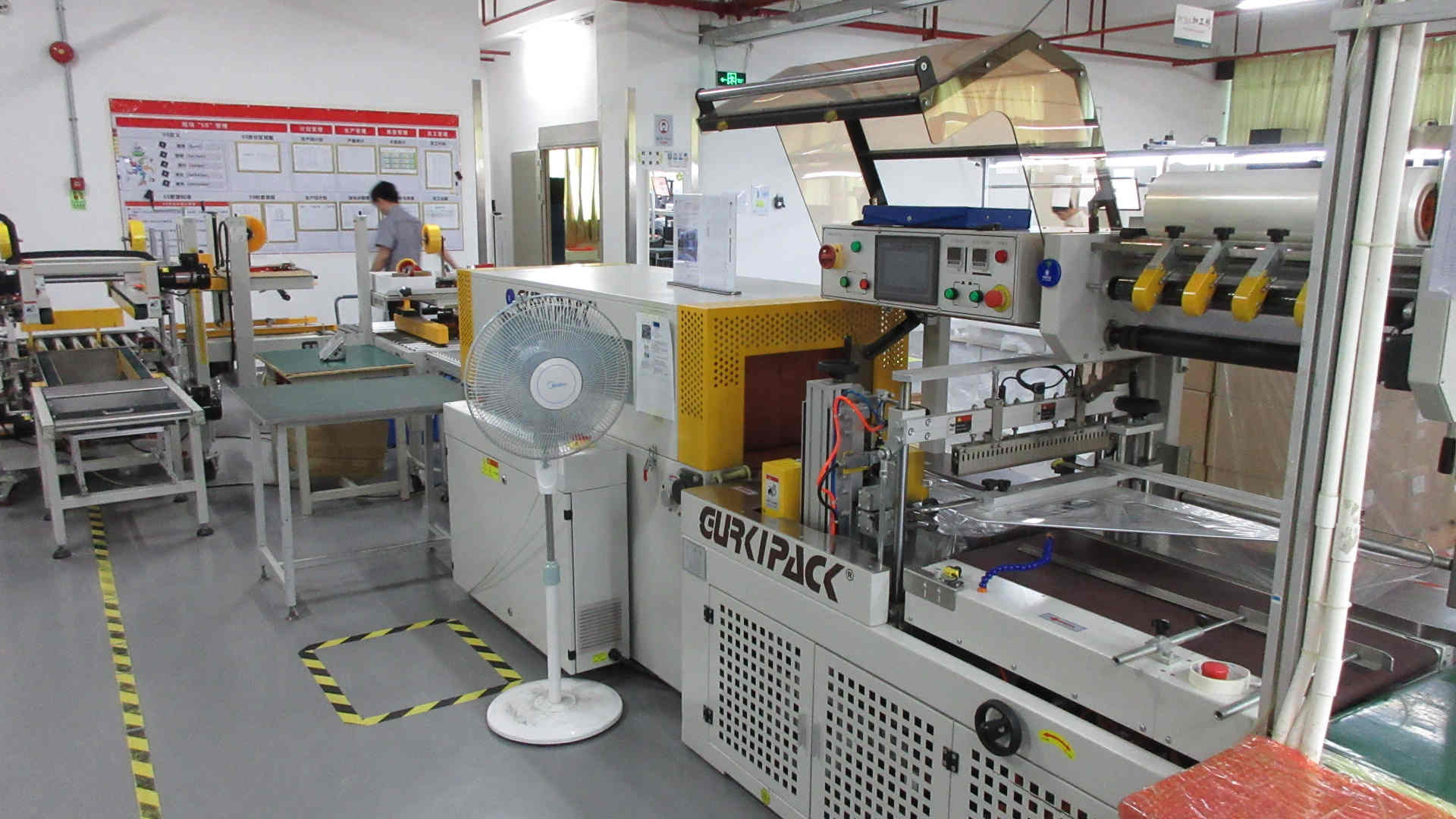
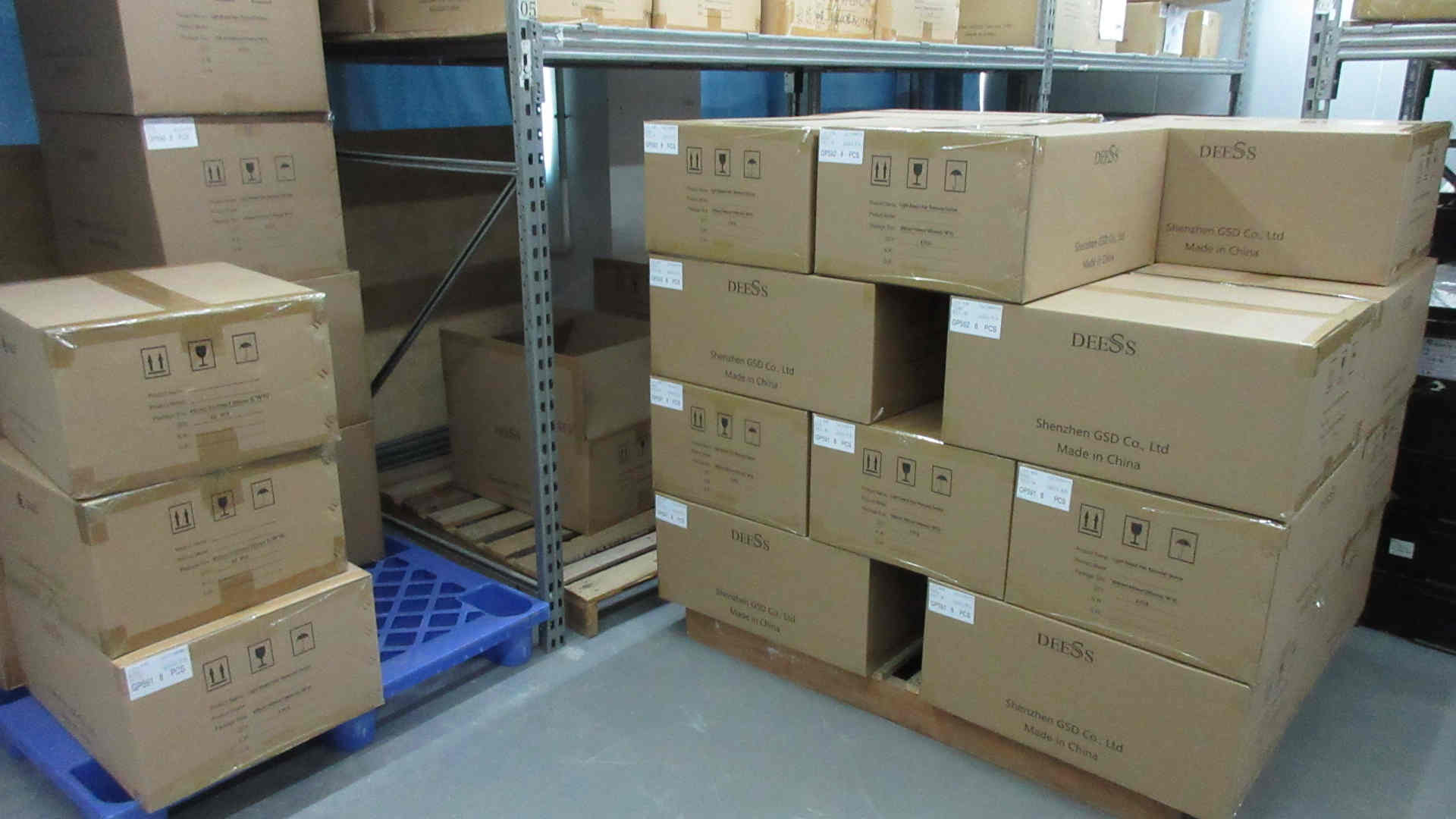
A step-by-step look at our production and quality control processes, ensuring reliable performance in demanding clinic environments.
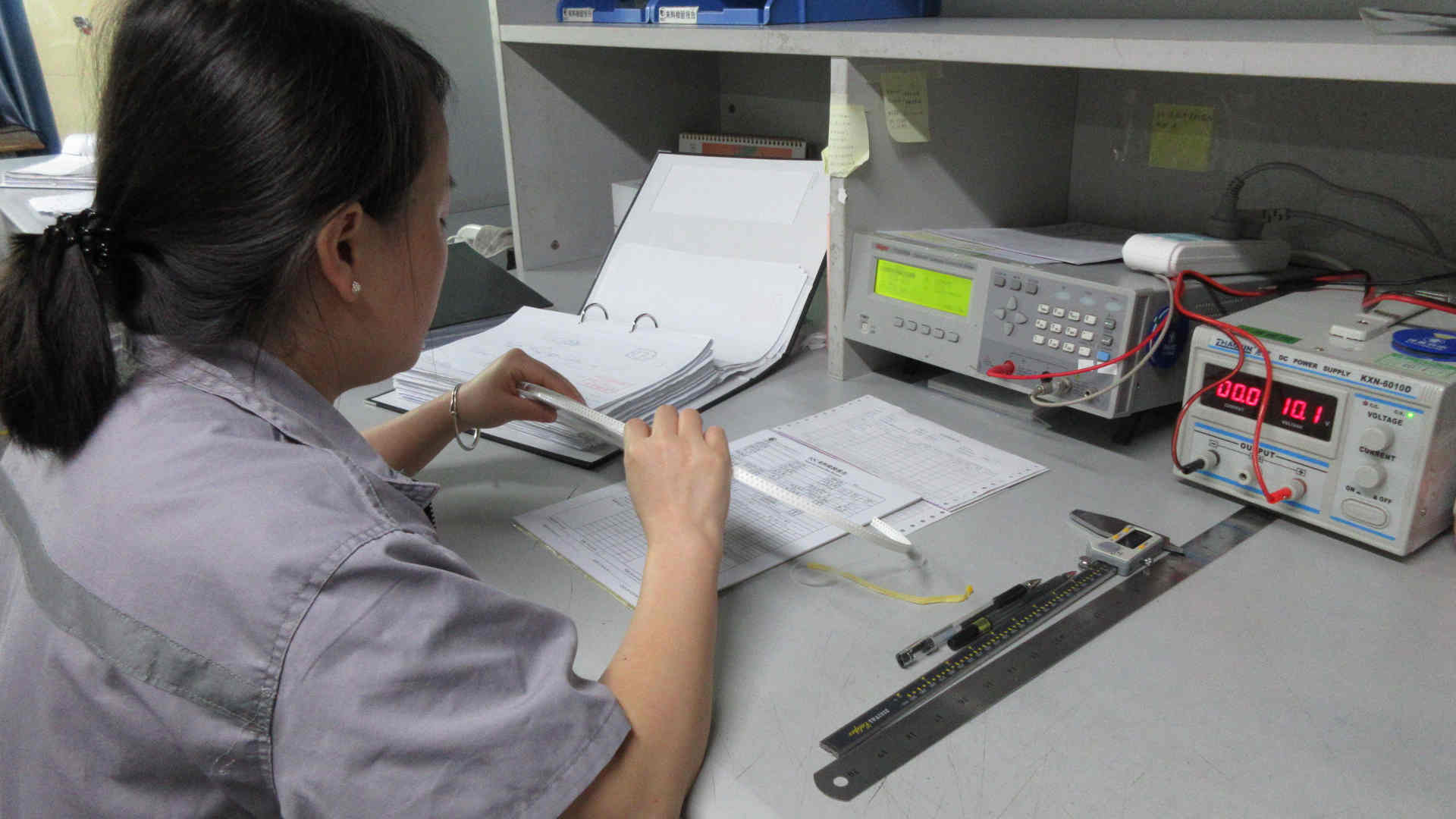
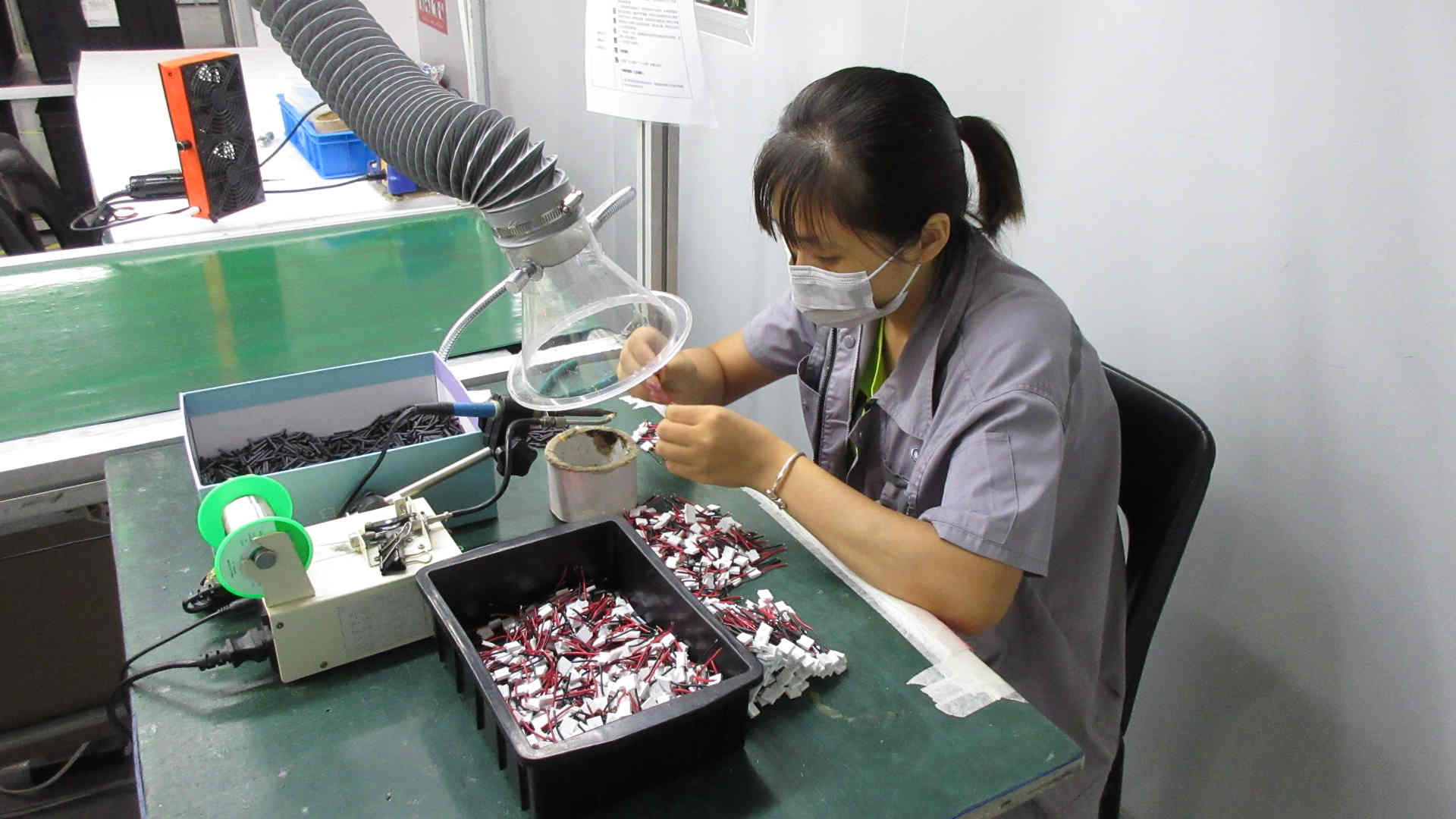
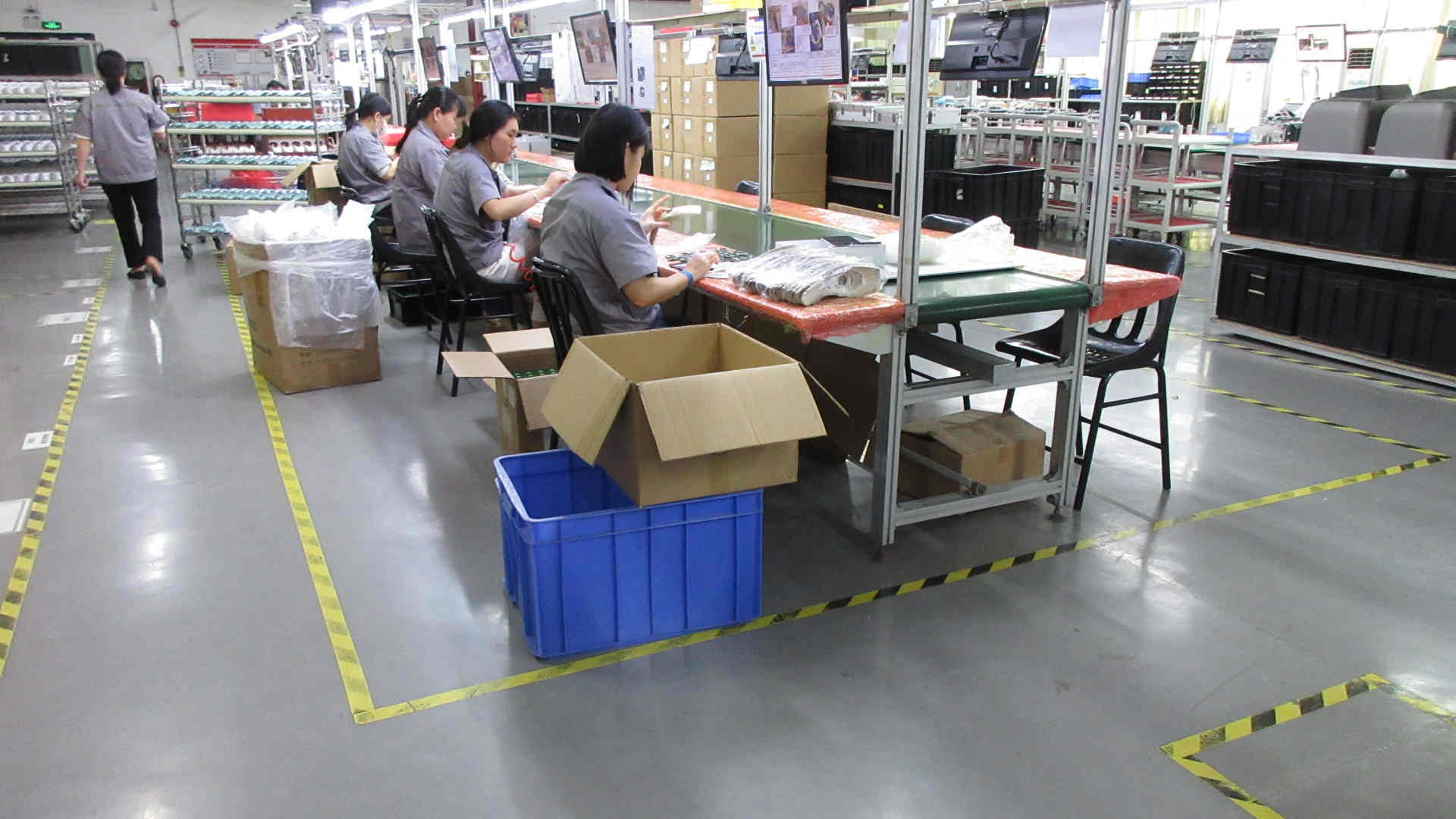
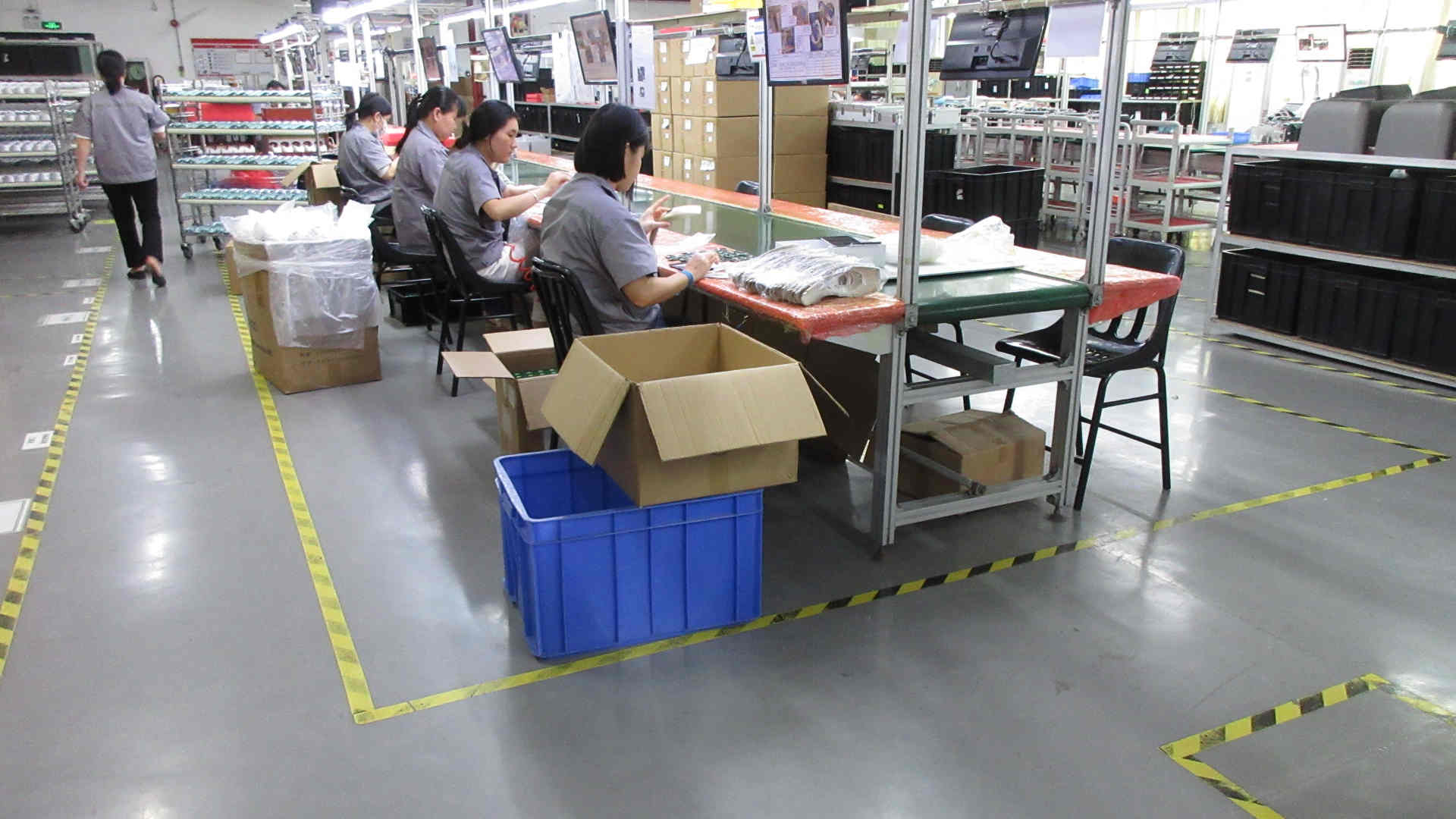
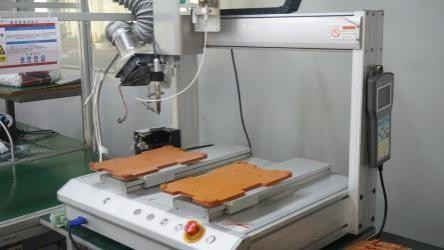
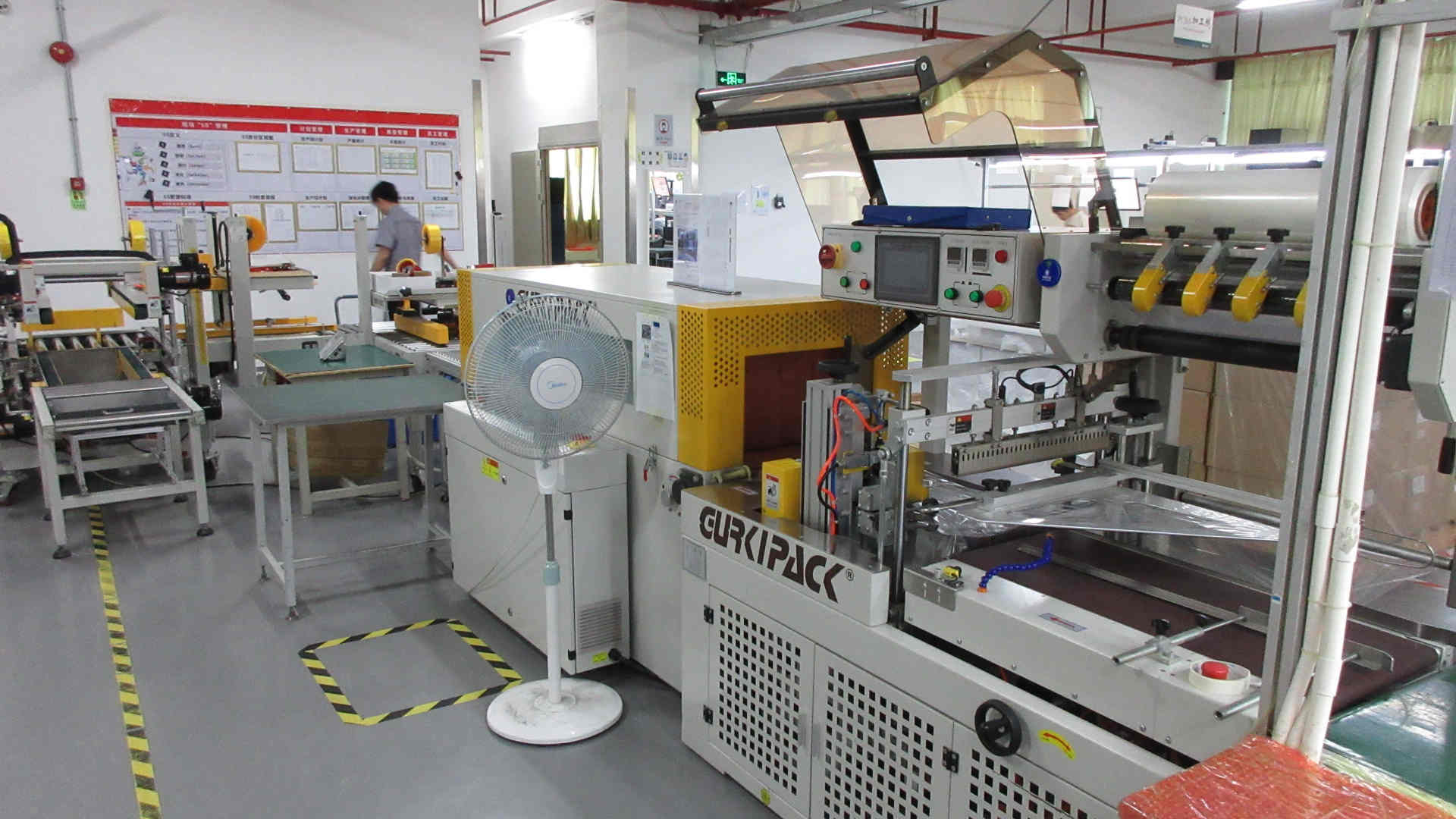
How high-humidity and high-temperature environmental requirements are managed through hardware design.
Operating a professional diode laser in Kuala Lumpur or Johor Bahru requires high thermal stability. The combination of ambient temperatures exceeding 30°C and humidity levels near 90% can affect water-cooled electronics.
High humidity can cause water droplets to condense on the surface of the laser windows when the handpiece cooling is active. V-Cest systems use a Direct Cooling System (DCS) to monitor the dew point in the room and adjust the chiller power, helping to prevent moisture buildup while maintaining skin contact temperature at -5°C to -10°C.
Because the micro-channels in German Dilas diode bars are only micrometers wide, mineral deposits can block water flow and cause localized overheating. Our systems incorporate dual ion-exchange and particulate filters, keeping water purity high and extending the lifespan of the laser stack.
Unlike standard thermoelectric coolers (TEC) which struggle to drop water temperatures in warm climates, our high-power systems utilize active compressor-driven refrigeration units. This enables stable, continuous operation during back-to-back clinical appointments, even during hot afternoons.
Understanding the financial and operational metrics when investing in Chinese diode laser systems.
When evaluating manufacturers, medical distributors and clinic groups look at the Total Cost of Ownership (TCO). A key metric is the cost per million shots. High-end Chinese factories, like Beijing V-Cest Beauty, leverage regional component supply chains to offer competitive prices. This allows clinic owners to achieve ROI more quickly compared to purchasing European systems.
| Technical / Financial Metric | V-Cest Premium Platform | Industry Standard Systems | Impact on Clinic ROI |
|---|---|---|---|
| Average Diode Lifespan | 100 Million Shots | 20 - 40 Million Shots | Reduces the frequency of handpiece replacements by half. |
| Peak Output Power | 1800W - 4000W Options | 800W - 1200W | Shorter pulse widths permit higher fluences, improving clinical results. |
| Cooling Loop System | Active Compressor + TEC | Passive Radiator Fans | Enables continuous operation during high-volume clinic hours. |
| OEM/ODM Customization | Hardware & Software UI | Fixed Brand Chassis | Enables localized branding and customizable clinical presets. |
By optimizing the heat dissipation systems and manufacturing quality, our factory reduces technical issues down to <1.5% in the first two years of use. This reduction in downtime protects clinic revenue and supports stable client scheduling, which is vital for building trust in the competitive local aesthetics industry.
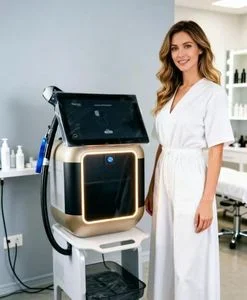
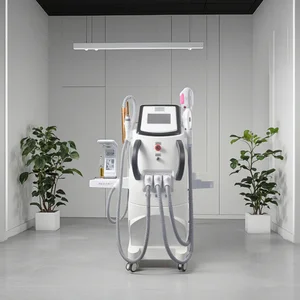
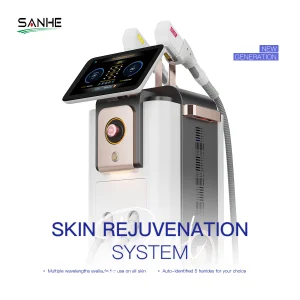
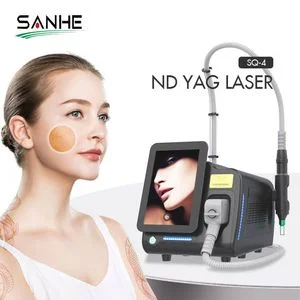
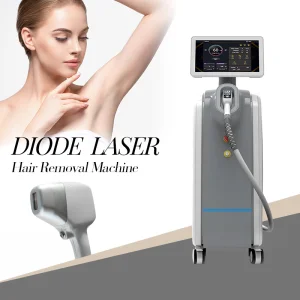
Our complete portfolio of laser devices, including high-power diode platforms, Nd:YAG systems, and DPL skin technologies.
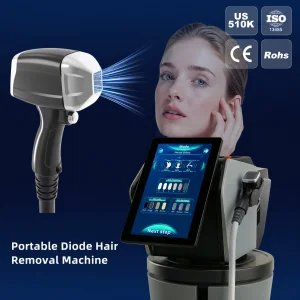

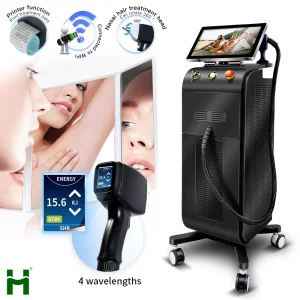
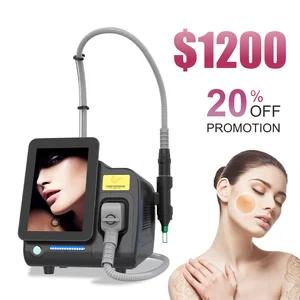
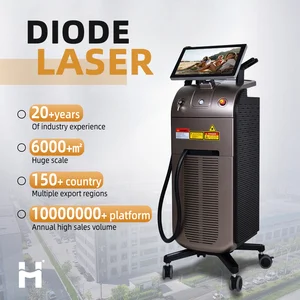
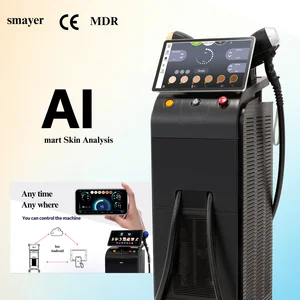
Answers to key regulatory, logistical, and technical questions from clinic owners and local distributors.
Connect with our technical engineering division to receive detailed specifications, factory pricing, and customized OEM/ODM design packages for the Malaysian aesthetic market.
 V-Cest Beauty