Engineered for peak output stability, minimum thermal diffusion, and maximum clinical throughput in the demanding Australian market.
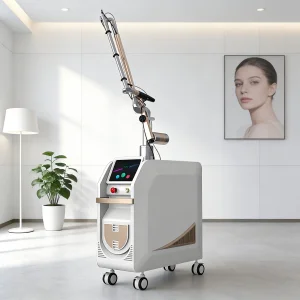
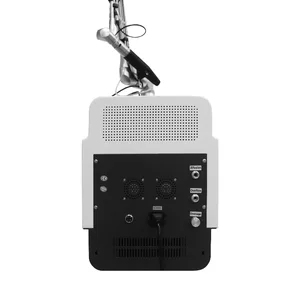
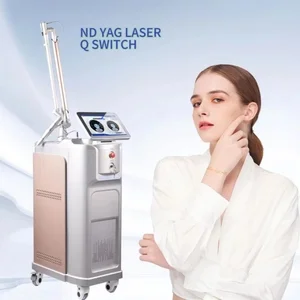
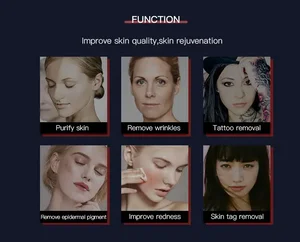
The Australian medical aesthetics market is characterized by exceptionally high standards of clinical performance, regulatory vigilance, and unique patient demographics. Driven by a high solar ultraviolet index and a deeply rooted culture of body art, Australian clinics face an unprecedented demand for two primary treatment vectors: photorejuvenation/pigmentary treatment and multi-colored tattoo removal.
In Australia, cosmetic and medical lasers are regulated by the Therapeutic Goods Administration (TGA) under the Therapeutic Goods Act 1989. Picosecond laser machines, typically categorized as Class IIb medical devices, require rigorous compliance files. As a global exporter, Beijing V-Cest Beauty ensures that our manufacturing processes align with international benchmarks like ISO 13485, CE, and FDA guidelines, facilitating smoother import clearance and local compliance documentation for Australian distributors and high-volume medical aesthetic networks.
When Australian clinic owners search for a reliable Picosecond Laser Machine Exporter, their core intent goes beyond finding the cheapest system. They seek answering critical operational challenges: Can this device withstand continuous operation in hot Australian summers? Does it produce a true photoacoustic effect rather than relying on photothermal energy, which carries a higher risk of post-inflammatory hyperpigmentation (PIH) on Fitzpatrick Skin Types III-VI? How fast can replacement handpieces and components reach major hubs like Sydney, Melbourne, Brisbane, or Perth?
Conventional Q-Switched Nd:YAG lasers function via photothermal action, heating targeted pigment particles to disintegrate them. However, this thermal conduction to surrounding tissues can cause epidermal blistering, scarring, and PIH, especially on sun-damaged skin profiles typical in Australia.
Our advanced picosecond systems operate within the realm of the photoacoustic effect. By compressing energy into ultra-short pulses (less than 450 to 750 picoseconds), the peak power becomes so immense that target chromophores (ink or melanin) undergo instantaneous thermal expansion, producing a localized shockwave. This literally pulverizes the pigment into a microscopic "dust" that is rapidly cleared by the lymphatic system.
A transparent look at Beijing V-Cest Beauty's production workflow, demonstrating the engineering rigor backing every exported system.
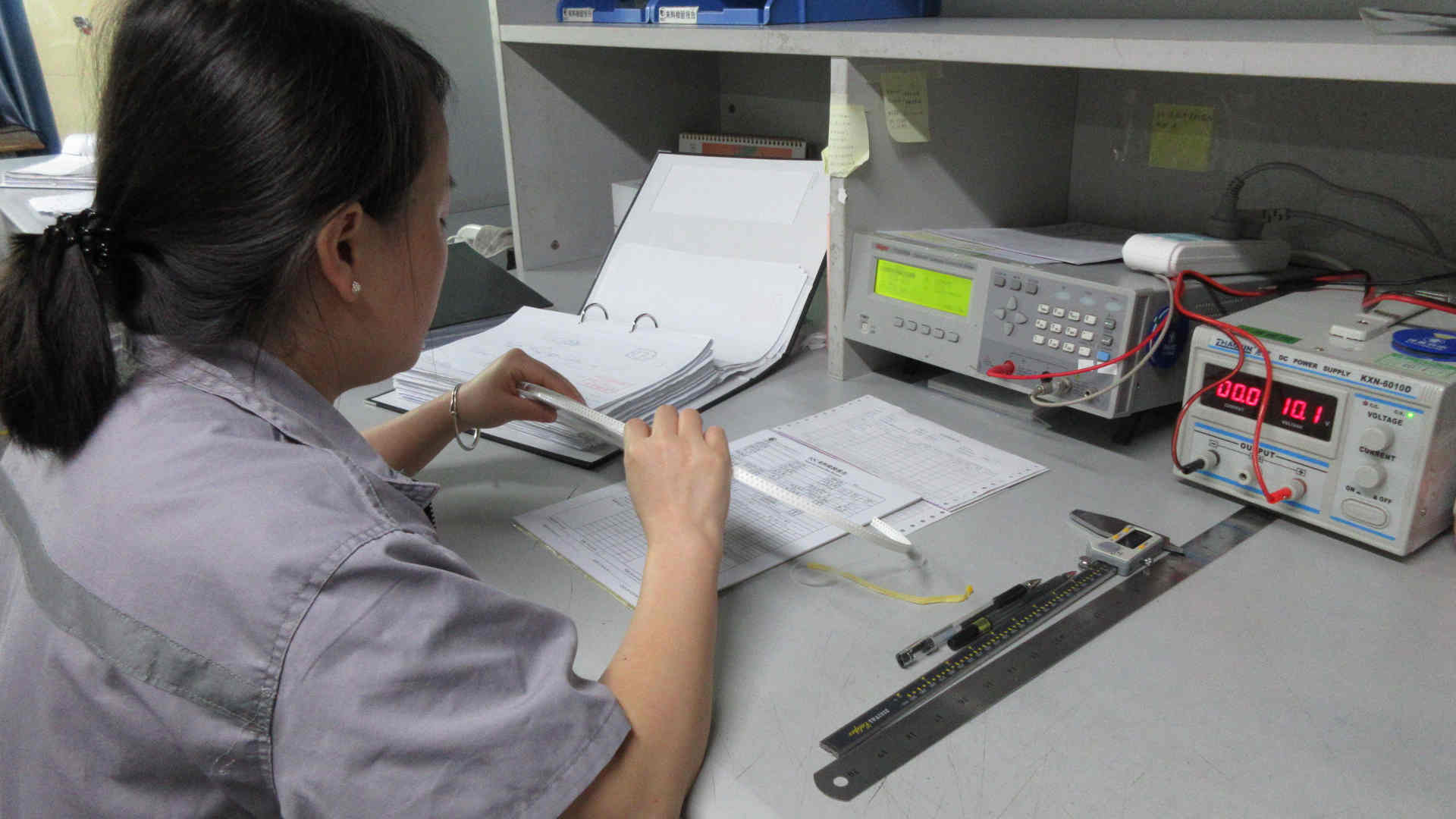
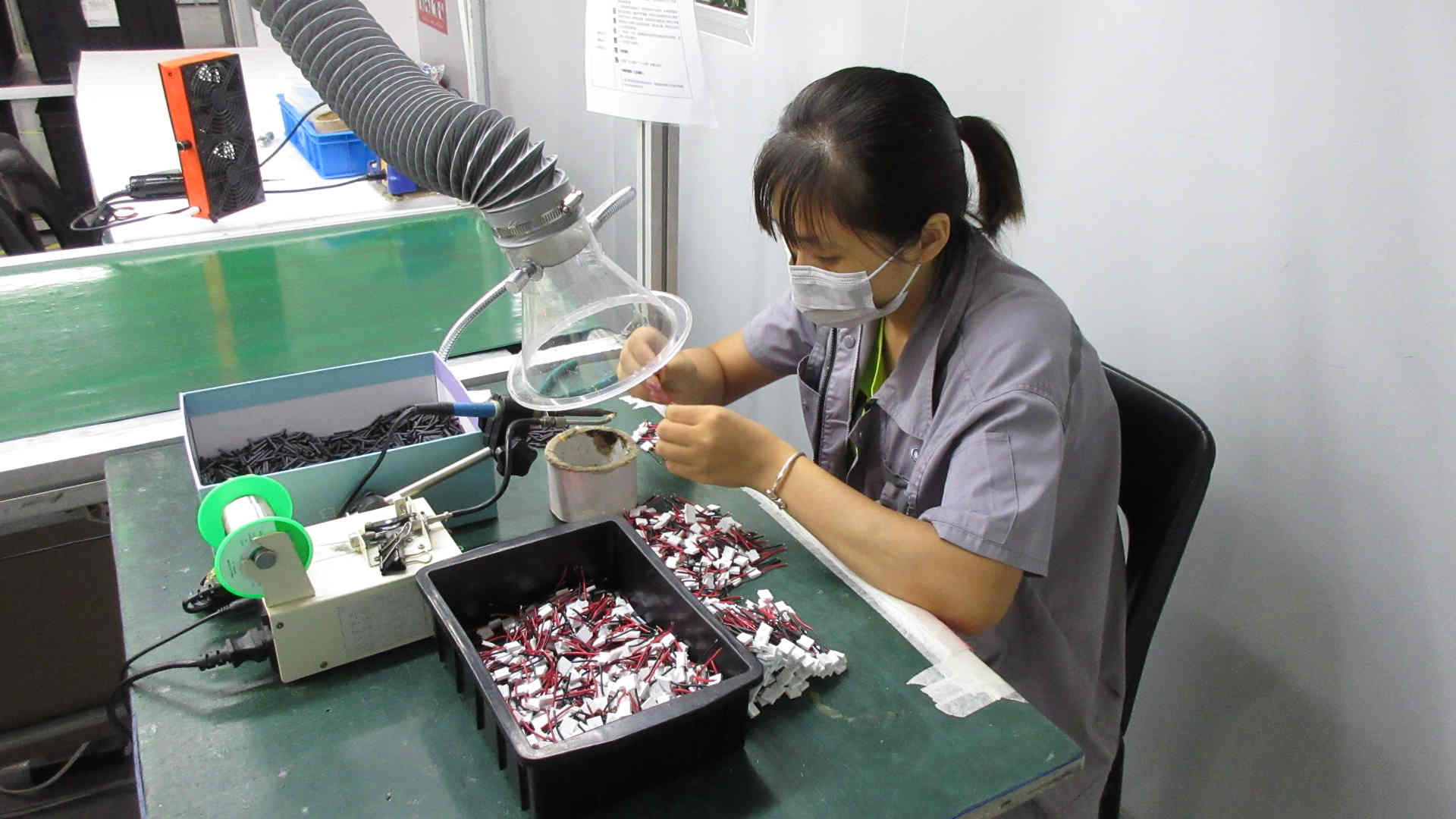
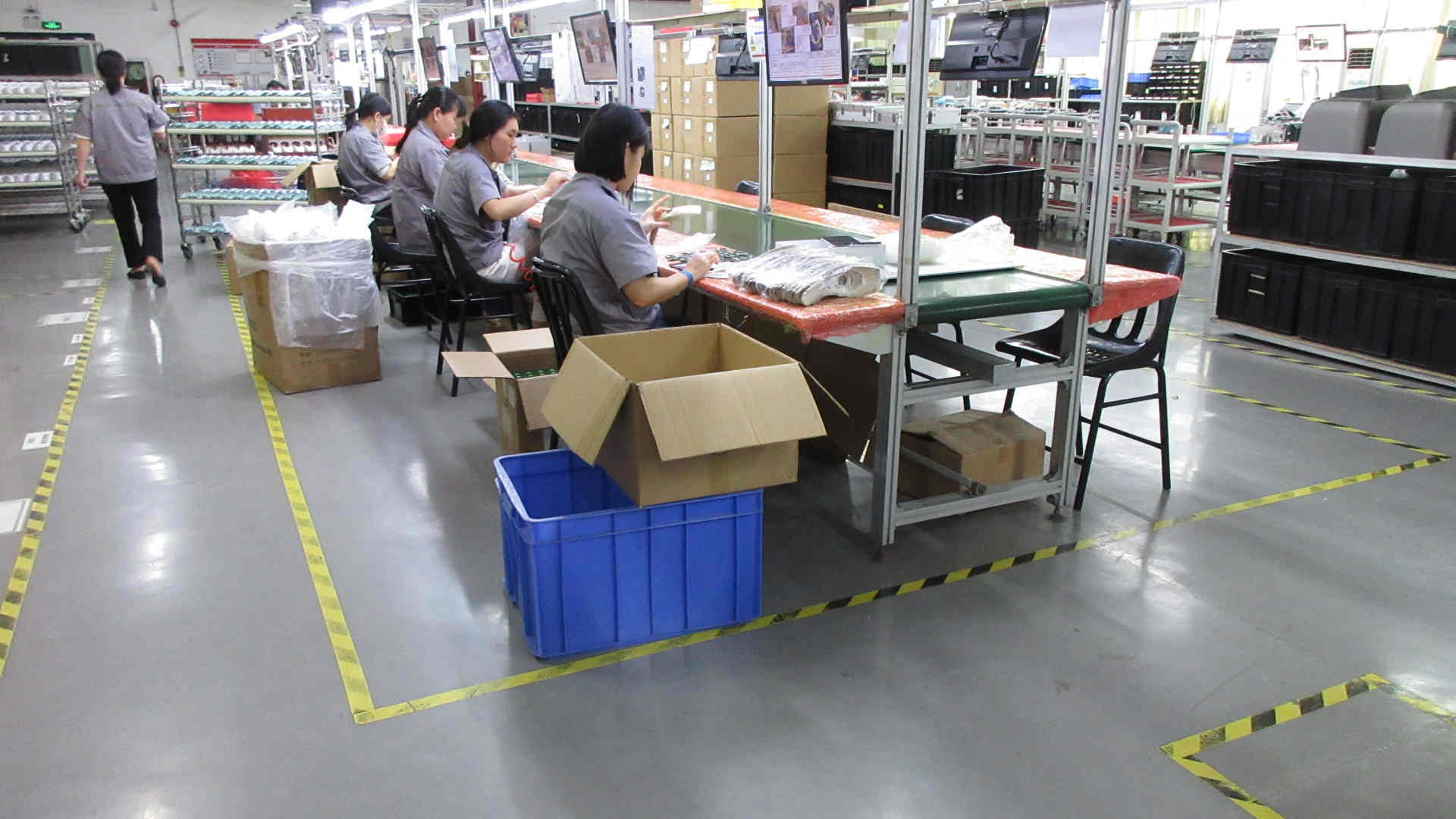
Every system exported to Australia undergoes an exhaustive quality assurance regimen at our state-of-the-art facility. From Incoming Quality Control (IQC) to automated welding and multi-day stress-testing (aging), we eliminate failure points before the device leaves our factory.

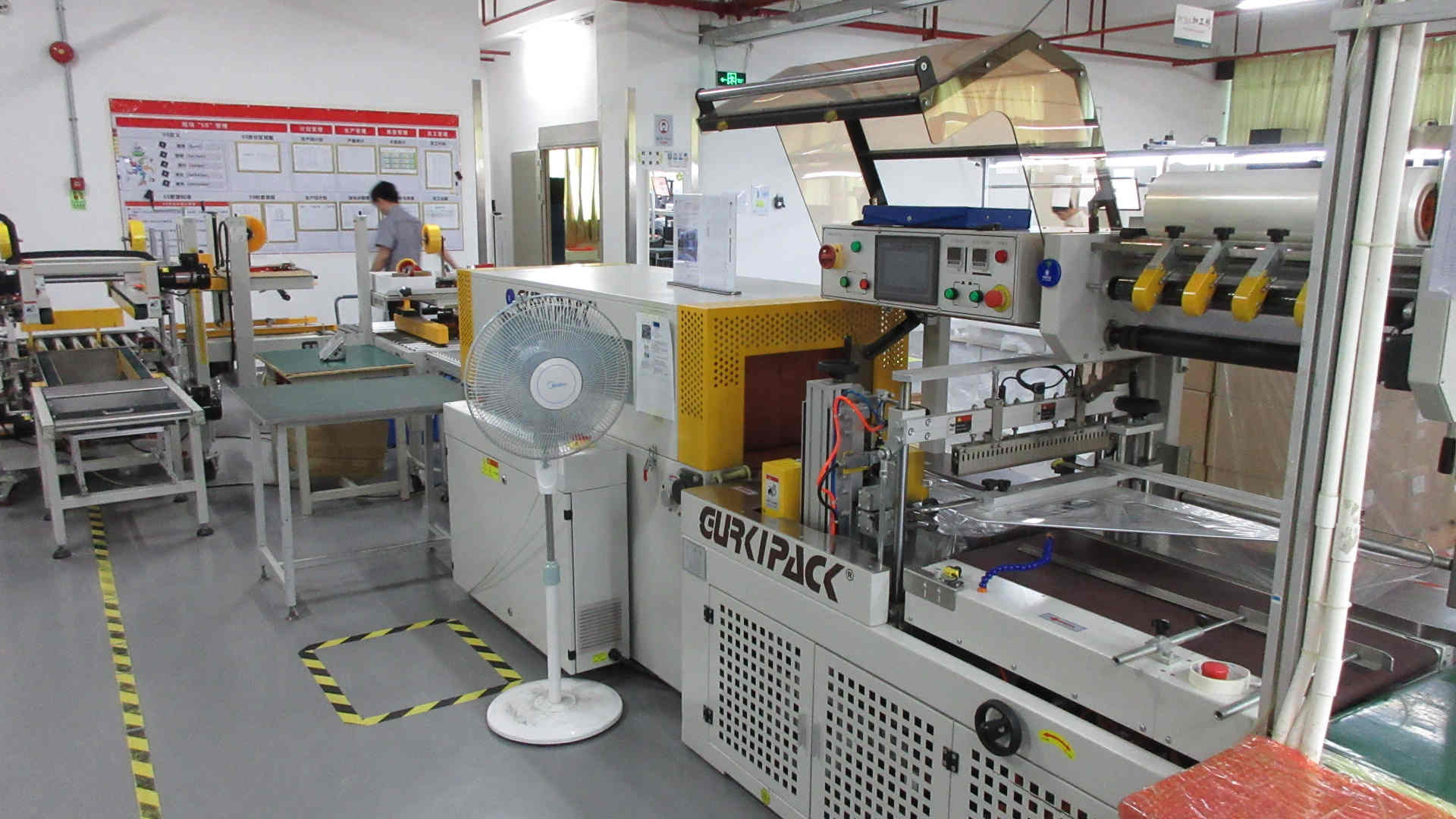

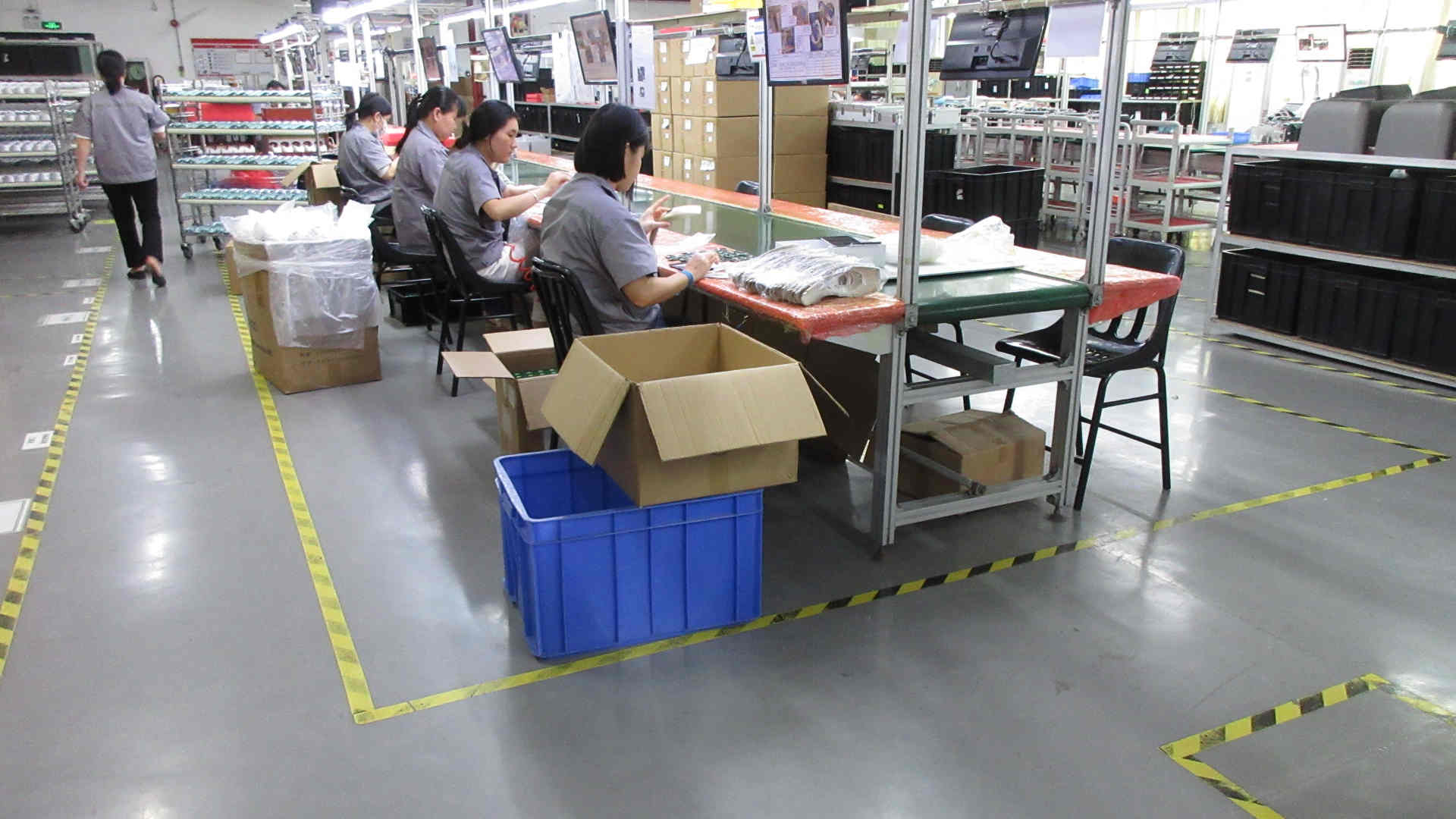
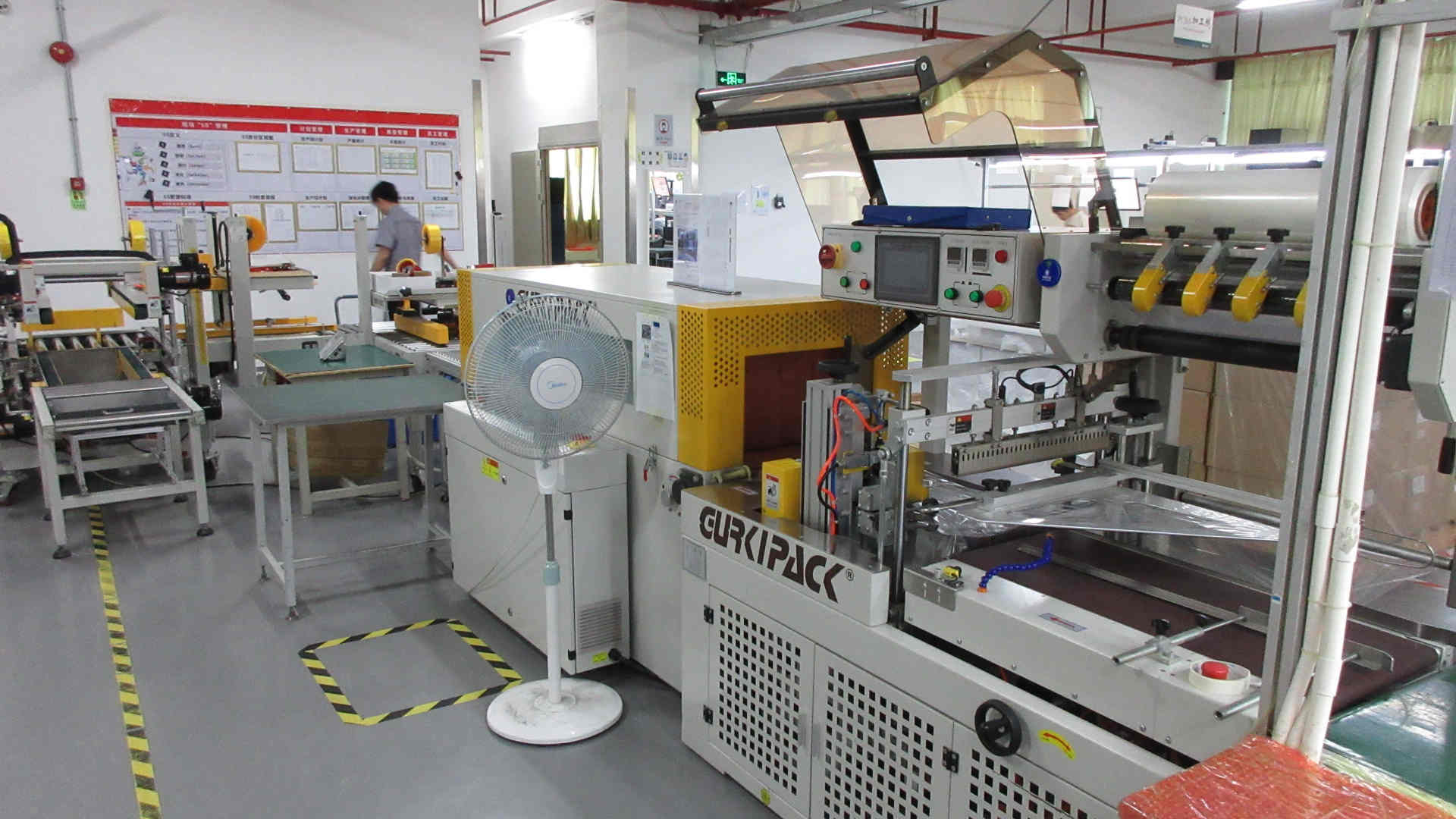
Modern Australian cosmetic clinics operate in highly competitive metropolitan markets where patient retention is driven by multi-modal treatment offerings. To build an optimized business model, developers and clinical directors are shifting from single-indication platforms toward multi-wavelength workstations and high-power hybrid architectures.
We provide integrated platform configurations designed to maximize clinical room ROI:
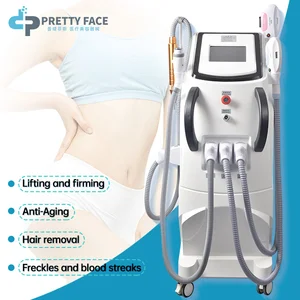
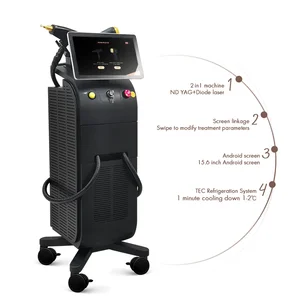
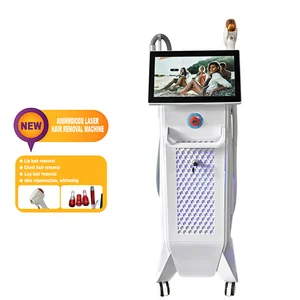
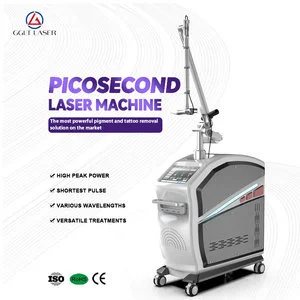
These multi-technology platforms allow practitioners in major Australian cities to offer comprehensive skincare portfolios (e.g., combining high-efficiency diode hair removal and picosecond pigment treatment on a single device footprint). This significantly lowers initial capital expenditure, optimizes clinic floor space, and shortens the break-even period.
Operating aesthetic machinery in Australia demands consistent post-sales service, component availability, and rapid technical diagnosis. Beijing V-Cest Beauty addresses these localized concerns through structured export warranties and global logistic collaborations:
The next generation of picosecond technology will focus heavily on pulse duration precision and AI-driven skin profiling. Beijing V-Cest Beauty is continually investing in R&D to shorten pulse widths closer to the sub-picosecond mark, ensuring pure mechanical destruction of pigments with absolutely zero heat signature. Additionally, our upcoming software suites will feature automated energy calibration based on real-time epidermal resistance readings, adapting dynamically to the unique skin attributes of patients in Australia's varying climate zones.
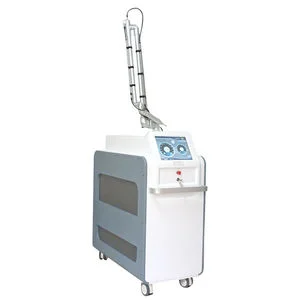
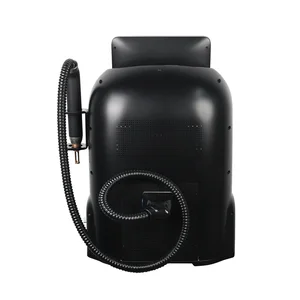
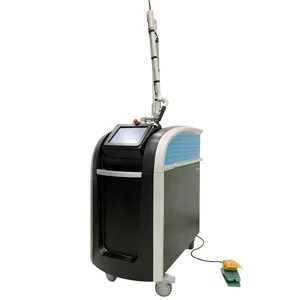
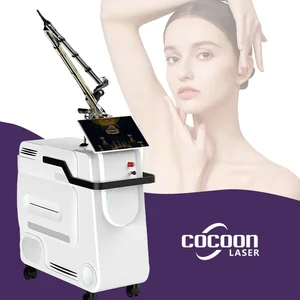
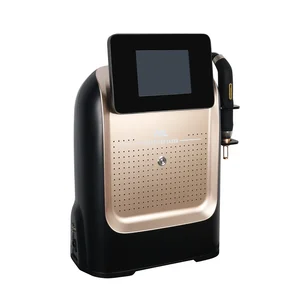
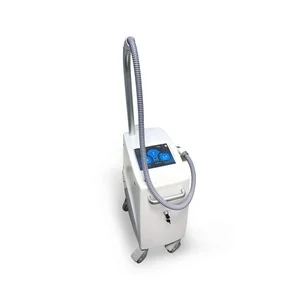
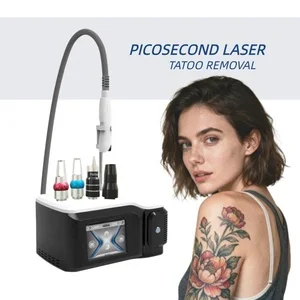
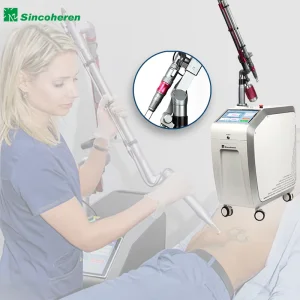
Discover our comprehensive collection of Q-Switched Nd:YAG and Pico platforms exported globally to match high-volume clinic requirements.
 V-Cest Beauty