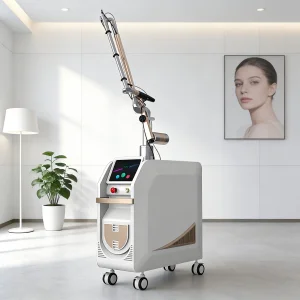
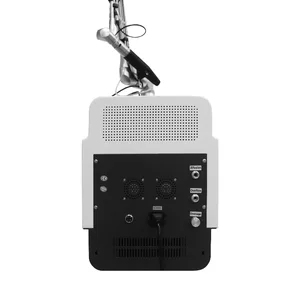
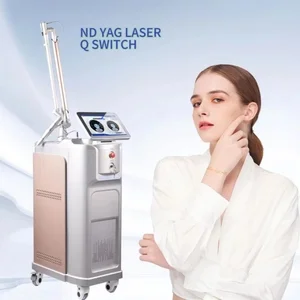
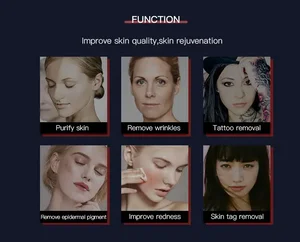
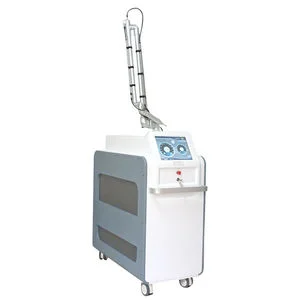
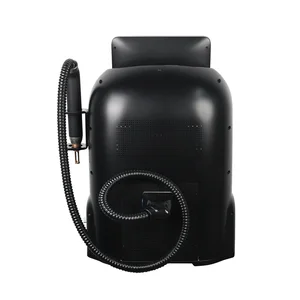
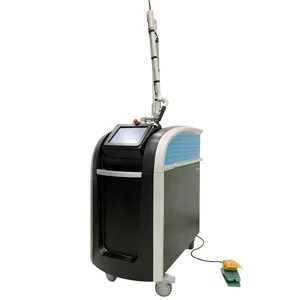
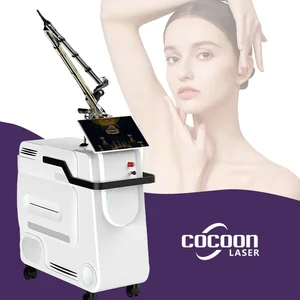
Medical-grade precision devices delivering targeted photomechanical energy for high-end skincare, tattoo removal, and pigmented lesion therapeutics.
An In-Depth Whitepaper on the Kuala Lumpur Aesthetic Ecosystem, Regulatory Frameworks, and Strategic Sourcing
Kuala Lumpur has solidified its status as Southeast Asia's premier hub for medical tourism and aesthetic refinement. Key commercial districts, including Bukit Bintang, Bangsar, Mont Kiara, and KLCC, have seen an exponential rise in advanced medical clinics and aesthetic spas catering to a highly discerning domestic and international clientele.
This growth is fueled by demographic shifts—a younger demographic prioritizing preventative skincare, a surging middle-income bracket seeking fast, non-invasive procedures, and a high volume of medical tourists seeking premium dermatological interventions. Traditional nanosecond laser systems (Q-Switched Nd:YAG) are rapidly being phased out. Today, leading clinics in Kuala Lumpur demand Picosecond technology to deliver faster clearance, fewer sessions, and minimal downtime.
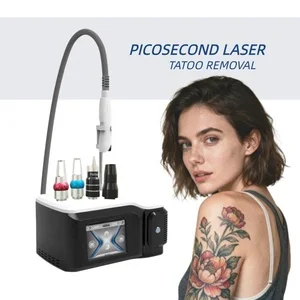
Unlike legacy nanosecond platforms that rely on photothermal energy (heating target pigments and risking thermal damage to surrounding tissue), picosecond systems generate a photomechanical effect. The laser pulses are delivered in trillionths of a second (picoseconds), instantly shattering target ink or melanin into microscopic particles that are easily metabolized by the lymphatic system.
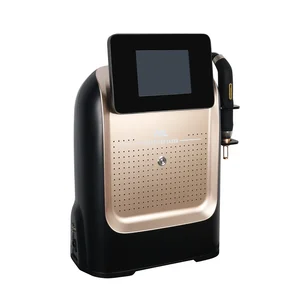
Integrative technology combining picosecond and diode configurations for clinics seeking comprehensive service portfolios.
Ensuring medical-grade compliance and operational safety for aesthetic centers across Peninsular Malaysia.
In Malaysia, the importation and distribution of high-energy devices like picosecond lasers are regulated under the Medical Device Authority (MDA) of the Ministry of Health. Under Act 737, aesthetic devices with active laser outputs categorized as Class B, C, or D require strict registration. Sourcing machines from factories that provide standardized ISO 13485 certification, CE Medical directives, and comprehensive clinical validation files is essential.
For Kuala Lumpur distributors and medical spa directors, working with exporters who offer a full Technical File—detailing electromagnetic compatibility (EMC), laser safety tests (IEC 60601-2-22), and clear output data—is crucial for smooth customs clearance and regulatory licensing.
Operating high-precision optical systems in hot, humid climates like Kuala Lumpur's demands robust internal cooling. Standard imports often fail due to insufficient heat dissipation or condensation inside the optical chamber.
Partnering with exporters who provide localized service kits, modular component replacement pathways, and virtual engineer training minimizes downtime. Modern laser devices must incorporate high-output water pumps and refrigeration-grade radiators to maintain optimal energy levels during continuous operations.
Integrating China's advanced supply chain and precision manufacturing to provide OEM/ODM systems worldwide.
Beijing V-Cest Beauty Co., Ltd. is a leading international enterprise specializing in the R&D and global export of high-end aesthetic and beauty equipment. The company brings China’s advanced beauty technology and intelligent manufacturing capabilities to the global market. Its core business focuses on professional beauty devices, covering hair removal, anti-aging, skin whitening, skin tightening, deep cleansing, and comprehensive skincare management, providing one-stop equipment solutions for beauty clinics, distributors, and brand partners worldwide.
With a vertically integrated supply chain and extensive industry expertise, Beijing V-Cest Beauty has built a strong competitive advantage in product development, quality control, and global service capabilities. The company continuously integrates a diverse portfolio of premium beauty devices while driving ongoing innovation and technological upgrades to ensure safety, stability, and performance that meet international market requirements.
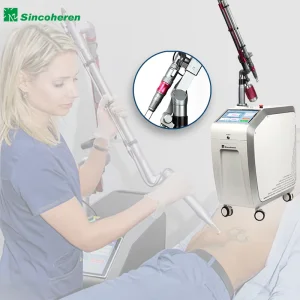
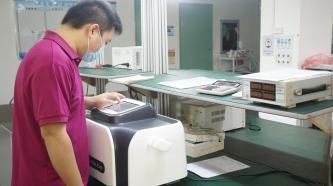
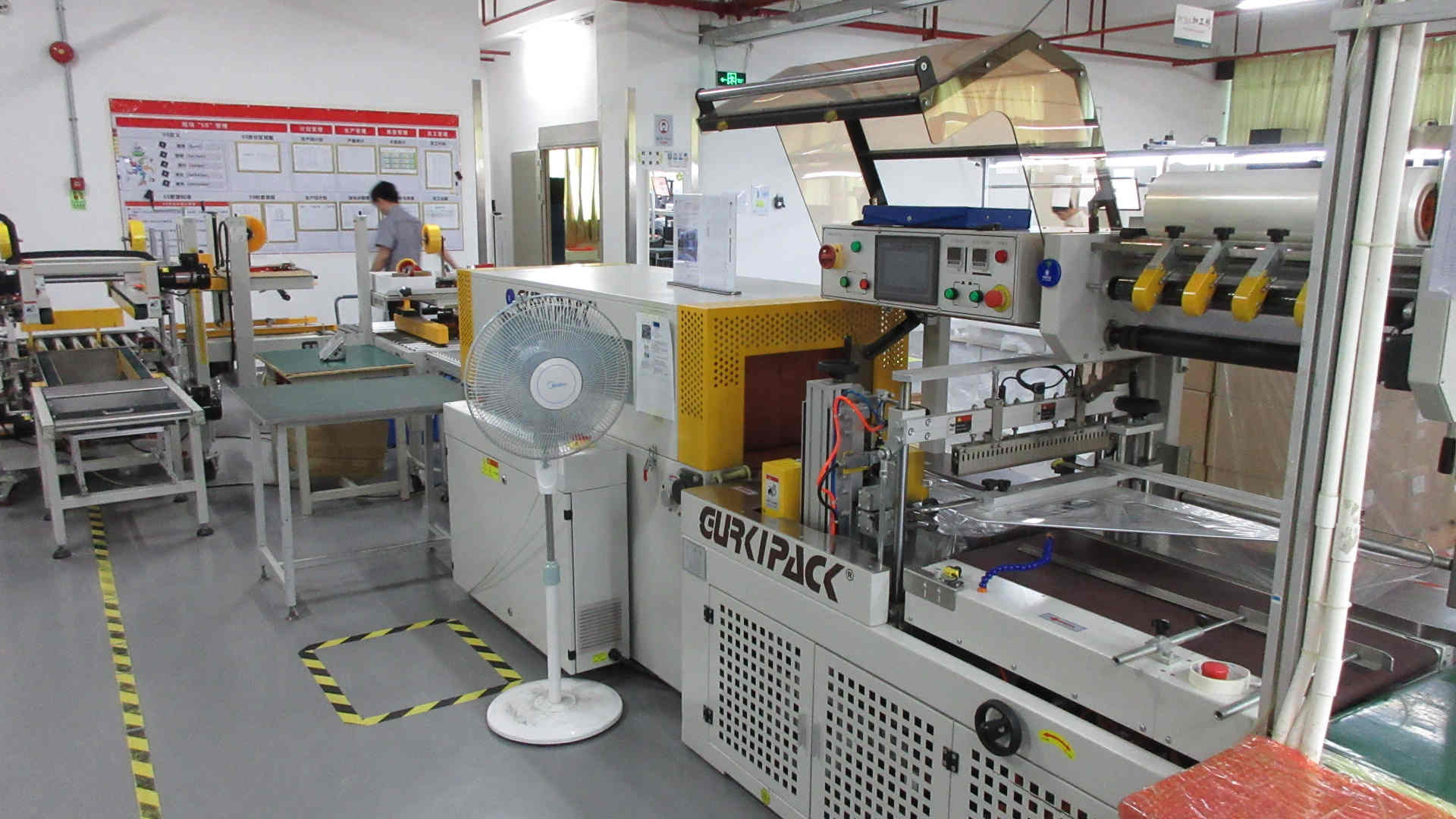
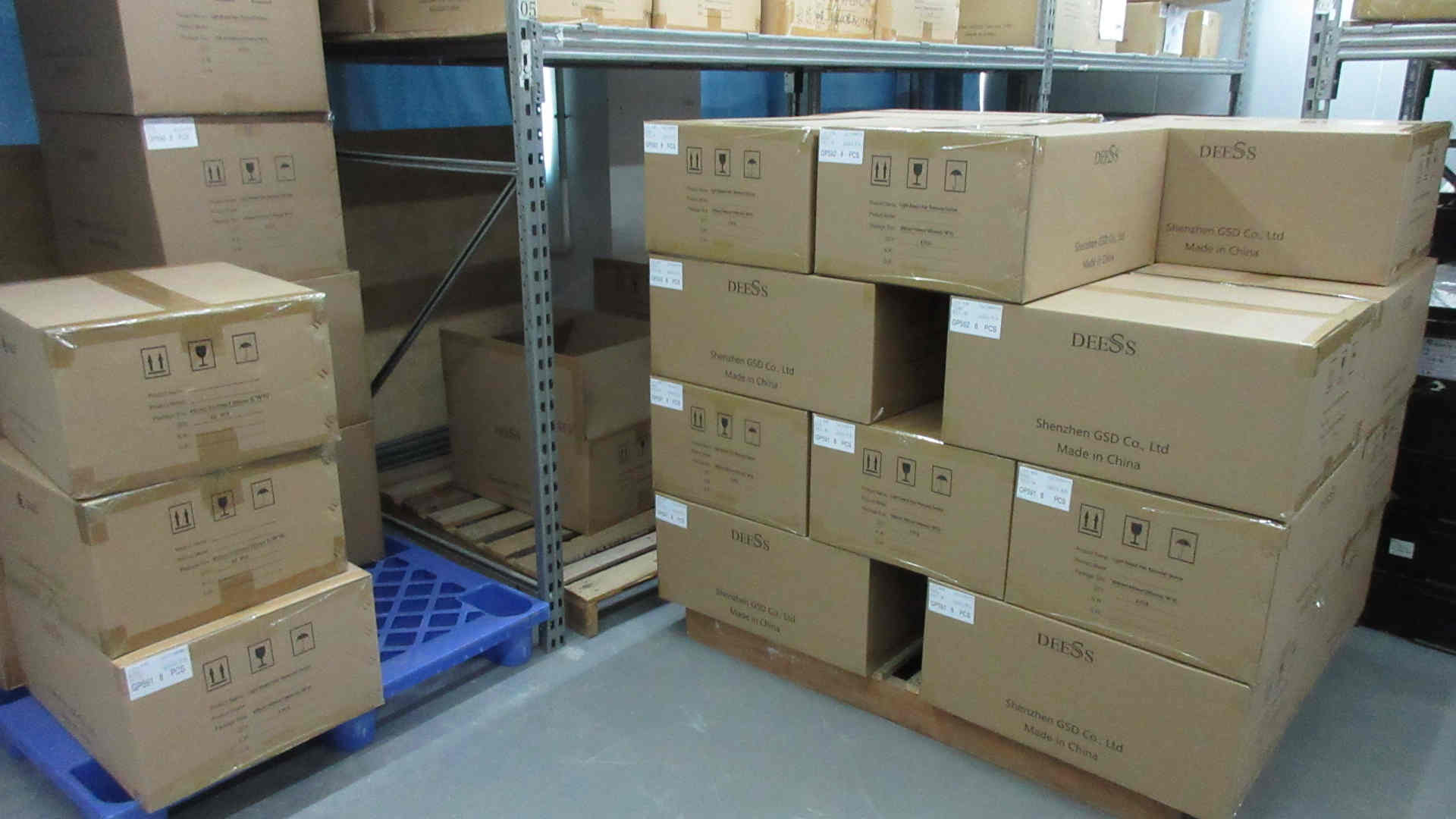
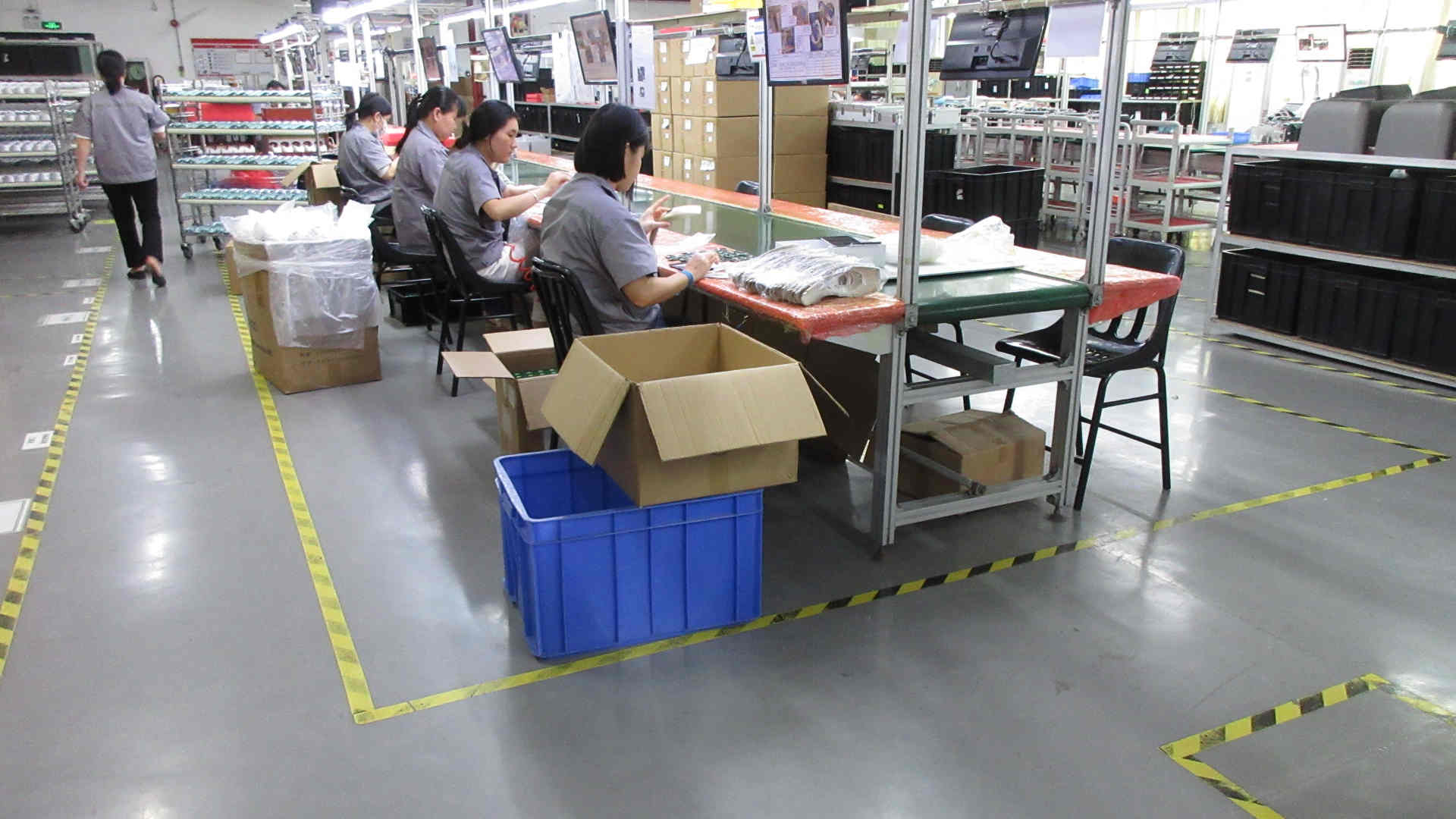
Quality begins in the manufacturing phase. Here is a look at the production protocols applied to every laser unit before dispatch:
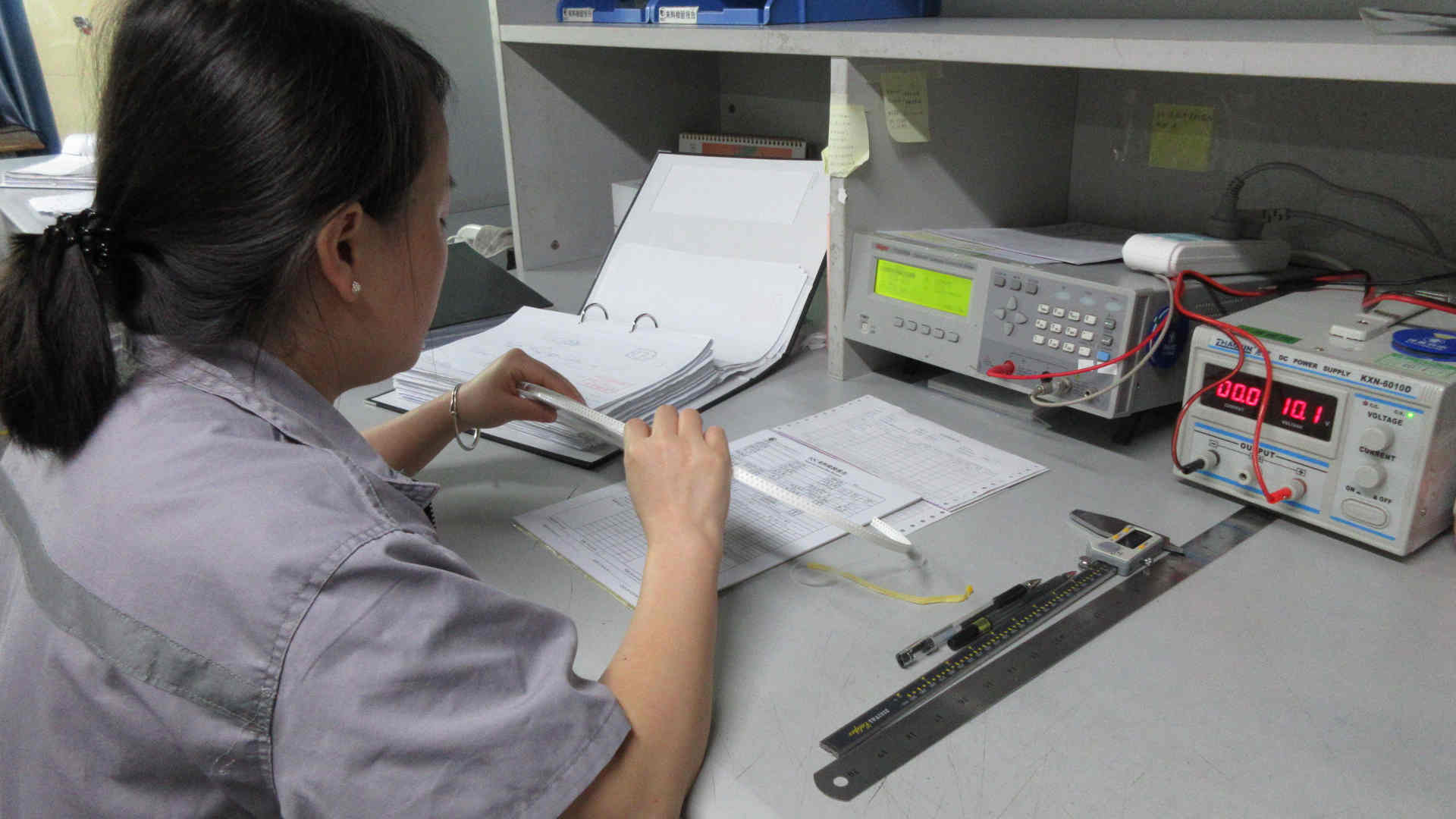
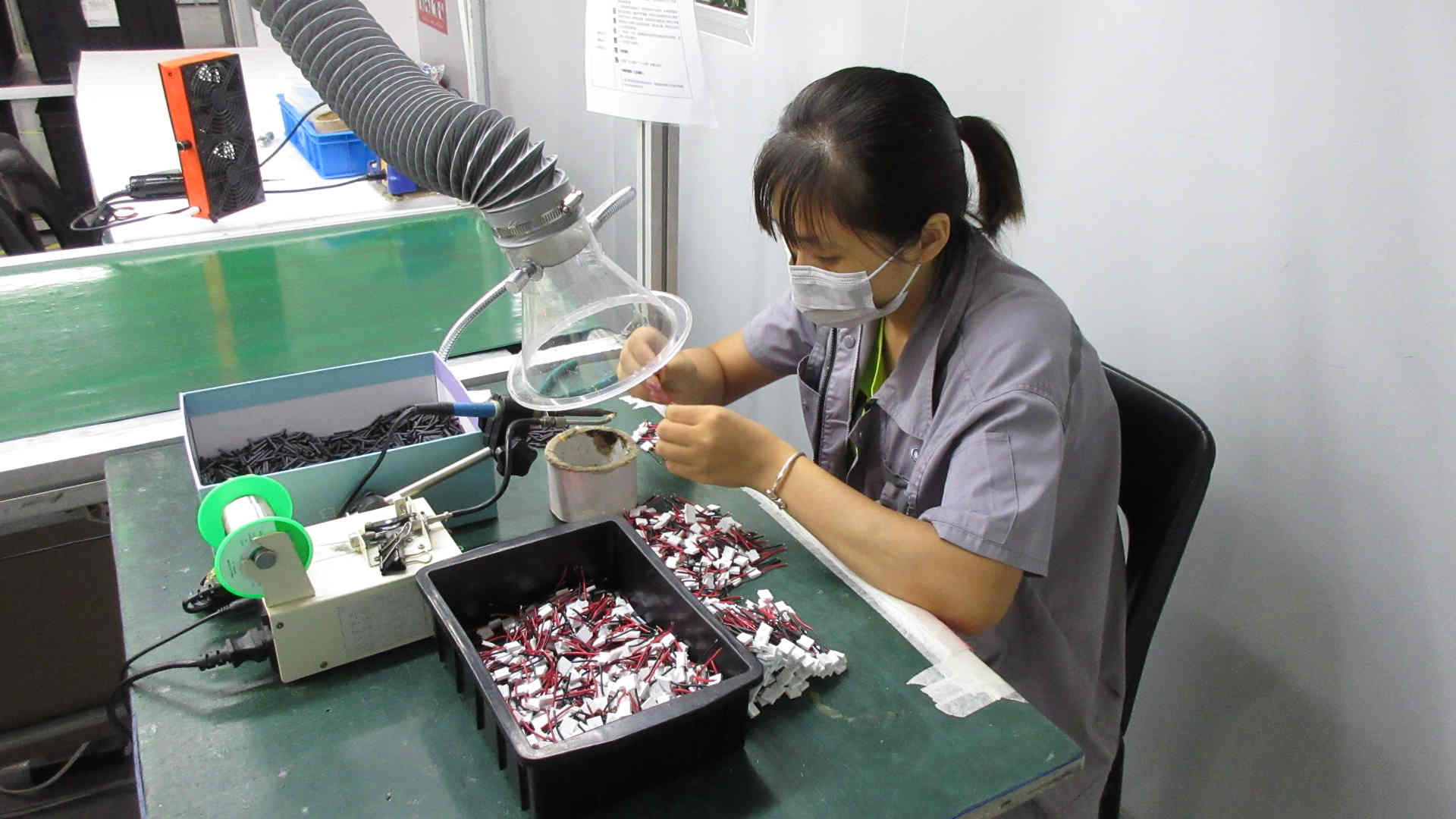
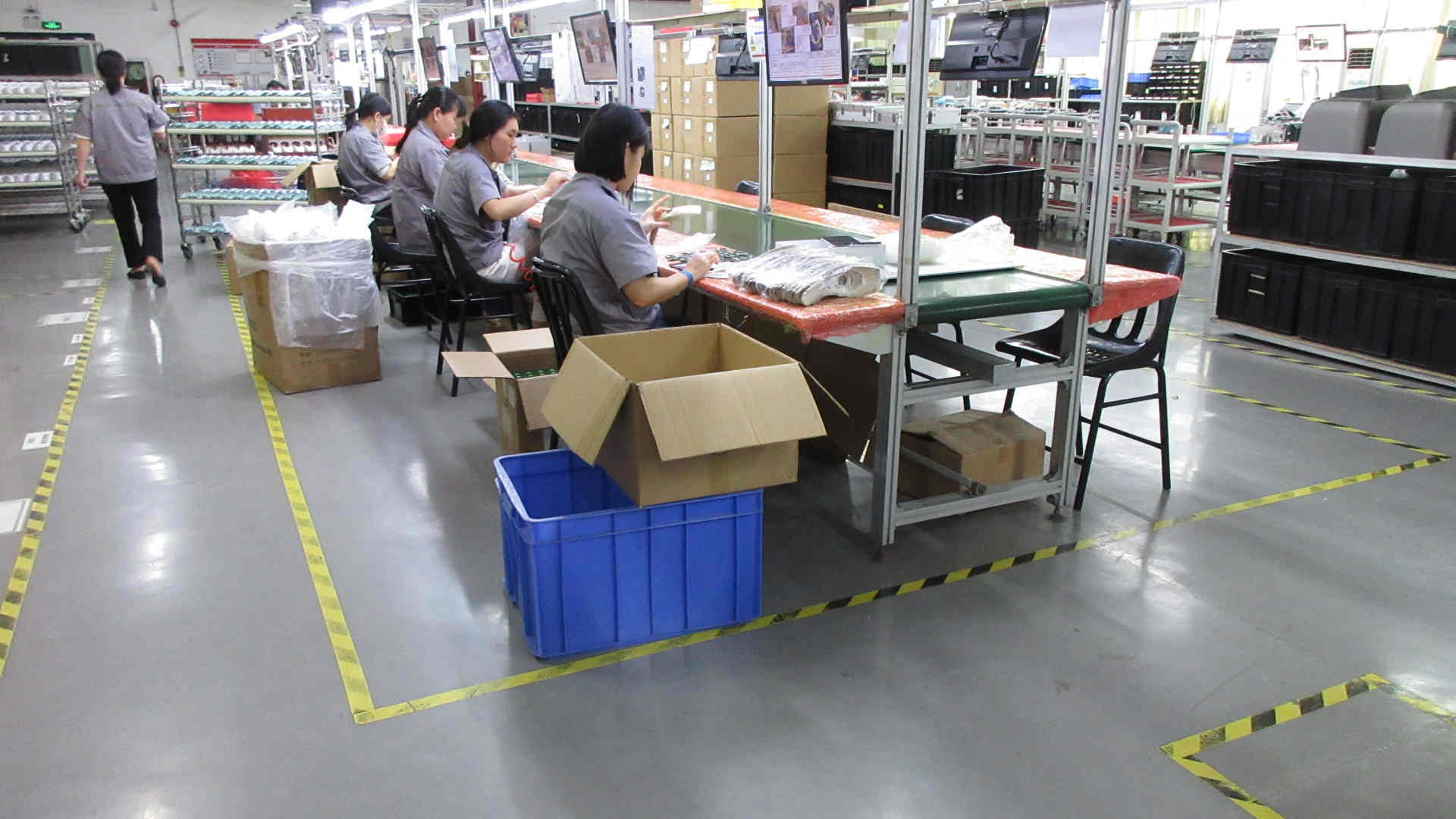
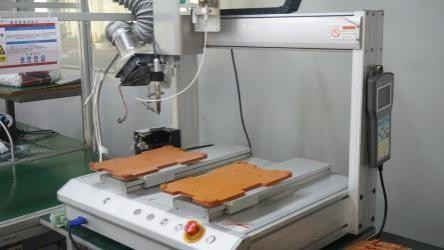
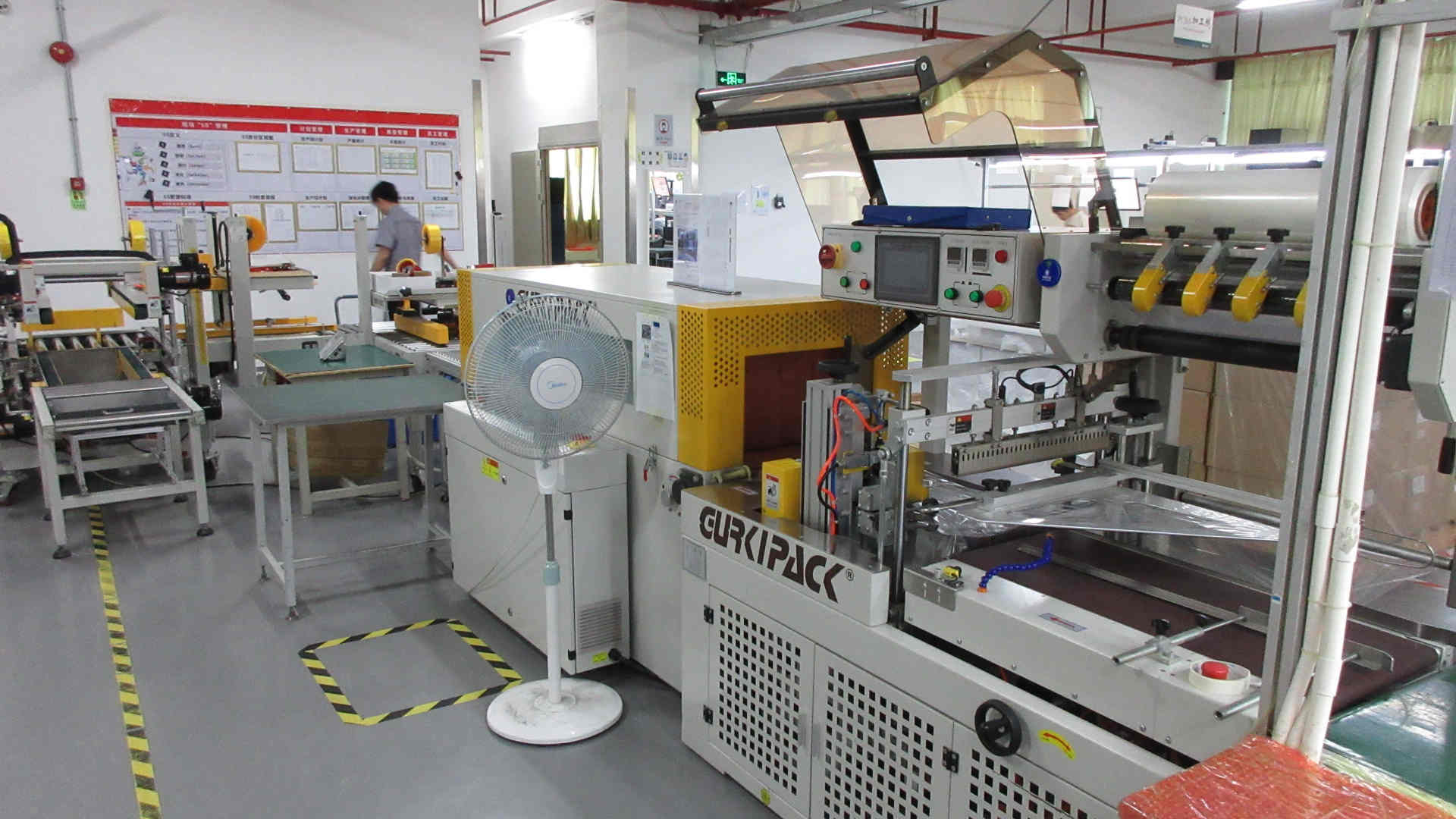
V-Cest Beauty’s network covers emerging and mature markets, including Russia, Eastern Europe, Central Asia, the Middle East, South America, and Southeast Asia. Through flexible OEM/ODM services, co-branding, and technical support, we help partners build localized brand competitiveness and achieve sustainable growth.
We prioritize R&D and innovation partnerships, exploring advanced technologies like radio frequency (RF), laser, ultrasound, and high-intensity focused energy systems for both clinical and consumer-grade aesthetic devices. We continuously expand our product portfolio and digital operations to enhance the global customer experience.
Essential parameters for clinic owners and wholesale distributors evaluating manufacturing partners.
True picosecond lasers operate at pulse widths below 450ps. Some lower-end machines use modified Q-switched drivers that deliver nanosecond pulses, calling them "picosecond" in name only. Real picosecond pulses create a stronger photomechanical effect, shattering pigment with less thermal impact on the skin.
Imported Korean or domestic articulated optical guide arms are critical. An 7-jointed articulated arm minimizes energy loss and maintains consistent spot size accuracy during prolonged operations, ensuring treatment precision across facial mapping areas.
High-peak energy requires a heavy-duty capacitor and power generator. Look for systems featuring a minimum of 2000W to 3500W power supplies. Insufficient power leads to drops in energy output during high-frequency treatments (e.g., 10Hz carbon peeling sessions).
Verify that the factory supplies all essential wavelengths: 1064nm for deep dermal black/blue inks, 532nm for epidermal red/orange pigments, and specialized 755nm honeycomb lenses for melanin clearance and skin rejuvenation.
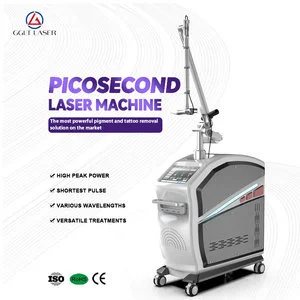
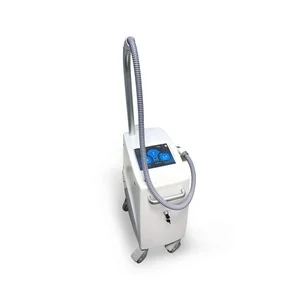
Explore our full line of premium clinical devices engineered for dermal remodeling, scar revisions, and multi-color tattoo removal.
Adapting advanced laser technologies for tropical urban conditions and demographic skin needs.
Kuala Lumpur's high UV index year-round leads to a high incidence of melasma, solar lentigines, and freckles. Traditional heating lasers can cause rebound hyperpigmentation in Type III-V Asian skin. Using picosecond lasers configured at 755nm or 1064nm allows for precise targeting of dermal and epidermal pigments, delivering safer clearance with fewer treatment sessions.
In addition to tattoo removal, the "Carbon Laser Peel" is popular in KL's corporate hubs, including Mid Valley City and KL Sentral. Known as the "Hollywood Peel," it uses a carbon paste layer targeted by a 1064nm wavelength to instantly exfoliate, clear pores, and stimulate collagen—allowing busy professionals to return to work immediately.
Expert technical answers regarding import, custom setups, regulatory compliance, and clinical performance.
The primary difference is pulse duration. Real picosecond lasers deliver energy in trillionths of a second (350ps to 750ps), creating a photomechanical (acoustic) effect. Q-switched lasers deliver energy in nanoseconds (billionths of a second), which relies on a photothermal (heat) mechanism. Picosecond delivery minimizes thermal damage to surrounding tissue, reducing the risk of post-inflammatory hyperpigmentation (PIH), particularly in Asian skin types.
For Malaysia’s Medical Device Authority (MDA) compliance, we provide full technical dossiers including CE certificate declarations, ISO 13485 quality system documents, and safety testing reports (EMC & LVD). This documentation helps your local agent register the device under Class B or Class C medical device protocols.
Yes. Through our vertically integrated factory workflow, we offer extensive OEM/ODM support. This includes customized chassis designs, color schemes, custom UI software with localized languages (English/Malay), and integration of brand logos on screens and outer castings.
Precision lasers are sensitive to vibration. We pack all devices in custom flight cases lined with high-density EVA shock-absorbing foam. Internal optical chambers and articulated arms are locked during transit to prevent misalignment during shipping to Kuala Lumpur port or KLIA cargo terminal.
Get in touch with our engineering and export team to request a customized quote, OEM blueprint, or MDA registration support details.
Send Inquiry Now V-Cest Beauty