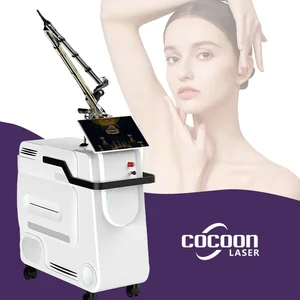
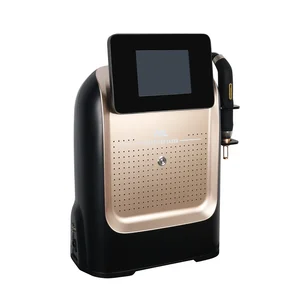
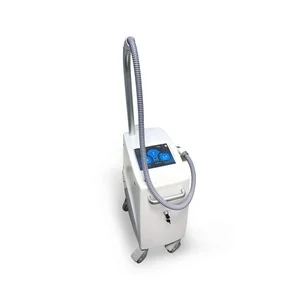
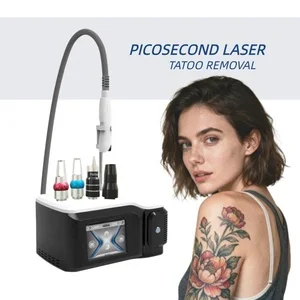
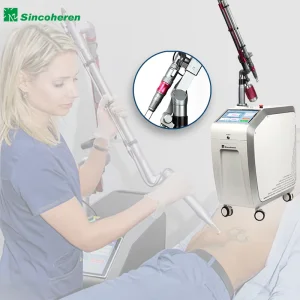
Engineered for high-throughput dermatology centers and medical aesthetic clinics across the Midwest.
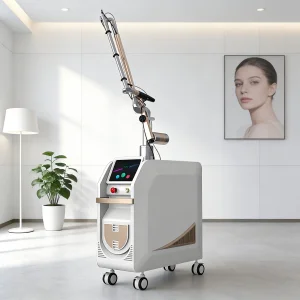
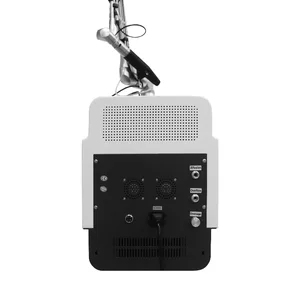
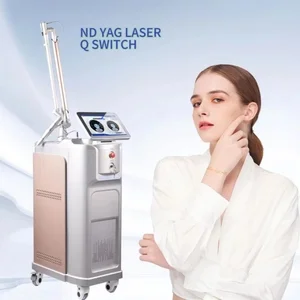
The Chicago metropolitan area, historically dubbed the "Metropolitan Statistical Area (MSA) of Chicago-Naperville-Elgin," stands as one of the most vital medical, cosmetic, and surgical dermatology hubs in the United States. Spanning prestigious areas from Chicago's Gold Coast and River North to outer residential suburbs such as Naperville, Evanston, and Oak Brook, the region hosts thousands of high-traffic medical spas (Medspas), plastic surgery centers, and multi-specialty cosmetic practices.
The demographic landscape of the Midwest demands highly versatile skin laser systems. Clinicians routinely treat a wide spectrum of skin phototypes (Fitzpatrick Skin Types I-VI). Consequently, aesthetic professionals in Chicago face distinct technical challenges: the critical need to deliver high-efficacy pigment, tattoo, and scar revision treatments while avoiding post-inflammatory hyperpigmentation (PIH), particularly in darker skin temperaments.
Unlike thermal lasers, photoacoustic energy avoids heating surrounding skin tissue, reducing the risk of burns and PIH on darker skin types common in diverse city centers.
Picosecond treatments require fewer sessions compared to legacy Q-Switched nanosecond platforms, allowing clinics to command higher per-session pricing.
By producing Laser-Induced Optical Breakdown (LIOB) in the dermis, the epidermis remains intact, offering busy professionals a true lunch-hour treatment.
From an industrial standpoint, Chicago acts as the supply-chain gateway to the Midwest. A reliable laser manufacturer serving this region must possess not only state-of-the-art technological pipelines but also a thorough understanding of US compliance codes, logistics channels, and technical integration benchmarks. High-end aesthetic practices require absolute device uptime, rendering the quality of inner laser components, electrical shielding, and thermal cooling systems critical operational vectors.
To grasp why picosecond lasers are the gold standard for contemporary cosmetic treatments, we must analyze the physical interaction between coherent light and biological tissue. For decades, Q-switched nanosecond lasers dominated tattoo removal and pigmentation treatments. However, these systems rely largely on the photothermal effect, which delivers energy in nanoseconds ($10^{-9}$ seconds). This duration exceeds the thermal relaxation time of microscopic pigment particles, causing heat to diffuse into the surrounding dermis. The result is often epidermal blistering, scarring, and thermal injury.
In contrast, a picosecond laser operates at pulse durations in the picosecond scale ($10^{-12}$ seconds). This speed is fast enough to initiate a photoacoustic reaction. By delivering megawatts of peak power within an ultra-short window, the light energy is converted into sound waves that generate localized mechanical stress.
| Physical Parameter | Legacy Nanosecond Laser | Next-Generation Picosecond Laser | Clinical Outcome Difference |
|---|---|---|---|
| Pulse Width | 5 - 20 ns ($5000 - 20000$ ps) | 300 - 750 ps | Ultra-short pulses produce photoacoustic destruction rather than thermal damage. |
| Target Breakdown Mechanism | Photothermal (Heat generation) | Photoacoustic (Pressure waves) | Pico shatters pigment into microscopic "dust" particles; Nano breaks it into larger "gravel." |
| Epidermal Recovery | Moderate to high thermal damage risk | Negligible epidermal disruption (LIOB) | Significantly reduced down-time; zero post-treatment scarring in standard applications. |
| Average Treatment Sessions | 10 - 15 sessions | 4 - 6 sessions | Doubles clinic treatment turnover rate and elevates patient satisfaction metrics. |
When the acoustic wave hits its target—whether tattoo ink, melanin deposits, or acne scar tissue—it shatters the target into ultra-fine dust. The body’s lymphatic system then clears these microscopic particles much faster than the larger fragments produced by nanosecond lasers. Additionally, by utilizing fractional micro-lens arrays (MLA), picosecond systems generate **Laser-Induced Optical Breakdown (LIOB)** in the dermis. This process triggers a localized wound-healing response that stimulates collagen and elastin production without damaging the outer layer of skin.
Beijing V-Cest Beauty Co., Ltd. is an international enterprise specializing in the R&D and global export of high-end aesthetic and beauty equipment. To ensure that our picosecond systems meet the stringent reliability requirements of clinical environments worldwide, we operate a vertically integrated production ecosystem. Every machine undergoes rigorous quality assurance protocols to maintain performance standards.
From Incoming Quality Control (IQC) of key components to automated testing and export packaging, here is a breakdown of our manufacturing pipeline:
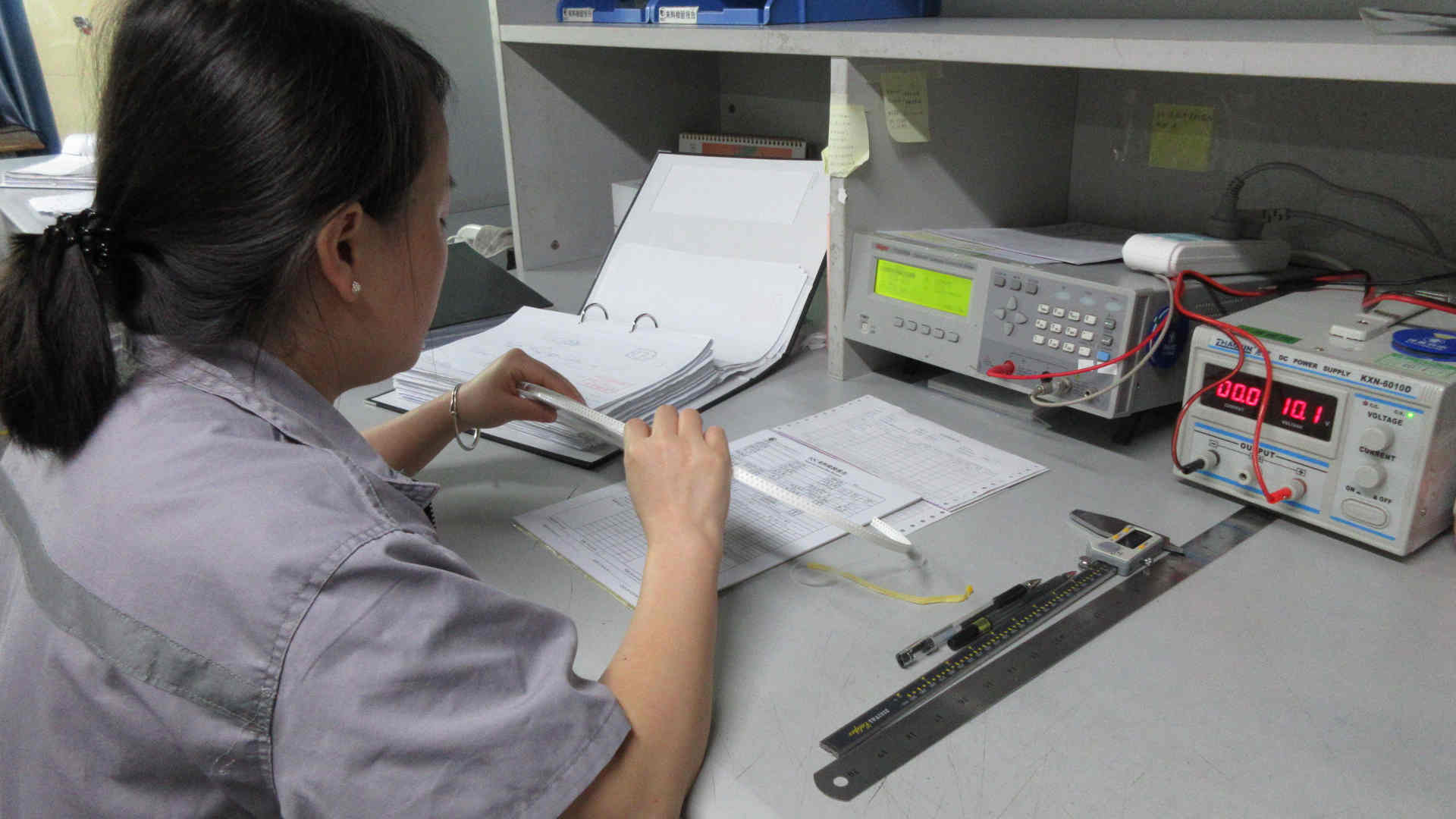
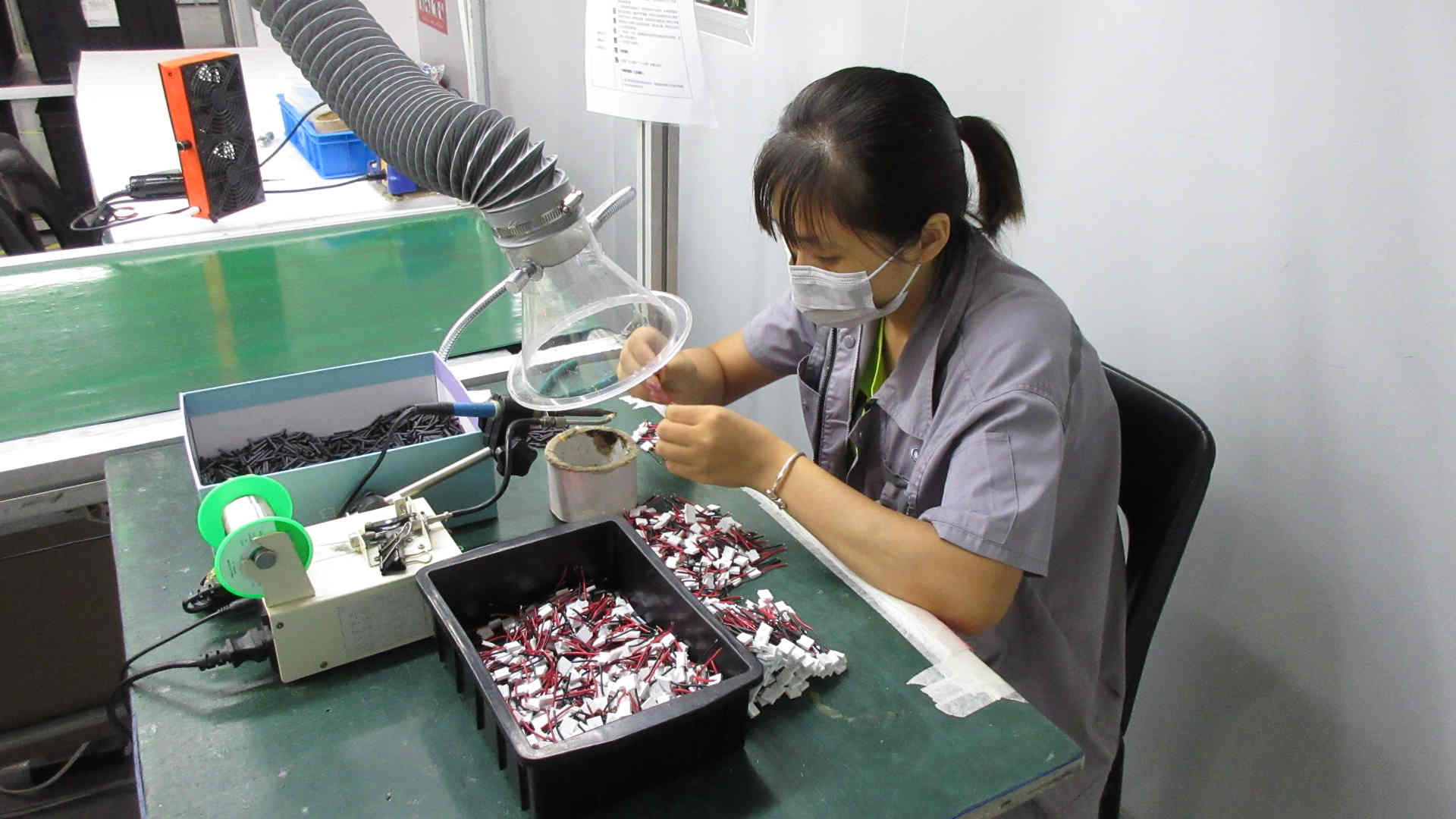
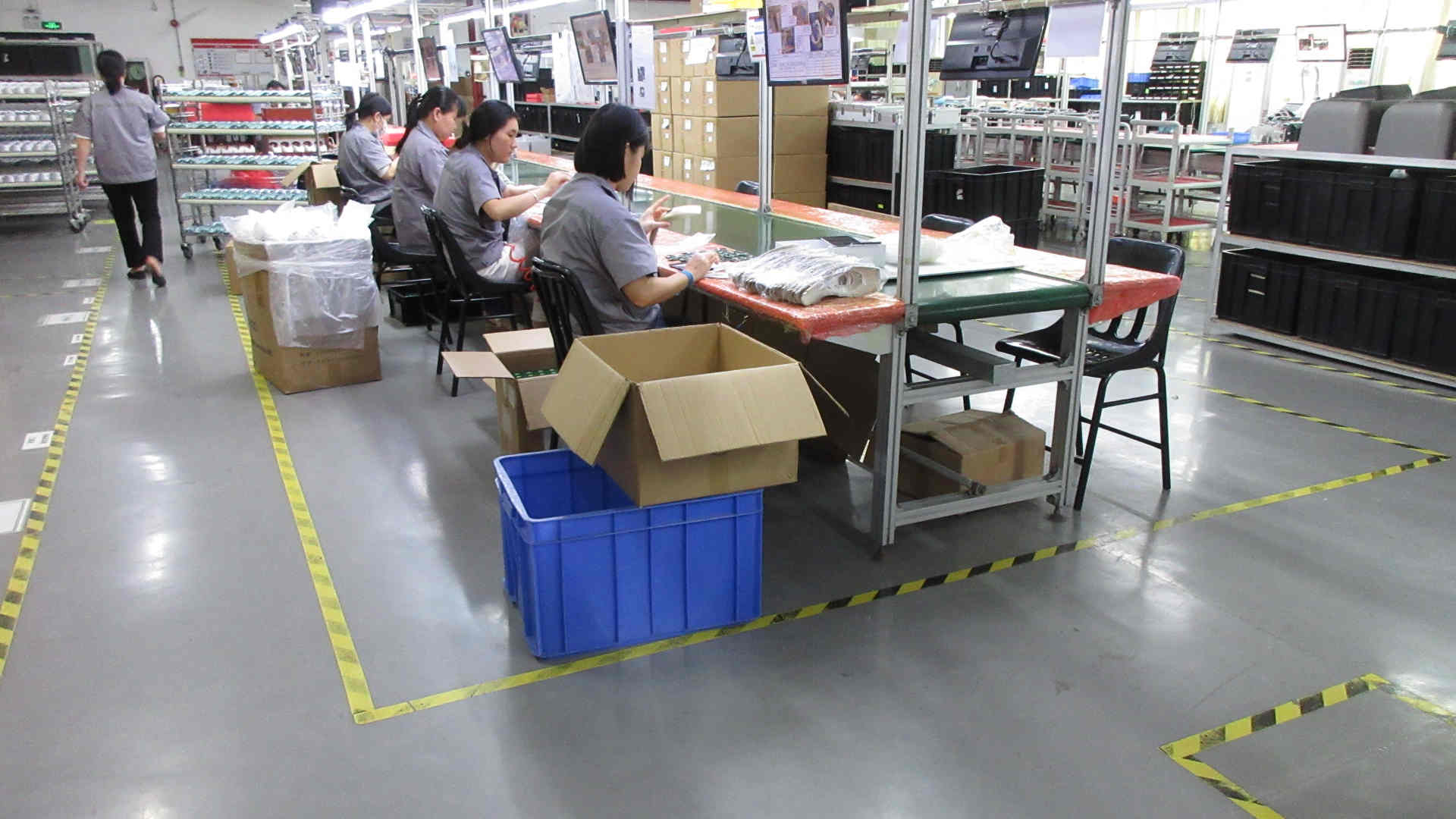
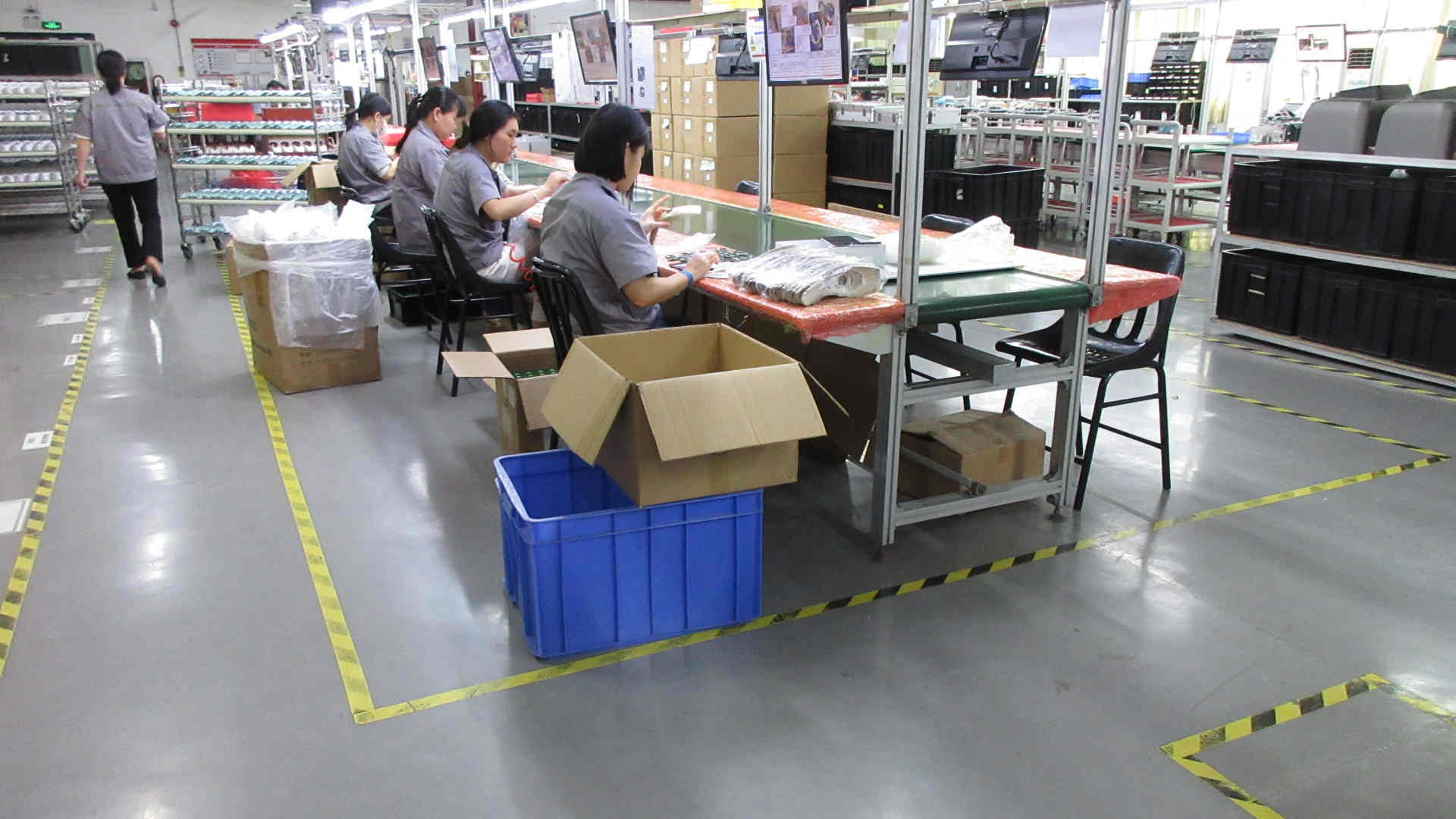
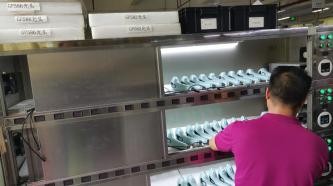
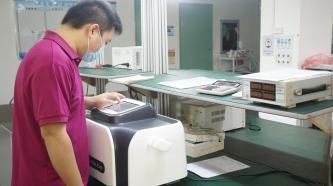
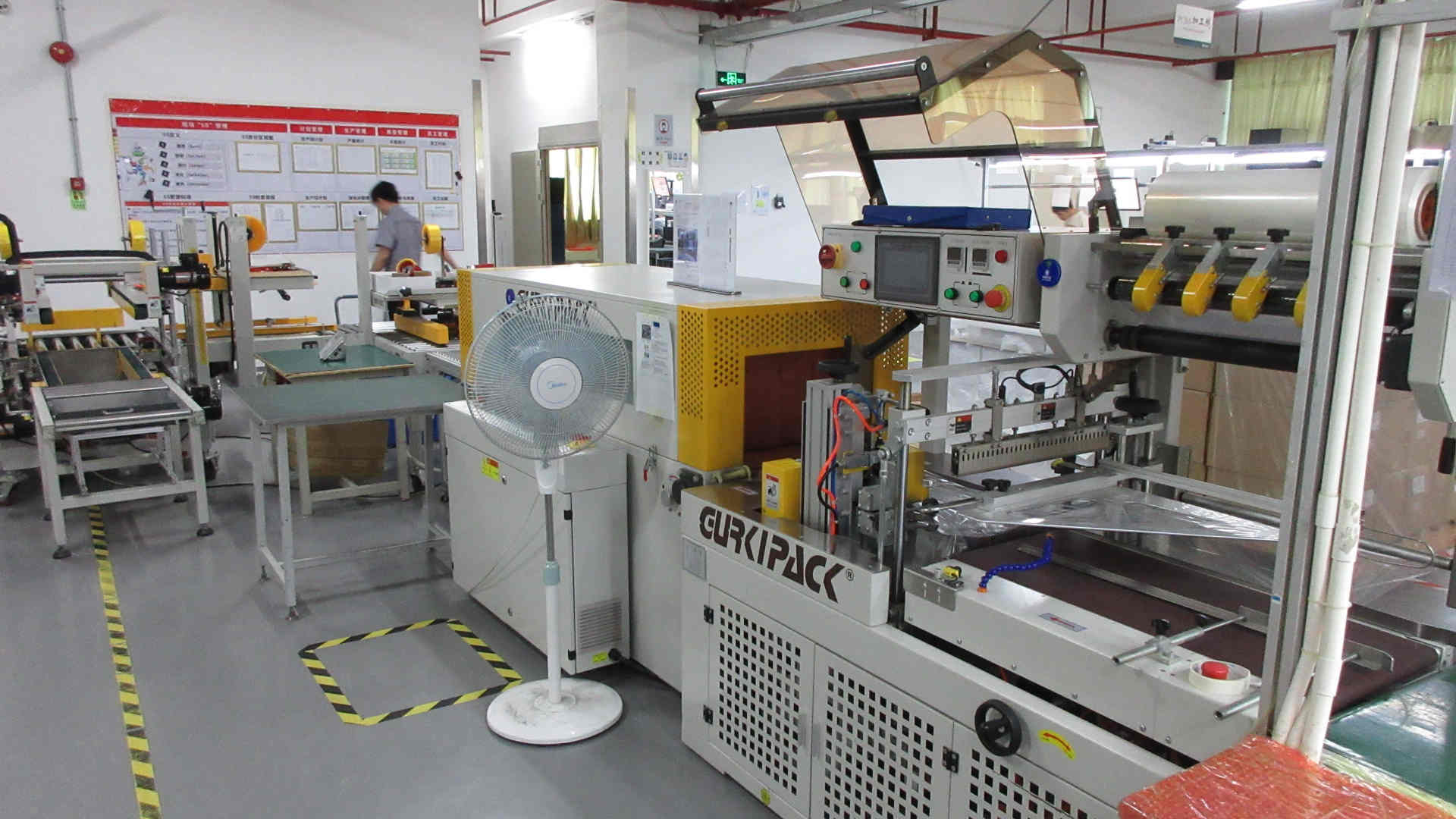
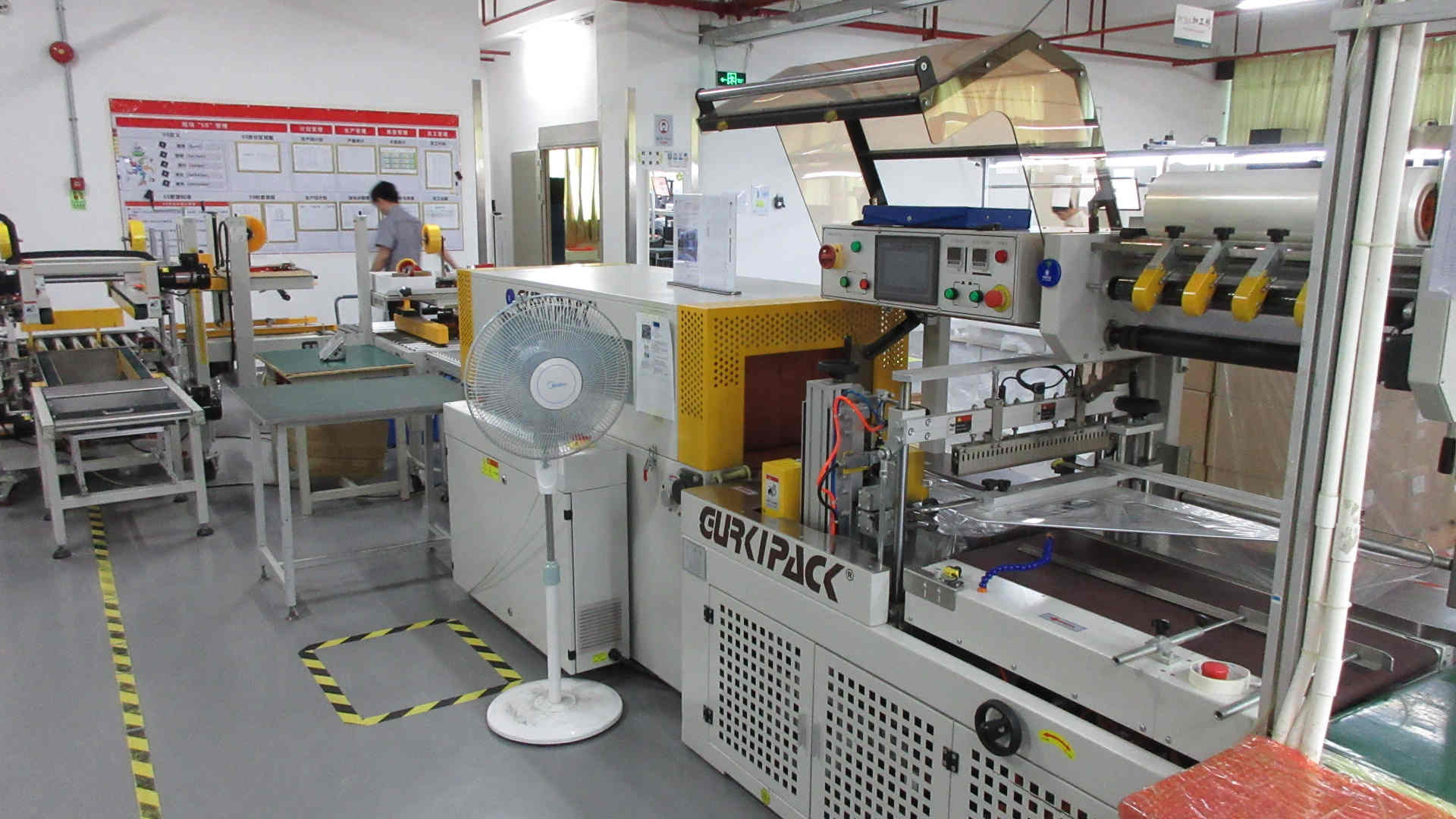
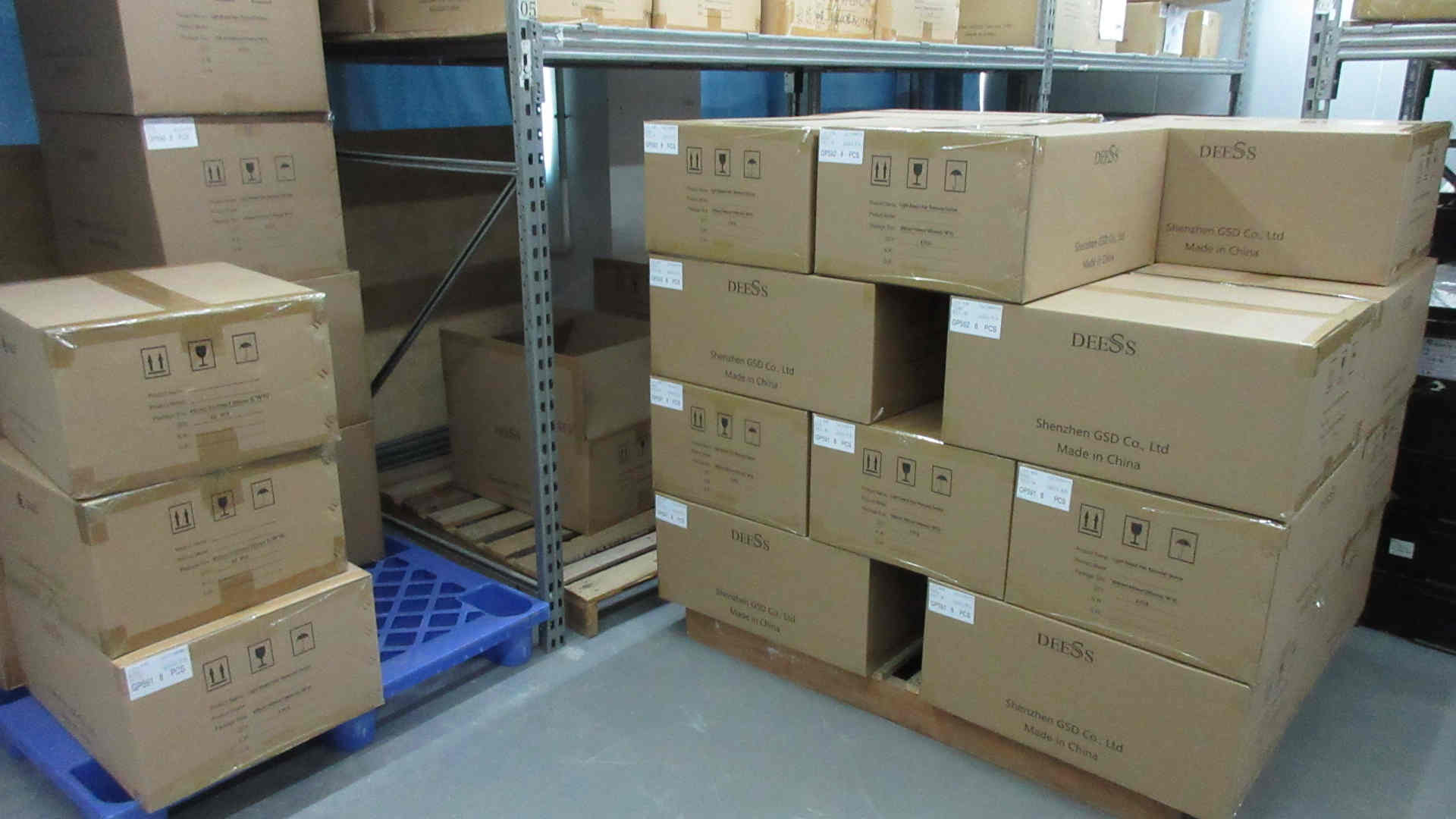
Our production methodology focuses on eliminating failure points common in optical devices:
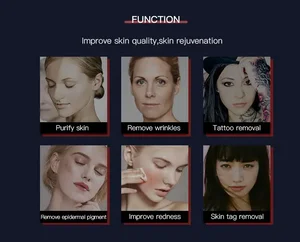
Modern aesthetic practices require systems capable of addressing diverse target indications. V-Cest Picosecond laser platforms integrate multiple wavelengths to optimize target absorption profiles across various chromophores:
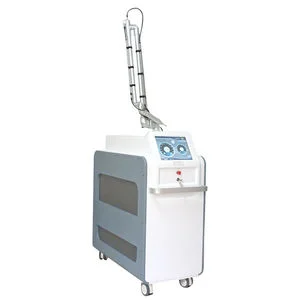
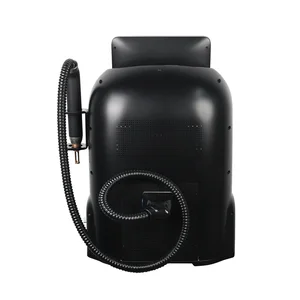
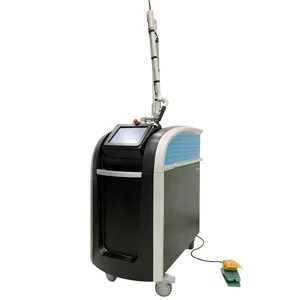
As a leading global OEM/ODM provider, V-Cest Beauty designs customizable mechanical layouts. Whether you require vertical medical workstations with dual-handle configurations or portable systems for mobile practitioners, we supply platforms tailored to your business model.
Importing medical and aesthetic equipment into the US requires strict adherence to regulatory standards. V-Cest Beauty manufactures machines in compliance with international quality management frameworks, including CE standards and relevant electrical safety validations.
For our partners in Chicago and the wider Midwest, we provide comprehensive documentation packs, including optical parameter validations and electrical safety compliance certificates. Our logistics network handles customs clearance, local port clearance, and offers direct door-to-door delivery options to your Chicago warehouse or clinical facility.
Additionally, our online technical support team is available 24/7. Through video diagnostics and fast-tracked spare part logistics, we help ensure your clinic experiences minimal downtime, maintaining the operational efficiency of your practice.
Aesthetic laser technology continues to evolve rapidly. V-Cest Beauty's R&D department is focused on several upcoming developments:
Explore our complete manufacturing portfolio, shipped directly from our certified production facility to Chicago and global distribution networks.
Expert insights on technical capabilities, import regulations, and clinical performance parameters.
 V-Cest Beauty